


Toyota has secured a major new source of solar power in Texas, marking a big step in corporate clean energy buying. The company signed a long‑term deal with U.S.-based clean energy group Avantus that gives it the full output from a large solar farm. This move adds significant renewable energy to Toyota’s portfolio and reflects wider shifts in the global energy market.
The solar project, known as the Norton Solar Project, is now operational. It sits in Runnels County, in central Texas. The plant can generate 159 megawatts of direct current (MWdc) and 125 megawatts of alternating current (MWac) once connected to the grid. This renewable energy can power tens of thousands of homes.
A Big Step for Corporate Clean Power Buying
Toyota structured the deal through a type of contract called a virtual power purchase agreement (VPPA). Under this arrangement, the carmaker does not take physical power from the site.
Instead, it buys all of the solar farm’s output on paper and uses that to match its electricity use. This allows the company to claim the renewable energy for its operations while the electricity flows into the local power grid.
This deal continues Toyota’s broader strategy to increase its clean energy use while responding to market trends and energy policy changes in the United States.
The automaker’s new power agreement is notable in several ways. A 159 MWdc solar plant is not small. It is larger than many utility‑scale solar projects in the United States. For comparison, the Roserock Solar Facility in Pecos County is about 212 MWac and was one of Texas’s biggest a few years ago.
Texas: A Growing Hub for Clean Power
Utility‑scale solar has grown rapidly in Texas. The state now leads the U.S. in solar generation capacity, and its total solar installations recently surpassed those of California, reaching nearly 21.9 gigawatts (GW) by mid‑2025. Another 12 GW was under construction at that time — more than the next five states combined.
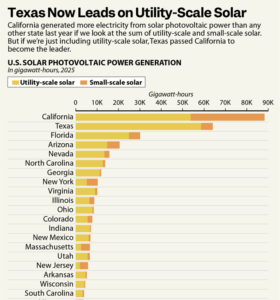
Texas is a special case within the U.S. energy landscape. It has long been a leader in electricity generation due to its large market and competitive regulatory environment.
Wind power has dominated in recent years, making the state the top wind generator nationwide. Solar has now joined that trend, growing rapidly due to favorable land, high solar irradiance, and strong developer interest.
This rapid growth reflects both cost trends and market demand. Solar panel prices have dropped a lot in the last ten years. Also, utility-scale projects are now cheaper and quicker to build.
Large energy buyers, like corporations, are signing long-term clean power contracts. They do this to meet environmental goals and secure stable energy costs.
Toyota’s VPPA is one example. Others include Lightsource bp’s 15‑year solar deal with Toyota for 231 MW at the Jones City 2 solar farm, signed earlier in 2026. These agreements help companies lock in clean power without owning generation assets directly.
What the Norton Solar Project Means in Numbers
The Norton Solar Project reached operational status by early 2026 after construction began in mid‑2024. During peak construction, the project supported around 250 jobs in Runnels County.
Once fully online, the plant will supply a large volume of clean electricity to the grid. Based on typical capacity factors for utility solar in Texas, a facility like this could generate hundreds of gigawatt‑hours (GWh) per year. That amount can power roughly 25,000–30,000 average Texas homes annually — pointing to its scale in practical terms.
Utility‑scale solar in Texas now contributes to a state power mix that also includes wind and battery storage. Solar’s share of the grid is growing, especially during daylight hours when peak power demand is high. This growth supports broader decarbonization efforts and reduces reliance on fossil fuels.
- RELATED: TotalEnergies and Google’s 1 GW Solar Deal Signals a New Phase in the Data Center Energy Race
Projects of this scale also bring ongoing local economic benefits. Beyond construction jobs, they also generate property taxes and land lease payments for rural counties. This provides steady revenue to support schools, roads, and other public services.
From Solar to EVs: Toyota’s Bigger Climate Strategy
Corporate Clean Energy Buying Hits New Highs
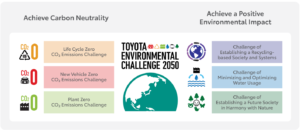
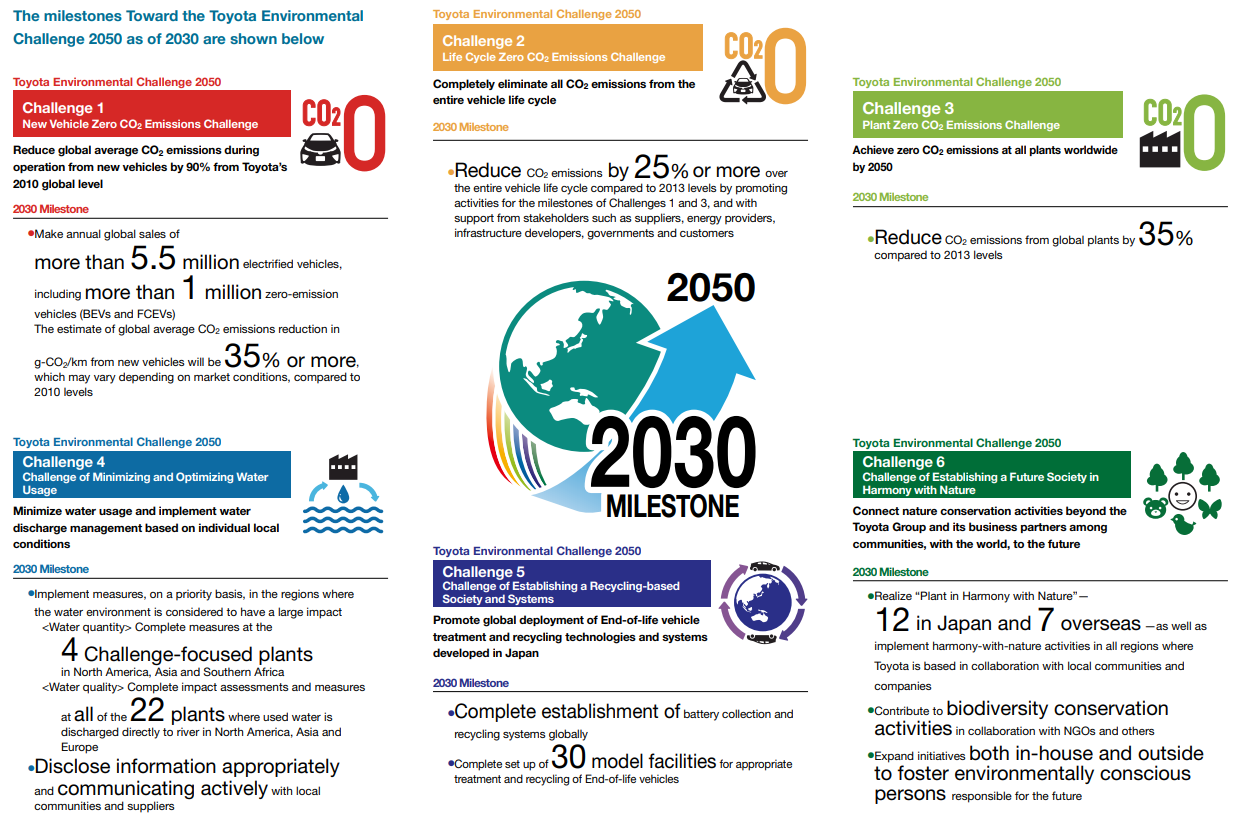
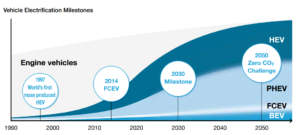
Many global companies have set internal goals for clean energy use. Toyota is no exception. The automaker has broad sustainability targets under its long‑term environmental plans, including increasing renewable energy procurement across its operations worldwide.
Solar and wind power are now among the cheapest sources of new electricity in most major markets. The U.S. Energy Information Administration (EIA) consistently projects that solar and wind will remain cost‑competitive with fossil fuels through the 2030s and beyond.
The Solar Energy Industries Association projects that 70% of planned grid additions through 2030 will come from solar or storage.
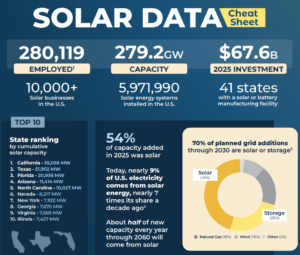
This outlook encourages large buyers to lock in long‑term renewable contracts to stabilize energy costs. Independent power purchase agreements allow them to hedge against future price swings.
Looking Ahead: Renewables, EVs, and Decarbonization
For companies with large electricity footprints, the economics are compelling. Renewable energy contracts tied to solar generation often provide predictable costs over many years. They can also generate renewable energy certificates (RECs), which are used to validate claims of clean energy use.
RECs represent the environmental benefits of generating electricity from renewable sources like solar or wind. One REC equals one megawatt-hour (MWh) of clean electricity produced and delivered to the grid.
Companies buy RECs to match their electricity use with renewable energy, even if they do not use that power directly. RECs are widely used in corporate sustainability strategies, but they do not always reflect physical changes in local power supply.
A virtual PPA, as the one Toyota signed, lets a company match its energy use with renewable generation without transporting electricity directly. This flexibility is especially useful in deregulated markets like the Electric Reliability Council of Texas (ERCOT) region, where buyers can contract with independent generators.
Toyota’s new Texas solar agreement reflects broader energy market trends. Solar power is no longer a niche energy source. It is a core part of both grid supply and corporate clean energy strategies.
- READ MORE: