

Canada’s carbon pricing system is poised for an increase on April 1, stirring debate and concern among provincial leaders over its impact on affordability. It serves as a pivotal policy tool aimed at reducing overall emissions by imposing a financial penalty on pollution.
Carbon pricing is spearheaded by Prime Minister Justin Trudeau’s minority Liberal government. While Trudeau’s administration views this as a cornerstone policy, some provincial leaders are urging a pause citing affordability worries.
Aligning Policies with Long-Term Climate Strategies
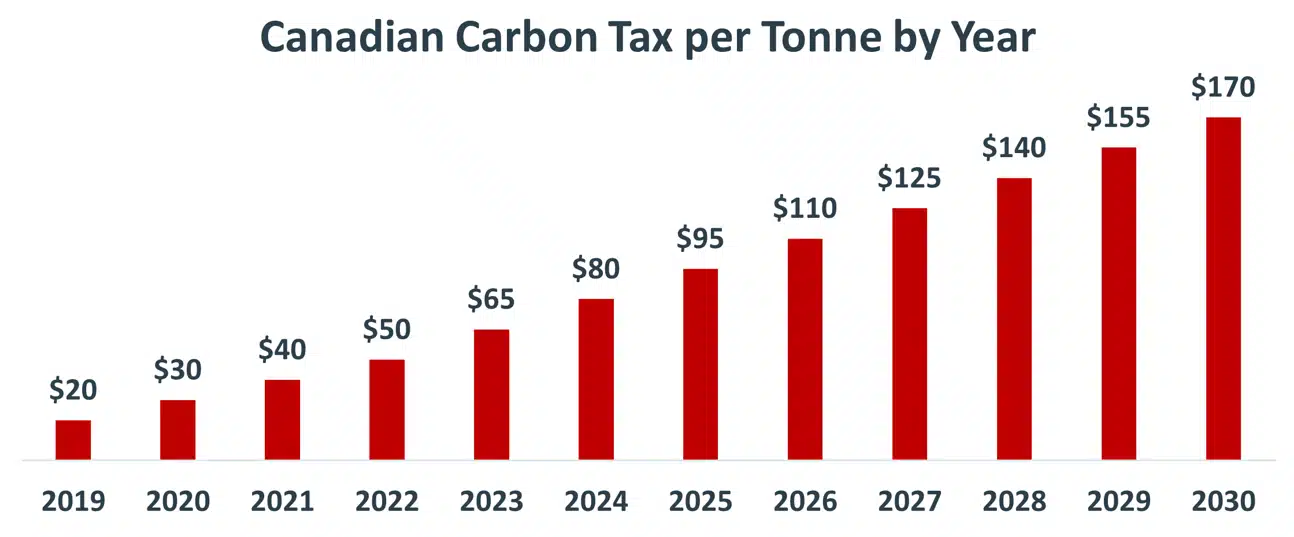
The impending hike in carbon pricing isn’t unexpected; rather, it aligns with the government’s long-term strategy to address climate change. Annual increases are scheduled until at least 2030.
This plan signals a commitment to steadily raise the price of carbon to encourage emission reduction efforts.
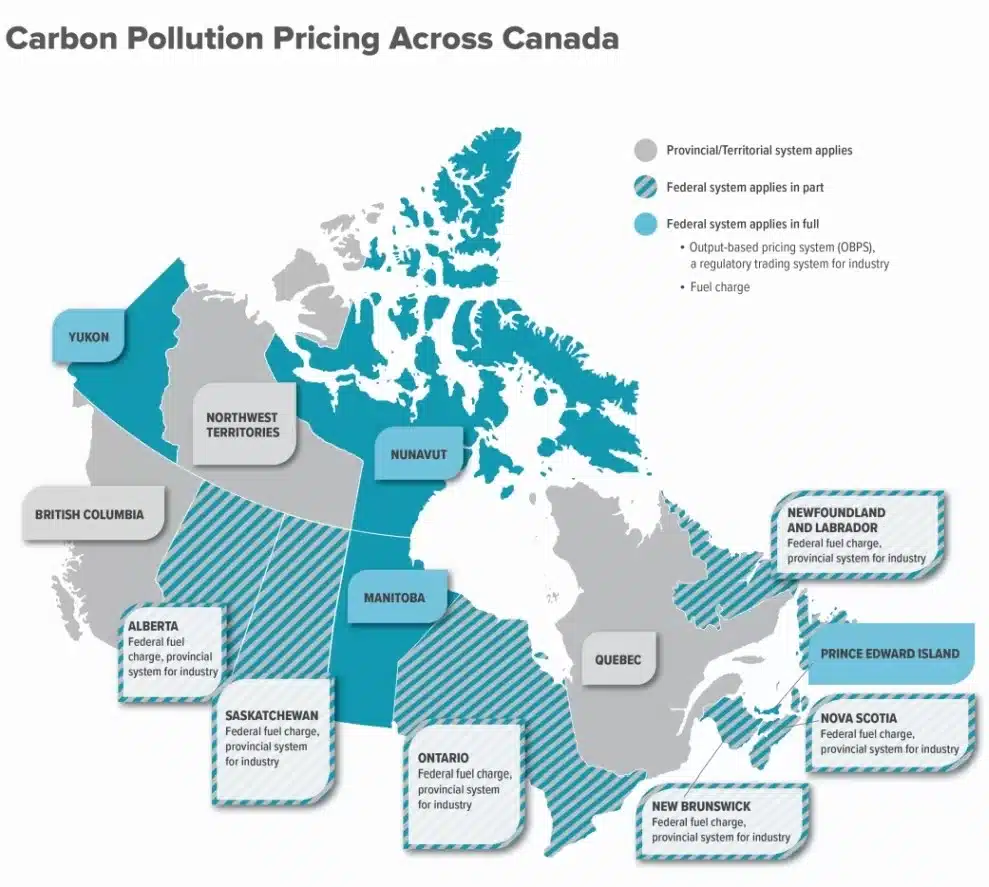
Provinces and territories have the option to adopt the federal pricing system voluntarily. For jurisdictions that don’t price carbon or don’t have a similar system in place that meets the minimum national stringency standards, they’ll be subject to the federal pricing system.
Despite calls for a pause, Trudeau’s administration maintains its stance. It emphasizes the importance of carbon pricing in signaling the need for investment in emission reduction while shielding middle-class families from bearing excessive costs.
The government aims to strike a balance between environmental sustainability and economic affordability, amidst diverse regional perspectives and economic contexts.
Addressing Affordability Concerns Amidst Climate Commitments
The April 1 increase will primarily affect gas prices and energy bills, particularly in provinces and territories subject to the federal backstop plan. This diversity in implementation underscores the complexities of coordinating national climate policies while accommodating regional nuances and preferences.
Premier Andrew Furey’s concerns echo those of other provincial leaders, who fear the mounting financial strain on households. Still, Trudeau’s administration remains steadfast, emphasizing the role of carbon pricing in incentivizing emission reduction. It also serves as a signal to investors on the importance of transitioning to a low-carbon economy.
The government’s commitment to addressing climate change is evident in its long-term vision, which includes steadily increasing the carbon price to achieve emission reduction targets.
The current carbon pricing stands at C$65 per tonne, slated to rise to C$80 per tonne on April 1. Then it will increase annually thereafter by C$15 until reaching C$170 per tonne by 2030. Price in Canadian dollars.
Additionally, the government offers the Canada Carbon Rebate, formerly known as the climate action incentive payment, to eligible Canadians impacted by the federal carbon price. This rebate aims to mitigate the financial burden and ensure that the transition to a low-carbon economy is fair.
Approximately 80% of Canadians receive more from the rebates than they pay in carbon pricing, according to the government’s data.
Balancing Effectiveness and Critiques of Carbon Pricing
While some criticize carbon pricing as burdensome, Trudeau’s administration emphasizes its effectiveness in encouraging emission reduction and protecting vulnerable households. By steadily increasing the carbon price and offering rebates to mitigate impacts on households, Canada seeks to strike a balance between environmental sustainability and economic affordability.
The impending increase in Canada’s carbon price reflects the government’s commitment to addressing climate change and transitioning to a low-carbon economy.
Despite concerns over affordability, Trudeau’s administration is firm in its view that carbon pricing is a critical tool for reducing emissions and signaling the need for investment in clean energy.
As the April 1 deadline approaches, the debate over carbon pricing highlights the complexities of balancing environmental and economic priorities in the fight against climate change.