
Carbon NewsTax Credit Hike Proposed for US Carbon Capture & Sequestration Projects

Tax Credit Hike Proposed for US Carbon Capture & Sequestration Projects

US Congress may expand tax credits for carbon capture and sequestration projects. the goal is to help increase the use of green technology. However, some environmentalists are concerned that doing so will not stop industries from reducing their carbon emissions.

The proposal is currently listed within the Biden administrationโ€™s $1.75 trillion package. For every metric ton of carbon captured and stored, an $85 credit would be provided. Right now, industries are only offered $50 per credit.

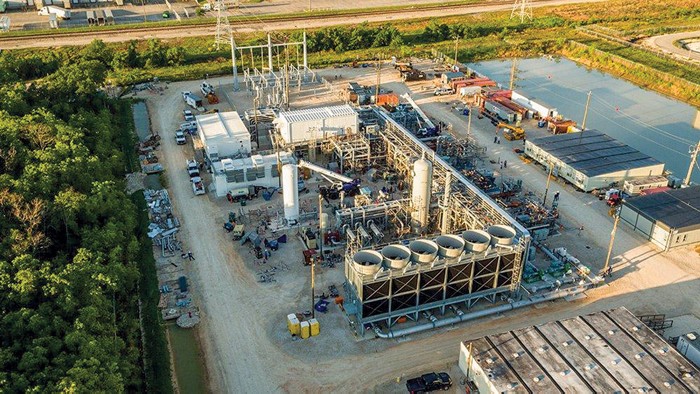
President Joe Biden has said that his goal is to decarbonize the US by 2050. Carbon capture sequestration (CCS) is a way that the US can accomplish that. The process involves capturing carbon that is produced, then placing it deep underground so that it isnโ€™t released into the air.

Right now, several CCS facilities in the US are no longer in service. According to the Global CCS Institute, only a dozen or so are operational.

Though many groups see the value of carbon capture and storage, some environmentalists arenโ€™t so sure. They feel that the proposal, which requires 50%-75% of carbon to be captured, is far too low.

The Clean Air Task Force feels the credit hike would be beneficial since it can increase carbon capture 13 times over throughout the 2030s. According to CATF spokeswoman Lee Beck, โ€œThese provisions will not only enable decarbonization of domestic industries but can also multiply emissions reductions abroad.โ€

COP26 is taking place right now.

As leaders work to combat climate change, increased incentives for carbon capture and sequestration could serve as part of the solution. The voluntary carbon marketplace also has a role to play, as companies use credits to offset emissions.

Combine carbon capture and sequestration, offsetting, increased regulation, and advances in technology, and net-zero goals are within reach.


Most Popular


Ultimate Guide


Loading...


LATEST CARBON NEWS

BMW Brings AI-Driven Battery Production to the U.S. But Can It Lower EV Manufacturing Emissions?

BMW is ramping up its electric vehicle (EV) business in the U.S. with a big investment in battery manufacturing. In December 2026, the company...

Australia Shuts Down Carbon Offset Program Climate Active: What Comes Next for the Market and Corporate Net Zero?

Australia is closing one of its best-known carbon offset programs. The federal government has announced that it will shut down Climate Active, the voluntary...

Puro.earth Certifies Europe’s First Biogas BECCS Project for Permanent Carbon Removal

Europe reaches a key milestone in carbon removal. Puro.earth has certified the first permanent carbon removal project. This project captures biogenic carbon dioxide (COโ‚‚)...

Tesla vs. Waymo: Who Will Win the Robotaxi Race?

The race to build the future of transportation has reached a new city. Tesla and Waymo are both expanding their robotaxi services into Tampa,...
CARBON INVESTOR EDUCATION

What Does “Net Zero Emissions” Really Mean?

The recent report from climate scientists is crystal clear: the world must act now. That means limiting global warming to 2 or 1.5 degrees...

Planting Trees for Carbon Credits: Everything You Need to Know

As climate change intensifies, nations and industries are seeking innovative ways to cut carbon footprints. Carbon credits have emerged as a key tool in...

What is SMR? The Ultimate Guide to Small Modular Reactors

Energy is the cornerstone of modern life. We need electricity for healthcare, transportation, communication, and more. Many countries are choosing nuclear power because it...

What Is Carbon Dioxide Removal? Top Buyers and Sellers of CDR Credits in 2024

The world must remove 5โ€“16 billion metric tons of COโ‚‚ annually by 2050 to limit global warming to 1.5ยฐC. But with emissions still rising,...