

Verra, the largest carbon registry and standard body, has approved 3.03 million carbon credits from a large grasslands restoration project in northern Mexico. The approval was announced under Verra’s Verified Carbon Standard (VCS) program.
The credits come from improved land and grazing practices that increase soil carbon storage. Once fully issued, this will be the largest soil carbon credit issuance under the VCS to date. It is also the first soil carbon project in North America approved under Verra’s VM0042 methodology.
Verra said the project shows how grasslands can play a bigger role in climate action. It also highlights how soil carbon projects are becoming more visible in voluntary carbon markets (VCMs).
Mandy Rambharos, Verra CEO, said:
“Projects like this demonstrate how implementing targeted farming practices can deliver measurable climate benefits at scale. Verra’s role is to ensure these outcomes are grounded in rigorous science, conservative accounting, and independent verification, so the land, communities, and the climate all benefit.”
Mexico Grasslands: Restoring Millions of Acres Through Better Grazing
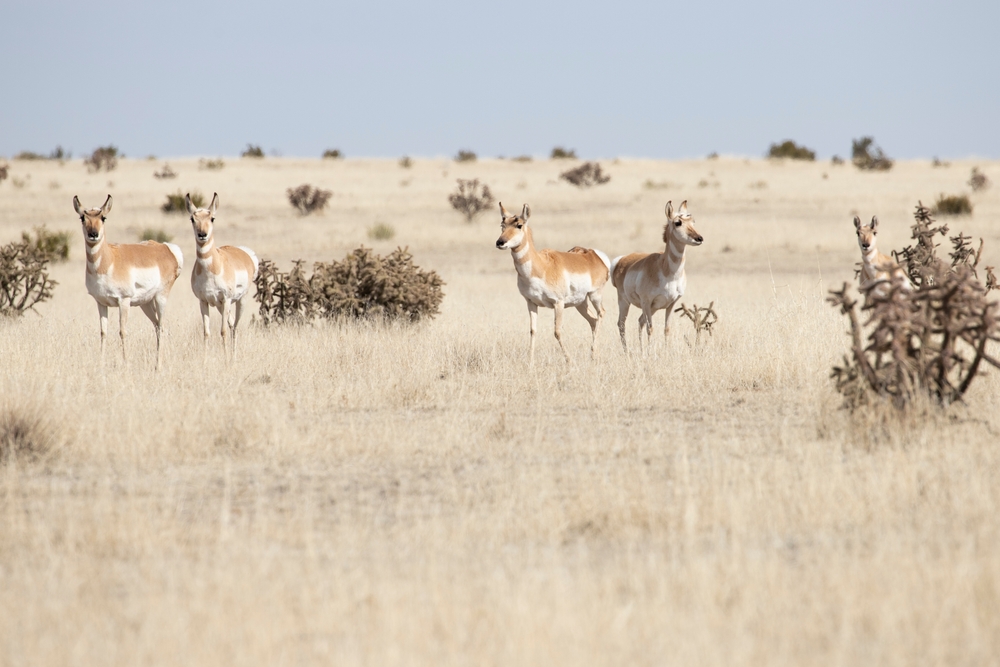
The project is located across large areas of native grasslands in northern Mexico. It spans about 4 million acres. The land sits mainly within the Chihuahuan and Sonoran desert regions.
The project developer is Boomitra. The company works with 158 ranchers across the region. Together, they apply improved grazing practices. These practices aim to restore soil health and increase the amount of carbon stored underground.
The grazing changes include rotating livestock, avoiding overgrazing, and allowing grass to recover. Healthier grass leads to stronger root systems. Those roots help store more carbon in the soil.
Soil carbon matters because grasslands hold a large share of the world’s carbon stored in soils. Scientists estimate that grasslands contain about 20% to 30% of global soil organic carbon. Most of that carbon sits below the surface, which makes it less exposed to fires and storms.
The size of the Mexico project is unusual. At 4 million acres, it is one of the largest grassland soil carbon projects ever registered under Verra. The approved credits reflect verified increases in soil carbon over time.
A Turning Point for Soil Carbon at Scale
The approval comes as the VCM continues to adjust and rebuild trust. Voluntary markets allow companies to buy carbon credits to support climate claims or offset emissions they cannot yet remove.
Nature-based carbon credits are a growing part of this market. These include projects based on forests, wetlands, agriculture, and grasslands. Buyers often value them because they can deliver climate benefits alongside environmental and social benefits.
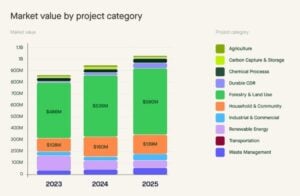
According to market analysis, the voluntary carbon market was worth about $2.5 billion in 2025. Forecasts suggest it could grow to more than $100-250 billion by 2030. Nature-based credits are expected to play a major role in that growth.

Soil carbon credits are still a smaller share of the market. Forest projects remain more common. But soil and grassland projects are gaining attention because they can scale across large areas and support food systems.
The Mexico grasslands project also stands out because of its methodology. Verra’s VM0042 method focuses on improved agricultural land management. It allows credits to be issued when better land practices increase soil carbon beyond a defined baseline.
This approval sends a clear signal to the market. It shows that large-scale soil carbon projects can meet strict verification rules. It also suggests that supply from grassland projects could grow in the coming years.
From Soil to Credits: How Verra’s Verification Works
Carbon credits under the VCS must meet strict requirements. Verra requires projects to prove that emissions reductions or removals are real, measurable, additional, and lasting.
The VM0042 methodology sets detailed rules for soil carbon projects. Developers must show how land management changes increase soil carbon over time. They must also account for uncertainty and risks, such as reversals.
Projects go through independent third-party audits. Auditors review data, methods, and results before credits are approved. Only verified outcomes can then receive credits.
The Mexico project also uses remote sensing and artificial intelligence to monitor soil carbon changes. This technology allows measurement across large areas without heavy soil sampling. It improves accuracy and lowers costs for ranchers.
The largest carbon credit certifier said the approval followed a full validation and verification process. The credits represent confirmed soil carbon gains from real changes on the ground.
Verra also noted that more than 200 other projects are now using the same VM0042 methodology. Many are still in early stages, which suggests a growing pipeline of future soil and grassland credits.
Why Grasslands Are Back on the Climate Map
Grassland restoration is gaining attention beyond carbon markets. Healthy grasslands support biodiversity, improve water retention, and help prevent land degradation. They also support rural livelihoods.
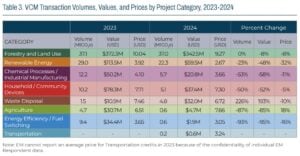
In carbon markets, buyers are looking more closely at credit quality. That includes how projects measure results and manage long-term risks. Soil carbon projects face added scrutiny because soil carbon can change with weather and land use. And so, transaction volumes and values declined as shown below.
Still, interest is growing. Other grassland projects have recently reached milestones. For example, a grassland restoration project in South Africa issued the world’s first grassland credits with Climate, Community and Biodiversity (CCB) labels under the same methodology.
In Europe, agricultural soil carbon projects have also begun issuing large volumes of verified credits. One recent project issued more than 2.3 million credits after completing Verra verification.
These developments show a broader trend. Voluntary carbon markets are slowly diversifying. Forest projects still dominate, but soil and grassland projects (forestry and land use, and agriculture) are becoming more common.
For Mexico, the project also has a local impact. Improved grazing can raise productivity and reduce long-term land risks. That can help ranchers adapt to climate stress while contributing to climate goals.
What Happens Next: From Approval to Market Supply
Verra said the full issuance of the 3.03 million credits is expected once final steps are completed. After issuance, the credits can be sold on voluntary carbon markets.
Buyers may include companies seeking nature-based credits to support climate strategies. Some buyers also value projects that deliver co-benefits beyond carbon.
The Mexico grasslands project shows how soil carbon can move from pilot scale to large-scale deployment. It also shows how new tools and methods can help verify results across millions of acres.
As voluntary carbon markets continue to evolve, projects like this may shape future supply. They highlight both the potential and the complexity of using land-based solutions to address climate change.
For now, Verra’s approval marks a clear milestone. It confirms that large grassland projects can meet high verification standards. It also signals that soil carbon is becoming a more visible part of the voluntary carbon market.