

The European Commission’s move to address greenwashing practices among airlines is significant. Greenwashing, especially in industries as impactful as aviation, undermines consumer trust and misleads individuals about the environmental consequences of their choices.
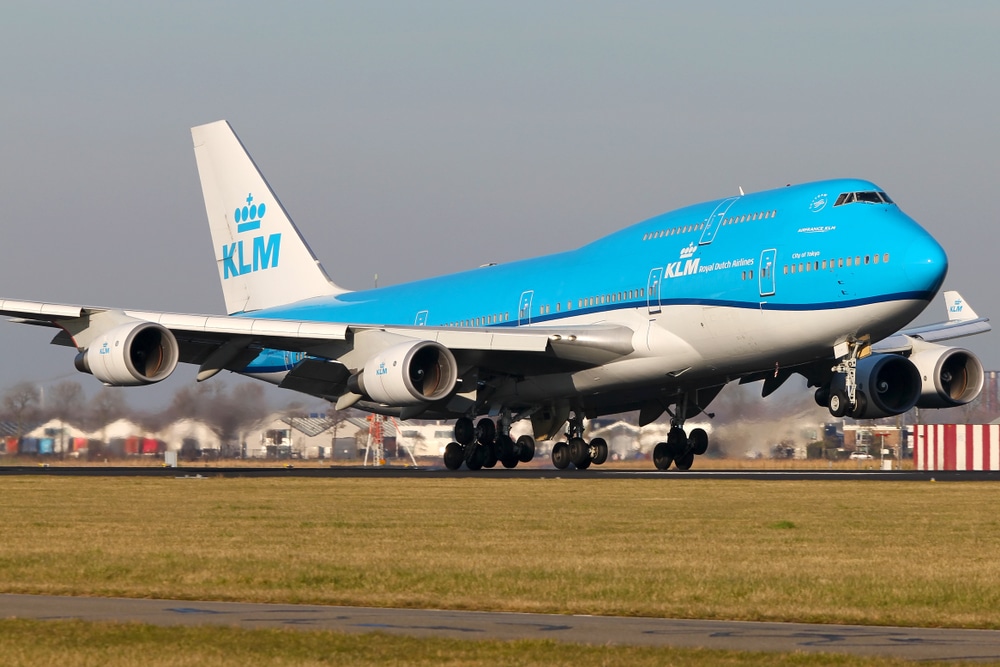
Air France, its Dutch subsidiary KLM, and Lufthansa’s Brussels Airlines are among the 20 airlines under investigation by the European Union for potential greenwashing practices. It’s unclear which other airlines have received a letter from the EC.
Eco-Friendly Flight or Marketing Mirage?
The Consumer Protection Cooperation (CPC) works with the European Commission to enforce EU consumer protection laws. They address cross-border issues, triggered in this case by a BEUC alert about misleading green claims by airlines.
The European Green Deal and the New Consumer Agenda prioritize sustainability and combatting greenwashing. Directives like the one on unfair commercial practices prohibit misleading actions.
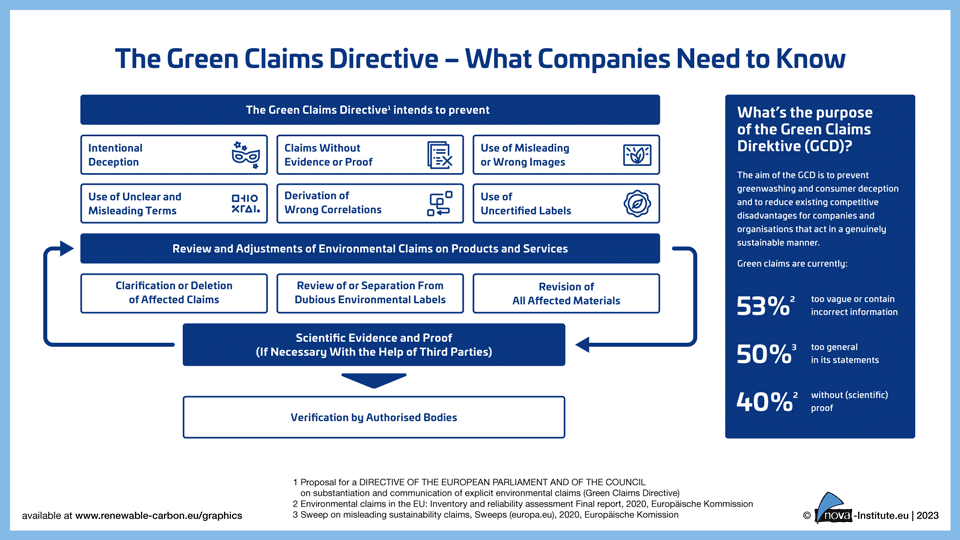
Additionally, the proposed Green Claims Directive aims to enhance consumer protection by requiring traders to substantiate explicit environmental claims and be transparent about offsetting claims, specifying the portion that relies on buying carbon offsets. The Directive ensures that traders adhere to requirements when making claims about the environmental performance of products.
 The involvement of the CPC emphasizes the collaborative effort to enforce EU consumer laws and hold airlines accountable for their practices. This approach sends a clear message to the industry that greenwashing will not be tolerated.
BEUC’s advocacy and the support of consumer organizations further highlight the growing awareness and demand for genuine sustainability efforts. Consumers deserve accurate information to make informed choices, and actions like this help protect their rights.
Legal Eagles vs. Misleading Claims: Aviation Edition
The recent legal rulings against KLM and Austrian Airlines demonstrate the consequences of misleading advertising in the aviation sector. Such rulings set precedents and serve as deterrents for other airlines engaging in similar practices.
The EC, along with EU consumer authorities, is targeting misleading claims regarding the environmental impact of flying. They particularly focus on airlines’ assertions that carbon emissions can be offset through additional fees or the use of sustainable aviation fuel (SAF).
SAF is from renewable and sustainable resources, offering a way to reduce emissions when combined with fossil-based jet fuel. It’s a “drop-in” fuel, meaning airlines can use it without modifying their existing infrastructure. SAF is viewed by experts as a highly promising solution for accelerating the aviation sector’s transition to a low-carbon future.
The identified misleading practices include:
- Creating the incorrect impression that additional fees can fully counterbalance CO2 emissions.
- Using the term “sustainable aviation fuel” without adequately justifying its environmental impact.
- Using terms like “green,” “sustainable,” or “responsible” without clear justification.
- Claiming to move towards environmental performance like net zero emissions without verifiable commitments, targets, and monitoring systems.
- Presenting flight emissions calculators without scientific proof of reliability.
- Comparing flight emissions without providing sufficient information on the methodology.
These actions follow the EU Commission’s legislative proposals aimed at protecting consumers from greenwashing. These include updates to directives like the unfair commercial practices directive (UCPD) and the consumer rights directive (CRD). These updates aim to include green transition aspects and introduce rules banning unverified environmental claims and requiring independent verification of green claims.
Věra Jourová, EC Vice-President for Values and Transparency, emphasized the importance of providing consumers with accurate and scientific information, saying:
“More and more travelers care about their environmental footprint and choose products and services with better environmental performance. They deserve accurate and scientific answers, not vague or false claims. The Commission is fully committed to empowering consumers in the green transition and fighting greenwashing.”
EU’s Greenwashing Battle Plan
The European Commission and CPC authorities have taken proactive steps to address concerns regarding environmental marketing claims made by airlines under EU consumer law. By inviting companies to provide responses within a specific timeframe and organizing meetings to discuss proposed solutions, the Commission is fostering dialogue and collaboration to ensure alignment with consumer legislation.
The process involves:
- Invitation for Response: Companies have 30 days to outline proposed measures to address concerns raised about their environmental marketing claims.
- Dialogue and Discussion: Following receipt of replies, the Commission will organize meetings with the CPC network and the airlines to discuss proposed solutions.
- Monitoring Implementation: The Commission will monitor the implementation of agreed-upon changes to ensure compliance with EU consumer law.
- Enforcement Actions: If airlines fail to take necessary steps to address concerns, CPC authorities have the authority to take further enforcement actions, including sanctions.
Overall, these legislative measures and directives aim to promote transparency and combat greenwashing, particularly involving airlines’ use of carbon offsets. By targeting airlines that make misleading claims about use of carbon offsets or the sustainability of flying, the Commission is taking a proactive step toward ensuring transparency and accountability in the sector.