
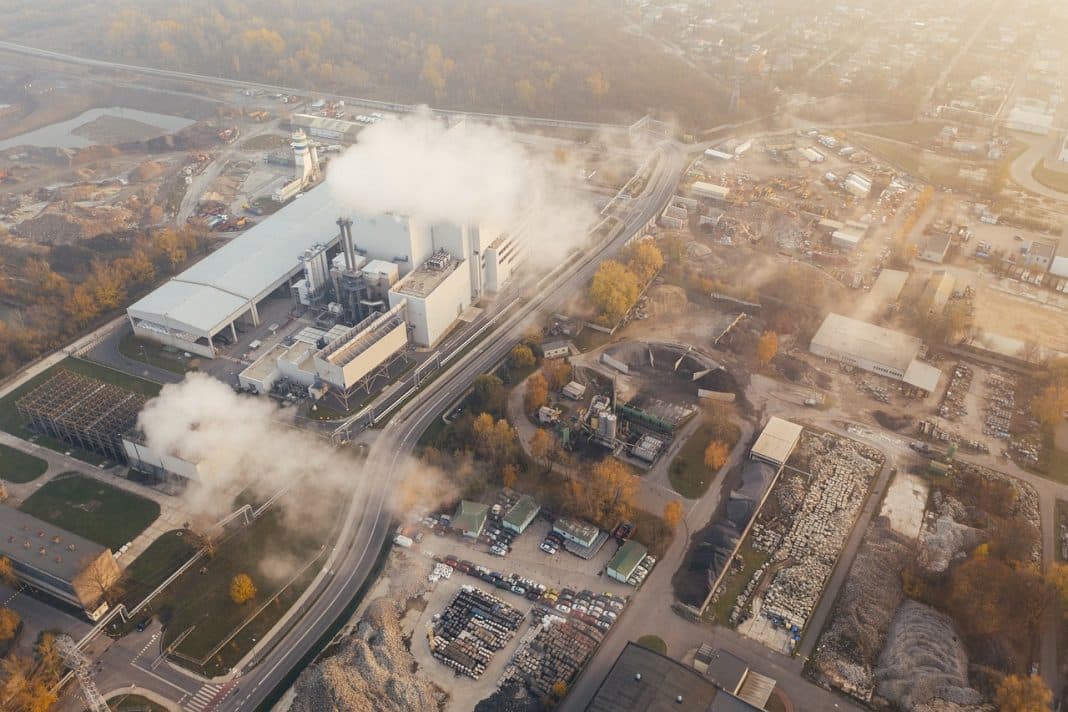
Carbon CreditsDepleted Gas Reservoirs Hold CO2 and Carbon Credits

Depleted Gas Reservoirs Hold CO2 and Carbon Credits

Australian gas producer Santos has secured a network of depleted gas reservoirs for carbon storage – with the potential to keep up to 100 million metric tons. Santos can then issue carbon credits worth as much as $25M annually.

These reservoirs serve as a piece of the puzzle for Santos’ carbon project called Moomba.

Beach Energy has partnered with Santos on Moomba. The is to capture 1.7 million metric tons of carbon each year. So, the storage option proposed could last more than 50.

They expect to start in 2024.

How does carbon capture and storage (CCS) work?

Carbon capture is when carbon is collected from the atmosphere and then reused or stored. The technology behind it is quite complex.

While governments and industries support carbon capture and storage, it is only just starting to pick up steam. This is mainly due to the high cost.

As such, once the technology becomes more accessible, CCS will continue to grow.

โ€œ[Carbon capture and storage] is a critical technology to achieve the worldโ€™s emission reduction goals, and we only have to look at current carbon prices to see how valuable 100mn tons of storage is,โ€ chief executive Kevin Gallagher said in a statement on Tuesday.

What are carbon credits?

For every carbon credit purchased on the carbon markets, one metric ton of carbon is offset through an environmental project.

The Santos capture and storage project qualifies.

Santos can claim one Australian carbon credit for every ton of carbon they capture and store. They could then sell the credits for A$17 (US$12) per ton, which the Australian government would then retire, or sell them privately.

On the private carbon market, ACCUs are going for more than A$55 (US$39).

Santos can capture and store carbon at Moomba for $24 a ton if prices stay where they are now – though many expect carbon prices to continue to increase over the next several years.


Most Popular


Ultimate Guide


Loading...


LATEST CARBON NEWS

Chinaโ€™s Data Center Power Demand Could Quadruple by 2030 as AI Boom Accelerates

China's data centers could quadruple their electricity use to 774 terawatt-hours (TWh) by 2030, as artificial intelligence (AI) drives a rapid increase in computing...

Why Copper Could Be One of the Biggest Commodity Bets of the AI Era

Copper has become one of the hottest commodities of 2026, and the rally may have more staying power than a typical commodity cycle. A recent...

Citi Hits $647B Sustainable Finance Milestone, Sets New 2030 Climate Goals

Citigroup has committed an estimated $647.2 billion to sustainable finance since 2020, putting the bank more than halfway toward its $1 trillion goal by...

Tesla’s Cybercab, Robotaxi Push and Solar Pivot Point to a Broader Clean Energy Play

Tesla is moving deeper into autonomous transport and energy as it prepares to launch its purpose-built Cybercab robotaxi and rebuild its residential solar business...
CARBON INVESTOR EDUCATION

What Does “Net Zero Emissions” Really Mean?

The recent report from climate scientists is crystal clear: the world must act now. That means limiting global warming to 2 or 1.5 degrees...

Planting Trees for Carbon Credits: Everything You Need to Know

As climate change intensifies, nations and industries are seeking innovative ways to cut carbon footprints. Carbon credits have emerged as a key tool in...

What is SMR? The Ultimate Guide to Small Modular Reactors

Energy is the cornerstone of modern life. We need electricity for healthcare, transportation, communication, and more. Many countries are choosing nuclear power because it...

What Is Carbon Dioxide Removal? Top Buyers and Sellers of CDR Credits in 2024

The world must remove 5โ€“16 billion metric tons of COโ‚‚ annually by 2050 to limit global warming to 1.5ยฐC. But with emissions still rising,...