

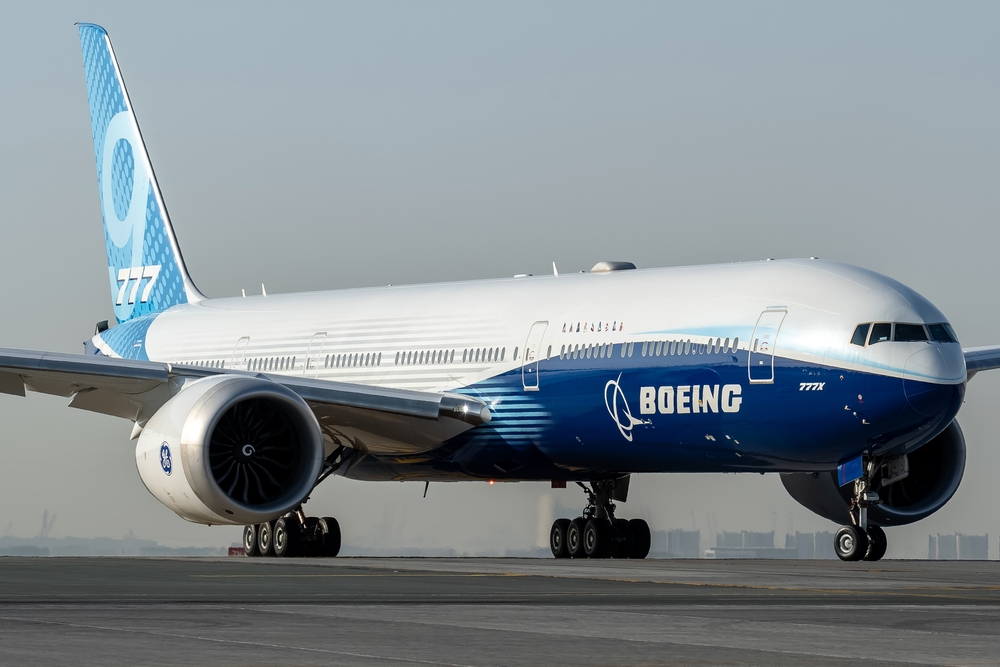
Aerospace giant Boeing has signed a multi-year agreement with carbon removal platform Carbonfuture to purchase at least 40,000 tonnes of durable carbon dioxide removal (CDR) credits. The deal ranks among the largest carbon removal procurements in the aviation sector so far.
The carbon credits will come from a portfolio of biochar carbon removal projects, mainly located across the Global South. Biochar is created by heating plant material in a low-oxygen environment. The process converts biomass into a stable form of carbon that can be stored in soil for long periods.
Carbonfuture will track each credit using its digital monitoring system. The platform records the entire carbon removal process—from biochar production to soil application. It also verifies ownership of the credits.
The agreement helps Boeing tackle emissions that technology or fuel changes can’t eliminate yet. The company plans to apply these credits to Scope 3 emissions linked to business travel.
Allison Melia, VP Global Enterprise Sustainability, Boeing, said:
“To support long-term global demand for air travel, the aviation industry has set goals to reduce emissions. We’re excited to team up with Carbonfuture to support technological innovation in carbon removals to help meet these needs.”
This partnership reflects a broader shift in corporate climate strategies. Many industries now combine emissions reductions with carbon removal to manage their climate impact.
Why Aviation Is Turning to Carbon Removal
Decarbonizing aviation is difficult. Aircraft can last for decades, and alternatives like hydrogen planes or fully electric aircraft are still years away from wide use.
The aviation sector produces around 2–3% of global carbon dioxide emissions, based on research from energy and industry studies. When scientists look at the warming effects of contrails and other non-CO₂ emissions, aviation’s climate impact gets bigger.
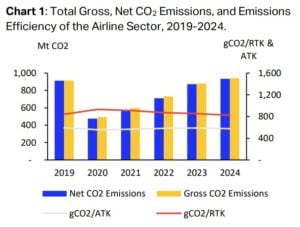
Demand for flights also continues to grow. Rising global travel has offset many efficiency improvements in aircraft design and operations.
Sustainable aviation fuel (SAF) is one promising solution. However, SAF still accounts for less than 1% of global jet fuel supply and often costs two to ten times more than conventional jet fuel.

Because of these limits, aviation companies are turning to carbon removal technologies. These systems physically remove carbon dioxide from the atmosphere rather than simply avoiding emissions.
Boeing’s deal with Carbonfuture shows how carbon removal can complement other decarbonization strategies.
Biochar Carbon Removal: Turning Biomass Into Long-Term Carbon Storage
The credits in Boeing’s deal come from biochar-based carbon removal projects. Biochar forms through a process called pyrolysis. Organic waste, such as crop residues or forestry by-products, is heated in a low-oxygen environment. This converts the biomass into a carbon-rich charcoal.
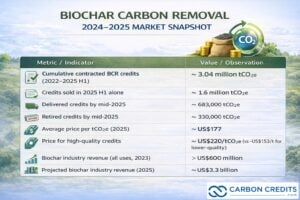
When biochar is added to soil, it can store carbon for hundreds of years while improving soil health and water retention.
The projects in Boeing’s agreement also provide environmental benefits beyond carbon storage. Biochar can increase soil fertility, improve crop yields, and support agricultural resilience in regions facing land degradation.
Carbonfuture’s digital platform tracks every stage of the carbon removal process. This monitoring system aims to increase transparency and trust in carbon credit markets.
High-quality verification matters. Voluntary carbon markets have faced criticism for weak oversight and questionable offset projects.
Inside Boeing’s Emissions Footprint and Net-Zero Strategy
The carbon removal agreement is part of Boeing’s broader sustainability strategy. Like many aerospace companies, the aerospace giant faces large emissions from its value chain. Most of its climate impact comes from Scope 3 emissions. These include airline aircraft operations and other indirect activities.
Boeing’s total carbon footprint is estimated at around 374 million metric tons of CO₂ equivalent for 2024. Of this, about 373 million tons are from Scope 3 sources.
Direct emissions from Boeing operations are much smaller. The company reported about 517,000 tons of Scope 1 emissions and 464,000 tons of Scope 2 emissions from purchased electricity.
Because Scope 3 emissions dominate aviation’s footprint, companies must work across the entire ecosystem. That includes airlines, fuel suppliers, airports, and aircraft manufacturers.
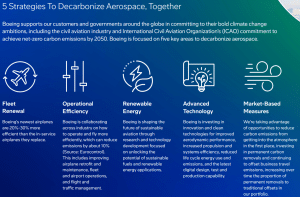
The ariplane maker says its strategy focuses on four main areas:
- improving aircraft fuel efficiency,
- supporting sustainable aviation fuel development,
- advancing new propulsion technologies, and
- using carbon removal for residual emissions.
Carbon removal purchases help address emissions that cannot yet be eliminated through technological change.
Corporate Demand Is Fueling the Carbon Removal Market
Boeing’s deal also reflects rapid growth in the carbon removal market. Corporate demand for carbon dioxide removal has expanded in recent years. Many companies now view durable removals as a key tool for meeting net-zero climate targets.
Recent data shows that high-durability carbon removal credits hit nearly 8 million metric tons in 2024. This is up from about 2.4 million tons in 2023. That’s a jump of around 233% in just one year, according to CDR.fyi.
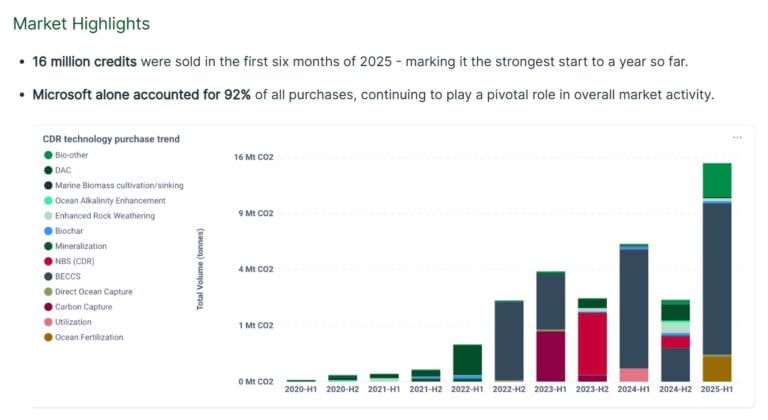
Analysts expect carbon removal demand to rise sharply over the next decade as climate targets tighten. BCG estimates that annual demand for carbon removal might hit 40–200 million tons of CO₂ by 2030. It could grow further to 80–900 million tons by 2040 as more companies commit to net-zero goals.
New technologies such as biochar, direct air capture, and mineralization are gaining attention from investors and large corporate buyers.
Early demand will likely come from voluntary corporate buyers. These buyers could make up about 90% of carbon removal purchases soon as companies are looking for high-quality solutions to tackle hard-to-eliminate emissions.
Large technology companies such as Alphabet, Stripe, and Microsoft currently dominate the market. Microsoft alone purchased about 5.1 million tons of durable carbon removal credits in 2024, representing around 63% of total market demand.
Earlier, Boeing signed another major removal agreement with carbon removal firm Charm Industrial. That deal targeted up to 100,000 tons of CO₂ removal, showing the company’s growing interest in durable climate solutions.
Aviation’s Net-Zero Path: Fuel Innovation Meets Carbon Removal
The Boeing–Carbonfuture agreement highlights a growing trend in hard-to-abate industries. Aviation, steel, shipping, and cement all face similar challenges. These sectors depend on energy-dense fuels and long-lived infrastructure.
Because of this, companies are exploring multiple climate strategies at once. These include:
- new aircraft designs,
- sustainable aviation fuels,
- operational efficiency improvements, and
- carbon removal technologies.
Durable carbon removal is increasingly viewed as a bridge solution. It can help manage emissions while new technologies mature.
As global air travel grows, airlines and aircraft makers will face more pressure. They need to show clear paths for decarbonization.
Scaling Climate Solutions for Hard-to-Abate Sectors
Boeing’s carbon removal partnership with Carbonfuture marks an important step in aviation’s evolving climate strategy. The agreement will secure at least 40,000 tonnes of durable carbon removal credits, making it one of the largest such deals in the aerospace sector.
Carbon removal won’t solve aviation’s emissions issue by itself. However, it can support fuel innovation, improve efficiency, and help with cleaner energy systems.
As industries move toward net-zero targets, carbon removal markets are likely to grow rapidly. For companies across transportation, the path to a low-carbon future will rely on a mix of technological breakthroughs and credible climate solutions.