


Demand for permanent carbon removal is increasing. Companies aim to achieve net-zero goals by scaling projects that pull carbon dioxide from the atmosphere.
Frontier Infrastructure Holdings, a U.S. developer of low-carbon infrastructure in the Mountain West and Texas, has partnered with Germany-based Carbonfuture, a leader in durable carbon removal.
Together, they inked the largest ethanol bioenergy with carbon capture and storage (BECCS) carbon removal agreement ever. This multi-year partnership will provide 750,000 durable carbon removal credits from Frontier’s Project Sprint to global corporate buyers through Carbonfuture’s marketplace.
This agreement highlights the growing need for high-quality carbon removal that stores carbon underground rather than simply avoiding emissions.

Project Sprint to Supply 750,000 Carbon Removal Credits
Explaining further, Carbonfuture will market 750,000 carbon dioxide removal (CDR) credits from Frontier’s ethanol BECCS project, Project Sprint, through this collaboration.
The goal is to connect corporate buyers with verified, durable carbon removals before the project begins operations. This agreement also gives buyers early access to future supplies in a market with limited long-term availability.
They aim to begin permanently storing carbon dioxide in the fourth quarter of 2027.
How it Works?
- Project Sprint captures biogenic CO₂ produced during ethanol production, keeping it out of the atmosphere.
- The captured carbon dioxide will be transported via Frontier’s CO₂-by-rail network, linking ethanol plants in the U.S. Midwest to storage sites in Wyoming.
Using rail allows ethanol producers to enter carbon removal markets sooner. Once delivered, the CO₂ will be injected into deep underground formations for permanent storage.
The carbon removals will be certified under Puro.earth’s Geologically Stored Carbon (GSC) Methodology, with Mangrove Systems overseeing monitoring, reporting, and verification (MRV).
This method aims to provide buyers with high-confidence carbon removal credits backed by permanent storage.
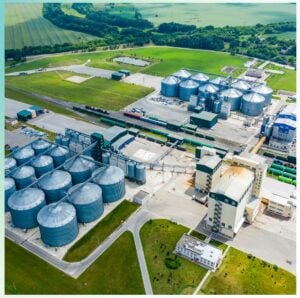
Frontier Infrastructure’s BECCS Facility
Why Ethanol BECCS Is Gaining Attention
BECCS combines renewable biomass with carbon capture technology.
Plants absorb carbon dioxide as they grow. When biomass like corn is processed into ethanol, that carbon is released. Capturing and storing those emissions creates net-negative emissions, meaning more carbon is removed than emitted.
Ethanol facilities are ideal for BECCS since they produce relatively pure CO₂ streams. This makes capture more affordable than in industries like cement or steel.
As governments strengthen carbon policies and companies pursue climate targets, ethanol BECCS is seen as a scalable source of durable carbon removal.
Durable Carbon Removal Demand Keeps Rising
The Frontier-Carbonfuture agreement comes as demand for permanent carbon removal grows, even amid downturns in voluntary carbon markets.
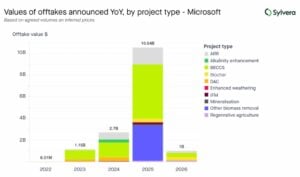
According to Sylvera’s Q2 2026 Carbon Data Snapshot, disclosed carbon removal volumes dropped sharply in the first half of 2026. This decline largely reflects lower purchases from Microsoft, not overall market weakness.
-
Excluding Microsoft, announced carbon removal purchases rose 73% year over year, showing broader corporate interest.
Sylvera estimates that companies following the Science Based Targets initiative (SBTi) may need around 55 million carbon credits annually by 2030. If more companies strengthen their climate goals, demand could exceed 1 billion carbon credits a year by 2035.
This expected demand far surpasses today’s supply of durable removals.
Supply Remains the Biggest Challenge
Despite rising buyer interest, permanent carbon removal projects are still scarce.
The latest State of Carbon Dioxide Removal report found that most global carbon removal comes from traditional methods like forests and soil management. Newer methods, such as:
- BECCS
- direct air capture
- biochar
- enhanced weathering and mineralization
They account for less than 1% of total carbon removal worldwide.
Sylvera also notes that the market increasingly rewards high-quality, durable projects. Buyers pay premiums for credits with strong verification, while investment-grade credits gain market share.
This tightening supply encourages companies to secure future carbon removals before projects begin. This helps developers finance construction while ensuring buyers access to limited future supplies.
Growing Competition for High-Integrity Credits
Large tech companies now lead the durable carbon removal market. They are signing agreements for millions of tons in BECCS, direct air capture, and biochar projects.
As more industries aim for net-zero goals, the competition for verified removals will increase. Buyers now prefer projects with permanent storage, clear monitoring, and independent verification instead of cheaper avoidance credits.
Frontier’s deal with Carbonfuture illustrates this shift. They combine carbon capture tools, rail transport, geological storage, and clear certification standards. Their goal is to provide a steady supply of high-quality carbon removal credits. This is crucial in a market facing major supply challenges.
If Project Sprint starts operations on time in late 2027, it could be one of North America’s largest ethanol-based BECCS projects. This will boost lasting carbon removals as corporate climate demands rise.