


The electric aviation market is heating up, and Archer Aviation Inc. (NYSE: ACHR) is leading the charge. Its stock surged over 35% in 2025, making it a key player in the electric vertical takeoff and landing (eVTOL) sector. Archer is at the intersection of clean mobility, ESG investing, and carbon markets.
Beyond flying taxis, Archer’s Midnight aircraft could cut Scope 3 emissions, enable tech-based carbon offsets, and provide low-emission transport solutions for companies, governments, and investors.
eVTOL Market Takes Off—and So Does ACHR Stock
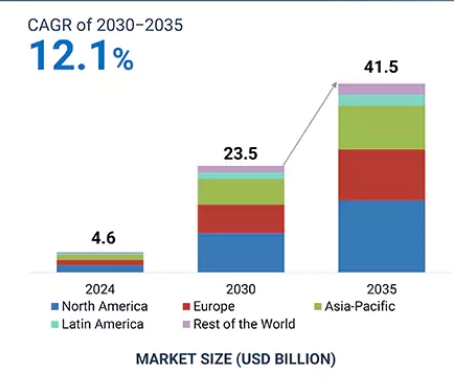
MarketsandMarkets says the urban air mobility (UAM) market will reach $23.4 billion by 2030. Archer stands out due to its rapid progress in certification, partnerships, and production.
Last month, Archer raised $850 million, boosting its liquidity to nearly $2 billion. This gives Archer the strongest financial position in the eVTOL industry.
In Q1 2025, Archer exceeded analyst expectations, posting an EPS of -$0.17 versus the forecasted -$0.28. With cash reserves of $1.03 billion and a $6 billion order book, the company now has a market cap of $6.57 billion and a Strong Buy consensus rating from analysts.
Archer partners with United Airlines, Palantir, Stellantis, and other global operators. This shows strong market support and readiness. Archer aims to create valuable carbon offsets by focusing on global carbon reduction goals.
Cutting-Edge Aircraft Design with Zero Emissions
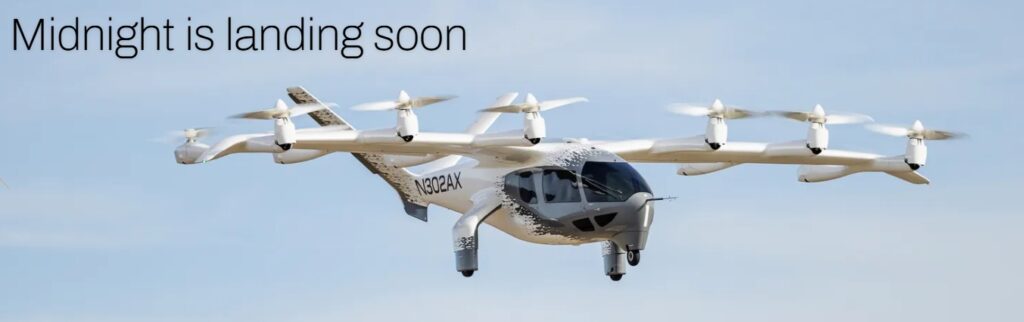
Archer’s Midnight eVTOL is a four-seat aircraft powered by six battery packs. This design enhances safety and ensures zero operational emissions. The company commits to renewable energy at all its vertiports, reinforcing its clean transport solution.
The company is a clean tech player creating carbon-efficient infrastructure. As cities invest in sustainable transit, Archer’s low-noise, zero-emissions air taxis can replace carbon-heavy helicopters and congested ground routes.
For instance, planned 5–15 minute air taxi routes between NYC and nearby airports could replace 1–2 hour car rides, boosting productivity and sustainability, especially for corporations addressing Scope 3 travel emissions under Science-Based Targets (SBTi).
A Carbon Credit Powerhouse in the Making
Carbon markets are shifting from nature-based solutions to technology-driven offsets that offer permanence, transparency, and additionality. Archer’s eVTOL emissions reductions meet these criteria:
-
Zero direct emissions during flight
-
Displacement of fossil-fuel travel on short regional routes
-
Integration with renewable energy in operations
-
Quantifiable, measurable environmental impact
These features enable Archer to generate premium offsets, which could command higher prices as the market matures.
The voluntary carbon market is expected to grow from $1.4 billion in 2024 to $35 billion by 2030 and potentially reach $200 billion by 2050. Archer is set to play a central role in the next wave of credit generation.
Certification Milestones and Global Scaling
Archer has secured its Part 135 Air Carrier Certificate, paving the way for commercial operations once FAA Type Certification is granted (expected by late 2025). This milestone will allow revenue-generating flights across major U.S. cities.
Manufacturing is ramping up. Archer’s Georgia facility aims for 2 aircraft per month by the end of 2025, with plans to scale further. With Stellantis’ supply chain capabilities, Archer is building a repeatable production model to meet growing demand.
Regulatory alignment is vital. Archer has been chosen as the official air taxi provider for the 2028 Los Angeles Olympics, increasing U.S. government confidence in the technology.
- READ MORE: Boosting Aviation Carbon Credits: ICAO Greenlights Verra’s VCS Program for CORSIA Carbon Market
Why ESG Investors Are Paying Attention to Archer?
Carbon-conscious investors are looking for reliable, scalable ways to cut emissions, and Archer delivers. Its Midnight eVTOL aircraft produces zero direct emissions during flight, making it a strong option for both sustainability and returns.
- Research shows that when fully loaded, eVTOLs emit 52% less than gas cars and 6% less than electric cars. If powered by renewable energy, their carbon footprint drops even further.
Additionally, most eVTOLs use lithium-ion batteries for short trips, but newer tech like lithium-sulfur, solid-state batteries, and hydrogen fuel cells could boost range and energy efficiency. As these technologies improve, eVTOLs will fly farther, use less energy, and play a key role in reducing transport emissions.
Turning Flight Emissions into Carbon Credit Gains
Archer Aviation is tackling short-haul flights, which make up 17% of airline emissions. Its zero-emission eVTOL aircraft can replace fossil fuel travel and cut carbon pollution. These reductions can turn into verifiable carbon credits. As carbon markets move toward tech-based offsets, Archer is in a strong position, similar to Joby Aviation’s deal with JetBlue.
For ESG investors, Archer offers real value. It has financial momentum, emissions-cutting technology, and clear ties to net-zero goals. Furthermore, it also gives carbon credit buyers, fund managers, and sustainability leaders a simple way to cut travel emissions and support a cleaner future.

Strategic Partnerships Driving Commercialization
Archer’s success relies on alliances with companies that understand the future of mobility
-
United Airlines plans to buy 200 Midnight aircraft and aims to launch services in NYC by 2026.
-
Stellantis, a key manufacturing partner, will support Archer’s facility in Georgia, targeting 650 aircraft per year by 2030.
-
Palantir is developing AI-powered aviation software to optimize routing, flight safety, and energy use.
-
The UAE’s Launch Edition Program marks international growth, with Abu Dhabi Aviation set to operate Archer aircraft, expecting delivery in Q4 2025.
-
Signed a $30 million agreement to deploy its Midnight aircraft with Ethiopian Airlines under its Launch Edition program.
Key Risks That Could Slow Archer Aviation’s Takeoff
Experts are also weighing in on the flip side of the coin. This means while Archer is gaining altitude, it faces challenges that could impact long-term growth. Regulatory approvals are crucial; delays in securing FAA Type Certification could postpone commercial launches and hurt investor confidence. Current battery technology limits aircraft range to 20–50 miles, restricting operational flexibility in early deployments.
The urban air mobility ecosystem lacks enough infrastructure. Vertiports, charging networks, and advanced air traffic systems must develop quickly to support Archer’s growth. Without this groundwork, widespread deployment could face hurdles.
Competition is increasing. Rivals like Joby Aviation and Lilium are advancing. Any breakthrough from a competitor could undermine Archer’s market share or delay its path to profitability.
Despite these risks, Archer’s strong financial position, strategic partnerships, and regulatory progress give it an edge in this emerging market.
Investing in the Future of Clean Flight
Archer Aviation is more than just an electric aircraft maker. It’s a climate tech company ready to lead sustainable urban mobility. With its zero-emission Midnight aircraft, strong partnerships, and progress in regulations, Archer aims to change short-range aviation and create new ESG value.
As carbon markets grow and the need for quality offsets rises, Archer’s tech-driven model stands out. It offers one of the most credible and scalable ways to reduce carbon in modern transportation.
Overall, for investors interested in ESG performance, emission reductions, and future mobility, ACHR stock deserves attention.