

Artificial intelligence (AI) is driving one of the biggest investment booms in technology history. However, it is also raising new questions about how that growth is being funded.
According to Bloomberg, Nvidia (NVDA Stock) has become part of an AI investment network worth up to $750 billion. The chipmaker has invested directly or indirectly in companies building AI data centers, cloud computing, and large language models. Many of those companies are also Nvidia’s biggest customers, buying billions of dollars’ worth of AI chips to expand their infrastructure.
The strategy has helped speed up AI development. But some analysts are beginning to ask whether the industry is creating a cycle in which companies finance one another’s growth. If AI demand slows, that model could face new pressure.
The debate comes as Nvidia remains at the center of the global AI boom. Demand for its graphics processing units (GPUs) continues to outpace supply, while governments and technology companies invest hundreds of billions of dollars to build the next generation of AI infrastructure.
Nvidia Is Investing Across the AI Ecosystem
Nvidia is no longer just selling chips. The company has become an active investor in the businesses building AI infrastructure. It has backed companies such as CoreWeave, Crusoe, Nebius, and Applied Digital. These firms build or operate AI data centers that rely heavily on Nvidia’s GPUs.
The company has also supported financing linked to OpenAI, whose rapid growth has fueled demand for advanced AI computing.
This strategy benefits both sides.
Infrastructure companies gain access to funding needed to build expensive AI facilities. Nvidia, in turn, creates more demand for its own hardware. The approach has helped expand AI capacity much faster than many analysts expected.
However, some investors are becoming more cautious. They worry that if AI companies rely too much on funding from partners in their ecosystem, financial risks could spread faster if investment slows down.
So far, demand remains strong.
Big Tech’s $330 Billion AI Spending Wave
The scale of AI investment is unlike anything the technology sector has seen before. The world’s largest technology companies continue to increase spending on AI infrastructure.
Microsoft expects to spend more than $190 billion on AI-enabled data centers during its 2026 fiscal year. Alphabet also plans about $190 billion in capital spending this year, much of it for AI infrastructure.
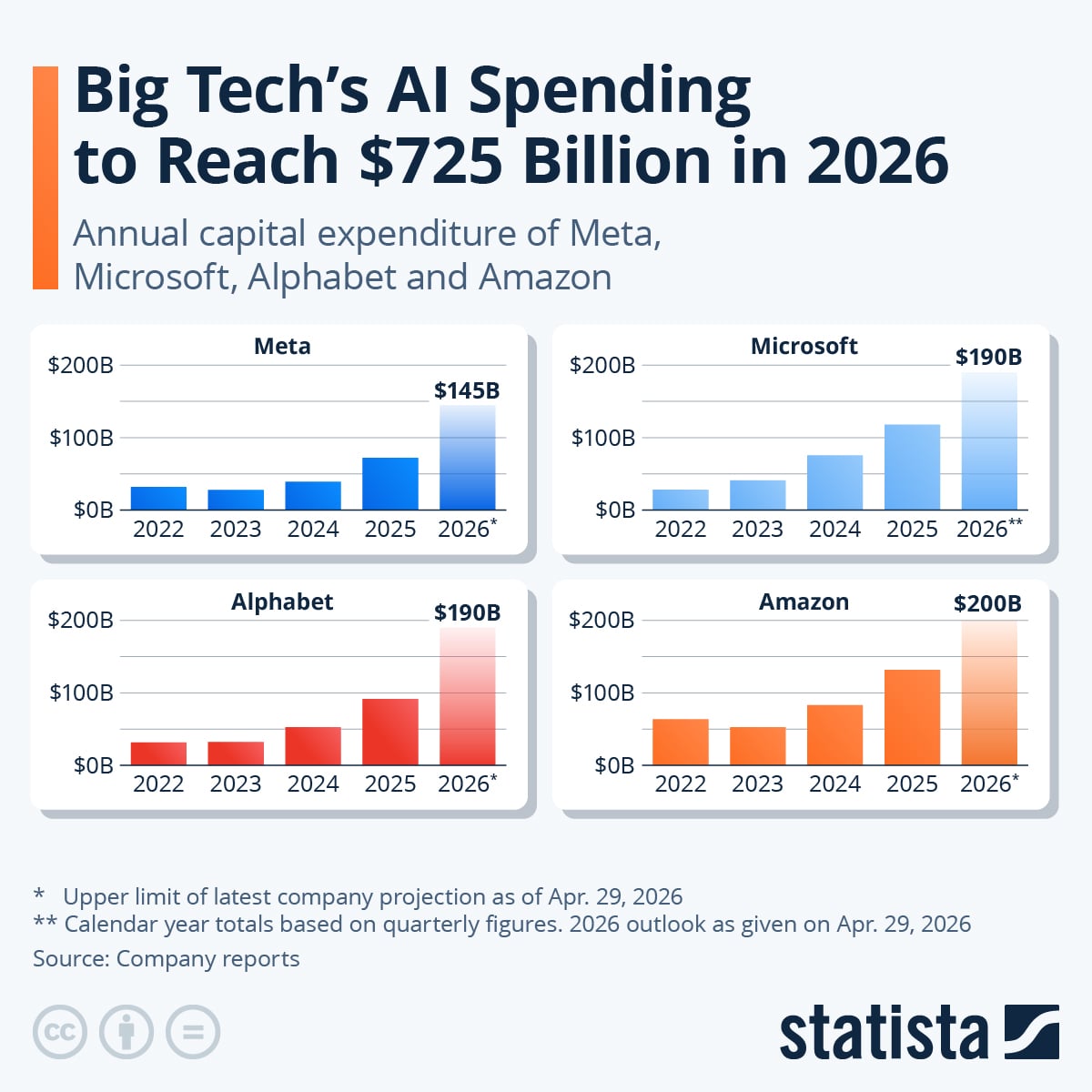
Meta has increased its 2026 capital spending forecast to $145 billion. Meanwhile, Amazon plans to spend about $200 billion this year, mainly on AI and cloud services.
- Together, these four companies alone could invest well over $725 billion in AI infrastructure during 2026.
Nvidia remains one of the biggest beneficiaries. For fiscal year 2026, the company reported $215.9 billion in revenue, up 65% from the previous year. Data center revenue reached $193.7 billion, accounting for over 89% of total sales.
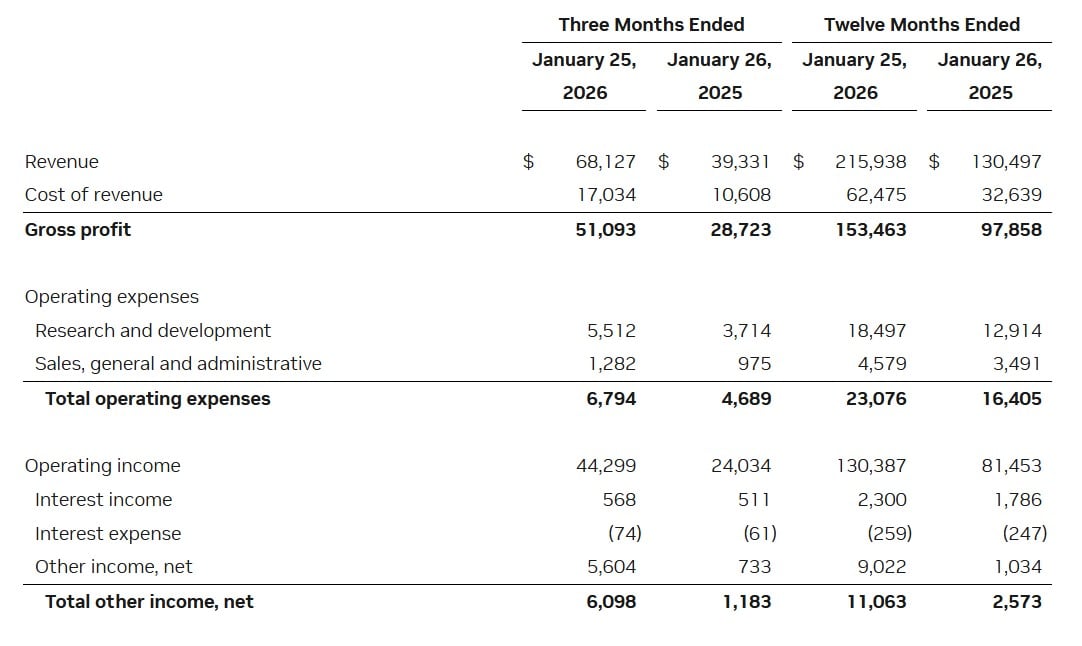
The rapid growth reflects soaring demand for Nvidia’s AI chips, especially its latest Blackwell platform. Still, industry forecasts suggest the investment wave is far from over.
The International Data Corporation (IDC) predicts that global spending on AI will top $630 billion by 2028. McKinsey & Company adds that AI-ready data centers may need hundreds of billions in extra investment over the next five years.
These numbers explain why Nvidia is investing across the AI ecosystem instead of simply supplying chips.
The company sees AI becoming one of the world’s largest technology markets. But as investment keeps accelerating, investors are also watching more closely to see whether spending, financing, and future revenues remain in balance.
Nvidia Stock Reflects Both Excitement and Caution
Nvidia’s shares have been highly volatile as investors weigh the huge opportunities in AI against the risks of heavy spending. Following the Bloomberg report on Nvidia’s AI investment network, the stock faced pressure.
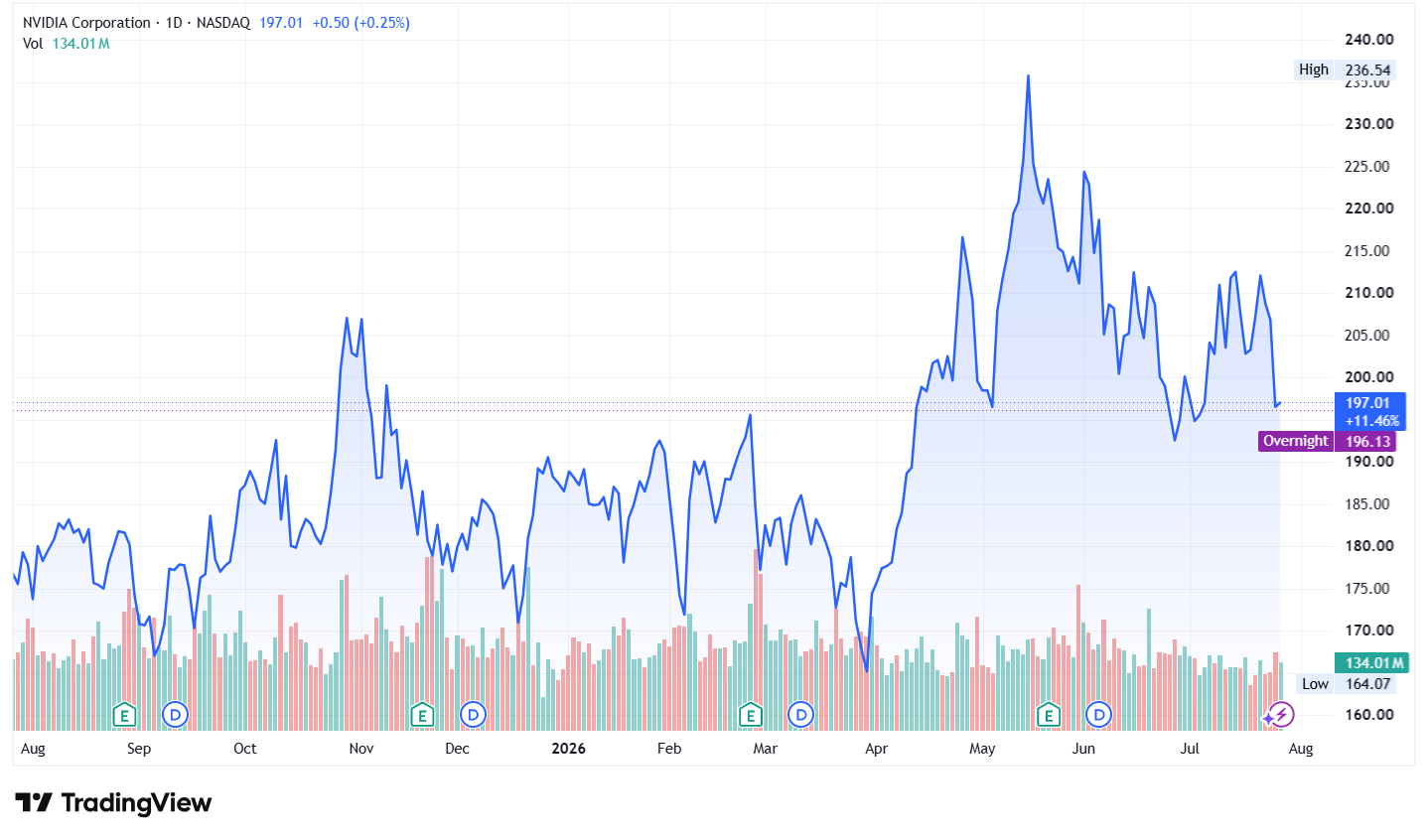
Some investors worried that the industry’s fast growth might create too much financial reliance among AI companies. Recent concerns about “circular financing” also contributed to a broader sell-off in AI and semiconductor stocks.
Even so, Nvidia remains one of the market’s biggest AI winners. Even with recent ups and downs, analysts still expect strong growth. Hyperscalers and businesses are investing a lot in AI infrastructure.
AI’s Biggest Challenge May Be Energy, Not Chips
Money is only part of the equation. AI also needs enormous amounts of electricity.
According to BloombergNEF, data centers could account for up to 20% of U.S. electricity consumption by 2035, up from about 4.4% in 2023. Much of that increase will come from AI computing, which requires far more power than traditional cloud services.
The International Energy Agency (IEA) also expects electricity demand from data centers worldwide to more than double by 2030. AI is expected to become the largest driver of that growth.
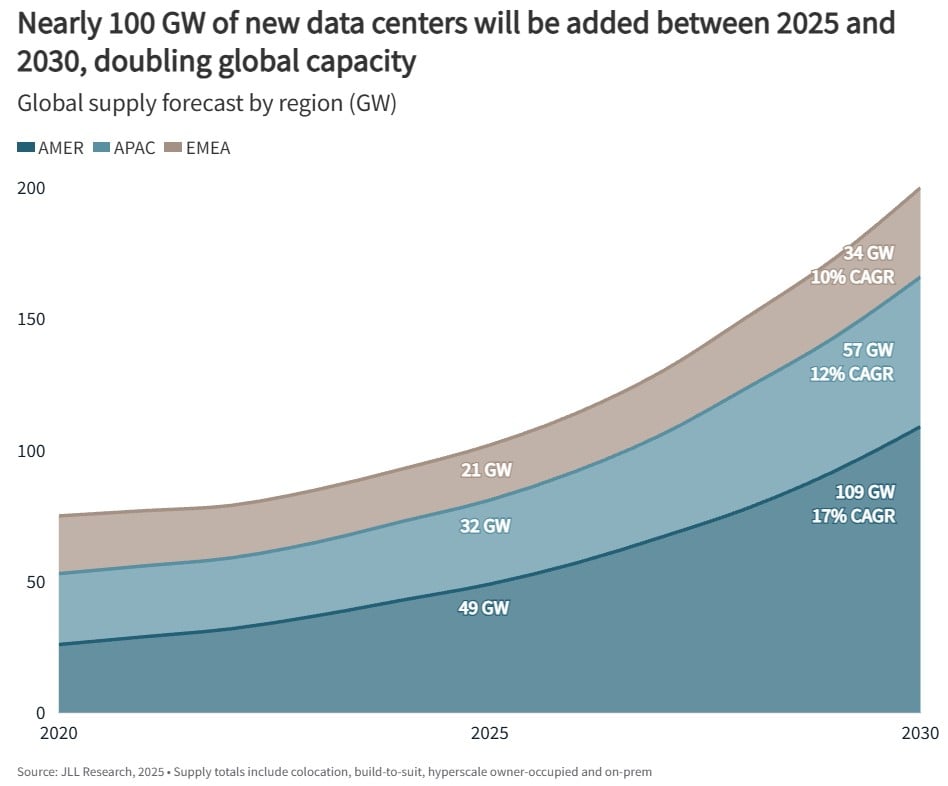
Meeting this demand will require billions of dollars in new power plants, transmission lines, battery storage, and clean energy projects. Technology companies are signing long-term deals for nuclear power, solar, wind, and battery storage. This helps them secure reliable electricity for future AI data centers.
Can Nvidia Grow AI Without Growing Its Carbon Footprint?
As AI grows, the world’s most valuable company faces increasing pressure to improve its own environmental performance.
Nvidia’s Fiscal Year 2026 Sustainability Report shows its market-based Scope 2 emissions edged up to 568 metric tons of CO2 equivalent. While this is an increase from the 0 metric tons reported in FY2025, Nvidia continues to keep its direct operational power footprint low by matching 100% of its global electricity use with clean energy sources.
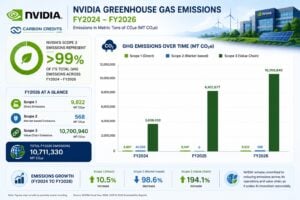
Scope 3 emissions—those from the supply chain and product lifecycle—climbed to 10.7 million metric tons of CO₂ equivalent. This rise shows the fast growth in manufacturing and customer demand.
The company is also improving the efficiency of its products.
Nvidia claims its new Blackwell AI platform offers much better AI performance. It also uses less energy for each computation compared to earlier versions. Improving energy efficiency is crucial now. Electricity costs are among the largest expenses for AI data centers.
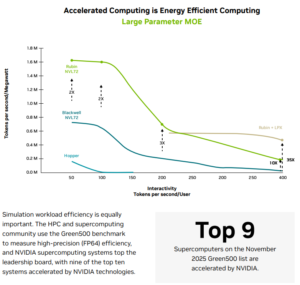
These efforts support Nvidia’s broader sustainability strategy while helping customers lower the energy needed to train and run advanced AI models.
The Next Test for AI Is Long-Term Value
The debate over Nvidia’s investment strategy continues to heat up. Supporters argue that building AI infrastructure now will create the foundation for decades of innovation.
Better AI could improve healthcare, manufacturing, transportation, scientific research, and energy management. Many analysts also believe demand for AI computing will remain strong as businesses continue adopting generative AI.
Critics are asking a different question: Can the industry keep investing at today’s pace without creating too much financial risk?
For Nvidia, the stakes are especially high. The company leads in AI hardware. Now, it also shapes the AI ecosystem through investments and technology.
That strategy could strengthen Nvidia’s leadership for years to come. Yet, it also means the company’s future is tied not only to selling chips, but to the long-term success of the entire AI economy.