

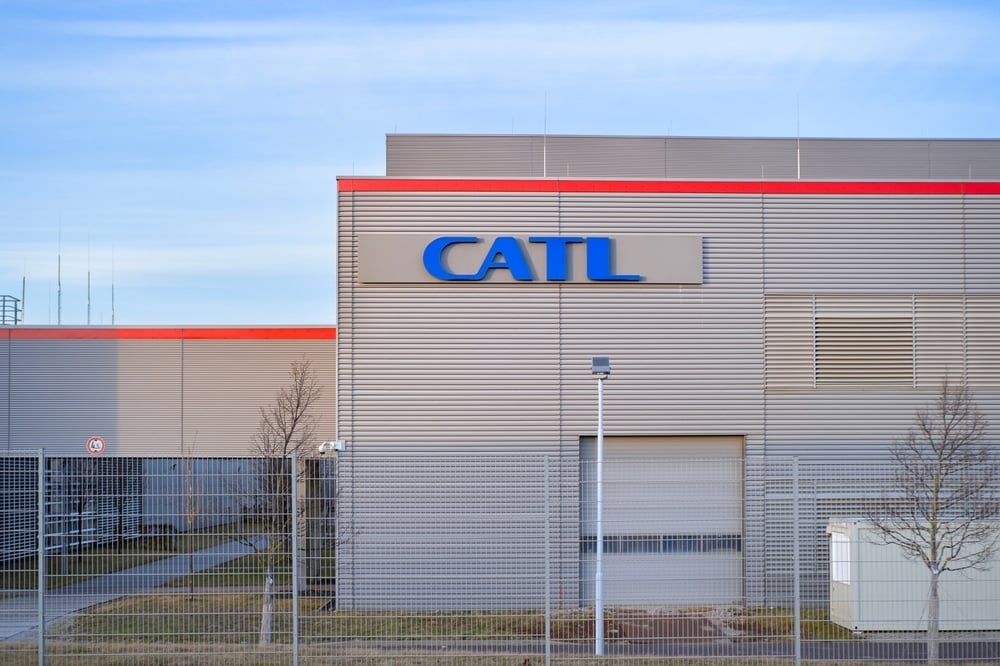
CATL’s Jianxiawo lithium mine has suffered another major setback, with Chinese regulators revoking its environmental impact assessment (EIA) approval and forcing the operation back into care and maintenance.
The development is important for the global lithium market because Jianxiawo is China’s largest lithium mine by planned capacity. Its prolonged shutdown comes at a time when lithium inventories have been falling, and prices have recovered sharply from their 2025 lows.
Benchmark Mineral Intelligence originally reported on September 1 that the mine’s EIA had been revoked. The licence setback subsequently highlighted the potential impact on China’s lithium supply.
Jianxiawo Faces Another Delay
The Jianxiawo mine is located in Yichun, Jiangxi province, a major lithium-producing region in China. The operation extracts lithium-bearing lepidolite, a lower-grade ore that has become increasingly important to China’s domestic battery-material supply chain.
The mine had already been offline since August 2025 after its mining permit expired. That shutdown followed tighter regulatory scrutiny of lithium operations in Jiangxi and changes affecting the classification and permitting of lithium resources.
Progress toward a restart appeared to accelerate in June 2026. CATL secured a safety production permit on June 29, removing what Benchmark had described as the final major official hurdle to restarting the mine.
That optimism did not last.
The operation briefly restarted in July but was subsequently placed back into care and maintenance. The latest problem is environmental approval. With the EIA revoked, Jianxiawo now needs to go through another environmental review before a meaningful restart can take place. Benchmark estimates the process could extend into the fourth quarter of 2026 or even 2027.
The issue also appears connected to concerns surrounding the mine’s tailings facilities and environmental management, making the approval process more significant than a simple administrative delay.
CATL’s Expected Lithium Output Has Been Cut
The biggest immediate consequence is the reduction in expected production.
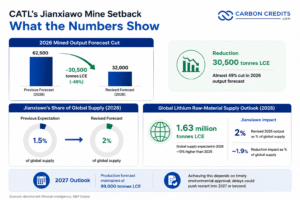
- Benchmark has cut its forecast for Jianxiawo’s 2026 mined output to 32,000 tonnes of lithium carbonate equivalent (LCE) from 62,500 tonnes LCE previously.
That is a reduction of 30,500 tonnes LCE, or almost 49%.
The revised figure is particularly significant because Jianxiawo was expected to become a major source of additional Chinese lithium supply following its restart. Benchmark had previously expected the mine to contribute roughly 1.5% of global mined lithium supply in 2026.
For perspective, S&P Global expects global lithium raw-material supply to reach about 1.63 million tonnes LCE in 2026, up roughly 10% from 2025. On that basis, Jianxiawo’s revised 32,000 tonnes would represent around 2% of global annual supply, while the 30,500-tonne reduction represents almost 1.9% of the global supply estimate.
The impact is therefore meaningful, even though the mine alone is not large enough to determine the global market balance.
Benchmark has kept its 2027 production forecast for Jianxiawo at approximately 99,000 tonnes LCE, suggesting that the current disruption does not necessarily mean the resource will remain offline permanently. However, that forecast becomes more difficult to achieve if environmental approval slips into next year.
What Does It Mean for Lithium Prices?
The timing is particularly important.
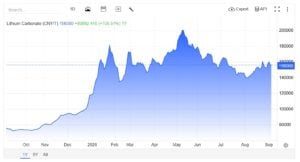
Lithium prices have already staged a major recovery in 2026. A market benchmark tracked by Trading Economics stood at around 156,000 yuan ($22,000) per tonne on September 3, up more than 105% from a year earlier. The price has also risen about 11% over the past month, showing how quickly sentiment has changed.
The Jianxiawo setback could add another bullish factor.
China’s battery-grade lithium carbonate and lithium hydroxide inventories have been declining since September 2025, according to Benchmark. Lower inventories make the market more sensitive to unexpected production losses because buyers have less material available to absorb supply disruptions.
That does not mean lithium prices will automatically surge.
Global supply is still expanding. S&P Global’s forecast is positive, and the market had previously been characterized by ample supply. New production from other mines can also partly offset Jianxiawo’s shortfall.
The more important question is therefore whether the mine remains offline for months or slips into 2027.
A Bigger Problem for China’s Lithium Supply
Jianxiawo matters beyond its individual production numbers because it highlights the growing regulatory risk surrounding China’s domestic lithium industry.
China dominates lithium refining and battery manufacturing, but some of its domestic ore resources are relatively challenging to process. Lepidolite operations in Jiangxi are particularly important because they provide feedstock for China’s enormous conversion industry.
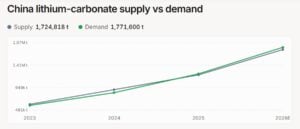
- SDIC Securities’ August 12, 2026 forecast puts China’s lithium carbonate supply at 1.725 million tonnes in 2026, compared with 1.208 million tonnes in 2025.
If environmental and permitting requirements continue to delay projects, domestic supply growth could become slower than expected.
That could force Chinese refiners and battery manufacturers to source more material from overseas producers. CATL has already been reported to seek alternative feedstock following previous disruptions at Jianxiawo.
The result could be higher competition for imported spodumene and lithium chemicals, potentially supporting prices outside China as well.
Lithium Market Could Become More Sensitive to Supply Shocks
The Jianxiawo setback does not create an immediate global lithium shortage. The revised 2026 production loss is relatively small compared with total global supply.
But markets rarely price commodities based only on current production.
Expectations matter.
- A restart at Jianxiawo was expected to bring a significant amount of additional supply into the market. Removing almost 30,500 tonnes LCE from that expectation changes the outlook, particularly when inventories are already tighter and battery demand remains strong.
Energy storage is also becoming an increasingly important source of lithium demand alongside electric vehicles. Strong battery demand means supply disruptions can have a larger effect on prices when producers and converters have limited inventories.
For now, the most likely impact is upward pressure rather than a full-blown lithium price shock. If Jianxiawo receives environmental approval and resumes production before the end of 2026, the market could absorb much of the lost output. If the review extends into 2027, however, traders may begin pricing in a more persistent supply constraint.
The bigger message is clear: Jianxiawo’s lithium is not lost, but its return to the market is no longer guaranteed on the timeline investors expected. With lithium prices already recovering and inventories tighter, another delay at one of China’s largest planned lithium mines could keep the market firmly focused on supply risk.