

Contemporary Amperex Technology Co. Limited (CATL), the world’s largest electric vehicle (EV) battery maker, reported a net profit of 20.74 billion yuan ($3.04 billion) in the first quarter of 2026. This marks a 48.52% increase year-on-year, supported by strong global demand for EV batteries.
Revenue also rose sharply. CATL generated 129.13 billion yuan ($17.9 billion) in the quarter, up 52.45% from a year earlier. The company’s performance reflects continued growth in EV adoption worldwide.
According to the International Energy Agency (IEA), global electric car sales hit 17 million units in 2024, accounting for about 20% of total car sales. This share is expected to keep rising through the decade, increasing demand for batteries and raw materials.
CATL’s strong financial results provide the capital needed to expand its operations and invest in long-term supply chain security.
A $4B Power Move: CATL Goes Straight to the Source
CATL also announced plans to create a new subsidiary with registered capital of 30 billion yuan (about $4.4 billion). The unit will focus on:
- Mineral resource exploration,
- Metal processing, and
- Chemical product sales.
This move marks a clear shift toward vertical integration, where companies control more of their supply chain from raw materials to finished products.
The new subsidiary will act as a central platform for CATL’s mining operations. It will manage existing investments and support new projects both in China and overseas.
Battery production depends heavily on materials such as lithium, nickel, cobalt, and manganese. Prices for these materials can be volatile, which affects battery costs.
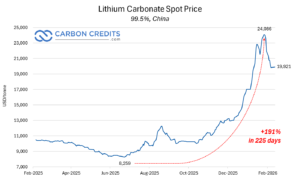
For example, lithium carbonate prices in China dropped to about 60,000 yuan per ton in 2025. Then, they bounced back to between 160,000 and 165,000 yuan per ton in early 2026, according to industry trading data. This volatility has pushed battery makers to secure direct access to resources.
By investing in mining, CATL aims to reduce exposure to price swings and ensure a stable supply.
From Congo to Indonesia: CATL Builds a Global Resource Empire
The battery giant has already built a global portfolio of mining assets. These include investments in:
- Copper and cobalt projects in the Democratic Republic of Congo,
- Nickel operations in Indonesia, and
- Lithium projects across multiple regions.
The new subsidiary will consolidate these assets under one structure. It will also allow faster decision-making and better coordination across projects. This strategy reflects a broader trend in the battery industry. Companies are moving upstream to secure raw materials as demand rises.
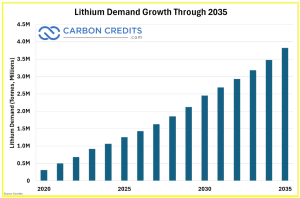
According to the IEA, demand for critical minerals used in clean energy technologies could more than double by 2030 under current policies. Lithium demand alone could grow even faster due to battery use.
Supply constraints have already affected EV production and battery costs. Securing long-term access to materials has become a key competitive advantage.
Bringing in a Mining Veteran to De-Risk a High-Stakes Bet
To support its expansion, CATL has appointed Chen Jinghe as an adviser for its mining business. Chen is the former chairman of Zijin Mining, one of China’s largest mining companies. He led the firm for more than 30 years, helping it grow into a global player with operations across Asia, Africa, and South America.
His experience includes managing large-scale mining projects, navigating international regulations, and addressing environmental and social issues.
Mining projects often take years to develop and require strong local partnerships. By bringing in experienced leadership, CATL aims to reduce risks and improve project execution.
This decision shows that the company views mining as a core part of its long-term strategy, not just a supporting function.
Market Leadership Remains Strong Amid Rising Competition
CATL continues to lead the global EV battery market. In early 2026, the company held a 42.1% market share, based on installation data from industry trackers.
Battery installations reached 56.9 gigawatt-hours (GWh) in the first two months of the year, up 13.7% from 50.0 GWh in the same period in 2025. For full-year 2025, CATL reported 464.7 GWh of battery installations, representing 35.7% growth year-on-year.
The company stated during the investors’ call that:
“Energy storage segment accounted for about 25% of the total sales, showing a significant increase compared to the previous period… And in the short term, the uncertainty in crude oil supply and oil prices will increase, making consumers more inclined to use electrified products.”
Its market share stood at 39.2%, far ahead of competitors. Key rivals include LG Energy Solution, SK Innovation, BYD, and CALB.
Competition is increasing as more companies invest in battery production. Automakers are also building their own battery supply chains. This makes cost control more important. By securing raw materials, CATL can protect its margins and maintain pricing power.
Financial Strength Supports Long-Term Investment
Stable profits and cash flow allow CATL to invest in long-term projects such as mining, which may take years to generate returns. This financial strength also gives the company flexibility to respond to market changes and invest in new technologies.
CATL shares rose as much as 10.3% in early Hong Kong trading and as much as 6.7% in Shenzhen following the news, reflecting investor confidence in the company’s strategy to secure critical minerals and protect long-term margins.
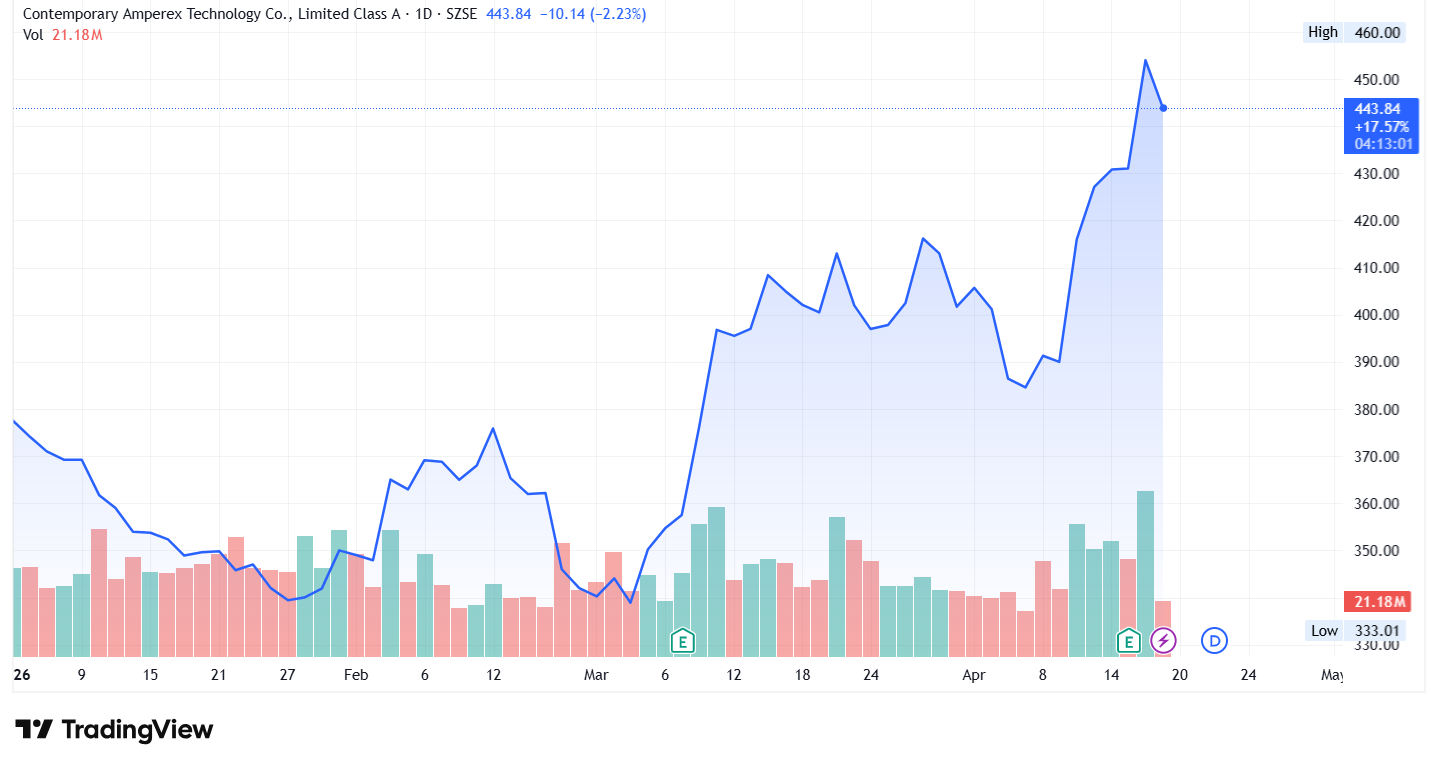
The gain highlights how markets are rewarding battery makers that move upstream to reduce supply risks and stabilize costs in an increasingly competitive EV sector.
Clean Energy, Dirty Mining? CATL Faces the ESG Balancing Act
Battery supply chains face increasing scrutiny over issues such as carbon emissions, water use, and labor practices. Mining activities, especially for cobalt and nickel, have raised concerns in some regions.
By taking direct control of mining operations, CATL can apply stricter environmental and social standards. This may improve transparency and reduce risks linked to third-party suppliers.
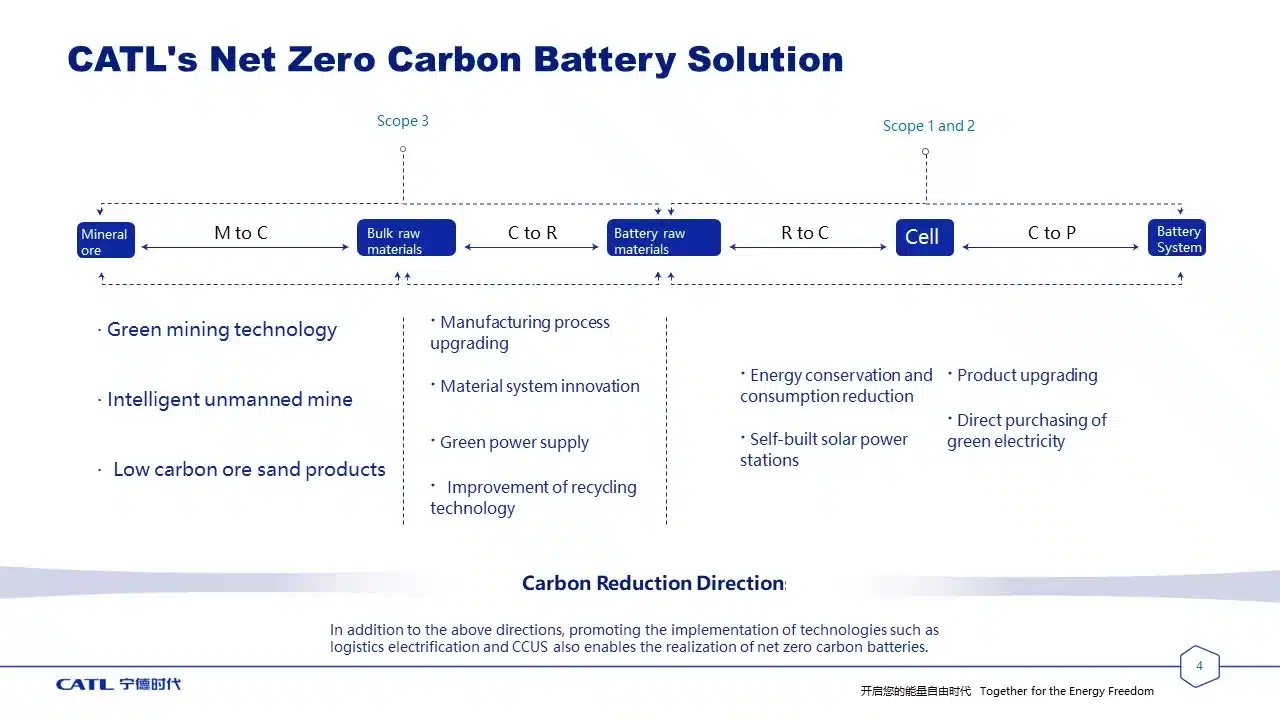
The battery titan has also committed to improving sustainability across its operations. The company reports it has already achieved carbon neutrality in its core operations by 2025, ahead of its broader 2035 supply-chain target. This reflects ongoing emissions reductions across production sites and a shift toward cleaner energy use.
-
Energy efficiency in manufacturing
CATL is boosting energy efficiency. They use smart manufacturing systems, AI for production optimization, and upgrades in their global “lighthouse” factories. These facilities cut energy use for each battery and boost output. They also help to lower waste.
The company has implemented many energy-saving measures. This has reduced its use of electricity, gas, and steam. It is also increasing its use of renewable and low-carbon electricity, helping reduce reliance on fossil fuels for power.
-
Renewable energy expansion
Renewables are a key part of CATL’s operations strategy. The company is boosting its use of renewable electricity. It is adding wind, solar, and other clean energy sources to its manufacturing hubs and zero-carbon industrial park projects.
It also supports grid innovation through source–grid–load–storage systems and energy storage technologies that help stabilise renewable-heavy power systems.
-
Lifecycle emissions reduction
CATL is also reducing emissions across the full battery lifecycle—from raw materials to recycling. In 2025, it processed about 210,000 tonnes of spent batteries, recovering valuable materials such as lithium salts for reuse in new production. This reduces reliance on virgin mining and lowers upstream emissions.
Battery technology plays a key role in decarbonization. EVs produce zero tailpipe emissions, and when powered by clean electricity, they can significantly reduce overall transport emissions.
According to the IEA, transport accounts for about 24% of global energy-related CO₂ emissions. Expanding EV adoption is essential to meeting climate targets.
From Battery King to Resource Titan: CATL’s Next Evolution
CATL’s strong earnings and new mining subsidiary mark a major step in its evolution. The company is moving beyond battery manufacturing to control more of the supply chain. This strategy aims to reduce costs, secure materials, and strengthen its global position.
With EV demand rising and competition increasing, access to critical minerals will remain a key factor in success.
CATL’s approach reflects a broader shift across the industry. As the energy transition accelerates, companies are building more integrated and resilient supply chains.