


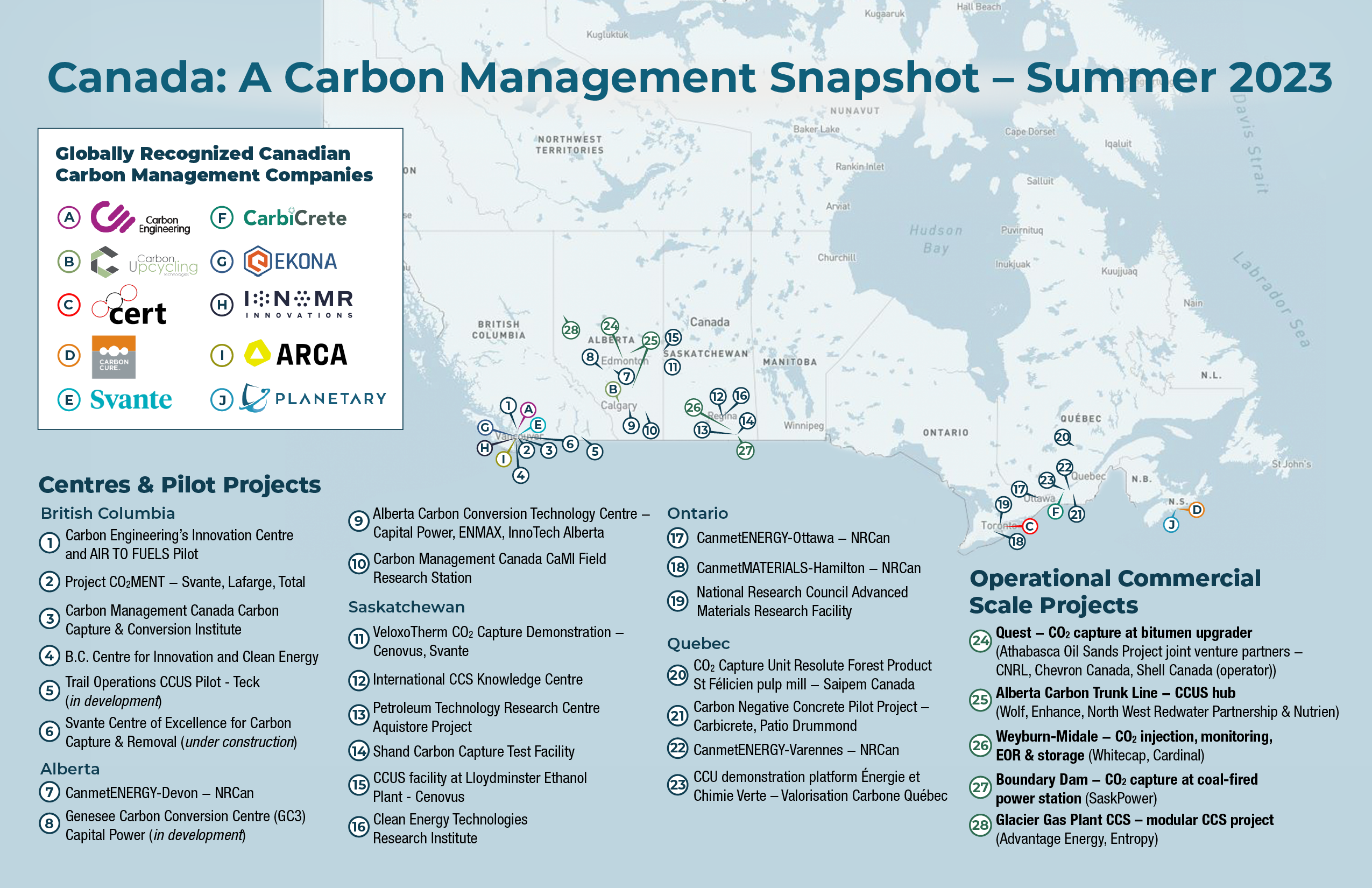
The carbon removal industry is expanding fast, with new projects moving from the pilot stage to the commercial scale. Companies are racing to build infrastructure that can permanently remove carbon dioxide from the atmosphere. One of them is a Canadian carbon management company, Svante Technologies, which announced that it acquired Carbon Alpha Corporation. This move brings together carbon capture technology with carbon dioxide removal (CDR) project development.
The acquisition strengthens Svante’s role in the carbon capture and storage (CCS) value chain. It also adds Carbon Alpha’s development portfolio to Svante’s operations.
Claude Letourneau, President & CEO of Svante, remarked:
“This project is a game-changer for Svante and a pivotal moment for scaling verifiable, durable engineered carbon removal solutions working in tandem with nature. By integrating Carbon Alpha’s team, we’re accelerating the delivery of high‑integrity CDR credits at commercial scale in partnership with the MLTC leadership, who is closely coordinating with us on the North Star Project.”
The North Star Project: A New Source of Carbon Removal Credits
The key asset in the deal is the North Star Bioenergy Carbon Capture and Storage (BECCS) project in Saskatchewan. The facility will capture carbon dioxide from the Meadow Lake Tribal Council Bioenergy Centre. This is how it works:
- This plant produces renewable electricity and heat using forestry waste biomass from nearby sawmills.
- Phase one of the project is designed to capture up to 140,000 tonnes of CO₂ per year from biomass combustion emissions.
- The captured carbon dioxide will move through a dedicated pipeline to a deep saline aquifer. There, it will be stored permanently underground.
This process removes carbon from the natural cycle because biomass absorbs CO₂ while growing. Capturing and storing that carbon after combustion results in net negative emissions.
The project will generate durable carbon dioxide removal credits. Each credit represents one ton of CO₂ removed. These credits can be sold to companies seeking verified carbon removal to meet climate targets.
Carbon Alpha had already developed the project structure and storage system before the acquisition. Svante now takes over development and integration. The next step will be a front-end engineering design (FEED) study and test-well drilling program. A final investment decision is expected in early 2027.
Industry analysts say deals like this show how the carbon removal sector is shifting from research to deployment. Companies are now building full systems that include capture, transport, and long-term storage.
Building an End-to-End Carbon Management Platform
The acquisition expands Svante’s strategy to build an integrated carbon management company. It develops modular carbon capture systems that use nanoengineered solid sorbent filters to capture CO₂ from industrial emissions.
The technology is designed for industries that are difficult to decarbonize. These include cement, steel, hydrogen production, and power generation.
Before the acquisition, Svante already had expertise in capture technology. Carbon Alpha adds expertise in project development, geological storage, and carbon credit generation. This combination creates a full value chain for CCS in Canada:
- Capture CO₂ from industrial sources or biomass energy
- Transport the CO₂ through pipelines
- Store the carbon permanently underground
- Generate verified carbon removal credits
Industry experts say this type of integration is important. Carbon removal projects often fail because separate companies handle capture, storage, and financing.
The strategic acquisition includes Carbon Alpha’s development expertise, North Star Carbon Solutions LP’s ownership structure, and eligibility for Canada’s 50% CCUS investment tax credit, positioning Svante to scale multiple BECCS projects rapidly.
By combining these elements, Svante aims to scale projects faster.
First Nations Partnership Anchors the Project in Saskatchewan
The North Star project is being developed in partnership with the Meadow Lake Tribal Council (MLTC). The organization represents nine First Nations communities in northwest Saskatchewan.
Under the project structure, MLTC will be a co-owner of the BECCS facility alongside Svante. The partnership focuses on three main goals: local economic development, job creation, and long-term environmental leadership.
The bioenergy facility already produces renewable electricity and heat using forestry residues. The carbon capture system adds another layer of value. It turns the facility into a carbon removal hub that can produce verified CDR credits.
The project also includes the development of a regional CO₂ pipeline and storage hub. This infrastructure could support other emitters in the region.
Biogenic carbon sources from forestry, agriculture, or bioenergy plants could connect to the same storage network. This approach could turn the region into a carbon removal cluster.
Global Demand for Carbon Removal Is Rising Fast
The acquisition comes at a time when demand for carbon removal is increasing worldwide. Most countries now include carbon removal in long-term climate plans. Industry groups expect global carbon removal markets to reach hundreds of millions of tonnes of capacity by the 2030s.

Boston Consulting Group (BCG) outlines three demand scenarios for 2030–2040: low (40–80 MtCO₂/year), medium (70–230 MtCO₂/year), and high (200–870 MtCO₂/year). McKinsey also estimates durable CDR demand could hit 100 MtCO₂ by 2030, with announced supply at ~50 MtCO₂, creating a supply-demand gap.
The Intergovernmental Panel on Climate Change says that limiting global warming to 1.5°C will require removing billions of tonnes of CO₂ annually by mid-century. Many climate models further show that 5 to 10 billion tonnes of carbon removal per year may be needed by 2050. That translates to between $6 – $16 trillion of investment by mid-century.

Today, global carbon removal capacity is still very small. Most engineered projects remove only thousands or tens of thousands of tonnes annually.
However, investment is rising quickly. Major corporations such as Microsoft, Stripe, and Alphabet have signed large contracts for high-quality carbon removal credits.
Governments are also supporting the sector. In Canada, carbon capture projects can receive financial support through the CCUS investment tax credit. This covers up to 50% of eligible capture equipment costs, depending on project type. These incentives aim to help scale early infrastructure.
At 140,000 tCO₂/year, North Star Phase 1 represents about 35x the capacity of Climeworks‘ Orca plant. It also aligns with Microsoft‘s annual CDR purchasing scale, demonstrating commercial viability for durable removal credits.
Why BECCS Is a Key Carbon Removal Technology
Bioenergy with carbon capture and storage is one of the most widely studied carbon removal technologies. BECCS combines three steps:
- Biomass absorbs CO₂ while growing.
- The biomass is used to produce energy.
- Carbon emissions are captured and stored underground.
This creates net negative emissions. The technology also produces electricity or heat, which can improve project economics. However, large-scale BECCS projects require several conditions, including:
- sustainable biomass supply
- reliable geological storage
- carbon capture technology
- carbon credit markets
North Star aims to bring these elements together.
Canada has strong potential for BECCS development because of its forestry resources and suitable geological formations. Western Canada already hosts major CCS infrastructure. For example, large carbon storage reservoirs exist in Alberta and Saskatchewan.
Map of Canada showing saline formations and sedimentary basins

This geological capacity could store billions of tonnes of CO₂ over time. Developers say regional storage hubs will be essential for scaling carbon removal.
The Next Phase for Carbon Removal Infrastructure
The acquisition of Carbon Alpha marks an important step in the industrialization of carbon removal. Instead of isolated pilot projects, companies are now building complete carbon management systems.
For Svante, the deal strengthens its ability to build and operate large carbon removal projects. For the broader market, it shows how carbon removal is moving from concept to infrastructure.
As governments and companies push toward net-zero targets, the demand for durable carbon removal credits is expected to keep rising. Projects like North Star may become an important part of the global climate strategy.