


Artificial intelligence is growing quickly, and so is the need for data centers. These facilities power AI tools, cloud computing, and daily online services. However, they also use large amounts of electricity, water, and materials.
A new initiative aims to make data centers more sustainable and help climate-focused startups grow.
Elemental Impact, a nonprofit investor in climate technologies, launched the Data Center Innovation Initiative (DCII). This program unites major tech companies like Amazon, Google, Meta, and Microsoft to support new clean energy and industrial technologies.
The initiative plans to invest $500,000 to $5 million in up to 10 startups by 2027. These companies will test new technologies in data centers or at demonstration sites. The goal is to prove these solutions can work at scale and later expand them to other industries.
Why AI Data Centers Are Consuming Record Levels of Power
The rapid rise of AI is driving a major infrastructure boom. AI systems need powerful processors and advanced computing gear. These systems run in massive data centers that operate 24/7.
As AI use grows worldwide, electricity demand is surging.
- A recent United Nations report predicts global electricity demand could increase by over 10,000 terawatt-hours by 2035. This is roughly equal to the total electricity use of all advanced economies today.
Data centers are a key reason for this surge.
- The International Energy Agency (IEA) estimates that data centers consumed around 415 terawatt-hours (TWh) of electricity globally in 2024. In 2023, they used about 240 TWh. This means electricity use jumped nearly 73% in just one year, mainly due to AI growth.
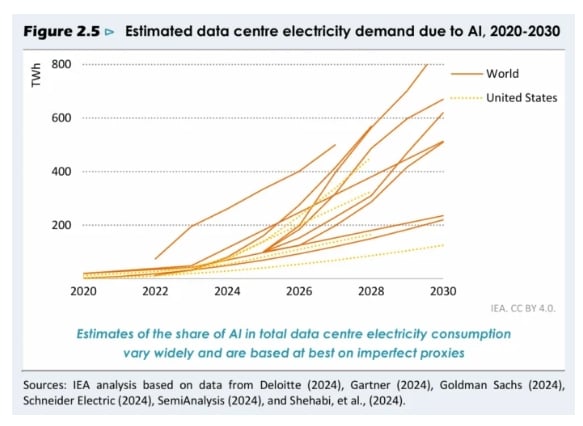
This rapid increase forces governments, utilities, and tech companies to rethink power systems.
The IEA expects data centers to drive over 20% of electricity demand growth in advanced economies by 2030. In the U.S., they could account for nearly half of all future power demand growth during that time.
Countries with major AI hubs, like the U.S., China, and parts of Europe, face rising pressure on their power grids. Utilities must add new power generation, upgrade transmission systems, and secure cleaner electricity supplies to meet future demand.
A New Push for Cleaner Infrastructure
Elemental Impact believes data centers can test climate technologies that will spread across the economy.
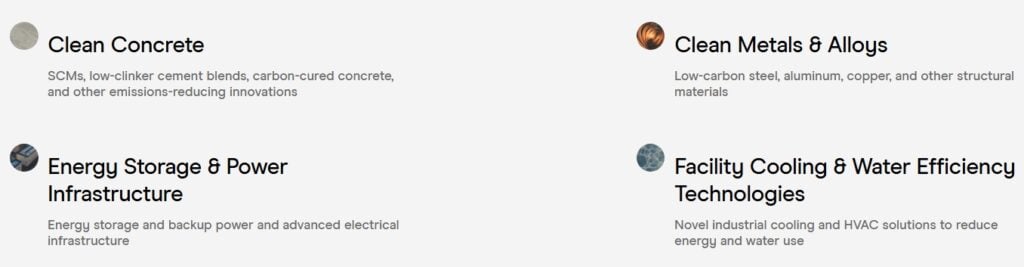
The DCII focuses on several key areas:
- Energy storage systems
- Advanced electrical infrastructure
- Low-carbon construction materials
- Cooling technologies that reduce water and electricity use
- Clean energy solutions that enhance grid reliability
These technologies will first be tested in real data center settings. If successful, they could later support schools, hospitals, factories, and communities needing reliable energy.
Dawn Lippert, CEO and founder of Elemental Impact, said the rapid growth of data centers offers a unique chance to speed up essential climate technologies.
She explained that partnerships with major tech firms can help entrepreneurs commercialize innovations faster while lowering emissions and improving local energy systems.
Unlike many climate programs focusing only on research, the DCII emphasizes deployment. The initiative aims to move technologies from early development to real-world use.
Big Tech Companies Back the Initiative
Amazon, Google, Meta, and Microsoft will play active roles in the initiative. These companies will help identify key technology areas, evaluate projects, and test selected technologies in their operations.
They also plan to share lessons learned with the wider industry.
Microsoft’s Chief Sustainability Officer, Melanie Nakagawa, said sustainable data center design is one of the fastest-growing opportunities for clean technology. She added that Microsoft wants to scale solutions that improve reliability, lower emissions, and strengthen communities.
Google’s Chief Sustainability Officer, Kate Brandt, stressed that partnerships are vital for tackling climate challenges. She noted the company aims to create markets for new clean energy and sustainability technologies.
Amazon highlighted its experience in enhancing energy and water efficiency across its data centers. The company believes the initiative can help develop a shared industry playbook for scaling technologies like carbon-free power and advanced cooling systems.
Meta emphasized data centers’ role in supporting sustainable materials and clean energy innovation.
Renewable Energy Will Play a Major Role
The growth of AI and digital infrastructure is straining global energy systems. At the same time, countries aim to reduce emissions and move away from fossil fuels.
This means renewable energy will be increasingly important.
Solar and wind power currently lead new electricity generation worldwide. In 2023, global solar capacity grew by over 32%. Total renewable energy capacity also surpassed 4,400 gigawatts.
These clean energy sources help meet rising demand from data centers and other sectors like transportation and manufacturing.
Still, experts warn that renewable growth alone may not suffice. Global electricity demand could increase by about 30% by 2035. AI growth, electric vehicles, industrial electrification, and population growth all contribute to this rise.
To meet future demand while cutting emissions, countries will likely need a mix of renewable energy, energy storage, grid upgrades, and possibly nuclear power.
Corporate Demand Drives Clean Energy Growth
The expansion of AI is no longer just a tech story. It is also an energy and infrastructure challenge. And data centers drive this transformation. Their rapid growth boosts electricity demand, speeds up grid investments, and opens new doors for climate innovation.
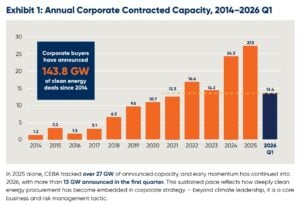
Companies are playing a major role in expanding clean energy in the U.S. Since 2014, CEBA has tracked over 143.8 gigawatts (GW) of clean energy deals. These projects include solar, wind, nuclear, battery storage, and other carbon-free technologies.
Despite economic and market challenges, 2025 became the second straight record year for new clean energy capacity announcements in the country.
Elemental Impact Pushes Community-Driven Growth for Sustainable Data Centers
Elemental Impact emphasizes the initiative’s focus on local economic and environmental benefits.
The nonprofit plans to work closely with communities where projects are developed. This includes supporting workforce development, clearly communicating project benefits, and involving local stakeholders early in the process.
According to Elemental, 98% of companies in its current portfolio say community partnerships have been key to their success. This approach may help reduce resistance to new infrastructure projects while creating jobs and improving energy access.
The initiative also aims to lower risks for future technology adopters. Documenting project results and sharing performance data can boost other companies’ confidence. This may encourage them to invest in similar technologies.
In conclusion, the Data Center Innovation Initiative reflects a broader shift in the tech industry. Companies are no longer focused solely on powering AI growth. They are also seeking ways to make that growth cleaner, more efficient, and more sustainable.