

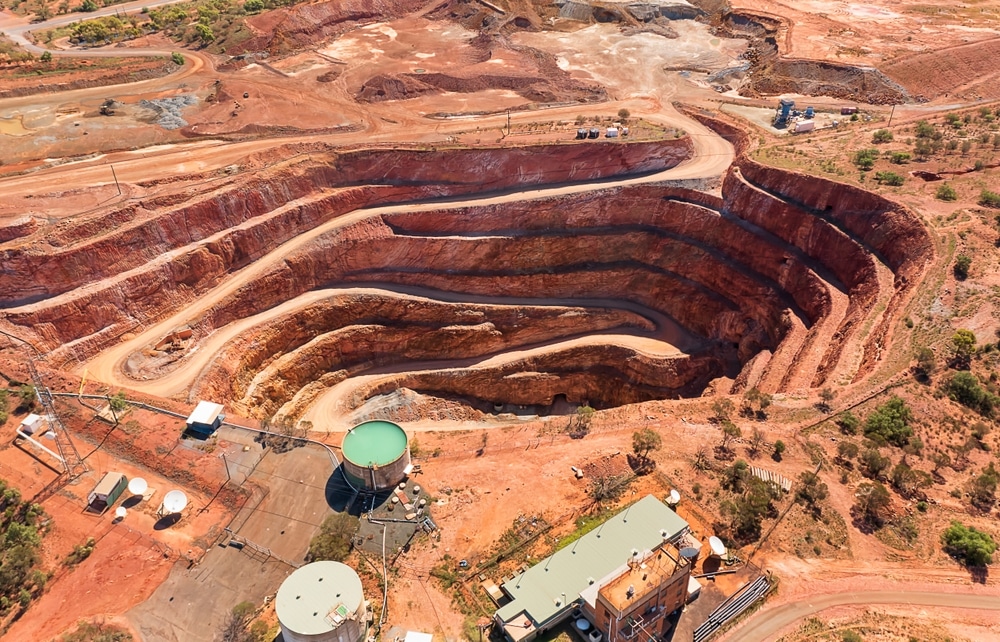
The surge in copper demand is driven by its pivotal role in renewable energy generation, electric vehicles, and grid infrastructure crucial for achieving net zero emissions. Market dynamics and global supply concerns have propelled copper prices upward, with top companies witnessing significant growth.
Copper Surge and Market Dynamics
One key event that influenced copper market dynamics was the closure of the Cobre Panama mine, a substantial global copper source. This closure shifted market expectations from surplus to deficit, contributing to the upward trajectory of copper prices.
Additionally, in March, Chinese smelters decided to reduce output amid a concentrate shortage, further boosting prices.
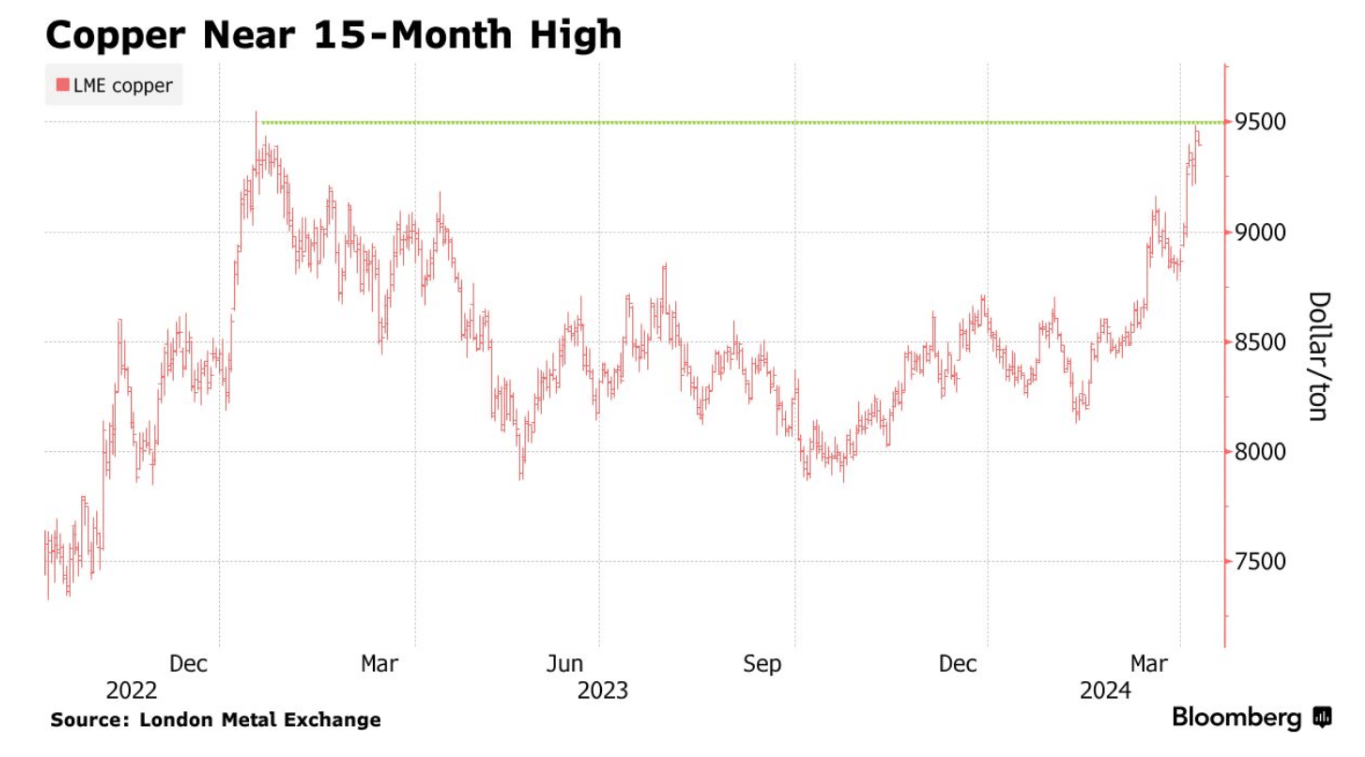
Market analysts attribute this trend to a combination of speculative buying and genuine supply constraints, suggesting the potential for a sustained bullish market for copper. Many copper-focused equities are currently trading at or near their 52-week highs, indicating investor confidence in the sector’s future prospects.
While the rally in copper prices is encouraging for investors, analysts caution that the market needs to validate this trend beyond short-term momentum. The sector’s performance could significantly impact earnings, particularly if copper maintains its price above $4 per pound.
Copper’s significance in the transition to net zero emissions cannot be overstated. Its indispensable properties, including high electrical conductivity, thermal efficiency, and recyclability, make it vital for renewable energy systems, electric vehicles, and infrastructure development.
Renewable energy technologies, such as solar photovoltaics and wind turbines, require significant amounts of copper for efficient transmission and distribution of electricity. Electric vehicles also rely heavily on copper for components like motors, inverters, and electrical wiring.
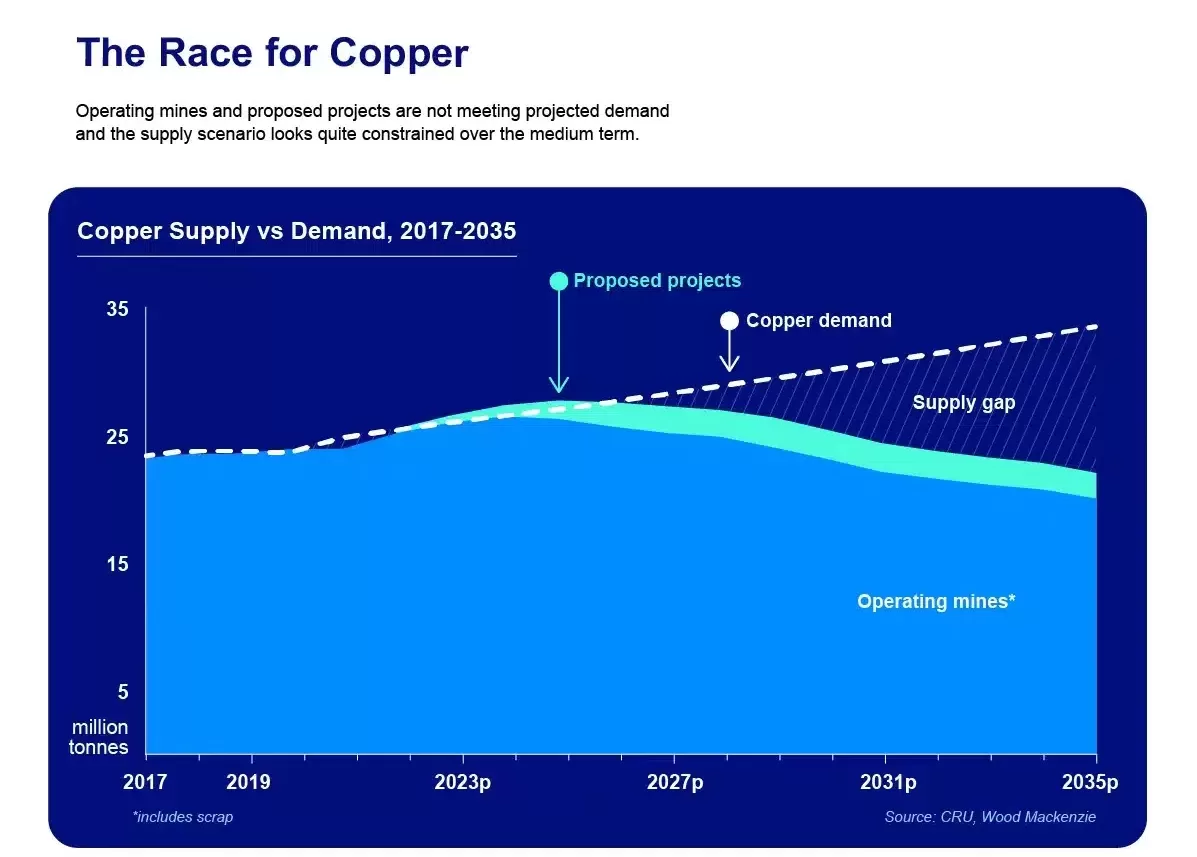
Despite its critical role, the demand for copper is projected to outpace supply growth, leading to concerns about potential shortages. Addressing these challenges requires strategic investments in copper production and recycling to support the global shift toward sustainable energy sources and achieve net zero emissions goals.
Driving Decarbonization Efforts
Despite the availability of more cost-effective alternatives like aluminum, copper remains unparalleled in its efficiency and effectiveness for various applications critical for decarbonization efforts.
From household appliances to EVs and renewable energy infrastructure, copper is everywhere. The average car contains about 65 pounds (29 kilograms) of copper, while a typical household boasts over 400 pounds.
However, it’s in the construction of advanced grid systems capable of managing electricity from decentralized renewable sources where copper truly shines. Solar and wind farms, covering vast areas, require more copper per unit of power generated compared to traditional power stations.
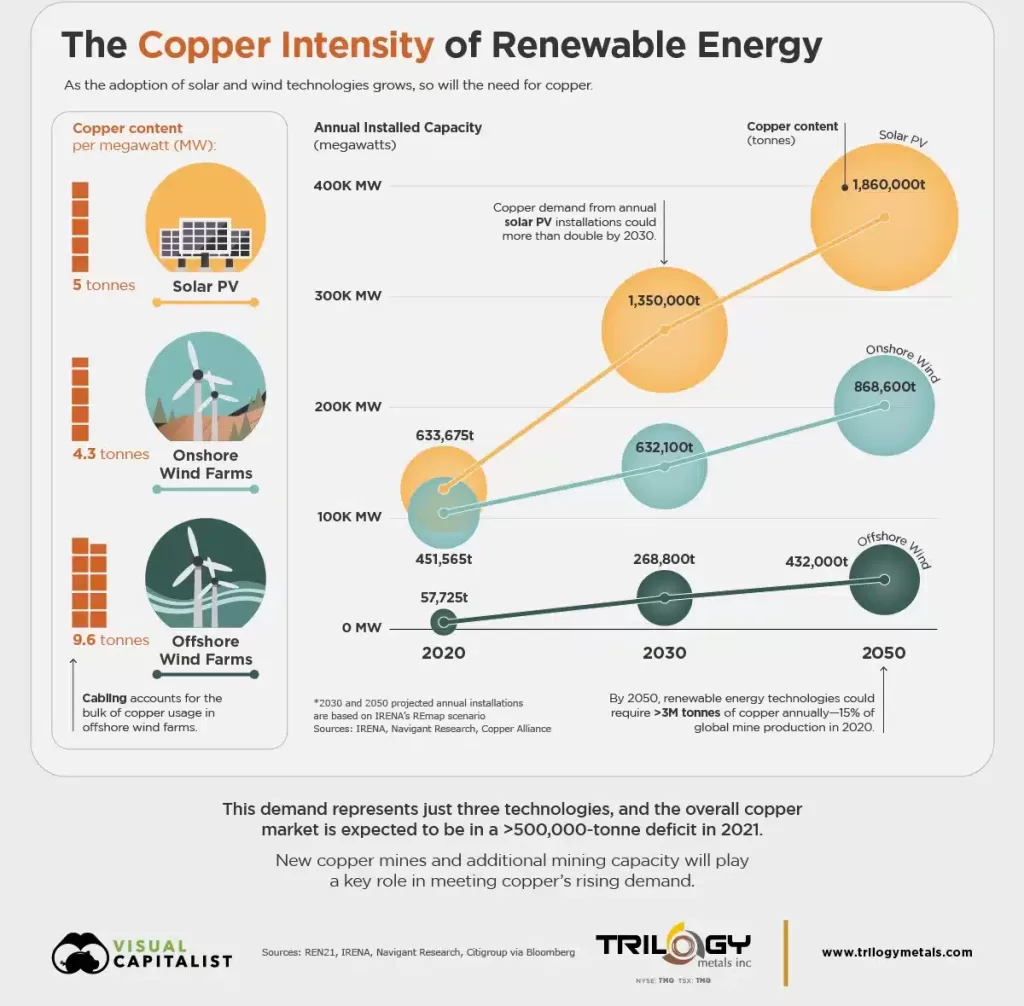
To meet ambitious net zero targets by 2035, annual copper demand may need to double to 50 million metric tons, according to industry estimates. Even conservative projections anticipate a one-third increase in demand over the next decade, driven by substantial investments in decarbonization initiatives by both public and private sectors.
However, meeting this escalating demand poses significant challenges. While copper recycling is increasing, it’s unlikely to suffice, leaving primary mining as the primary source. Yet, expanding copper mining faces obstacles.
Ore grades are declining, necessitating more extensive mining operations to yield the same output. Moreover, environmental concerns surrounding mining activities dampen investment enthusiasm.
Still, the surge in copper prices has heightened speculation about a potential supply crunch. Addressing an expected annual supply shortfall of 8 million tons over the next decade could require a staggering $150 billion investment, according to estimates. However, reaching such investment levels would likely necessitate copper prices to reach record highs.
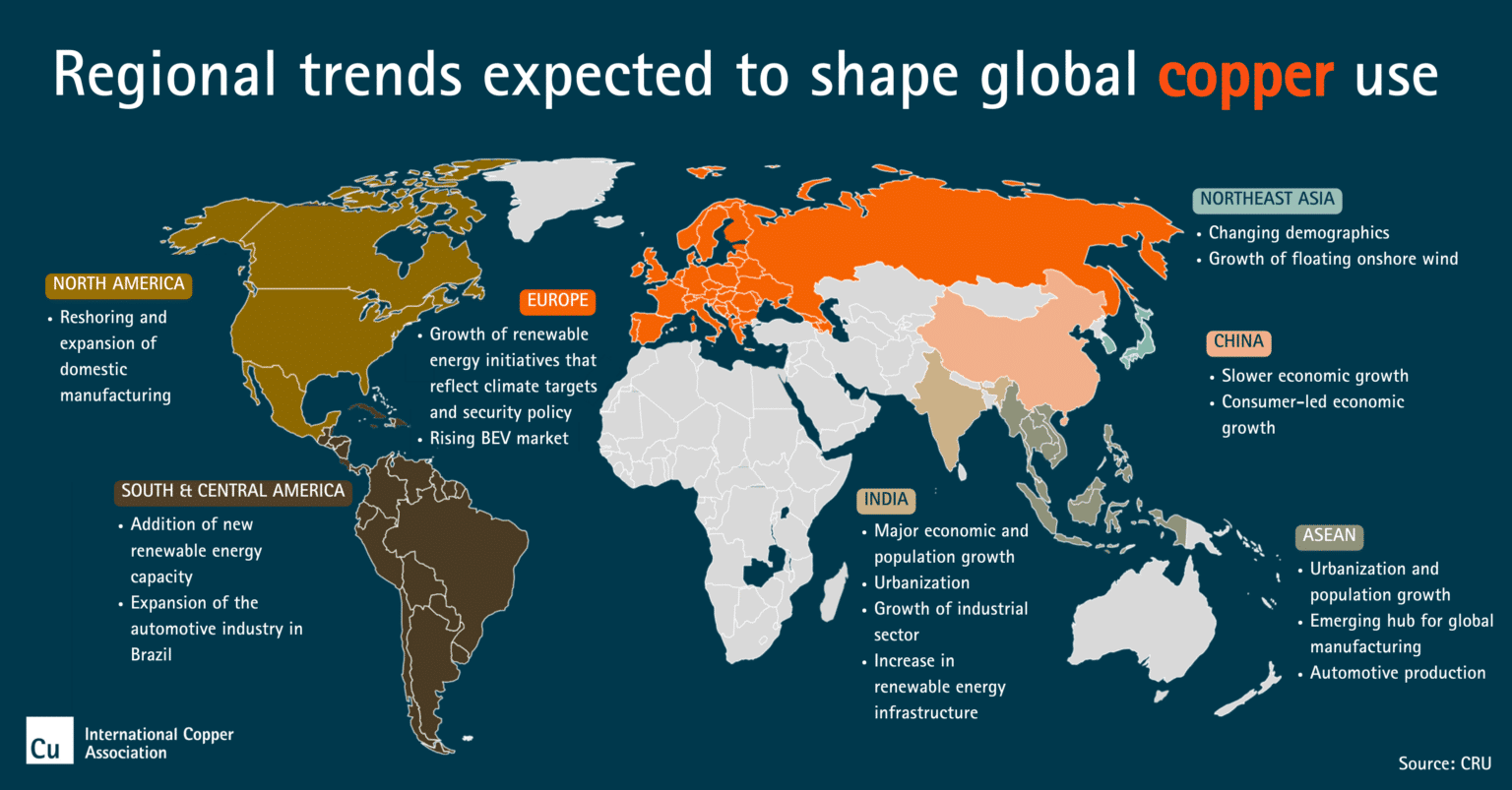
Market experts further observed that while global demand for copper will rise, growth rates vary significantly across different regions. They underscored that regional macroeconomic conditions typically influence copper demand, as shown in the map below.
Factors Affecting Copper Prices in 2024 and Beyond
The uncertainties surrounding China’s economic recovery, particularly the challenges in the property sector evidenced by the liquidation order against China Evergrande Group, pose a significant headwind for copper prices in 2024.
Despite expectations for additional stimulus, the Chinese government opted for a growth target of 5%, emphasizing “high-quality development.” The International Monetary Fund (IMF) projects China’s economic growth to slow to 4.6% in 2024.
Chinese copper smelters have initiated production cuts to address raw material shortages, indicating potential supply constraints. Meanwhile, the US Federal Reserve’s monetary policy decisions are closely monitored, with expectations of rate cuts potentially impacting copper prices.
Analysts forecast an upward trajectory for copper prices in 2024 and beyond, driven by supply-demand imbalances, the US rate-cutting cycle, and increasing demand from the green energy sector.
- BMI projects copper to average $8,800 per ton in 2024, while ANZ Research expects $8,950 per ton.
Looking ahead to 2025, analysts anticipate continued price growth, with BMI projecting $9,300 per ton, while ING forecasts around $9,050 per ton. Long-term copper price forecasts are uncertain but are expected to remain high due to increasing demand driven by the energy transition, particularly in EVs and renewable power.
As copper increasingly shapes global economic dynamics, nations are vying for access to limited future supplies, particularly considering that a significant portion of copper ore is mined in Latin America and Africa. This underscores the strategic importance of securing domestic or friendly sourcing and refining capabilities for essential metals like copper.
As renewable energy infrastructure and electric vehicle adoption continues to expand, strategic investments in copper production and recycling are crucial to meet growing demand and achieve net zero emissions goals.