

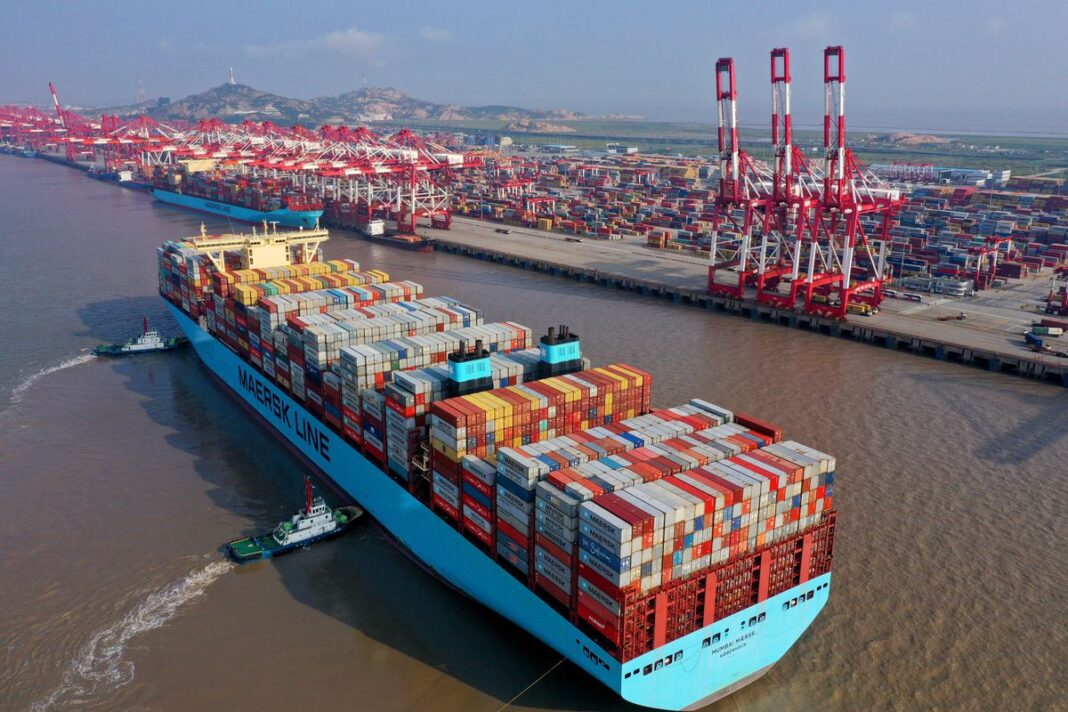
The International Chamber of Shipping backed plans for a global surcharge on carbon emissions to fund the shift towards climate-friendly fuels. Their plan, which will be proposed to the United Nations, requires all international vessels of a specific size to pay per metric ton of carbon they emit.
The proposal has been well received by environmental groups and the International Maritime Organization, a U.N. body. If this surcharge passes, it will impact over 80% of the world’s merchant fleet. As of now, a price has not been set.
Director of Global Transportation at the Environmental Defense Fund, Aoife O’Leary, said, “We will know they are serious about real progress when they embrace a level of ambition consistent with what climate-vulnerable island nations have already proposed.”
Two nations with large shipping fleets and vulnerable territories (The Marshall Islands and The Solomon Islands) have suggested the surcharge starts at $100 per ton.
The Secretary-General of International Chamber of Shipping, Guy Platten, said, “This proposal sets out how to practically create a market-based measure for the global shipping industry, to quickly move towards an effective price. Rather than make guesses for PR purposes, we want to come to a number that will decarbonize the sector without disenfranchising huge proportions of the developing world on the way.”
Currently, the shipping industry accounts for nearly 3% of greenhouse gas emissions. That percentage is expected to increase over the next several years.
The International Chamber of Shipping aims to invest the money from this surcharge into a climate fund that would subsidize clean fuel alternatives. It is important to note that they oppose piecemeal regional measures, such as the current tariff being discussed within the EU.
Whether this global surcharge or the regional one being proposed by the EU is enacted, it is safe to say there is a drive for change. With these proposals on the table, and the global carbon offsetting industry expected to hit $22T by 2050, a net-zero future seems possible.