

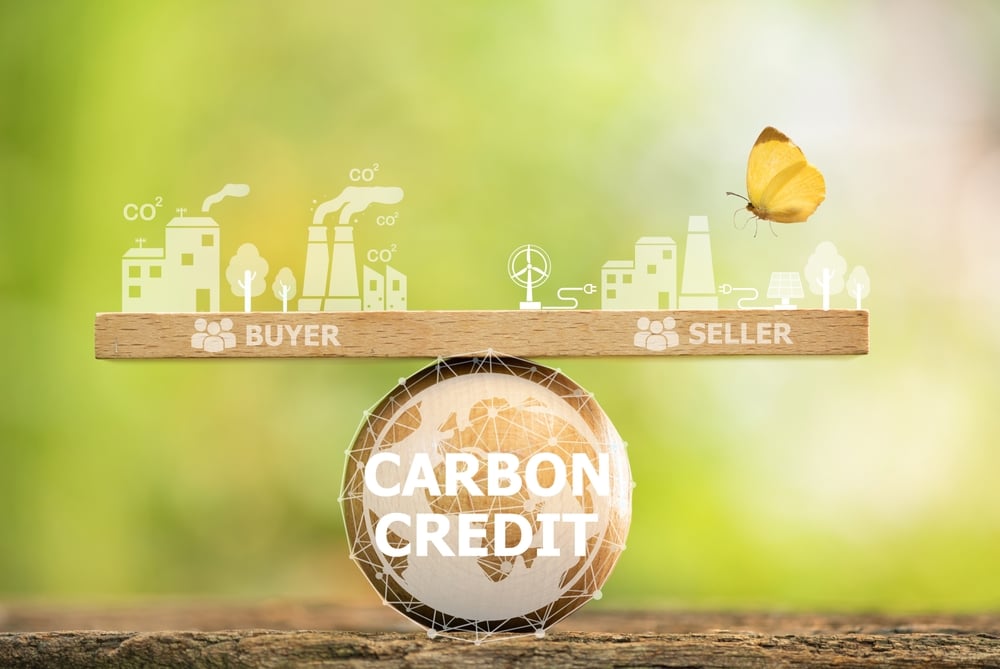
The global carbon credit market is on a steep growth path as governments enforce stricter climate rules and businesses accelerate their net-zero commitments.
A research report showed that, in 2024, the market was valued at USD 669.37 billion, and it is projected to rise from USD 933.23 billion in 2025 to nearly USD 16,379.53 billion by 2034, expanding at a CAGR of 37.68% during the forecast period.
This momentum underscores a pivotal shift: carbon credits are now central to both government climate policies and corporate sustainability strategies. Europe dominated the market in 2024, while North America is set to post the fastest growth over the coming decade.

As demand rises, trust in providers becomes essential. In 2025, three companies—Regreener, South Pole, and ClimatePartner—stand out for their innovation, credibility, and measurable impact.
Why Top Carbon Credit Providers Stand Out
Not all carbon credits carry the same weight, and the leading providers set themselves apart through strict adherence to global standards such as Verra, Gold Standard, and ICROA. They emphasize transparency in project reporting, ensuring that buyers clearly see the impact of their investments. By adopting science-based methods, these companies guarantee permanence and additionality, making every credit credible and durable.
Beyond cutting emissions, they deliver wider benefits, from protecting biodiversity to improving community livelihoods. Together, the top three providers embody these qualities while scaling solutions that serve both people and the planet.
1. Regreener: Community-Backed, Science-Driven
Regreener, based in the Netherlands, has emerged as one of 2025’s most progressive carbon credit companies. Its model blends scientific rigor with local empowerment, ensuring every project delivers lasting benefits.
Why Regreener Leads
Regreener stands out by helping farmers adopt sustainable practices that create verified carbon credits. Each project is judged on strict criteria, including additionality, permanence, social impact, and environmental benefits. This ensures the credits are reliable while also supporting communities and protecting ecosystems.
Project Portfolio
- Carbon Removal Projects: Reforestation, regenerative agriculture, mangrove and seaweed restoration, and soil carbon storage.
- Carbon Reduction Projects: Clean cookstoves, renewable energy, methane reduction, and industrial energy efficiency.
Regreener prioritizes community development—creating jobs, improving livelihoods, and advancing the UN Sustainable Development Goals (SDGs). Its user-friendly platform also enables individuals and businesses to measure emissions, select verified projects, and transparently track contributions.

Why it matters: Regreener proves that climate science and social responsibility can work hand in hand, making it a trusted leader in 2025.
2. South Pole: A Global Climate Powerhouse
Founded in Zurich in 2006, South Pole has become one of the world’s most influential climate solutions providers. By 2025, its projects across more than 50 countries have cut or removed over 200 million tonnes of CO₂.
Core Strengths
South Pole delivers solutions ranging from rainforest protection and renewable energy to energy efficiency in emerging markets. Alongside verified carbon credits, it offers advisory services that help organizations measure emissions, set science-based targets, and design long-term climate strategies.
This mix of credits and consulting makes South Pole a trusted partner for global businesses. Its core strengths are:
- Carbon Credits & Offsetting: Develops, finances, and trades verified projects.
- Corporate Advisory: Helps businesses set science-based targets and map out net-zero strategies.
- Beyond Carbon: Offers biodiversity and energy attribute certificates.

Market Reach and Investor Confidence
South Pole is well established in Europe and is growing quickly in Asia and Africa, giving it strong reach in both mature and new markets. Investors and financial institutions value the company because it offers clear carbon credit strategies. This trust reinforces South Pole’s position as a global leader in large-scale climate solutions.
3. ClimatePartner: Technology Meets Transparency
ClimatePartner, based in Germany, blends digital tools with verified climate projects to make carbon management simple for businesses. Its services cover accurate emissions measurement, credit procurement and retirement, and transparent reporting. This digital-first approach helps companies set credible climate strategies while showing clear results.
Project Reach and Scale
The company’s projects span renewable energy, forest conservation, sustainable farming, methane capture, and efficient cookstoves.
- As per company data, ClimatePartner has built both scale and trust. It has worked with more than 6,000 clients worldwide, retiring over 57 million verified credits, and developing over 15 in-house projects.
Driving Accessible Climate Action
This matters because ClimatePartner combines digital-first tools with credible offsets, making climate action both accessible and accountable.
The global carbon credit market is on track to become a trillion-dollar industry, and trusted providers are key to this growth. We infer that companies like Regreener, South Pole, and ClimatePartner stand out by combining transparency, strong verification, and real-world impact.
Their work proves that carbon credits are more than financial tools. They are powerful drivers of climate solutions that protect ecosystems, support communities, and help businesses meet net-zero goals. As demand rises, these leaders will continue to shape a market that makes climate action both credible and scalable.