

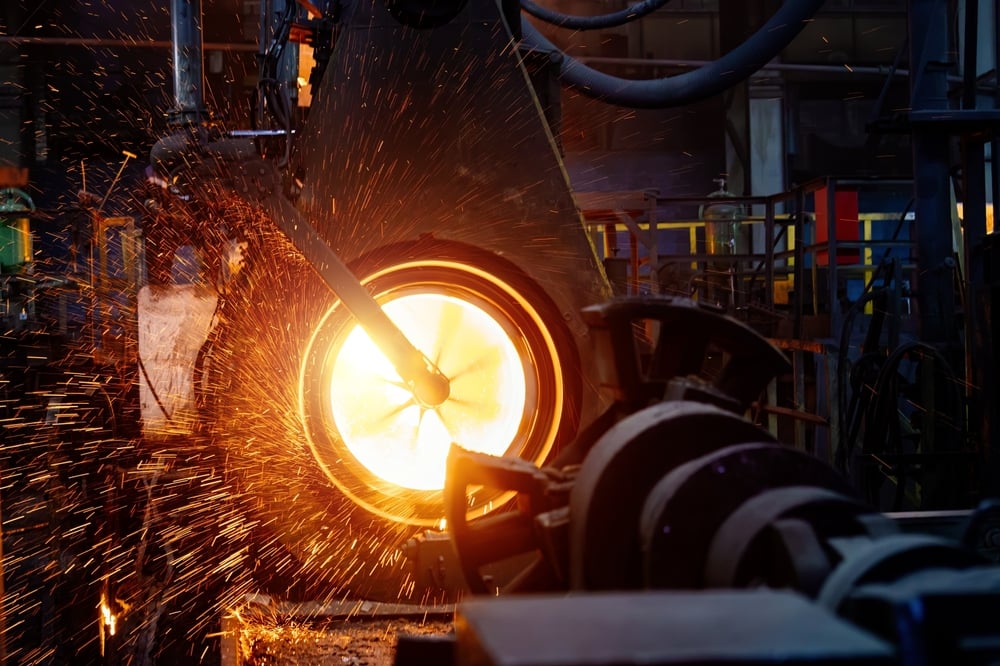
Green steel startup Stegra has raised €1.4 billion ($1.6 billion) in equity funding. This money is for building what will be Europe’s largest green steel plant in Boden, northern Sweden.
Wallenberg Investments led the financing round. It also includes support from existing investors such as Temasek, Hy24, Just Climate, and Altor. The funding round closes months of uncertainty around the project and gives Stegra the capital needed to complete construction and begin commissioning operations.
The announcement is significant not only for Stegra but also for the broader clean industrial transition. Many green steel and green hydrogen projects in Europe have faced delays, funding issues, or cancellations in the last two years. This is mainly due to rising costs and slower market growth than expected.
Against that backdrop, Stegra’s successful capital raise stands out as one of the largest climate tech financing deals of 2026. Stegra CEO Henrik Henriksson remarked:
“We are grateful for the support for the work we are doing in bringing near-zero emissions steel to the market from both new and existing investors, as well as from lenders. It’s a strong sign of confidence in our business case and the project.”
Why Steel Is a Major Climate Challenge
Steel production is one of the world’s most carbon-intensive industries. According to the International Energy Agency, the sector accounts for roughly 7% of global energy-related CO₂ emissions.
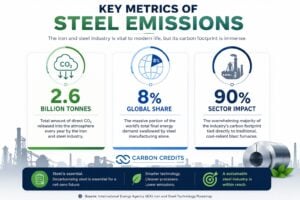
Traditional steelmaking relies on coal-fired blast furnaces that use coking coal to remove oxygen from iron ore. This process releases large amounts of carbon dioxide.
The world produces nearly 2 billion metric tons of steel every year, making the industry one of the hardest sectors to decarbonize. Researchers estimate that making steel produces about 2 tons of CO₂ for every ton of steel.
Meanwhile, demand for steel will keep rising. Countries are investing in infrastructure, renewable energy, electric vehicles, and grid upgrades, which require steel. This is why green steel has become one of the most closely watched industrial decarbonization opportunities.
How Stegra Plans to Cut Emissions by Up to 95%
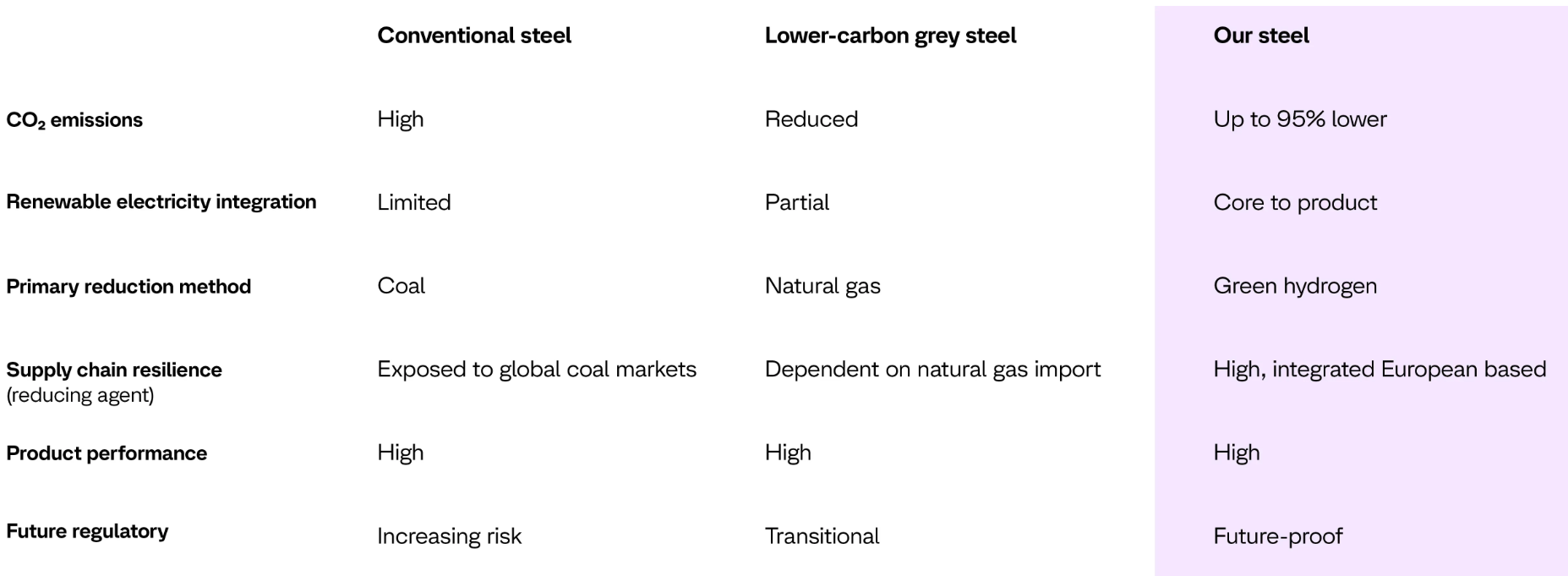
Stegra, formerly known as H2 Green Steel, aims to replace coal with green hydrogen produced from renewable electricity.
At its Boden facility, the company will use large-scale electrolyzers to produce hydrogen from water. That hydrogen will then be used to reduce iron ore into iron before it is processed into steel.
The company says this approach can reduce carbon emissions by up to 95% compared with conventional steelmaking. The facility is expected to produce 2.5 million metric tons of green steel annually during its first phase of operation. In the long term, Stegra plans to expand capacity to as much as 5 million tons per year.
The project also includes one of Europe’s largest green hydrogen facilities. Access to abundant hydropower and wind energy in northern Sweden is a key reason the company selected Boden as its location. Electricity costs in the region are often significantly lower than in many other parts of Europe.
Why Investors Are Still Writing Billion-Dollar Checks for Climate Industry
The latest funding round pushes Stegra’s total financing to almost €8 billion. This amount includes earlier equity, debt, and public funding. That makes it one of the most heavily funded industrial decarbonization projects in the world.
Investor backing is particularly notable given recent setbacks across Europe’s clean tech sector.
Swedish battery maker Northvolt filed for bankruptcy earlier this year after struggling with production and financing challenges. The collapse raised concerns about investor appetite for large-scale industrial climate projects. Stegra itself faced questions about its financing needs after project costs increased and construction timelines shifted.
However, investors appear to view Stegra differently. The company uses familiar steelmaking technologies, unlike battery manufacturing. It focuses on replacing fossil fuels with renewable electricity and hydrogen. Supporters argue that this lowers technology risk while still delivering significant emissions reductions.
The new funding package also provides additional financial flexibility as the company moves from construction to commercial operations.
Demand for Green Steel Is Growing Fast
Stegra’s investors are betting that demand for low-carbon steel will continue to grow. Automakers, construction firms, and industrial manufacturers are facing increasing pressure to reduce supply chain emissions.
- Steel is a major source of embodied carbon. It’s found in many products, like cars, appliances, buildings, and wind turbines.
Several major companies have already signed supply agreements with Stegra, including Mercedes-Benz, Volvo Group, Porsche, Electrolux, and IKEA. These firms are looking for ways to reduce Scope 3 emissions, which typically account for the majority of their carbon footprints.
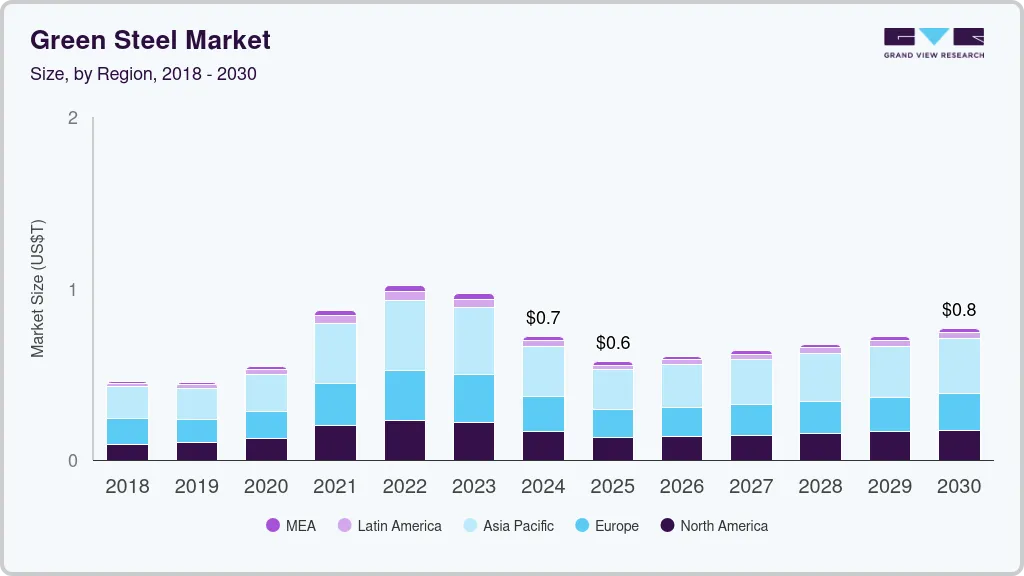
Market forecasts say the global green steel market could grow to $766.8 billion in 2030. This growth is due to stricter carbon pricing and companies pushing for net-zero targets. Europe is expected to remain one of the largest early markets due to its climate policies and industrial decarbonization goals.
The European Union’s Carbon Border Adjustment Mechanism (CBAM) is also encouraging lower-carbon steel production by adding a carbon cost to some imported materials.
Green Hydrogen Remains the Industry’s Biggest Challenge
Despite growing momentum, major challenges remain. The economics of green steel depend heavily on the cost of renewable electricity and green hydrogen. Producing hydrogen through electrolysis remains significantly more expensive than using coal or natural gas in many markets.
Also, many hydrogen-based projects are delayed. Developers are waiting for lower equipment costs, cheaper renewable energy, and better policy support.
Industry experts note that producing green steel at scale will require massive amounts of clean electricity. To fully decarbonize the sector, estimates suggest the steel industry needs nearly 100 million tons of green hydrogen each year by mid-century.
That means projects like Stegra are not only testing a new steelmaking model. They are also testing whether the wider green hydrogen economy can scale fast enough to support heavy industry.
A Key Test for Europe’s Industrial Net-Zero Future
Stegra’s successful funding round arrives at a pivotal moment for industrial decarbonization.
Heavy industries such as steel, cement, and chemicals account for nearly one-third of global greenhouse gas emissions. Many climate pathways show that deep emissions reductions in these sectors are essential for achieving net-zero goals.
By securing another €1.4 billion in funding, Stegra has strengthened its position as one of the world’s most important green steel projects. The company has a clearer plan to finish its main plant. This will show that low-carbon steel can compete on a large scale.
If successful, the Boden facility could become a model for future steel plants around the world. It would also provide evidence that investors remain willing to back large industrial climate projects despite recent setbacks elsewhere in the clean tech sector.
For Europe, the project serves as a test of whether the continent can turn climate ambition into a large-scale industrial reality.