

Amazon has signed a long-term carbon credit agreement with Bayer-backed The Good Rice Alliance (TGRA), aiming to cut methane emissions from rice farming across India. The move reflects a growing push toward agriculture-based climate solutions that deliver both environmental and economic value.
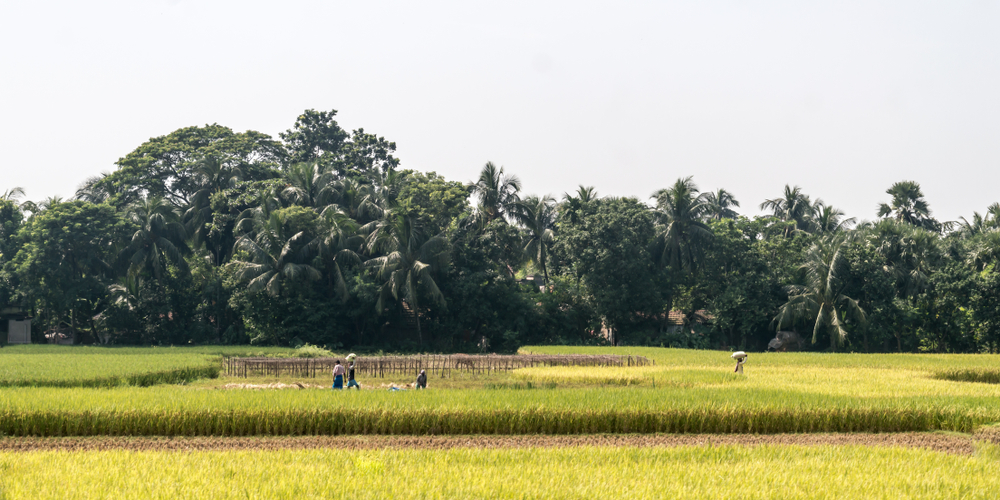
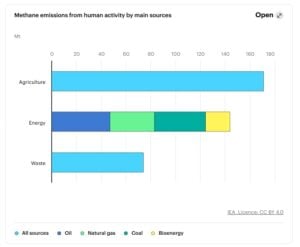
Rice cultivation remains a major source of methane emissions globally. The problem comes from traditional farming methods, where paddy fields stay flooded for long periods. These waterlogged conditions create an oxygen-free environment that allows methane-producing bacteria to thrive. As a result, rice farming contributes roughly 8–10% of global methane emissions, making it one of the largest sources after livestock.
India’s Rice Fields: A Major Methane Hotspot
India is at the center of this issue. It has one of the largest rice-growing areas in the world, with around 42–44 million hectares under cultivation. This massive scale makes the country a key contributor to agricultural methane emissions.
- Estimates suggest that globally rice fields release anywhere between 20 and 60 teragrams (Tg) of methane each year, depending on how emissions are measured.
- Some national-level studies also point to the amount of CH4 emitted from paddy fields of India is 3.396 teragram (1teragram = 109 kilograms) per year or 71.32 MMT CO2 equivalent.
Together, these figures highlight how rice farming accounts for a meaningful share of India’s overall methane footprint and a notable portion of global emissions.
Certain regions, especially the Indo-Gangetic Plain, show even higher emission levels. Warm temperatures, heavy flooding, and high organic matter in soils create ideal conditions for methane generation. This makes India not just a large emitter, but also a high-impact opportunity for methane reduction.
The Good Rice Alliance (TGRA): Turning Farming Practices into Climate Solutions
TGRA’s program focuses on simple but effective changes in how rice is grown. Farmers are encouraged to adopt techniques such as Alternate Wetting and Drying (AWD) and Direct Seeded Rice (DSR). These methods reduce continuous flooding, which directly cuts methane production.
The impact can be significant. Studies show that improved water management and better nutrient practices can reduce methane emissions from rice fields by 30–50%. At the same time, these changes reduce irrigation water use by up to 30%.
The benefits go beyond emissions. Farmers often see lower input costs, better yields, and improved resilience to climate stress. TGRA currently works with over 13,000 smallholder farmers across multiple states, covering more than 35,000 hectares. The program provides training, financial incentives, and regular on-ground support to ensure long-term adoption.
ALSO READ:
Amazon Leans on High-Quality Credits Amid Rising Emissions
Amazon continues to face challenges in reducing emissions. The company reported 68.25 million metric tons of CO₂ equivalent emissions in 2024, marking a 6% increase from the previous year. Growth in data centers for AI and rising fuel use in logistics were the main drivers.
This highlights the complexity of balancing rapid business growth with climate commitments. Still, Amazon remains focused on its goal of reaching net-zero emissions by 2040 under the Climate Pledge.
Carbon credits play a supporting role in this journey. The company emphasizes high-quality, science-based credits that meet strict standards for transparency and impact.
Driving Verified Methane Reductions
Most significantly, the retail giant plays a central role in scaling this initiative. The company has committed to purchasing more than 685,000 metric tons of CO₂ equivalent carbon credits during the project’s initial phase. This makes it the primary buyer and a major supporter of methane reduction in Indian agriculture.
These credits represent verified emission reductions. They are measured directly in the field, supported by satellite data, and validated under global carbon standards. This focus on quality is critical as companies face increasing scrutiny over carbon offset claims.
Thus, for Amazon, the deal boosts its broader climate strategy. The company follows a “reduce first, then neutralize” approach. It prioritizes cutting emissions through renewable energy, electrification, and logistics improvements. However, some emissions remain difficult to eliminate, especially across its vast supply chain.
Carbon credits help bridge that gap. Methane-focused credits are particularly valuable because they deliver faster climate benefits in the near term compared to carbon dioxide reductions.
Science, Data, and Trust in Carbon Markets
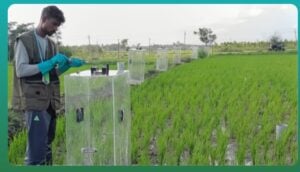
A key strength of TGRA’s program lies in its strong measurement system. Emissions are tracked using direct, field-based methane measurements in collaboration with the International Rice Research Institute. This data is backed by satellite monitoring and digital tools.
Each carbon credit is supported by multiple layers of verification. Field data is cross-checked with remote sensing records, ensuring accuracy and transparency. This approach addresses concerns around over-crediting and builds confidence in the voluntary carbon market.
- The project follows Verra’s Verified Carbon Standard using the VM0051 methodology for improved rice management.
- It has also received an ex-ante A rating from BeZero Carbon, reflecting strong confidence in its design and integrity.
Why Methane Cuts Matter Right Now
Methane is often called a “super pollutant” because it traps over 27 times more heat than carbon dioxide over 100 years. More importantly, it has a shorter atmospheric life, which means cutting methane can slow warming more quickly in the near term.
Given India’s large rice footprint and high emission intensity, even small changes per hectare can lead to massive reductions at scale. This makes projects like TGRA’s highly strategic for companies like Amazon looking to close their short-term emissions gap.
Beyond emissions reduction, the program delivers strong social and economic benefits. Farmers receive hands-on support, including field visits, training, and financial incentives. Lower water use reduces costs, while improved practices can increase productivity.
This combination of climate and livelihood benefits is key to long-term success. It ensures that farmers remain at the center of the transition to sustainable agriculture.
Amazon also extends the impact through its Sustainability Exchange and Carbon Credit Service. These platforms allow suppliers and partners to access similar agricultural carbon projects, spreading climate action across their broader ecosystem.
Overall, the partnership between Amazon and TGRA shows how global companies can support large-scale climate solutions at the grassroots level. By creating demand for high-integrity carbon credits, they help finance sustainable farming practices.