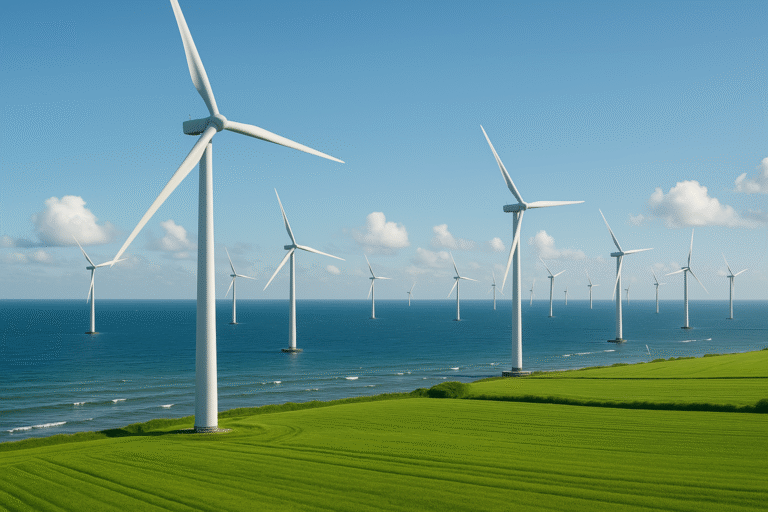
In a major step for sustainable energy, Google has signed a Power Purchase Agreement (PPA) with Shell. This deal will extend the life of the NoordzeeWind offshore wind farm in the Netherlands. The partnership not only extends the life of the country’s first offshore wind project but also helps both companies achieve their goal of a carbon-free energy future.
Google and Shell Join Forces in Renewable Energy
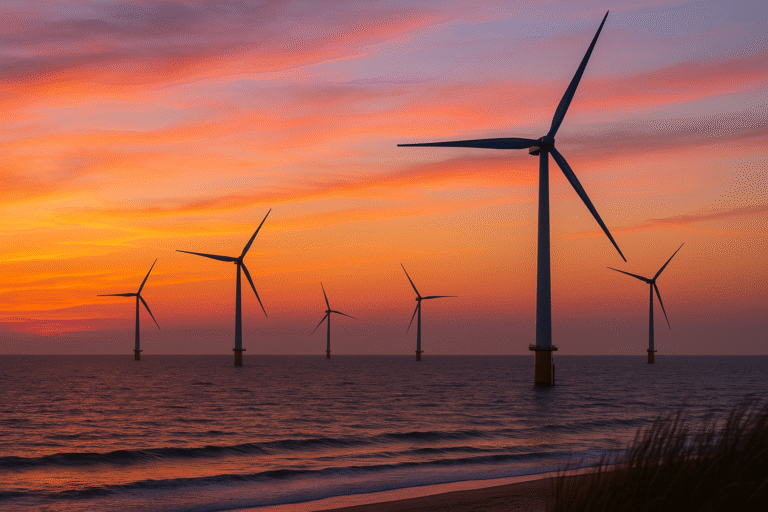
Google and Shell aim to add five years to the NoordzeeWind offshore wind farm’s life. Started in 2007, this facility can power about 40,000 Dutch homes. Now, expanding operations will also meet local energy needs and supply carbon-free power to the grid.
The press release reveals that Google bought 100% of the wind farm’s 108-megawatt capacity. This deal allowed Shell to get permit extensions and invest in important upgrades and prevented an early shutdown of a valuable clean energy source. It’s also Google’s biggest offshore wind energy deal so far.
Frans Everts, CEO of Shell Netherlands, says,
“With NoordzeeWind, Shell has not only shown that offshore wind energy is technically and financially feasible, we have also learned a lot. And we are applying those lessons to our other three wind farms in the Dutch part of the North Sea. There is more to it. “At the end of the wind farm’s lifespan, we will show how we can dismantle and reuse the material as much as possible.”
Shell NoordzeeWind is the oldest and first offshore wind farm to undergo a life extension in the Netherlands.
On a broader scale, extending its life can help the country reach its goal of 70% renewable energy by 2030. This partnership might lead to new energy collaborations and could reap global benefits.
Shell revealed that it became the sole owner of the NoordzeeWind offshore wind farm in March 2021 after buying out its partner, Nuon (now Vattenfall). The wind farm has 36 turbines spread over 27 square kilometers. It sits 10 to 18 kilometers off the coast and is even visible from the beach on clear days.
Before extending operations for nearly five more years, Shell had the wind farm thoroughly checked by DNV, an independent certification company. The review made sure everything is safe and working well.
Here’s a tour of the massive wind farm:
Key points of the PPA include:
Extended Duration: A five-year extension ensures a steady energy supply from this established source.
Sustainability Commitment: This deal helps both companies with their sustainability goals. It also cuts down their carbon footprints.
Market Implications: These partnerships may draw more investments in renewable energy. This could encourage other companies to seek similar deals.
Going forward, Shell will also focus on protecting nature. For example, the company plans to shut down turbines during bird migration to reduce harm to wildlife.
Google’s Wind Energy Deals Boost Clean Power in Netherlands and Italy
In the Netherlands, Google has supported over 1 gigawatt of clean energy capacity through power purchase agreements
Last year in February, Google announced its biggest offshore wind project in the Netherlands, aiming to power its data centers and offices with over 90% carbon-free energy by 2024.
It signed new agreements with Shell and Eneco to support 478 megawatts from two offshore wind farms, HKN V and HKW VI. These subsidy-free projects were expected to supply around 6% of the country’s electricity and support innovation and ecology.
In Italy, Google signed its first long-term deal with ERG for a 47-megawatt onshore wind project. This move was set to help Google’s Italian offices and cloud regions reach over 90% carbon-free energy by 2025.
All these efforts support Google’s goal of net-zero emissions in its supply chain by 2030.
Future of Offshore Wind Energy
Google and Shell work together to show how renewable energy can thrive. As the world moves toward carbon-free energy, offshore wind farms will play a crucial role.
According to Bloomberg New Energy Finance, the global offshore wind market is growing. Investments are expected to hit about $100 billion a year by 2030.
The European Wind Energy Association says that offshore wind energy in Europe may reach 450 gigawatts (GW) by 2030.
The alliance between Google and Shell is a significant step for sustainable energy. By extending an offshore wind farm’s life, they lead the way for others. This shows their commitment to cutting carbon emissions and using cleaner energy sources.
The Walt Disney Company delivered a strong performance in the second quarter of fiscal 2025, ending March 29. Total revenue rose to $23.6 billion, a 7% increase compared to $22.1 billion in the same quarter last year. This growth was driven by improved performance across multiple segments, especially entertainment and experiences.
Net Income had a significant turnaround, with a $3.3 billion improvement year-over-year. This signaled a strong financial recovery and operational efficiency across the board.
Source: Disney
Moving on to the question, is the top entertainment provider’s sustainability game equally on point as its revenue? Let’s analyse and find out the answer.
Walt Disney’s Q2 2025Segment Performance
Segment operating income climbed to $4.4 billion, up 15% from Q2 2024. Diluted earnings per share (EPS) reached $1.81, a sharp turnaround from the $0.01 loss reported last year. Adjusted EPS rose 20% to $1.45, surpassing analyst estimates of $1.20.
Entertainment: Strong growth, driven by streaming and content sales. Direct-to-consumer (DTC) operating income rose sharply to $336 million from $47 million a year ago.
Experiences (Parks, Resorts, Cruises): Revenue grew 6% to $8.9 billion, with operating income up 9% to $2.5 billion.
Streaming: Disney+ added 1.4 million subscribers, reversing previous quarter losses, reaching 126 million total subscribers. Hulu SVOD grew by 1.3 million, totaling 54.7 million subscribers.
Strategic Developments
Theme Parks: Disney announced its seventh theme park and resort, to be built in Abu Dhabi in partnership with Miral, marking a major international expansion.
Streaming Partnerships: Collaboration with Whale TV to expand digital content offerings, supporting growth in Disney+, ESPN, and Hulu.
ESPN: Continued investments, with a new direct-to-consumer offering planned for later in the year
Market Reaction
Disney’s strong Q2 2025 results led to a 9–10% surge in its stock price, reflecting renewed investor confidence.
Robert A. Iger, Chief Executive Officer, The Walt Disney Company, noted,
“Our outstanding performance this quarter—with adjusted EPS(1) up 20% from the prior year driven by our Entertainment and Experiences businesses—underscores our continued success building for growth and executing across our strategic priorities. Following an excellent first half of the fiscal year, we have a lot more to look forward to, including our upcoming theatrical slate, the launch of ESPN’s new DTC offering, and an unprecedented number of expansion projects underway in our Experiences segment. Overall, we remain optimistic about the direction of the company and our outlook for the remainder of the fiscal year.”
Since 2009, The Walt Disney Company has aimed to achieve net-zero greenhouse gas (GHG) emissions from its direct operations. Now, it is pushing further by aligning its climate targets with the Paris Agreement and the Intergovernmental Panel on Climate Change (IPCC).
In 2023, the Science-Based Targets initiative (SBTi) officially validated Disney’s updated emissions goals. These include new quantitative, time-bound targets for both direct (Scope 1 & 2) and value chain (Scope 3) emissions.
Where Disney’s Emissions Come From
Scope 1 & 2: Direct emissions mostly arise from energy use in theme parks, resorts, corporate offices, and fuel used by Disney Cruise Line.
Scope 3: Indirect emissions span across the supply chain—from consumer product manufacturing and food services to film and TV production.
2030 Climate Commitments
Disney’s climate action plan is built on strong, measurable goals:
Cut absolute Scope 1 and 2 emissions by 46.2% by 2030, compared to 2019 levels
Reach net-zero direct emissions by 2030
Use 100% zero-carbon electricity across global operations by 2030
Invest in certified natural climate solutions
Drive Scope 3 reductions by engaging suppliers, licensees, and partners
Source: Disney
Disney’s 4-Step Strategy to Reduce Scope 1 & 2 Emissions
The figure displayed below shows that Disney’s total emissions (Scope 1 + Scope 2) in 2023 were 1.72 million metric tons CO₂e. This means emissions were significantly more than its 2022 data.
Thus, to meet its 2030 net-zero goal for direct operations, Disney is following a data-driven emissions reduction hierarchy:
Designing low-emission infrastructure: Prioritize energy-efficient, sustainable design in new builds and renovations.
Boosting efficiency: Improve energy and fuel efficiency across all facilities and fleets.
Switching to low-carbon energy: Replace high-emission energy sources with renewables and cleaner fuels.
Nature-based solutions: Invest in certified natural climate solutions to balance remaining emissions.
Disney is taking bold steps to reduce Scope 3 emissions. After reviewing over 100 strategies, the company picked the most impactful and cost-effective ones. These actions focus on the following:
Low-Carbon Products: Using low-emission materials and improving production methods to cut carbon emissions. Supporting suppliers in shifting to renewable energy and cleaner technologies.
Supplier & Licensee Action: Helping partners set science-based climate goals and collaborating across industries to drive broader emission cuts.
Sustainable Media Production: Adopting eco-friendly practices in TV and film projects while reducing emissions across studio operations.
Clean Tech & Collaboration: Investing in low-carbon innovations and working with suppliers and peers to scale impact across sectors.
Disney plans to power all its direct operations with 100% zero-carbon electricity by 2030. Most of its electricity use happens at its global theme parks and resorts and major campuses in cities like Los Angeles, New York, and Bristol.
Since each location has unique energy challenges, the company is using a smart, step-by-step plan to reach its clean energy goals.
Powering Up With Clean Energy
On-Site Solar Projects
It’s giving priority to sites where clean energy can be used directly, such as at its theme parks. For example, in 2023, Shanghai Disney Resort added 1.3 megawatts of solar panels, while Hong Kong Disneyland became the city’s largest solar site.
Green Power From Utilities
In places where on-site generation isn’t enough, Disney is teaming up with utility companies to buy clean energy directly. This includes using green power programs or working with regulators to develop fair renewable energy pricing for all customers.
Power Purchase Agreements (PPAs)
Disney will also sign agreements with renewable energy projects to buy electricity, either directly or virtually. These deals help bring more clean energy to the grid and offer flexibility when on-site options aren’t available.
Energy Certificates
As a backup, the company plans to buy high-quality Energy Attribute Certificates (EACs) to match any remaining electricity use with clean energy. This ensures every unit of power is carbon-free.
By combining these four strategies, Disney aims to ensure all its electricity comes from zero-carbon sources, directly or through verified offsets.
Disney Leads the Way in Low-Carbon Fuels
Disney is also exploring low-carbon fuels to reduce emissions, especially from its cruise ships and transportation fleets at parks.
Focus on Cruise Ships: While Disney Cruise Line is smaller than others in the industry, the company is working hard to drive innovation. It’s investing in research and testing new low-carbon fuels that reduce environmental impact.
Supporting Clean Fuel Development: Disney is backing new technologies and helping build the supply chain for cleaner fuels. It’s also partnering with suppliers and industry peers to speed up the shift to sustainable shipping.
Sets Ambitious Sustainability Standards
Disney targets zero waste to landfill at all owned parks, resorts, and cruise lines by 2030. It plans to eliminate single-use plastics on cruise ships by 2025 and reduce them elsewhere. The company will use sustainable seafood, recycled materials, and eco-friendly packaging for branded products.
Source: Disney
Additionally, all new projects will aim for near net zero, use water efficiently, and divert 90% of construction waste in the US and Europe by 2030.
Disney’s Q2 2025 results show solid growth in revenue, profit, and streaming performance, driven by smart expansion moves and a strong outlook for the rest of the year. While its sustainability and emissions strategies are in place, rising emissions signal a need for stronger climate action and improved management.
Microsoft has taken big steps toward reaching its climate goals. The company has agreed to buy up to 3 million nature-based carbon removal credits from EFM, a U.S.-based forest management firm. This multi-year deal shows Microsoft’s serious commitment to using natural ways to fight climate change.
On top of that, Microsoft’s Climate Innovation Fund has made its first forestry investment in the U.S. by backing EFM’s Fund IV, which aims to mobilize $300 million for climate-smart forestry projects across the country. This move could help Microsoft secure up to 2.3 million additional carbon credits while also supporting ecosystem and community benefits.
Nature’s Power: How Forests Help Fight Climate Change
Nature-based solutions help remove carbon dioxide (CO₂) from the air. They include:
Planting new forests,
Improving forest management, and
Agroforestry, which combines trees with farming
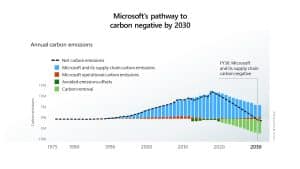
Microsoft plans to use these credits to meet its goal of becoming carbon negative by 2030. That means the company wants to remove more carbon from the atmosphere than it emits.
EFM’s projects focus on reforestation, sustainable forestry, and land conservation. Studies show that forests can absorb about 30% of global CO₂ emissions every year. By working with EFM, Microsoft supports healthy ecosystems and helps restore damaged lands.
Some studies suggest that nature-based solutions could cut CO₂ by 12 gigatonnes yearly by 2030 if used widely. For Microsoft, these projects help balance emissions from hard-to-reduce activities. This includes data center operations and cloud services.
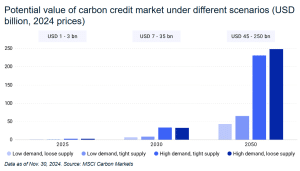
The carbon credit market is growing fast. According to the MSCI report, the market could grow to $7–35 billion, driven by:
Rising demand for credible carbon removal credits,
Corporate climate goals, and
A shift toward higher-quality, transparent projects.
Source: MSCI report
Companies are buying more credits to meet 2030 targets, boosting market trust. MSCI projects even greater growth by 2050, with the market potentially reaching $45–250 billion as interest in reliable, high-standard carbon credits continues to increase globally.
By investing in EFM’s fund, Microsoft supports sustainable forestry practices that store carbon, improve biodiversity, and create local jobs. EFM uses climate-smart forestry. This includes longer harvest cycles, planting many tree types, and protecting watersheds. These actions not only pull CO₂ out of the air but also make forests stronger against wildfires, pests, and climate stress.
Microsoft has said that it will use returns from this fund to help cover future carbon removal costs. This makes its sustainability strategy more financially sustainable over the long term.
Beyond Carbon Credits: Microsoft’s Big Climate Picture
This deal with EFM fits into Microsoft’s larger climate plan. In 2020, the company pledged to be carbon negative by 2030 and to remove all the carbon it has emitted since its founding in 1975 by 2050. The company is also working to run on 100% renewable energy by 2025 and to reduce emissions from its supply chain.
In 2024, Microsoft made up 63% of all carbon dioxide removal (CDR) purchases, securing about 5.1 million metric tons of durable CDR credits. This amount is more than any other company worldwide. These credits come from a mix of nature-based and technology-based projects.
The company is also developing advanced digital tools to measure and track carbon removal projects. Its Planetary Computer uses satellite images and artificial intelligence (AI) to monitor land changes and forest health, helping partners like EFM verify their impact.
Why Companies Are Turning to Nature-Based Solutions
More companies are investing in nature-based solutions. A 2023 BloombergNEF report says that emerging markets need over $1.5 trillion for clean energy and carbon removal by 2030. This investment is crucial to meet global climate goals. Carbon credits from nature projects are one piece of the puzzle.
In 2024, over 400 global companies, like Amazon and Google, said they would buy more high-quality carbon removal credits. These companies view nature-based solutions as a cost-effective way to achieve short-term climate goals. They also aim to reduce their direct emissions over time.
The World Bank says that if companies invest $800 billion in nature-based climate solutions by 2030, we could create more than 80 million jobs around the world. This would especially benefit rural areas. Projects like EFM’s can deliver climate benefits while supporting local communities.
The Carbon Credit Boom: What’s Next for Nature and Tech?
Experts believe that the carbon market will keep growing quickly.
McKinsey & Company says that demand for carbon credits might grow 15x by 2030. This could reach 1.5 to 2 billion metric tonnes of CO₂ equivalent each year.
Microsoft’s partnership with EFM shows how companies can combine technology, finance, and nature to fight climate change. By using AI, remote sensing, and data analytics, projects like these can be tracked and improved over time, making them more reliable and transparent.
However, experts also warn that carbon removal credits are not a replacement for cutting emissions. Companies still need to reduce their pollution as much as possible before relying on carbon offsets. The Science-Based Targets initiative (SBTi) stresses that offsets should only be used to balance emissions that cannot yet be eliminated.
Microsoft’s collaboration with EFM is an important example of how nature and technology can work together to tackle climate change. The purchase of up to 3 million carbon removal credits and the forestry investment show a strong commitment to both environmental restoration and economic growth.
These efforts help Microsoft get closer to its 2030 climate targets while setting an example for other companies. As the carbon removal market grows, partnerships like this will likely become more common. They offer a way to store carbon, support ecosystems, and create jobs — all key parts of building a sustainable future.
The Rockefeller Foundation has launched a pioneering initiative that aims to accelerate the shift from coal-fired power generation to clean energy in developing countries. The Foundation’s Coal to Clean Credit Initiative (CCCI) is an innovative plan.
CCCI uses carbon credits to help retire old coal plants. Then, it replaces them with renewable energy sources. This work helps cut greenhouse gas emissions while supporting economic growth and boosting public health in vulnerable communities.
Introducing the Coal to Clean Credit Initiative (CCCI)
The CCCI aims to give financial rewards. This helps coal-fired power plant owners close their plants sooner than expected. It also encourages a shift to renewable energy.
The centerpiece of the initiative is a new type of carbon credit called “transition credits.” Credits are created when a coal plant shuts down early. It is replaced by clean energy sources like solar, wind, and energy storage systems. CCCI matters because:
Image from Rockeller Foundation
These transition credits can be sold to companies or organizations. They help offset emissions, just like traditional carbon credits. The money from selling these credits can help replace coal plants with clean energy. It can also support workers and communities impacted by the closures.
Dr. Joseph Curtin, Managing Director for Power and Climate at The Rockefeller Foundation, remarked:
“Today’s progress update demonstrates that we are closer than ever to unlocking new benefits to people with credits that will help communities transition to clean, affordable energy. We are now focused on scaling this initiative and bringing dozens of such transactions to the market by 2030.”
Verra, a global nonprofit that certifies carbon credits, has approved the method for creating transition credits. This is a key development in the initiative. This official approval is an important step as it gives clear rules and protections.
The approved rules help ensure that the credits are high quality and provide real environmental and social benefits. The approved method aims to create jobs, improve energy access, and protect workers’ rights and local communities.
According to Mandy Rambharos, CEO of Verra,
“We need to rethink the very systems that are hurting people and the planet. Our new methodology empowers energy providers to make that shift in a way that doesn’t leave workers or communities behind and doesn’t inadvertently exacerbate energy poverty.”
Pilot Project: Transitioning the SLTEC Plant in the Philippines
The first real test of the CCCI is in the Philippines. ACEN Corporation, part of the Ayala Group, is retiring its 246 MW South Luzon Thermal Energy Corporation (SLTEC) coal plant. Originally slated to close in 2040, ACEN plans to retire the plant by 2030 using the CCCI framework.
To fully replace SLTEC’s power output, ACEN aims to build 1,000 megawatts (MW) of solar, 250 MW of wind, and 1,000 MW of battery storage.
These clean energy sources will offer reliable and affordable electricity. They will also help reduce harmful air pollution in the region.
This transition is especially important in Batangas, where the SLTEC plant is located. The area’s population density is 31% higher than the national average, and unemployment levels are among the highest in the country.
Closing the plant and switching to renewable energy should create new permanent jobs. It will also improve local air quality. This change may reduce health problems linked to pollution. Over 726,000 people live within 20 kilometers of the plant, making the project’s public health impact significant.
ACEN is teaming up with several organizations to support this transition. Partners include GenZero, Keppel, and Mitsubishi Corporation via its subsidiary, Diamond Generating Asia. These partners will work together to ensure the project delivers both environmental and social benefits.
Scaling Up: Targeting 60 Coal Plant Transitions by 2030
The Rockefeller Foundation will expand the CCCI, building on its pilot project in the Philippines. They aim to support 60 coal plant transitions by 2030. This effort will focus on emerging markets, especially in the Asia-Pacific region.
The Foundation believes this could lead to $110 billion in investments. It may also create 29,000 permanent jobs, prevent 9,900 premature deaths each year, and cut down 640,000 lost workdays annually thanks to improved air quality.
The initiative could create about $21 billion in economic benefits. It could also help consumers in emerging economies save up to $8.3 billion each year on power costs. These figures come from early estimates by Catalyst Advisors.
Renewable energy technologies, like solar and wind, are now cheaper than coal in many markets. This is possible when they are paired with energy storage, says the International Energy Agency (IEA).
To ensure the integrity and effectiveness of the transition credits, the Rockefeller Foundation has awarded a $600,000 grant to the Integrity Council for the Voluntary Carbon Market (ICVCM Limited). This funding will help set high standards for transition credits. It will also make sure that Indigenous Peoples and local communities are included in designing and implementing future projects.
Addressing Coal Dependence in Emerging Economies
Coal-fired power remains a significant challenge for global climate efforts. Its carbon emissions rose by 0.9% (135 Mt CO₂) in 2024.
Source: Carbon Brief
The IEA reports that coal made up about 36% of global electricity in 2023. Many emerging economies still depend on coal to meet rising energy needs. This is happening even with global pressure to reduce coal use.
Programs like the Rockefeller Foundation’s CCCI help connect climate goals with economic needs in developing countries. The initiative offers a clear plan to close coal plants early. It replaces them with clean energy sources, which reduces greenhouse gas emissions. At the same time, it protects jobs and supports communities. It also ensures reliable access to electricity.
A 2023 BloombergNEF report says emerging markets need more than $2.6 trillion for clean energy by 2050. This investment is crucial to meet global climate goals, especially net zero. Using innovative methods like transition credits can help unlock capital. This approach could be crucial for speeding up decarbonization.
Source: Bloomberg
The CCCI works alongside other global initiatives. One example is the Just Energy Transition Partnerships (JETP). These agreements offer financial and technical help to countries like Indonesia, South Africa, and Vietnam. They support these coal-heavy nations as they shift to clean energy.
A Model for the Future
The Rockefeller Foundation’s initiative highlights how philanthropy, private companies, governments, and financial markets can collaborate. They aim to address a tough challenge in the global energy transition: retiring coal plants early.
The CCCI combines verified transition credits, strong social protections, and clear economic benefits. This makes it a model for coal-dependent regions around the world to follow.
As more countries seek to decarbonize and meet their climate commitments, initiatives like this will likely play a growing role in shaping a cleaner, healthier, and more sustainable future.
Record battery storage installations across Europe mark a significant achievement, but concerns linger as growth begins to slow. SolarPower Europe’s latest analysis shows an urgent need for a strong framework. This is crucial to meet Europe’s renewable energy goals.
The European market for battery storage showed a remarkable expansion, achieving a 15% growth in 2024 alone. This growth is commendable, but it’s slower than in past years. This raises important questions about how long it can last. Forecasts predict a significant growth in installations by 2025.
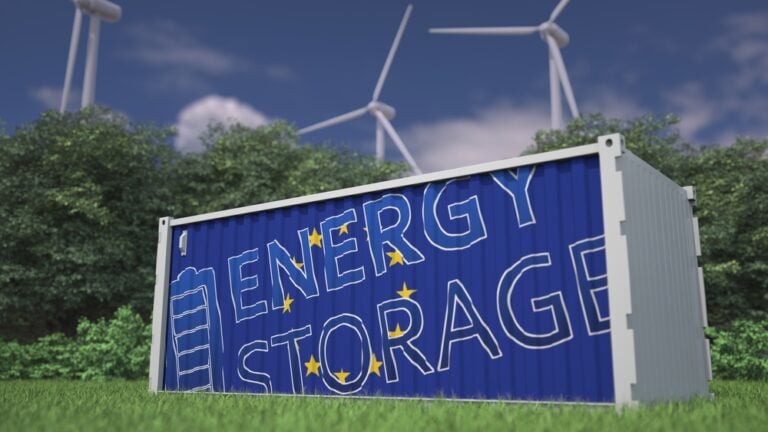
With the growing demand for energy storage, stakeholders stress the need for an EU Energy Storage Action Plan. This plan could boost development in this vital sector.
Current Growth Trends in Europe’s Battery Storage Market
The SolarPower Europe report shows that battery storage installations in Europe are growing steadily. In 2024, the market achieved a 15% growth, contributing to a broader landscape poised for transformation in the coming years.
Europe’s battery energy storage market will grow quickly in the next few years, but not fast enough. By 2025, new installations will add 29.7 GWh, a 36% increase from the year before.
By 2029, total capacity will climb to nearly 120 GWh, reaching 400 GWh overall (334 GWh in the EU-27). To fully support a renewable energy system, the EU-27 needs 780 GWh by 2030, according to the Mission Solar 2040 study.
The European Market Outlook for battery storage shows that growth comes from the rising demand for effective energy storage. This is key for using renewable energy sources like solar and wind.
These statistics underline the importance of energy storage in achieving the region’s climate goals. The European market is increasingly using these storage technologies. They help connect renewable energy production with consumption during the energy transition.
Experts say that, despite positive growth trends, the current path might not reach the EU’s renewable energy goals. SolarPower Europe’s report highlights that to meet the goals of the European Green Deal, the region has to take strategic steps to drive progress.
Broader EU Policy Support for Energy Storage
Europe’s energy storage sector gains from policies that support the Energy Storage Action Plan. The REPowerEU initiative aims to deploy 900 GW of renewable capacity by 2030, sharply increasing storage needs.
Moreover, the EU Battery Regulation requires 70% recycling efficiency for lithium. It also enforces strict due diligence for raw materials. These frameworks boost investor confidence. They also support circular economy practices and align efforts with climate goals.
The Call for an EU Energy Storage Action Plan
Europe needs a clear Energy Storage Action Plan to increase its renewable energy capacity. This initiative could tackle the slowdown in growth rates. It also offers a clear plan to improve energy storage infrastructure across the continent.
Walburga Hemetsberger, CEO of SolarPower Europe, highlighted this, saying:
“If Europe has already entered the solar age, the battery storage age is just beginning. With solar energy mainstreaming across the continent, now is the time for European decisionmakers to put batteries at the centre of a flexible, electrified, energy system. We urge the European Commission to double-down on their efforts here and come forward with an EU Energy Storage Action Plan as part of a broader Energy System Flexibility Package. The recent electricity outage in the Iberian Peninsula is a stark reminder of why this is important.”
Stakeholders such as SolarPower Europe advocate for the establishment of a comprehensive framework that would include:
Investment incentives to bolster battery storage technologies.
Structured regulatory frameworks to streamline approvals and deployment of energy storage systems.
Research and innovation funding targeting advanced battery technologies.
A unified action plan could tackle the main challenges faced by battery storage deployment. Many industry stakeholders think that without quick action, growth might slow down. This could threaten Europe’s long-term sustainability and energy resilience goals.
Europe vs. The World: Can the Continent Stay Competitive?
Europe’s battery storage market faces global competition. China led installations in 2023 with 35 GWh deployed, backed by large subsidies and supply chain dominance.
The United States aims to deploy 700 GWh of energy storage capacity by 2030, as recommended by the Solar Energy Industries Association (SEIA).This ambitious goal gets support from the $370 billion in clean energy incentives under the Inflation Reduction Act.
Source: SEIA
Europe’s focus on sustainability offers differentiation, but it must close cost and scale gaps to compete globally.
The implications of the current battery storage landscape extend beyond immediate growth figures. As Europe strives toward its energy transition goals, the integration of sustainable energy solutions is paramount.
The battery storage market needs to change. This change is important to handle the rising electricity demand from renewable sources. By 2025, demand is expected to increase significantly.
Experts believe the energy transition needs faster adoption of storage tech. This will not only support current systems but also help develop new solutions for better energy management.
As governments and industries team up for greener policies, the need for data-driven insights will likely increase. These insights will help guide smart investments in energy infrastructure.
New initiatives, like mapping tools that track sustainable energy storage in real-time, show how technology helps energy stakeholders. These tools help stakeholders make smart choices. They also aid in strategic planning that can boost the performance of battery storage systems.
Also, as the market faces uneven growth, industry leaders say energy storage solutions are key. They support the expected rise in renewable energy capacity across Europe.
What Lies Ahead in Battery Storage Developments
Demand for renewable energy is rising fast. Experts predict a big focus on energy storage investments in the near future. The EU set strong goals to cut greenhouse gas emissions, and energy storage is key to reaching these targets.
Analysts predict several trends shaping the battery storage market over the next few years:
Increased Private Sector Investment. Private entities are becoming key players, investing heavily in battery technologies.
Technological Advancements. Innovations in battery technologies are likely to enhance efficiency and lower costs.
Policy Support. Government policies will play a pivotal role in shaping the market landscape, driving demand for sustainable battery solutions.
As these factors merge, the outlook for Europe’s battery storage sector appears optimistic. Without a dedicated Energy Storage Action Plan, the sector risks falling short. This could hinder progress toward the region’s renewable energy goals.
The urgency for a strategic response from policymakers is evident. As Europe approaches the key 2025 benchmark, the choices made now will shape the region’s path to a sustainable energy future.
The U.S. wind energy sector is at a key point. Eighteen states, with New York in the lead, have sued the Trump administration. This lawsuit comes after a halt on offshore wind projects.
The lawsuit claims that stopping permits is illegal. It threatens job growth and blocks important progress in clean energy. This legal challenge will greatly affect the future of renewable energy in the U.S. The need to fight climate change is becoming more urgent.
The Legal Challenge: States Unite Against the Trump Administration
Eighteen states have come together to challenge the Trump administration. They are opposing the recent pause on wind energy project permits, especially for big projects like Empire Wind. Advocates say the legal challenge is vital. It’s key for both renewable energy progress and the economic health of the states involved.
New York’s Attorney General Letitia James remarked:
“This administration is devastating one of our nation’s fastest-growing sources of clean, reliable, and affordable energy. This arbitrary and unnecessary directive threatens the loss of thousands of good-paying jobs and billions in investments, and it is delaying our transition away from the fossil fuels that harm our health and our planet.”
The lawsuit highlights key issues. States say the pause disrupts project timelines. This leads to higher financing risks and job losses in clean energy sectors. The states, including strongholds like California and Illinois, say they need quick action.
They want to fight against the federal interference’s negative effects. They highlight how it harms investments meant for job creation in renewable energy industries.
The states say the Trump administration’s choice shows wider policy issues. They warn this could harm the U.S. competitive edge in the global clean energy market. They think the administration is delaying important wind energy projects. This could hurt the country’s chances of meeting its climate goals.
The Global Wind Energy Council (GWEC) reports that global offshore wind capacity exceeded 75 GW by the end of 2023. Europe and China are at the forefront of this growth.
China alone installed nearly 5 GW of offshore wind in 2023, reflecting its aggressive expansion into clean energy markets. In contrast, the U.S. has under 50 MW of operational offshore wind power. This highlights how permitting delays widen the competitive gap.
The wind energy sector currently supports over 120,000 jobs nationwide and generates approximately 10.2% of the country’s electricity. As of Q4 2023, the U.S. boasts more than 145 GW of installed wind capacity, yet the halt on permitting threatens to stifle this growth.
Source: IEA
Analysts say the pause might cause a loss of about $2.6 billion in the affected states. If the freeze continues, it could endanger jobs in the wind sector. Many related jobs in construction, manufacturing, and engineering are also at risk.
Offshore wind projects may take time to develop, but they offer great chances for job creation and economic growth. Current estimates show over 40 GW of announced offshore wind capacity. This signals a growing industry that attracts multinational investments.
Top companies like Ørsted, Equinor, and BP are already making their mark. They boost local economies by improving infrastructure and creating jobs.
The U.S. Department of Energy (DOE) estimates that developing 30 GW of offshore wind capacity by 2030 could create up to 77,000 jobs and reduce 78 million metric tons of carbon emissions.
Moreover, the National Renewable Energy Laboratory (NREL) says offshore wind could provide up to 2,000 terawatt-hours (TWh) of electricity each year. This amount is about 50% of the total U.S. electricity use in 2023.
The states’ legal challenge shows the need for a stable permitting process. This stability is crucial for the wind sector to grow effectively. Analysts predict that the industry will have the following growth trajectory.
The current landscape for U.S. wind energy is marked by substantial uncertainty due to the halting of project permits. Offshore wind investment is expected to top $100 billion by 2035. This could create around 83,000 new jobs. However, ongoing federal chaos could push investors to seek safer markets in Europe and Asia.
According to BloombergNEF, global investment in offshore wind hit a record $76.7 billion in 2023, with Europe capturing over 45% of this total. Meanwhile, U.S. offshore wind investment was just over $4 billion last year. This shows how policy inconsistencies slow down capital compared to other countries.
Despite the inherent challenges, the fundamentals of the U.S. wind energy sector remain strong. The current project pipelines, worth billions, show a strong demand for renewable investments. This is especially true in the Northeast.
The ACP says a clear permitting process is key. It helps restore investor confidence and re-establishes the U.S. as a leader in clean energy innovation.
Coastal local economies are eager for offshore wind projects. They hope these initiatives will boost growth in shipbuilding, port construction, and turbine manufacturing. The Business Network for Offshore Wind states that more than 1,500 U.S. companies are in the offshore wind supply chain.
However, permitting freezes could slow down the growth of this ecosystem. The delay in permits, along with ongoing uncertainty, slows progress. This may hurt statewide energy goals that aim to cut emissions and boost economic growth.
Winds of Change: What’s at Stake for U.S. Climate Goals
As the legal proceedings advance, the battle over wind project permitting encapsulates broader conflicts surrounding energy policies in the United States. This state lawsuit’s outcome could set a key precedent. It may impact not only wind energy but also the entire clean energy sector in the future.
The stakes are high, and as climate actions intensify globally, the U.S. must resolve its policy inconsistencies to keep pace. This legal challenge affects more than just energy projects. It ties into national goals from the Paris Agreement and the move towards net-zero emissions.
The former Biden administration aimed for 100% carbon-free electricity by 2035. It also targeted net-zero emissions across the economy by 2050. Offshore wind is key to meeting these goals. The federal plan aims for at least 30 GW of offshore wind by 2030 and 110 GW by 2050.
Stakeholders are watching closely, hoping for a resolution that allows for the swift restoration of permitting processes. The Trump administration will need to navigate these challenges carefully as it strives to restore investor confidence and ensure a sustainable future for renewable energy.
Uber Technologies Inc. kicked off 2025 with strong financial results, reflecting both business growth and effective cost management. Beyond its financial success, Uber is advancing its sustainability goals, with targets to become fully zero-emission by 2040.
The company is committed to supporting EV adoption and switching to sustainable packaging. It also continues its broader Environmental, Social, and Governance or ESG initiatives. This shows Uber’s focus on both growth and environmental impact.
This article discusses Uber’s financial performance, sustainability efforts, and its path toward becoming a leader in zero-emission mobility.
Riding High: Uber’s Blockbuster Q1 2025 Results
For the quarter ending March 31, 2025, Uber reported revenue of $11.53 billion, a 13.8% increase compared to the same period in 2024. The revenue growth was fueled by steady increases in both its Mobility and Delivery segments. Here’s the breakdown of its total revenue by segment:
Mobility revenue rose by 15% to $6.5 billion
Delivery revenue rose by 18% to $3.8 billion
Freight revenue, however, dipped by 2% to $1.26 billion
Overall Gross Bookings, a key indicator of demand on Uber’s platform, grew 14% year-over-year to $42.8 billion. Notably, total trips completed climbed 18% to 3.04 billion, underlining strong consumer engagement.
Source: Uber Financial Report
On profitability, adjusted EBITDA or earnings surged 35% to $1.87 billion, surpassing expectations. Operating income jumped to $1.2 billion, up from just $172 million a year earlier. Free cash flow soared 66% to $2.25 billion, reflecting Uber’s focus on controlling costs and driving operational efficiencies.
CEO Dara Khosrowshahi said:
“We kicked off the year with yet another quarter of profitable growth at scale, with trips up 18% and even stronger user retention. Supported by the consistent strength of our core business, we continue to build towards the future, including five new autonomous vehicle announcements in just the last week.”
Uber expects Q2 2025 gross bookings between $45.75 billion and $47.25 billion. They also project adjusted earnings of $2.02 billion to $2.12 billion. This shows they are still growing, even with challenges like regulatory changes and higher driver costs.
Full Speed to Zero: Uber’s Bold Emissions Goals
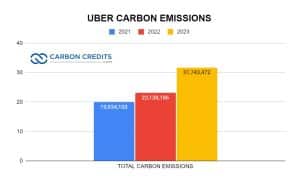
Alongside financial progress, Uber continues to push forward its sustainability agenda. As shown above, the company’s emissions have been rising from 2021 to 2023, putting more pressure on its emission reductions.
The company has set a clear long-term goal:
Become a fully electric, zero-emission mobility platform by 2040 globally, with a closer target of 100% zero-emission rides in the U.S., Canada, and Europe by 2030.
To achieve this, Uber is investing in several strategies to help drivers transition to electric vehicles (EVs) and make sustainable transportation more accessible.
Progress on Electrification (as of late 2024)
182,000 ZEV drivers globally — up 75% YoY
86 million zero-emissions trips completed globally — up 70% YoY
11.7% of on-trip miles in Europe from ZEVs
8.8% of on-trip miles in the U.S. and Canada from ZEVs
Uber ZEV Drivers
Source: Uber
By the end of 2025, Uber aims to achieve several key sustainability goals. One is to make all rides in London and Amsterdam zero-emission. Also, ensure that half of all mobility kilometers in seven European capitals use electric vehicles (EVs).
Also, 80% of restaurant orders on Uber Eats in Europe and Asia Pacific will switch from single-use plastics to sustainable packaging. This includes options like reusable, recyclable, or compostable materials. Uber has already achieved a 100% renewable energy match in its U.S. offices, which was completed in 2023.
Looking further ahead, Uber’s goal by the end of 2030 is to make 100% of rides in Canada, Europe, and the U.S. zero-emission. Also, it aims to have 100% of deliveries in seven European capitals be zero-emission.
Moreover, all Uber Eats restaurant merchants will use sustainable packaging worldwide. By 2040, Uber aims for all rides and deliveries to use zero-emission vehicles, micromobility options, or public transit.
Uber launched Uber Green to speed up adoption. It allows riders to request low- or zero-emission rides in more than 100 cities around the world. Uber also partners with automakers like Nissan, Hyundai, and GM. They provide discounts and incentives for drivers buying EVs.
Since 2020, Uber has put in $439 million of its planned $800 million to help drivers switch to electric vehicles. Support includes:
Incentives and bonuses for EV drivers
Discounted EV charging through partners like BP and EVgo
Vehicle rental programs featuring EVs
Upfront cash grants for switching to EVs
All these efforts resulted in a lower passenger carbon intensity. This metric measures the grams of CO₂ per passenger mile traveled, including emissions from empty “deadhead” miles. Uber and other companies use this annual metric to track climate impact and efficiency in ridesharing and on-demand mobility services.
Source: Uber
Broader ESG Strategy: Beyond Carbon Reduction
Uber’s sustainability vision extends beyond just decarbonization. The company’s ESG commitments span across climate action, social equity, governance, and community engagement.
Social Impact
Diversity & Inclusion. Uber releases a yearly People & Culture Report. It shows more women and underrepresented groups in leadership roles.
Accessibility. Expanded options like Uber WAV (Wheelchair Accessible Vehicles) and Uber Assist for riders with mobility needs.
Driver Support. Programs aim to boost driver safety, health, and earnings stability. They include real-time safety features and in-app resources.
Governance & Ethics
Ethics & Compliance Program Charter: Sets standards for corporate conduct, anti-corruption, and data privacy.
Transparency Reporting: Uber discloses data on safety incidents, law enforcement requests, and other governance matters
Uber also supports local communities through initiatives like:
Uber Health: Helping healthcare providers arrange rides for patients
Emergency Response: Partnering with authorities to support evacuation or relief efforts in disasters
Food Access: Collaborations with food banks and nonprofits to address food insecurity
Aligning Growth with Sustainability
Uber’s strategy recognizes that long-term financial success and sustainability go hand-in-hand. CEO Dara Khosrowshahi stated,
“Our goal is to help people move and eat sustainably, while supporting drivers and couriers to thrive.”
By embedding ESG into core operations — whether that’s decarbonizing rides, improving driver livelihoods, or engaging with communities — Uber is positioning itself as a responsible, forward-looking mobility leader.
Uber’s Q1 2025 results highlight a company balancing strong financial performance with bold sustainability ambitions. The mobility company is in a strong position. It has record cash flow, more trips, and increasing electrification efforts. This will help the company handle challenges in the market and with regulations.
Looking ahead to Q2 and beyond, a strong focus on financial durability and environmental leadership will define Uber’s role in the changing mobility sector.
Microsoft has made significant strides in its sustainability initiatives by expanding its partnership with Stockholm Exergi to a groundbreaking $1.4 billion agreement focused on carbon dioxide removal (CDR).
Microsoft Enhances Carbon Removal Commitment via Expanded Partnership with Stockholm Exergi
This enhanced collaboration is not only set to capture 800,000 tonnes of CO₂ annually starting in 2028, but will also aim for over 5 million tonnes of climate-impactful removals over a decade.
This deal marks the largest permanent CDR commitment made by any corporation to date and sets a new standard in the realm of carbon removal technologies.
The Bioenergy with Carbon Capture and Storage (BECCS) model is central to this agreement. According to the International Energy Agency (IEA), BECCS is anticipated to account for 10-15% of the cumulative CO₂ removal required to achieve global net-zero goals by 2050.
However, the current state of BECCS deployment is modest, with only about 2 million tonnes being captured annually as of 2023. Nevertheless, there are growing signals of investment and policy momentum that indicate an inflated demand for these technologies.
Operational and planned BECCS capture capacity vs. the Net Zero Scenario, 2022-2030
Source: IEA
Understanding the Market Dynamics Behind BECCS
The growing interest in carbon credits and sustainable practices is transforming the CDR sector. The global market for carbon dioxide removal, which includes both engineered and nature-based solutions, was valued at $2.1 billion in 2023, with forecasts suggesting it could burgeon to over $100 billion by 2030.
As the market matures, BECCS is anticipated to play a critical role in meeting carbon reduction targets.
Specifics of the Stockholm Exergi facility demonstrate its potential to serve as a pivotal case study in scaling BECCS operations within urban energy systems. The facility already utilizes biomass for district heating, perfectly aligning with Sweden’s supportive regulatory framework. Carbon pricing in Sweden exceeds $130 per tonne, creating a conducive environment for the large-scale implementation of CDR projects.
Microsoft’s Sustainability Strategy and Commitment
Microsoft’s long-standing commitment to sustainability includes an ambitious goal to achieve carbon negativity by 2030, alongside a plan to remove all historical emissions by 2050.
In fiscal year 2023 alone, the tech giant secured 1.4 million tonnes of carbon removal, 40% of which originated from engineered solutions like BECCS.
This partnership with Stockholm Exergi significantly broadens Microsoft’s portfolio and illustrates corporate confidence in long-duration carbon removal technologies.
As the demand escalates for transparent and verifiable CO₂ removal, standards are tightening. Independent evaluations, such as those provided by Carbon Direct, have become essential in validating the effectiveness and durability of carbon removal projects.
These due diligence efforts establish credibility, which is increasingly important as both regulatory frameworks evolve and the voluntary carbon market matures.
This strategic alignment between a tech giant and a leading sustainable energy company can reshape perceptions and expectations within the carbon credits market.
Corporations like Microsoft, Stripe, and Shopify are spearheading commitments to advance-market purchases, showcasing their roles as key players in promoting durable carbon removal solutions.
As the regulatory landscape shifts to favor permanent and measurable CDR solutions, BECCS is projected to command a growing premium in the voluntary carbon market. Industry experts predict that as more companies adopt similar long-term agreements, the viability of these technologies will be more widely recognized, transforming the CDR landscape.
Source: Microsoft
The Broader Context of Climate Change Mitigation
The urgency of climate change mitigation continues to push organizations to reconsider their environmental footprints critically. Enhancing commitments like Microsoft’s partnership with Stockholm Exergi highlights the growing significance of green technology in addressing climate challenges.
The collective aim is to navigate complex environmental landscapes and foster sustainable practices that align with global climate goals.
In summary, the partnership between Microsoft and Stockholm Exergi exemplifies the power of collaboration in combating climate change through cutting-edge technology and innovation. As the carbon removal market evolves, such initiatives will be pivotal in driving transparency and accountability while fostering a more sustainable future.
Sustainable investing has gained tremendous traction, with younger investors leading the charge. A recent Morgan Stanley report shows that 84% of U.S. individual investors are interested in sustainable investing. Among Millennials and Gen Z, this interest jumps to 85%. This trend highlights a big shift in financial priorities, as younger investors want their strategies to match their values.
Why Young Investors Prefer Sustainability
A key factor boosting the appeal of sustainable investments is investor confidence in financial performance. About 68% of people in Morgan Stanley’s surveys think sustainable investments can provide returns that are as good or better than traditional ones. This belief rose from 57% in 2019, which shows a clear trend. More people accept sustainable finance as a valid investment strategy.
84% of U.S. individual investors express interest in sustainable investing, 77% globally.
Researchers recorded an 85% interest rate among Millennials and Gen Z.
Confidence in performance has increased from 57% in 2019.
About 84% believe that ESG funds can deliver returns that match the market while also creating positive social or environmental impacts.
Source: Morgan Stanley
Newer market data reinforces this confidence. In the fourth quarter of 2024, global sustainable open-end and exchange-traded funds (ETFs) saw record inflows of $16 billion. This amount is nearly double the $9.2 billion from the previous quarter.
These steady inflows show that investors see sustainable assets as financially competitive. This is especially true as more data on long-term returns come out.
Younger generations, especially Gen Z and Millennials, care about ethical investing. They also want to secure their financial futures. They link sound financial performance to eco-friendly investments. This shift is changing the investment landscape and making sustainable finance a key part of mainstream investing.
Market Trends in Sustainable Investing
The growing momentum of sustainable investing reflects a larger market shift. Global sustainable assets under management (AUM) are about $30 trillion now. Bloomberg analysts expect them to rise to over $40 trillion by 2028.
Source: Bloomberg
Investors want more, and strong performance numbers support this explosive growth. This trend shows that customers care more about ethics in their investments, not just profits.
In the U.S., sustainable investment assets reached $6.5 trillion by the end of 2024. This amount makes up around 12% of all professionally managed assets. Meanwhile, sustainable funds’ assets globally reached $3.56 trillion, marking a 4.8% increase from the prior year.
Sustainable funds made up 6.8% of total assets, down from 7.3% in 2023. Still, strong inflows show that investors remain interested, even with market ups and downs.
Remarkably, the Morgan Stanley survey suggests that nearly 80% of global investors take a company’s carbon footprint reporting and its plans to cut greenhouse gas emissions into account when deciding on new investments.
Source: Morgan Stanley
However, this does not mean traditional energy companies are excluded. In fact, 51% of investors are open to investing in traditional energy companies if they have strong plans to lower emissions and address climate change.
This interest is even higher among investors who are very focused on sustainable investing:
62% of those highly interested in sustainable investing would consider traditional energy firms with solid climate plans.
55% of those who list climate action as a top priority would also invest under these conditions.
Source: Morgan Stanley
Investors are clearly looking for companies to show clear strategies for reaching their decarbonization goals. At the same time, many individual investors are also seeking ways to reduce the carbon footprint of their own portfolios. More than 60% said they would likely buy carbon offsets if they were available.
Gen Z and Millennials: The New Financial Powerhouses
Generational influence is palpable in today’s financial markets. Gen Z and Millennials make up almost 60% of the global workforce. This gives them the power to shape corporate strategies and practices.
These two generations are not only prepared to invest but also to drive sustainable consumption patterns. Their values focus on social responsibility and longevity. These beliefs guide the path of sustainable finance.
The survey found that younger investors show much stronger interest in sustainable investing than older groups. 99% of Gen Z (ages 18–28) and 97% of Millennials (ages 29–44) are interested, with about 70% of each group “very interested.”
68% of Gen Z and 65% of Millennials have over 20% of their portfolios in investments with positive social or environmental impact, compared to 37% of Gen X and 22% of Baby Boomers.
Additionally, 80% of Gen Z and Millennials plan to increase these investments, versus 56% of Gen X and 31% of Boomers.
Corporate reporting has adapted accordingly. In 2024, about 90% of S&P 500 companies have published ESG reports. Many of these reports explain how climate change and social factors affect their operations and long-term plans. This rise in ESG disclosures signals that companies recognize investor expectations regarding transparency and sustainability.
The Future of Sustainable Investing
The implications of this shift are significant. Sustainable investing has transitioned from a perceived ethical choice to a financially sound strategy. As regulations grow, following ESG principles is now essential. Companies must adopt these practices to ensure long-term success and earn investor trust.
In the U.S., the SEC plans to complete climate disclosure rules by 2025. Companies must share detailed data on their greenhouse gas emissions and climate risks.
The U.K. will start new rules in April 2025. Funds using terms like “sustainable” or “ESG” must meet strict criteria. These rules are based on one of four official fund classifications. These developments aim to reduce greenwashing risks and offer clearer information to investors.
Yet, the market faces short-term hurdles. In March 2025, ESG-focused mutual funds and ETFs saw a net outflow of $2.94 billion. This shows that investors are cautious due to political pushback and economic uncertainty. Moreover, ESG bond fund revenue growth has stagnated in Europe, rising just 2% in 2024.
Despite current headwinds, the long-term outlook remains strong. A US SIF survey shows that 73% of asset managers expect sustainable investing to continue growing rapidly over the next two years. Several factors drive this optimism. These include client demand, changing regulations, better ESG data quality, and corporate innovation.
This shift shows that sustainable investing is here to stay. It is changing how consumers behave and how companies plan, and it is happening on a large scale. This will change financial landscapes in the years ahead.
In the first quarter of 2025, pharmaceutical giants Novartis and AstraZeneca posted impressive financial results. Both were driven by strong drug performance and strategic investments.
At the same time, each firm made notable strides in reducing carbon emissions and pushing toward ambitious sustainability targets. This head-to-head comparison looks at their Q1 2025 financial performance and environmental impact to see which company came out on top.
Novartis Sales Jump in Q1 2025
Novartis delivered a strong start to 2025, reporting first-quarter sales of $13.2 billion—up 15% in constant currency. This surpassed analysts’ estimates of $13.12 billion. As a result, the company raised its full-year outlook. It now expects high single-digit sales growth and low double-digit growth in core operating income.
Operating income surged 44% to $4.7 billion, while net income rose 37% to $3.6 billion. Core operating income reached $5.6 billion, driven by solid sales and disciplined spending.
Source: Novartis
Blockbuster Drugs Power Growth
Several key medicines fueled this strong performance:
Entresto: $2.26 billion (+22%)
Cosentyx: $1.53 billion (+18%)
Kisqali: $956 million (+56%)
Leqvio: $257 million (+72%)
Moreover, Novartis continued to focus on four high-impact areas like cardiovascular, immunology, neuroscience, and oncology. At the same time, it increased investments in cutting-edge platforms like gene therapy, radioligand therapy, and xRNA. The company also pushed for deeper market penetration in the US, China, Germany, and Japan.
Cash Flow Up, But Debt Grows
Free cash flow jumped 66% to $3.4 billion. However, net debt rose to $22.3 billion. This increase was mainly due to a $5.3 billion dividend payout, share repurchases, and investments in intangible assets.
Growth Outlook Remains Strong
Looking ahead, Novartis plans to accelerate growth through innovation and new product launches. It remains committed to R&D, digital technologies, and global expansion. Backed by strong cash generation and solid credit ratings, the company remains well-positioned for the rest of the year.
Vas Narasimhan, CEO of Novartis commented,
“Novartis has had a strong start to the year, delivering a +15% cc increase in sales and a +27% cc rise in core operating income in Q1. Our priority brands, including Kisqali, Kesimpta and Leqvio, continue to show strong momentum, which we anticipate will drive our growth through 2030 and beyond. We also achieved significant innovation milestones in the quarter, with new approvals for Pluvicto in the pre-taxane setting, Vanrafia for IgA nephropathy, and Fabhalta for C3G. Additionally, we completed global submissions for remibrutinib in CSU, the first indication for this promising pipeline-in-a-pill. We remain focused on advancing our leading pipeline and confident in achieving our growth outlook.”
Novartis on Track to Meet 2025 Sustainability Goals
Novartis is making steady progress toward its environmental goals. The company has already met its 2025 targets for reducing water use and waste. The Taskforce on Nature-related Financial Disclosures (TNFD) framework guides its broader sustainability efforts, showing a deep commitment to protecting the planet.
Source: Novartis
Big Cuts in Carbon Emissions
Novartis is cutting its carbon footprint aggressively. It plans to reach carbon neutrality in Scope 1 and 2 emissions by 2025. It follows the Science-Based Targets initiative and supports global efforts to limit climate change to 1.5°C.
By 2030, it aims to slash emissions by 90% from 2022 levels. The company also targets a 42% cut in Scope 3 emissions from suppliers and product use.
Scope Emissions
In 2023, Scope 1 and 2 emissions totaled 298 tCO₂e, and Scope 3 emissions were 4,529 tCO₂e.
Most of the company’s environmental impact, about 95%, comes from direct operations such as land use, water use, and upstream emissions.
Source: Novartis
Novartis intends to achieve net-zero emissions across its entire value chain by 2040.
Source: Novartis
Clean Energy Initiatives
The pharma giant plans to switch to 100% renewable electricity by 2025. To meet this goal, it’s investing in clean energy projects like biomass steam systems, electric boilers, solar thermal energy, and electric vehicles for its fleet.
The company also works closely with suppliers to add environmental standards to its contracts.
Water and Waste Goals Achieved
Novartis has reduced water usage at key sites, especially in water-stressed regions. It ensures no harmful impacts on water quality from its factories, labs, or suppliers.
On the waste front, the company plans to reduce disposal by 30%, making its operations cleaner and more efficient.
New Focus on Nature and Raw Materials
The company is expanding its efforts to protect nature and improve raw material sourcing. Some measures include biodiversity assessments at sites near sensitive ecosystems and creating nature management plans where needed.
Additionally, it’s shifting to more sustainable materials, starting with paper-based packaging.
Source: Novartis
Novartis is building a greener future through innovation, strong partnerships, and responsible action. From carbon cuts to water savings, the company is proving that environmental progress and business growth can go hand in hand.
AstraZeneca’s Q1 2025: Sales and Profit Soar on Strong Drug Performance
AstraZeneca posted a 10% rise in revenue at constant exchange rates, reaching $13.59 billion in Q1 2025, up from $12.68 billion last year. This growth came from strong demand for cancer and biopharma drugs across all key markets. The company’s net profit grew by 34% to $2.92 billion.
Source: AstraZeneca
Tagrisso Leads the Pack
Tagrisso, AstraZeneca’s top lung cancer drug, generated $1.68 billion in sales. It was the company’s highest-selling medicine and the biggest driver of growth this quarter.
Furthermore, AstraZeneca saw strong R&D progress with five positive Phase III trials and 13 new drug approvals in major regions. Key oncology trials included DESTINY-Breast09, SERENA-6, and MATTERHORN.
Smart Deals to Fuel Long-Term Growth
In the first quarter of 2025, AstraZeneca made several smart business moves to strengthen its pipeline and technology base. It is heavily investing in cutting-edge technologies and expanding its global research and development (R&D) presence. These moves are aimed at driving long-term growth and staying ahead in the biopharma space.
JV for Vaccine Launch
Launched a vaccine joint venture in China with BioKangtai and entered research partnerships with Syneron Bio and Tempus AI to boost innovation in cancer treatment.
Advancing Cell Therapy
Proposed to acquire EsoBiotec to enter the in-vivo cell therapy space. EsoBiotec’s technology allows for “off-the-shelf” cell therapies, meaning ready-to-use treatments that don’t require custom patient cells.
Exploring Novel Drug Technologies
Partnered with Harbour BioMed to develop multi-specific biologics, which can target multiple disease pathways at once.
Teamed up with Syneron to create macro-cyclic peptides, a new type of molecule that could improve how drugs work in the body.
Improving Drug Delivery Methods
Gained exclusive rights to ALT-B4 from Alteogen. This technology helps deliver drugs under the skin instead of by IV.
Working on subcutaneous (under-the-skin) versions of several cancer drugs, making treatment faster and more comfortable for patients.
AstraZeneca’s Q1 2025 results show a strong push toward future-ready healthcare solutions. With new partnerships, acquisitions, and delivery tech, the company is setting itself up for long-term success in global markets.
Pascal Soriot, Chief Executive Officer, AstraZeneca, commented on the results:
“Our strong growth momentum has continued into 2025 and we have now entered an unprecedented catalyst-rich period for our company.
Already this year we have announced five positive Phase III study readouts, including most recently the highly anticipated DESTINYBreast09 for Enhertu, as well as SERENA-6 for camizestrant and MATTERHORN for Imfinzi; the latter two of these will feature in the ASCO 2025 plenary sessions, reflecting the significance of these data to the oncology community.
Our company is firmly committed to investing and growing in the US and we continue to benefit from our broad-based source of revenue and global manufacturing footprint, including eleven production sites in the US covering small molecules, biologics as well as cell therapy. Additionally, we have even greater US investment in manufacturing and R&D planned, leveraging our two large R&D sites in Gaithersburg MD and Cambridge MA. Overall, we are making excellent progress toward our ambition of eighty billion dollars in Total Revenue by 2030.”
AstraZeneca is Driving Sustainability with Science and Action
AstraZeneca is making major progress on its journey to a net-zero future. Through its ambitious “Ambition Zero Carbon” strategy, the company is investing $1 billion to cut emissions, switch to clean energy, and lead the healthcare sector toward a more sustainable model.
AstraZeneca plans to go carbon negative by 2030.
Scope 1 and 2 Emissions
The company has significantly reduced its direct emissions. Gross Scope 1 and 2 GHG emissions (market-based) dropped from 200,838 tonnes in 2023 to 139,594 tonnes in 2024, highlighting substantial progress in cutting emissions across its operations.
Since 2015, AstraZeneca has reduced its Scope 1 and 2 greenhouse gas emissions by an impressive 77.5%. The company remains firmly on track to meet its ambitious target of a 98% reduction in these direct emissions by 2026.
Source: AstraZeneca
Scope 3 Emissions
In 2024, AstraZeneca reported 5,897,822 tonnes of Scope 3 emissions, slightly down from 5,917,160 tonnes in 2023, showing a small but steady reduction in indirect emissions.
This progress reflects AstraZeneca’s strong commitment to climate action through clean energy use and operational efficiency.
Electric Fleets and Smarter Energy Use
63% of company vehicles are now fully electric; the goal is 100% by 2025
97% of the electricity used at company sites comes from renewable sources
Energy consumption has dropped 20% since 2015
Energy productivity has jumped 147%, showing better efficiency with less energy use
AstraZeneca’s progress shows how innovation, science, and sustainability can work hand-in-hand to build a healthier planet.
Clean Heat for Global Sites
AstraZeneca is replacing fossil fuels with clean, renewable heat at its sites around the world:
US: Partnered with Vanguard Renewables to turn food and farm waste into renewable natural gas. Will heat all US R&D and manufacturing sites by 2026.
UK: Working with Future Biogas to supply green gas to major UK sites (Macclesfield, Cambridge, Luton, Speke).
China: Partnering with China Resources Gas to bring clean heat to its Wuxi plant, aiming to cut emissions in China by up to 80%. This is the first clean heat deal of its kind in the Chinese healthcare industry.
A Focus on Circular Solutions
AstraZeneca is cutting waste and reusing more materials. Instead of throwing things away, it focuses on recycling and the smarter use of resources.
The company is reducing single-use plastics. It’s also improving packaging to be more eco-friendly. In addition, AstraZeneca is working closely with suppliers to make greener choices.
Its factories now reuse materials and recycle more. As a result, operations are cleaner and more efficient. These efforts help protect the planet and inspire change across the healthcare industry.
So, Who Won the Profit and Net-Zero Game?
Novartis outperformed financially due to blockbuster drugs and strong cost discipline, while AstraZeneca led the way on sustainability, with steeper carbon cuts and near-complete renewable energy use.
To provide the best experiences, we use technologies like cookies to store and/or access device information. Consenting to these technologies will allow us to process data such as browsing behavior or unique IDs on this site. Not consenting or withdrawing consent, may adversely affect certain features and functions.
Functional
Always active
The technical storage or access is strictly necessary for the legitimate purpose of enabling the use of a specific service explicitly requested by the subscriber or user, or for the sole purpose of carrying out the transmission of a communication over an electronic communications network.
Preferences
The technical storage or access is necessary for the legitimate purpose of storing preferences that are not requested by the subscriber or user.
Statistics
The technical storage or access that is used exclusively for statistical purposes.The technical storage or access that is used exclusively for anonymous statistical purposes. Without a subpoena, voluntary compliance on the part of your Internet Service Provider, or additional records from a third party, information stored or retrieved for this purpose alone cannot usually be used to identify you.
Marketing
The technical storage or access is required to create user profiles to send advertising, or to track the user on a website or across several websites for similar marketing purposes.