


The 2026 FIFA World Cup is a global sports event that is becoming a large-scale test of clean energy use in public infrastructure. A key feature of the tournament is the energy design of its stadiums.
Out of the 16 World Cup 2026 host stadiums, 13 are already powered by clean energy through a mix of on-site solar generation, renewable energy credits, clean electricity grids, and renewable power procurement arrangements.
With this, more than 80% of the stadiums are already connected to clean energy systems. This data shows how sports infrastructure is increasingly becoming part of the energy transition.
This marks a shift in how major sports venues operate. Stadiums are no longer just places for games. They are becoming connected parts of local power systems.
Clean Energy Integration Through Stadium Design
In many host cities, energy planning is now part of event preparation. Local authorities and organizers are pushing for lower emissions through energy efficiency rules, cleaner electricity sourcing, and long-term sustainability requirements.
Some stadiums are even targeting 100% renewable electricity during World Cup operations, depending on grid access and contract structures. This reflects a broader trend. Large venues are starting to act as “distributed clean-energy hubs” that interact directly with electricity grids.
Modern stadiums consume large amounts of energy. Lighting, cooling systems, broadcasting equipment, and crowd services all require a constant electricity supply.
To reduce emissions, many 2026 World Cup venues are integrating renewable energy in two main ways.
- The first is on-site generation. Some stadiums are installing solar panels on roofs and surrounding facilities. These systems help reduce reliance on fossil-fuel-based grid electricity during peak hours.
- The second is renewable energy procurement. Stadium operators are signing long-term contracts called power purchase agreements. These agreements let them buy electricity directly from wind and solar projects. This helps match stadium demand with clean energy supply on a yearly or hourly basis.
Together, these approaches reduce the carbon footprint of stadium operations. They also help stabilize energy costs over time.
Energy efficiency upgrades are another key part of stadium design. Host cities are introducing stricter building standards for cooling systems, lighting efficiency, and smart energy management systems. These upgrades reduce total electricity demand, not just emissions intensity.
Host Cities Push Low-Carbon Infrastructure Standards
The clean energy transition in stadiums is not happening by chance. It is being shaped by host city policies and infrastructure requirements.
Across the United States, Canada, and Mexico, World Cup host cities are incorporating climate targets into event planning. These include requirements for energy-efficient buildings, renewable electricity sourcing, and emissions tracking systems.
This is already visible in how specific stadiums are being integrated into city-level sustainability systems:
- BC Place Stadium (Vancouver) operates under British Columbia’s clean electricity grid dominated by hydropower. It aligns stadium operations with provincial decarbonization policy.
- Mercedes-Benz Stadium (Atlanta) is widely recognized for its LEED Platinum certification and on-site solar generation. This reflects city-scale sustainability ambition.
- Levi’s Stadium (Santa Clara) is embedded in California’s renewable energy mandates and Silicon Valley’s broader clean-tech infrastructure ecosystem.
- Estadio BBVA (Monterrey) is aligned with regional efficiency upgrades and modern stadium energy systems tied to municipal development planning.
In some cases, stadium upgrades are tied to long-term city climate goals rather than the tournament alone. This means infrastructure improvements are expected to remain in place long after the World Cup ends.
For example:
- Lincoln Financial Field (Philadelphia) has long operated with large-scale solar integration and energy efficiency retrofits aligned with the city’s emissions reduction strategy.
- Estadio Akron (Guadalajara) reflects Mexico’s growing integration of efficiency upgrades in major sports infrastructure planning.
Some venues are joining the city’s clean energy programs. These programs aim to boost renewable electricity access in urban areas. They connect stadium energy needs with larger energy transition plans. The image below shows how the 16 stadiums operate and the ones with installed solar on-site.

When Stadiums Start Working With the Grid
One of the most important shifts in the 2026 World Cup is how stadiums interact with the power grid. Traditionally, stadiums were passive consumers of electricity. They drew power without influencing supply systems.
Now this model is changing.
According to the Canal Solar dataset, several host venues are already operating as active or semi-active energy participants, not just consumers:
- BC Place Stadium uses a grid mix that benefits from low-carbon electricity, effectively reducing its operational emissions footprint without requiring full on-site generation.
- Mercedes-Benz Stadium integrates on-site solar generation and energy-efficient systems that allow it to offset a meaningful share of peak demand.
- Estadio BBVA represents a newer generation of stadium design where energy systems are optimized for efficiency and lower grid dependency.
- Lumen Field (Seattle) is part of a regional grid where renewable electricity penetration is increasing, enabling more flexible low-carbon operations.
Some stadiums are starting to use smart energy systems. These systems help keep the grid stable by managing demand and optimizing efficiency. While not all World Cup venues currently use large-scale storage, the trend is clearly moving in that direction.
- This creates a new role for stadiums: instead of only consuming electricity, they are beginning to behave like grid-linked clean energy assets.
This shift matters. Electricity systems in North America face pressure from electrification, data centers, and cooling needs. Flexible stadium loads help reduce stress on the system while reinforcing municipal decarbonization goals.
Clean Power Helps, But It’s Only Part of the Climate Equation
The use of renewable electricity in stadiums helps reduce operational emissions. However, it only covers part of the World Cup’s total footprint.
Most emissions from large sporting events come from transportation, construction materials, and supply chains. Stadium energy use is only one piece of the total system.
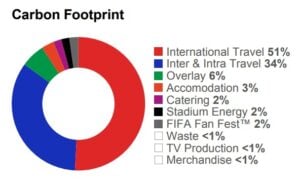
Still, stadium decarbonization plays an important signaling role. It shows how clean electricity can be integrated into high-demand public infrastructure.
Event planning data shows that major sports venues usually produce fewer emissions than travel and logistics. This means stadium upgrades alone cannot make the World Cup fully low-carbon.
However, they can reduce baseline emissions and demonstrate scalable solutions for other large infrastructure projects. This is especially relevant for cities planning future events. Stadium energy systems can serve as prototypes for airports, convention centers, and urban transport hubs.
A Model for Future Infrastructure Transition
The 2026 World Cup is highlighting a new role for stadiums in the global energy transition. With most venues powered by renewable electricity, stadiums are evolving from passive consumers into active participants in energy systems.
They are becoming connected to grids, linked to clean energy contracts, and shaped by city-level climate policies. This shift does not eliminate the broader environmental impact of mega-events. But it does show how infrastructure design can reduce emissions at the operational level.
More importantly, it signals a longer-term change. Stadiums are no longer just sports venues. They are becoming part of the clean energy infrastructure that supports modern cities. As global electricity demand continues to rise, this model may become more common far beyond the World Cup.