

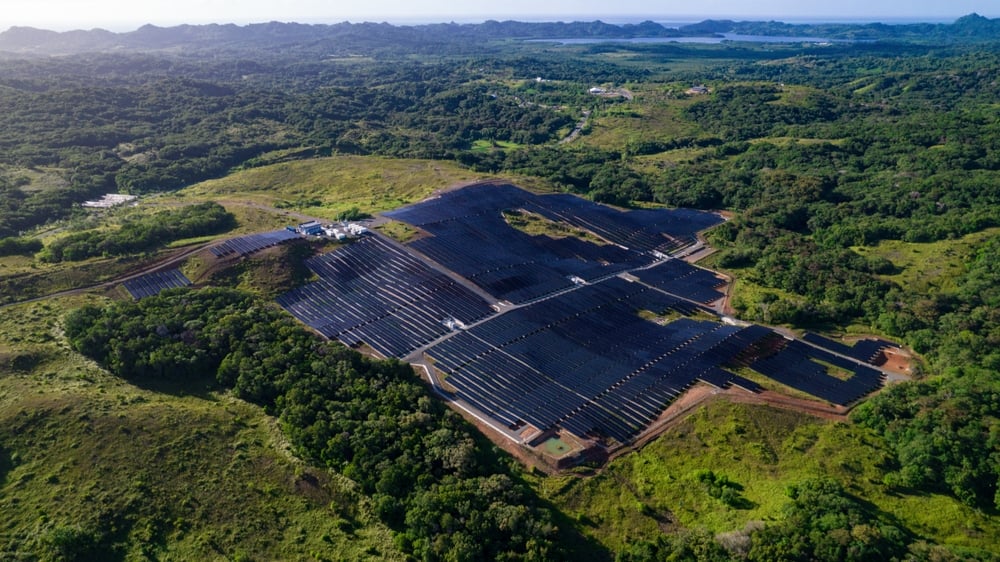
The Philippines has reached a major clean energy milestone. President Ferdinand Marcos Jr. recently inaugurated the first phase of the MTerra Solar Project, which is set to become the world’s largest integrated solar and battery energy storage facility on a single site once fully completed.
The project comes as countries race to expand renewable energy, strengthen energy security, and cut greenhouse gas emissions. For the Philippines, it also marks one of the country’s biggest investments in clean electricity.
A Record-Breaking Renewable Energy Project
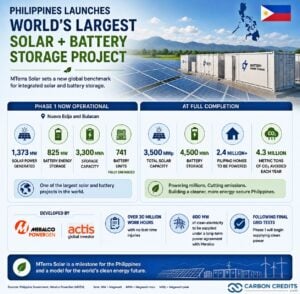
The first phase of MTerra Solar is in Nueva Ecija and Bulacan and has generated 1,373 megawatts (MW) of solar power. Additionally, it features 825 MW of battery energy storage, which holds 3,300 megawatt-hours (MWh) of capacity. It has fully energized 741 battery units. This makes it one of the largest solar and battery projects in the world.
When fully completed, the project will deliver 3,500 MWp of solar capacity backed by 4,500 MWh of battery storage. It could provide electricity to over 2.4 million Filipino homes.
- This will help avoid about 4.3 million metric tons of carbon dioxide emissions each year, as stated by the Philippine government.
Meralco PowerGen (MGEN) and global investor Actis developed the project, which has recorded over 30 million work hours with no lost-time injuries. Following final grid tests, Phase 1 will begin supplying 600 MW of clean electricity under a long-term power agreement with Meralco.
Why Batteries Are the Missing Piece of Clean Energy
Solar panels only generate electricity during the day. Battery storage solves that challenge by storing excess solar power for use after sunset or during periods of high electricity demand. This helps stabilize the grid and reduces the need for fossil fuel power plants.
The International Energy Agency (IEA) says battery storage is becoming one of the fastest-growing energy technologies in the world. As more countries add solar and wind power, large battery systems are becoming essential for delivering reliable electricity around the clock.
For the Philippines, this is especially important. The country has long depended on imported coal and natural gas for power generation. Large battery systems can help integrate more renewable energy while improving grid reliability and reducing fuel imports.
Supporting the Philippines’ Clean Energy Goals
The project also supports the country’s long-term climate plans.
The Philippine Energy Plan targets raising renewable energy’s share in electricity generation to 35% by 2030 and 50% by 2040. Expanding large-scale solar and battery storage is expected to play a major role in reaching those targets.
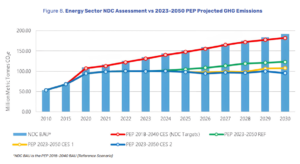
At the same time, electricity demand continues to grow because of population growth, industrial expansion, and digital infrastructure. The Department of Energy (DOE) says the country will need a lot of new power sources in the next twenty years to meet growing demand.
Projects like MTerra Solar help meet that need while reducing emissions. They also improve energy security by producing more electricity from domestic renewable resources instead of imported fossil fuels.
President Marcos said at the inauguration that this project aims to produce clean electricity. It will also help create a stronger, more reliable, and resilient energy system for the Philippines. He further noted that the current energy mix–
“… leaves us more vulnerable to fluctuations in global fuel prices and developments in the international market, as we have experienced in the last few months. It underscores the importance of diversifying our energy sources, and how we must be committed to moving that mix in the direction to favor renewables.”
Reducing Emissions While Strengthening Energy Security
The Philippines still depends heavily on fossil fuels to keep the lights on. According to the DOE, coal supplied about 60-62% of the country’s electricity generation in 2024, making it by far the largest source of power.
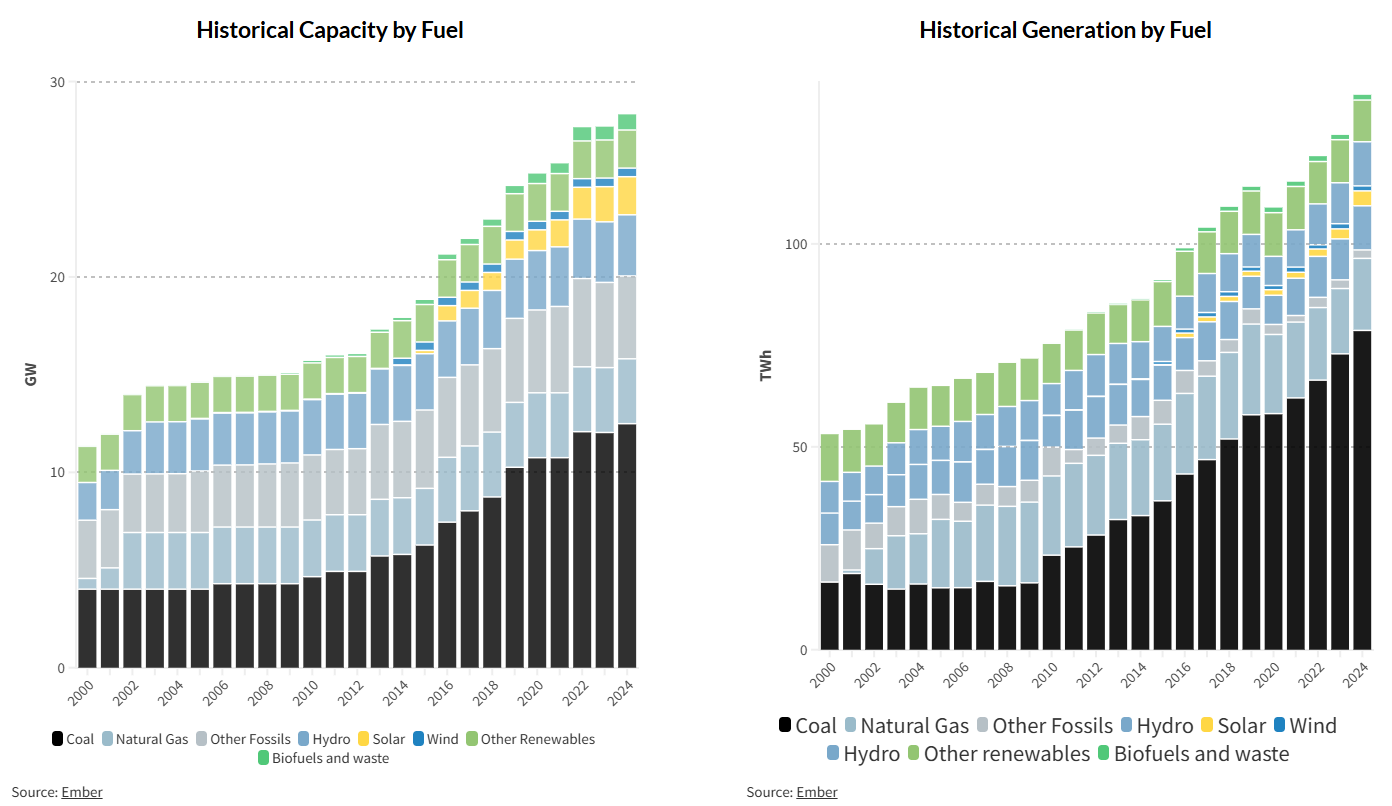
Renewable energy sources like geothermal, hydropower, solar, wind, and biomass made up about 25%. Natural gas supplied most of the rest of the electricity.
This reliance on imported coal and fuel exposes the country to global price swings and supply risks. The IEA notes that many countries now prioritize cutting down on imported fossil fuels. This shift is essential as energy demand keeps increasing.
Large solar and battery projects can help change that. Solar power produces electricity without burning fuel, while battery systems store excess electricity during the day and supply it when the sun is not shining. This reduces the need for coal and natural gas during peak demand and helps stabilize the power grid.
The shift is already underway. Solar generation in the Philippines grew over 30% in 2024. This makes it one of the fastest-growing electricity sources in the country, according to Ember’s Global Electricity Review. As more projects like MTerra come online, they will help lower emissions, improve energy security, and reduce exposure to volatile fossil fuel prices.
MGEN Expands Its Renewable Energy Portfolio
The MTerra Solar project is also an important step in Meralco PowerGen’s (MGEN) clean energy strategy.
The company is expanding its renewable energy portfolio while supporting the country’s transition to a lower-carbon power system. MGEN invests in solar, battery storage, and clean energy tech. This way, they can meet growing electricity demand without depending solely on fossil fuels.
The partnership with global investor Actis also shows growing international confidence in the Philippine renewable energy market. Large infrastructure investments like MTerra can attract more private capital and speed up the country’s clean energy transition.
Solar and Battery Storage Are Growing Worldwide
The Philippines is part of a much bigger global trend.
According to the International Energy Agency, renewable energy is expected to supply almost half of the world’s electricity by 2030, led by rapid growth in solar power. Solar is forecast to become the world’s largest source of installed electricity capacity before the end of this decade.
Battery storage is expanding just as quickly. The IEA reports that global battery use hit a new high in 2024. It will likely keep increasing as countries expand their solar and wind projects. Batteries help store excess renewable electricity and release it when demand is high, making clean energy more reliable.
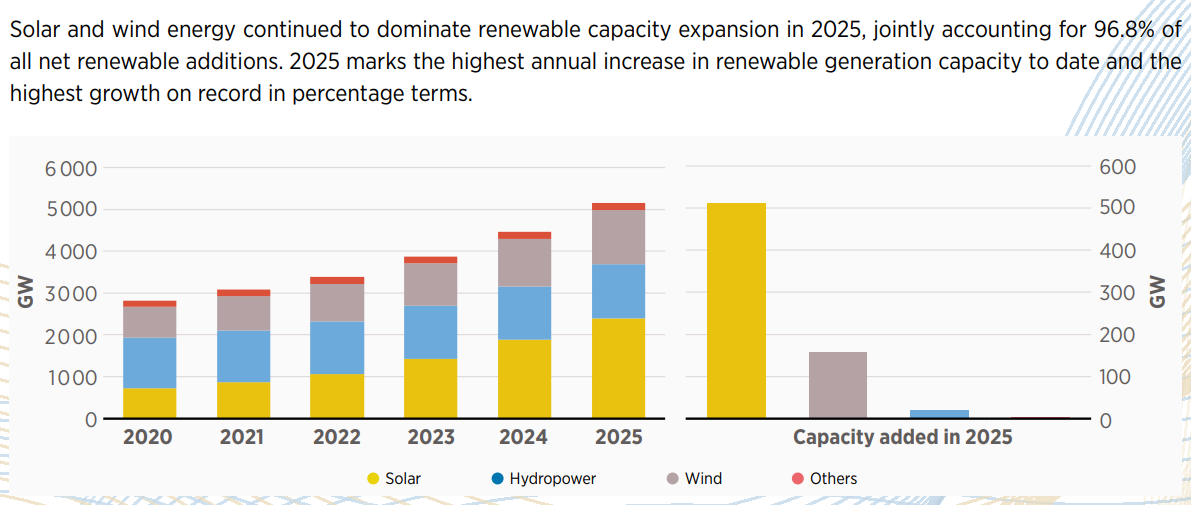
The International Renewable Energy Agency (IRENA) also reported a record rise in global renewable energy capacity in 2025. Solar energy made up the largest part of this growth.
A Milestone for the Philippines’ Energy Future
The launch of MTerra Solar is more than breaking a world record. It shows that the Philippines can deliver utility-scale clean energy projects that match the size of the world’s biggest renewable developments.
As electricity demand grows, projects that mix solar power with battery storage will likely set the new standard for reliable, low-carbon energy.
The record-breaking project supports the country’s broader climate goals under the Paris Agreement while helping to build a more resilient power system. It also offers a clear example of how renewable energy can strengthen both climate action and long-term energy security.