


Blackstone is investing up to €2 billion ($2.3 billion) in Danish renewable energy developer Eurowind Energy. The deal marks one of the largest recent private investments in Europe’s clean energy sector.
The investment will give Blackstone a significant minority stake in Eurowind. Current owners, like Danish energy and telecom group Norlys and Eurowind’s founders, will stay as majority shareholders.
Founded in 2006, Eurowind develops and operates renewable energy projects across Europe. Its portfolio includes onshore wind, solar, battery storage, and biogas projects in 16 European markets. The company has expanded rapidly as Europe accelerates its energy transition.
Blackstone Makes One of Europe’s Biggest Clean Energy Bets Yet
The deal comes at a time when Europe faces rising electricity demand, energy security concerns, and pressure to reduce carbon emissions.
Blackstone said the new capital will help Eurowind speed up renewable energy deployment across the region. Adam Kuhnley, Co-Head of European Investments at Blackstone Infrastructure, stated:
“Significant capital will be required to meet European energy demand in the coming years, and Blackstone is well-positioned to support and accelerate Europe’s energy infrastructure build-out.”
Eurowind Energy CEO Jens Rasmussen remarked:
“Blackstone brings a long-term perspective with perpetual capital and believes in Eurowind Energy’s strategy to become a leading independent power producer in Europe. The firm has significant experience within energy and infrastructure, and the investment will allow us to accelerate the pace of expansion and install three to four times more solar and wind energy as well as batteries versus our current pace.”
The transaction shows that private capital is now vital for funding Europe’s clean energy growth. For years, electricity demand in Europe was mostly flat. That is now changing.
Blackstone predicts that European power demand will rise by over 3% each year until 2040. The increase is being driven by electrification, artificial intelligence (AI), industrial expansion, and the push for greater energy independence.
Several industries are adding pressure to the power grid.
Electric vehicles are increasing electricity use in transportation. Data centers supporting AI require massive amounts of constant power. Heavy industries are also shifting from fossil fuels to electricity-based systems to cut emissions.
The region is also cutting back on imported fossil fuels. This shift follows the energy crisis caused by the Russia-Ukraine war. This has increased investment in local renewable energy infrastructure.
The International Energy Agency (IEA) says renewable energy will make up almost 95% of new global power capacity by 2030. Solar and wind will drive this growth.
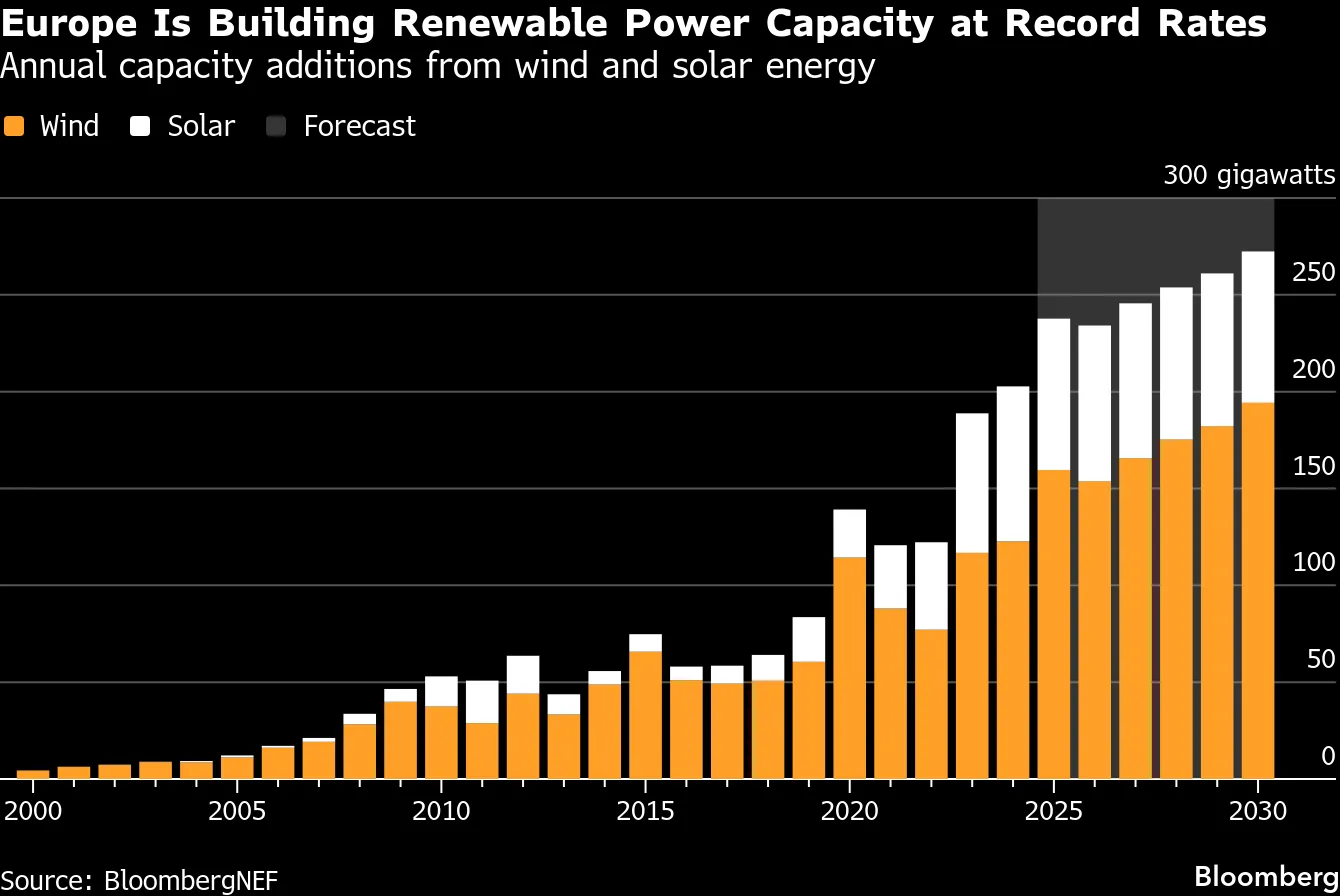
Europe remains one of the world’s largest renewable energy markets. The European Union aims to cut greenhouse gas emissions by at least 55% by 2030. This goal compares to levels from 1990.
Europe needs big investments in renewable energy, battery storage, and updating the grid to meet these goals.
Eurowind Expands Beyond Traditional Wind Power
Although Eurowind began as a wind developer, the company is now expanding into broader energy infrastructure. Its projects include:
- Onshore wind farms,
- Solar energy parks,
- Battery storage systems,
- Biogas facilities, and
- Power-to-X technologies.
Power-to-X refers to technologies that convert renewable electricity into fuels such as green hydrogen. These systems are getting attention. They can help reduce carbon emissions in tough-to-electrify industries. This includes aviation, shipping, and heavy manufacturing.
This diversification reflects broader changes in the renewable sector.
Developers are increasingly combining wind, solar, and storage systems into integrated energy platforms. Battery storage is becoming increasingly important because renewable electricity generation can vary with weather conditions.
BloombergNEF reports that global energy storage will grow rapidly this decade. Grids will depend more on renewable energy. Eurowind’s broader platform may help it capture multiple areas of growth within the energy transition.

The company gains by operating in multiple European markets. This approach helps lower dependence on just one country or regulatory system.
Why Private Capital Is Now Powering the Energy Transition
The Blackstone deal also reflects a growing shift in how renewable energy projects are financed. Large investment firms are increasing exposure to infrastructure assets tied to decarbonization and electrification.
Blackstone manages around $1.3 trillion in assets worldwide. This includes investments in infrastructure, energy, real estate, and private equity.
The company has been active in Europe for more than 25 years and reported investments of about $400 billion in European assets by the end of 2025. It also sees opportunities to invest more than $500 billion in Europe by 2035.
Blackstone’s current portfolio is structured around three primary pillars:
- Renewable Generation and Storage,
- Electrification and Grid Modernization, and
- Energy Security and Resilience.
Blackstone’s Recent Strategic Investments
Blackstone has used its infrastructure and private equity divisions to acquire significant stakes in companies in the renewable and utility sectors. All of these are officially announced by the company.
- Eurowind Energy (April 2026): committed up to €2 billion to acquire a 24.7% stake in this Denmark-based developer.
- Sunotec (April 2026): This is a tactical equity investment. It aims to speed up the development of solar power, battery storage, and grid infrastructure in Germany and the UK.
- Advanced Cooling Technologies (March 2026): Blackstone Energy Transition Partners acquired a majority stake in this thermal management manufacturer. This move addresses the cooling needs of high-power density AI data centers.
- TXNM Energy (Approval Feb 2026): Blackstone passed a key regulatory step for its $11.5 billion buy of New Mexico’s largest electric utility parent company. The deal is targeted to close in late 2026.
- Natural Gas for AI (July 2025): They teamed up with PPL Corporation to build gas-fired plants in Pennsylvania. This will support the growth of data centers.
The firm manages these initiatives through specialized platforms, including:
- Blackstone Energy Transition Partners: Its dedicated private equity arm, which has committed over $28 billion to energy sectors globally.
- Sustainable Resources Credit Platform: A specialized credit platform launched to address the financing needs of large-scale decarbonization projects.
- Energy Transition Fund V: As of early 2026, Blackstone is raising its fifth energy transition fund, which is expected to be “meaningfully larger” than previous vintages due to high deal flow in the electrification ecosystem.
These private equity and infrastructure funds, along with others, are key players in clean energy. Governments can’t finance the large investments needed on their own.
The IEA estimates that global clean energy investment is over $2 trillion a year. Spending will likely increase to meet climate goals.
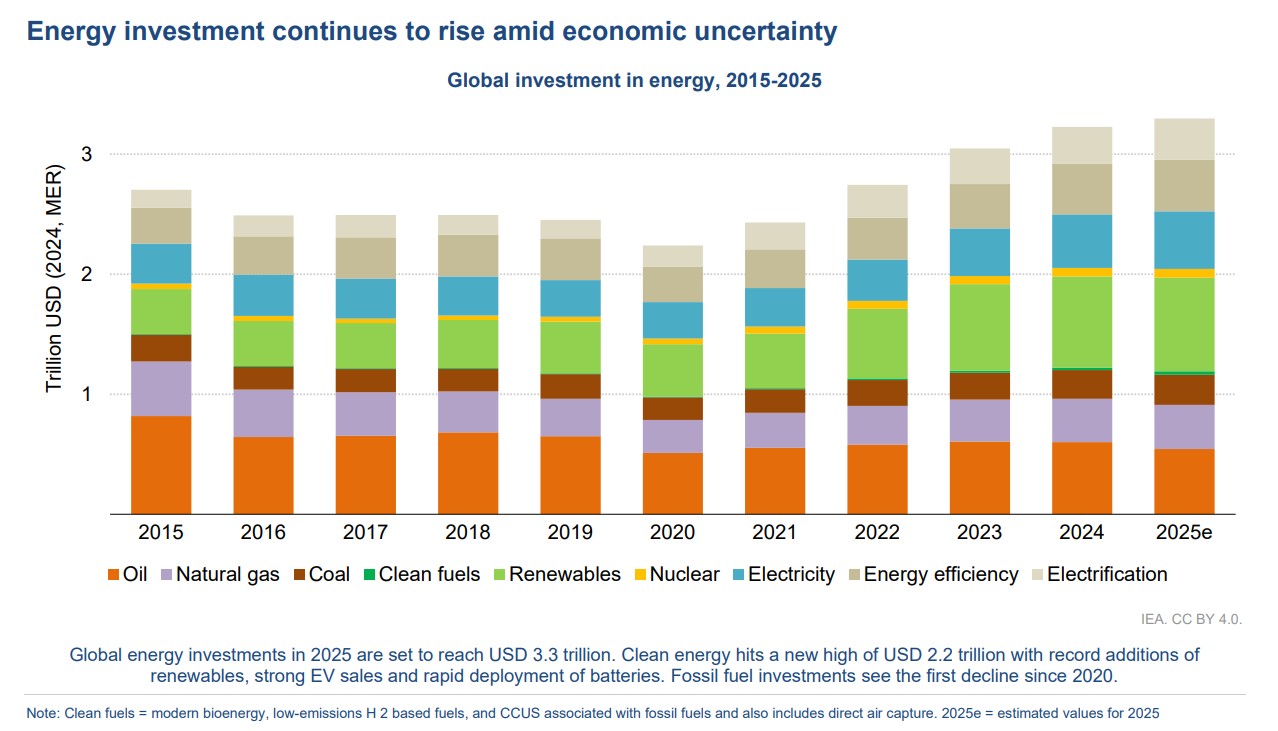
Renewable energy projects are increasingly being treated like long-term infrastructure assets. Investors are attracted by stable cash flows, long operating lifespans, and growing electricity demand.
At the same time, ESG and sustainability goals are influencing capital allocation decisions. Big investors feel the pressure to back lower-carbon assets. They also need to cut ties with high-emission sectors.
Europe’s Renewable Gold Rush Is Getting Crowded
The Blackstone-Eurowind deal comes during intense competition for renewable energy assets.
Global investors are racing to secure positions in fast-growing clean energy markets. Pension funds, sovereign wealth funds, private equity firms, and infrastructure investors are all increasing exposure to renewable projects.
Moreover, electricity is becoming more central to transportation, manufacturing, AI infrastructure, and heating systems. This is increasing the need for reliable and low-carbon power generation.
For investors, renewable infrastructure is viewed both as an environmental strategy and as a long-term growth opportunity tied to Europe’s economic transformation.
Blackstone’s €2 billion investment in Eurowind reflects that shift. It shows how large financial firms are positioning themselves for a future where clean electricity, energy security, and digital infrastructure become deeply connected across the European economy.