


The Philippines has launched its first national policy framework for Nature-based Solutions (NbS). The plan uses forests, mangroves, wetlands, and other natural ecosystems to help fight climate change and protect biodiversity.
The Department of Environment and Natural Resources (DENR) led the effort. The framework gives government agencies, local governments, businesses, and investors a common guide for planning and funding nature-based projects.
It follows global standards from the International Union for Conservation of Nature (IUCN). The goal is to make sure projects deliver clear environmental, social, and economic benefits.
Officials say the framework can attract more investment for ecosystem restoration. It also improves climate resilience and supports sustainable development.
Environment Secretary Juan Miguel Cuna remarked:
“This policy turns nature into a frontline partner for Filipino families. By restoring forests, mangroves, and urban green spaces, we reduce flood risk, secure water supplies, and protect livelihoods.”
Why Nature Is One of the Philippines’ Strongest Climate Defenses
The Philippines is one of the countries most vulnerable to climate change. Stronger typhoons, floods, droughts, sea-level rise, and coastal erosion continue to threaten communities, farms, and infrastructure.
According to the World Risk Index 2024, the Philippines remains among the countries most exposed to natural hazards. The World Bank estimates that climate change could cut the country’s economy by up to 13.6% by 2040. This will happen if stronger adaptation measures are not taken.
Nature-based solutions can help reduce these risks.
Forests absorb carbon dioxide, protect watersheds, and reduce flooding. Mangroves shield coastlines from storm surges and store large amounts of carbon. Wetlands improve water quality and help manage floods during heavy rains.
The new framework encourages combining natural ecosystems with traditional infrastructure to build stronger climate resilience. It is under DENR Administrative Order No. 2026-30, shifting environmental funding toward private carbon finance to support initiatives like mangrove and forest restoration.
The policy, enacted June 30, introduces a 21-playbook catalogue for technical guidelines and mandates projects to register with a centralized system to ensure alignment with IUCN standards.
Here are the key points to note about the new NbS framework and its relation to carbon finance:
- Carbon Credit Generation: Projects monetize carbon sequestration from forest and mangrove restoration. Meeting verified ecological standards generates tradeable carbon credits.
- Private and Institutional Funding: Tradeable carbon credits attract corporate investments. International institutions fund these high-integrity carbon offsets.
- Blended Financing Stream: The national framework legalizes combined funding structures. It mixes carbon finance with government appropriations.
- International Partner Support: Financial streams include international development partner funds. The Canadian Embassy provides notable financial support.
- Ecosystem Service Payments: The framework integrates localized Payments for Ecosystem Services. This creates varied revenue streams for projects.
- Mandated Local Budgets: Nature-based solutions are integrated into municipal development plans. Dedicated public budget lines complement private investments.
Nature Supports the Country’s Climate Targets
The framework also supports the Philippines’ climate targets. The country has pledged to cut greenhouse gas emissions by 75% by 2030 under its updated Nationally Determined Contribution (NDC). However, about 72% of that target depends on international funding and technical support.
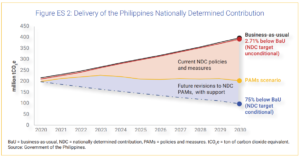
The government does not have a formal net-zero emissions goal yet. But it plans to expand renewable energy and protect natural ecosystems, too.
The energy sector is the biggest source of emissions in the country. Still, forests are key in taking carbon out of the air.
Forests in the Philippines cover about 7.2 million hectares. That’s around 24% of the country’s land area, according to the Food and Agriculture Organization (FAO). The country also has about 311,400 hectares of mangrove forests, one of the largest mangrove areas in the world. These mangroves help protect coastal communities and store significant amounts of blue carbon.
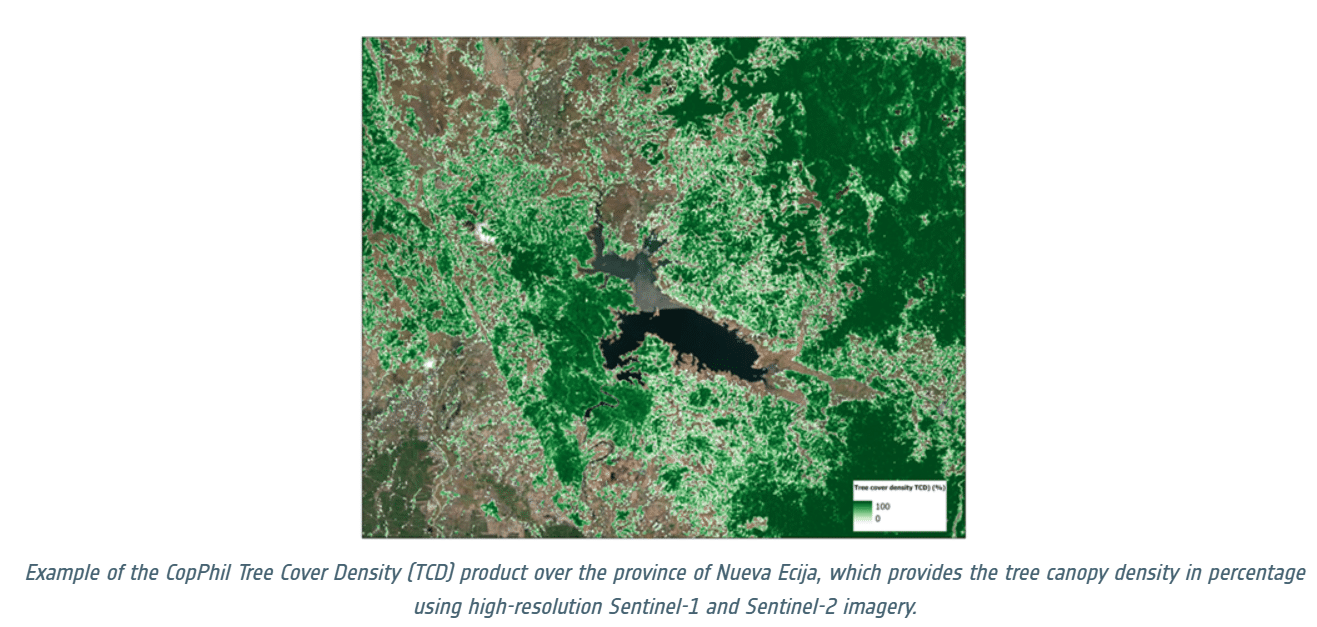
The government views these ecosystems as key natural resources. They can help reduce emissions, protect biodiversity, and support rural livelihoods.
Global Investors Are Putting More Money Into Nature
The Philippines’ new framework comes as global investment in nature-based climate solutions continues to grow.
The United Nations Environment Programme (UNEP) states that we need to nearly triple our annual investment in nature-based solutions by 2030. This means investing over $542 billion each year. This funding is essential to meet global goals for climate, biodiversity, and land restoration.
Demand for high-quality nature-based carbon projects is also increasing. Forest protection (REDD), reforestation (ARR), and mangrove restoration remain among the largest sources of nature-based carbon credits. More buyers want projects that have solid science, clear monitoring, and obvious benefits for local communities.
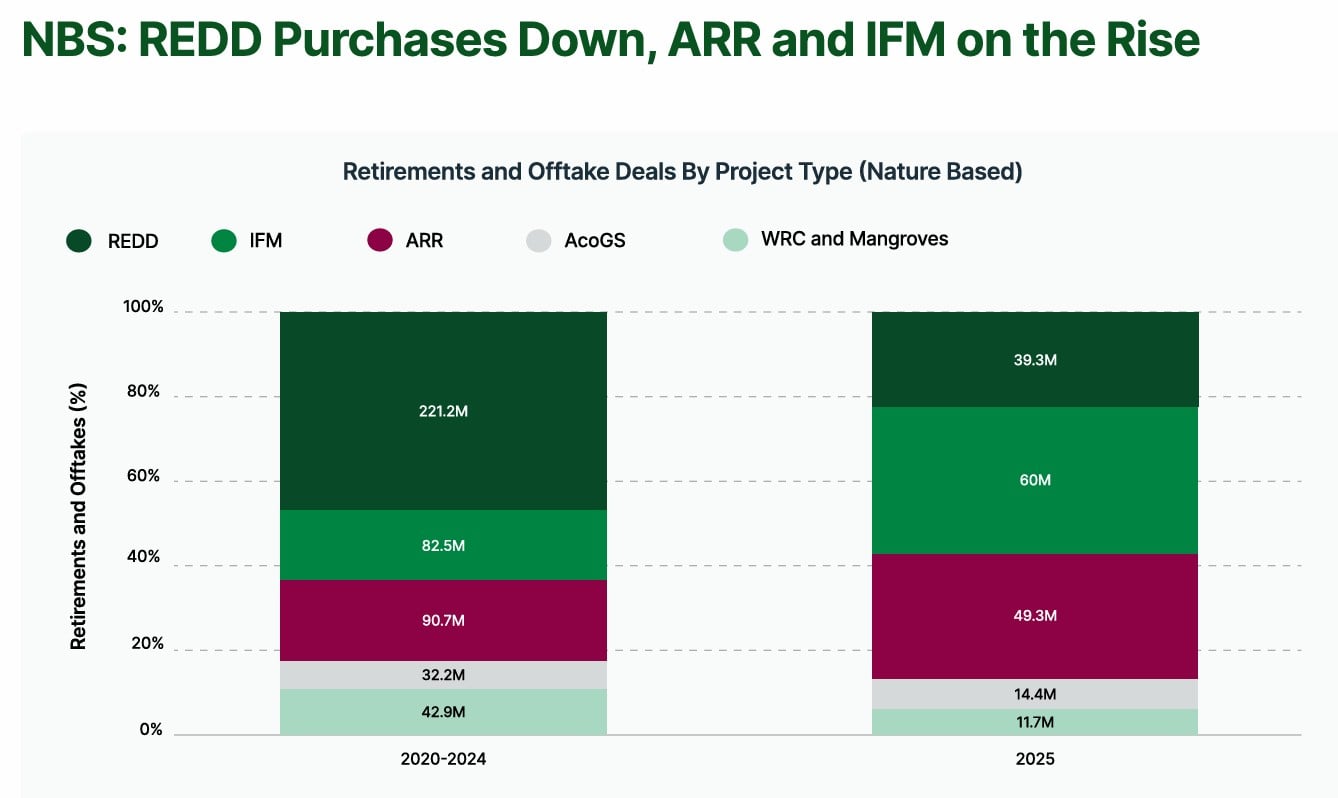
For the Philippines, the new framework could help attract more public and private investment. It could also create new opportunities in emerging carbon markets while supporting long-term economic growth.
From Policy to Investment: Unlocking More Climate Finance
The new framework is more than a conservation policy. It also aims to attract more funding for nature-based projects.
Governments alone cannot provide all the money needed to restore forests, mangroves, rivers, and other ecosystems. The framework promotes partnerships with businesses, investors, development banks, and local communities. This helps close the gap.
This could also support the growth of carbon markets in the Philippines. Forests and mangroves that are well-managed create valuable carbon credits. This is because they absorb carbon dioxide from the air or stop emissions from deforestation.
Global demand for these credits continues to grow. According to McKinsey & Company, demand for carbon credits could reach 1.5 billion to 2 billion metric tons a year by 2030. Nature-based projects are expected to remain one of the largest parts of that market.
The Philippines could benefit from this trend because it has rich natural resources and large areas that could be restored. A clear national framework helps the country attract climate finance and protect its ecosystems.
A Growing Opportunity for the Philippines
The Philippines already has many natural assets that could support large-scale nature-based projects.
Beyond forests, the country has extensive mangroves, seagrass beds, coral reefs, and peatlands. These ecosystems store carbon, protect biodiversity, and reduce the impact of storms and flooding. They also support fisheries, tourism, and millions of livelihoods.
The government believes the new framework can help bring these benefits together under one national strategy. By using consistent planning and international standards, future projects can deliver stronger climate, environmental, and social outcomes.
The framework also sends a positive signal to investors. Clear policies reduce uncertainty and make it easier to finance long-term restoration projects.
A Foundation for Future Climate Action
The Philippines’ first Nature-based Solutions framework marks an important step in the country’s climate strategy.
It provides a common roadmap for restoring ecosystems, strengthening climate resilience, and attracting green investment. At the same time, it supports the country’s long-term emissions goals and efforts to protect biodiversity.
If done right, the policy could restore forests and coastal ecosystems. It may also create jobs, strengthen rural communities, and unlock more climate finance. As global investment in nature-based solutions continues to grow, the Philippines now has a stronger foundation to become a regional leader in using nature to address climate change.