2025 Nuclear Energy Roundup: Top Stories You Need to Know

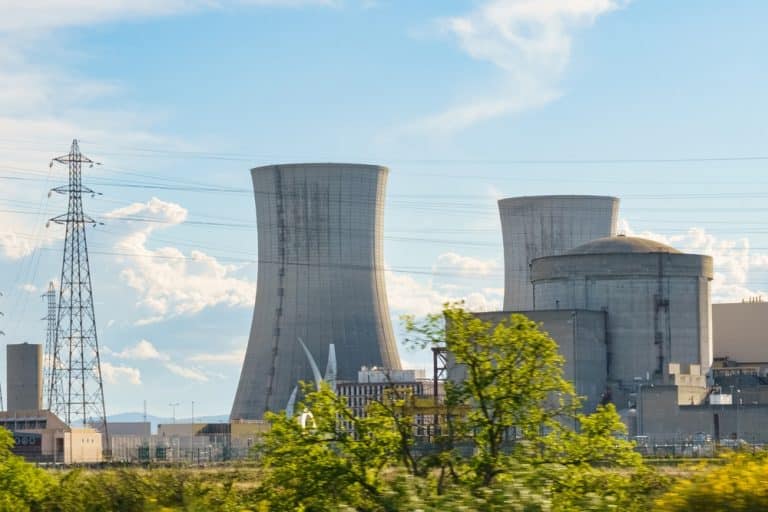
In 2025, major advancements and collaborations are redefining the nuclear industryโ€™s trajectory. From the United States accelerating small modular reactor (SMR) deployment to Saudi Arabiaโ€™s push to monetize uranium resources, the nuclear sector is buzzing with activity. In China, differential performances from its top operators highlight both progress and challenges in its expanding nuclear fleet.

Meanwhile, the UK explores the integration of nuclear power with artificial intelligence (AI) growth zones, and Canada and the UK deepen their partnership to drive innovation in nuclear technologies. This roundup explores the most impactful stories shaping the nuclear energy landscape in 2025.

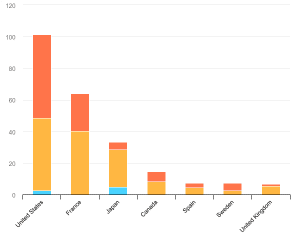
Installed nuclear power capacity by country and age in advanced economies, end-2023
Nuclear world
Source: IEA

TVA Bids $800 Million to Speed Up Small Modular Reactors

The Tennessee Valley Authority (TVA) is leading an $800 million bid from the U.S. Department of Energy. This funding comes from the Generation III+ Small Modular Reactor (SMR) Program. TVA has teamed up with Bechtel, BWX Technologies (BWXT), Duke Energy, and others. Congress approved this funding in 2024. The goal? To deploy SMRs across the U.S. This move will boost the nuclear industry and meet the demand for clean, affordable energy.

TVA’s President and CEO, Jeff Lyash, believes advanced nuclear tech is key to energy security. If they win the bid, construction of an SMR at TVAโ€™s Clinch River site in Oak Ridge, Tennessee, will speed up. The project could start commercial operations by 2033, two years earlier than planned. TVA aims to build a domestic supply chain and prepare for future SMR deployments in the U.S. and beyond.

Tennessee Governor Bill Lee backs the initiative. He says it will create jobs and strengthen the stateโ€™s nuclear ecosystem. SMRs are smaller and safer than traditional reactors. They can be built more quickly and integrated into communities easily. These reactors will provide reliable and flexible energy, essential for the countryโ€™s energy future.

A diverse group of industry leaders supports the project. Their partnership will accelerate SMR rollout and reduce costs and risks for customers.
nuclear tva
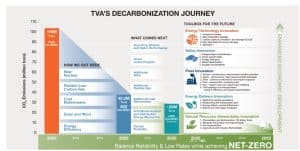
Source: TVA

TVAโ€™s mission is to provide clean, reliable energy. As the nationโ€™s largest public power supplier, TVA leads in sustainable energy tech development. With its diverse energy mix and focus on environmental stewardship, TVA is at the forefront of the U.S. push for a cleaner energy future.

China Reports Mixed Results in Nuclear Power Output for 2024

Media agency World Nuclear News recently shared updates about Chinaโ€™s two major nuclear power operators, China General Nuclear (CGN) and China National Nuclear Corporation (CNNC). They reported contrasting performance in nuclear electricity generation in 2024.

CGN Output

  • CGN announced a 6% rise in nuclear power output compared to 2023.
  • The company operated 28 reactors with a combined capacity of 31,798 MWe as of December 31, 2024.
  • Total power generation reached 242.2 TWh, while 227.3 TWh was supplied to the gridโ€”a year-on-year increase of over 6%.
  • The company completed 13 scheduled refueling outages and six major maintenance operations.
  • CGN also managed 16 reactors under construction, with two entering the commissioning phase and nine preparing for initial concrete pours.
  • Huizhou/Taipingling Unit 1 in Guangdong is set for commercial operation in 2025.

ย CNNC Output

  • CNNC announced a 1.8% decline in nuclear power generation in 2024 due to reactor maintenance outages.
  • Its reactors generated 183.1 TWh, with 171.26 TWh supplied to the grid.
  • The company controlled 25 operational reactors with a total capacity of 23.75 GWe and 18 units under construction or approved for construction, adding 20.64 GWe of future capacity.
  • For 2025, CNNC plans to generate 195.4 TWh and conduct 16 scheduled maintenance outages.
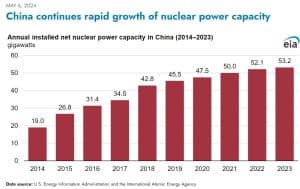
china nuclear

Chinaโ€™s nuclear energy sector continues to expand, with State Power Investment Corporation and Huaneng Group emerging as additional key players. Smaller companies, including Huadian, Datang, and Guodian, also maintain stakes in various projects.

As of 2024, China operates 58 nuclear reactors, which supply approximately 5% of the countryโ€™s electricity. With multiple projects in the pipeline, the nation aims to bolster its clean energy capacity and meet growing power demands.

Saudi Arabia Eyes Minerals Market and Nuclear Expansion

Saudi Energy Minister Prince Abdulaziz bin Salman plans to tap into the country’s mineral resources, including uranium. Reuters revealed that at a conference in Dhahran, he announced plans to enrich uranium and produce “yellowcake,” a concentrated form used for nuclear fuel. While yellowcake requires careful handling, it poses minimal radiation risks.

Saudi Arabia aims to diversify its energy mix with nuclear power. The program is still in its early stages, with plans for uranium enrichment. However, there are concerns about the potential future implications. In 2018, Crown Prince Mohammed bin Salman hinted that Saudi Arabia might pursue nuclear weapons if Iran does.

The United Arab Emirates (UAE) offers a regional comparison. It has the first multi-unit nuclear energy plant in the Arab world and has committed not to enrich uranium or reprocess spent fuel, demonstrating a commitment to non-proliferation. Furthermore, they have not yet activated its first nuclear reactor, keeping its activities under the Small Quantities Protocolโ€™s (SQP) limited monitoring.

Westinghouse and Korean Partners Resolve Intellectual Property Dispute

Westinghouse Electric Company has reached a global settlement with Korea Electric Power Corporation (KEPCO) and Korea Hydro & Nuclear Power Company (KHNP) to resolve their ongoing intellectual property dispute.

The agreement brings clarity and allows both parties to focus on developing and deploying new nuclear reactors worldwide. It also paves the way for future collaboration on global nuclear energy projects.

As part of the settlement, all legal actions related to the dispute will be dismissed. Westinghouse, KEPCO, and KHNP have agreed to work together to support the growth of nuclear energy, enhancing their ability to deliver innovative reactor technologies.
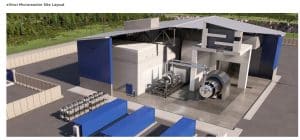
Westinghouse nuclear reactor
Source: Westinghouse

This resolution marks a significant step forward for both companies. By resolving these issues, Westinghouse and its Korean partners can focus on strengthening partnerships and advancing nuclear energy solutions for the global market.

Westinghouse President & CEO Patrick Fragman said,

โ€œWestinghouse is pleased to reach an agreement with KEPCO and KHNP on this important issue. As the world demands more firm baseload power, we look forward to opportunities for cooperation to deploy nuclear power at even greater scale.”

UK Plans AI Growth Zones Powered by Nuclear Energy

Bloomberg reported recently that the UK is setting up special โ€œAI Growth Zonesโ€ districts to boost technology growth and artificial intelligence ecosystems. According to a government announcement, these zones will offer streamlined planning approvals and improved electricity access for data centers. The first zone will be established in Culham, the location of the UK Atomic Energy Authority.

The government plans to create an energy council comprising public and private stakeholders to address the energy demands of advanced AI systems. The council will explore small modular reactors (SMRs) using nuclear fission technology to power these data centers. This initiative aligns with the UKโ€™s plans to expand supercomputing capabilities, enhance AI applications in public services, and attract global tech talent.

Private investments are already flowing into the initiative. Notably, Vantage Data Centers has pledged over ยฃ12 billion for data center projects in the UK, while Nscale plans to invest $2.5 billion over the next three years.

Canada Nuclear Laboratories (CNL) and AECL Explore Nuclear Technologies

Additionally, Atomic Energy of Canada Limited (AECL) and CNL have issued a Request for Expression of Interest (RFEOI) to explore licensing their SLOWPOKE and Nuclear Battery reactor technologies. The RFEOI invites stakeholders to share insights on these designs, which can be used for power generation, heating, isotope production, and research.

AECLโ€™s SLOWPOKE and Nuclear Battery Technologies

AECLโ€™s SLOWPOKE reactors, including the SLOWPOKE-2, are simple, safe, and cost-effective. These low-pressure reactors have operated for decades in Canada, offering reliable energy for various applications like neutron activation analysis and education. Their ‘safe by physics’ design allows for up to 24 hours of unattended operation.

Now coming to the Nuclear Battery, it’s a solid-state micro-reactor, that produces 600 kWe of electricity and 2400 kWth of heat for 15 years without refueling. With passive safety features, itโ€™s ideal for off-grid use. CNL is exploring market interest in these technologies, seeking opportunities for electricity generation, district heating, and isotope production.
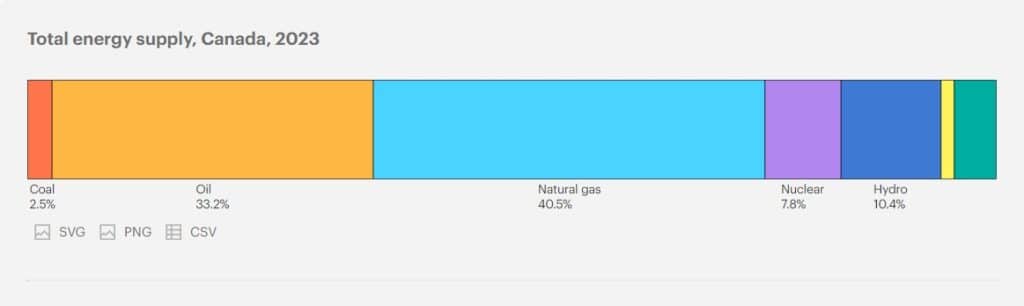
CANADA NUCLEAR
Source: IEA

Europe’s Solar Industry Saw Record Growth and Innovations in 2024

Europe’s solar energy industry achieved remarkable milestones in 2024, marking a record-breaking year for generation and capacity expansion. Solar energy continues to play a pivotal role in the EU’s green transition, driven by innovations, investments, and policy efforts.ย 

This article explores Europeโ€™s solar achievements in 2024, highlighting key areas of growth and developments according to data reported by energy think tank Ember.ย 

2024: A Record Year for Solar Growth

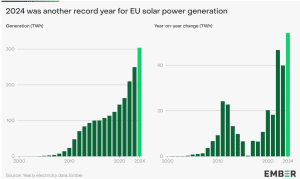
In 2024, Europeโ€™s solar industry saw unprecedented growth, with annual solar generation increasing by 54 TWh (+22%) compared to 2023. This marked an acceleration from the previous year, which saw a 40 TWh increase.ย 

Eu solar power generation 2024

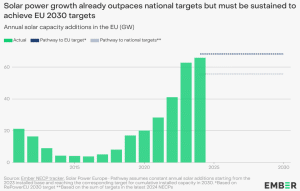
The EU also set a record for capacity additions, installing 66 GW in 2024โ€”equivalent to more than 450,000 solar panels per day. This rapid expansion pushed total installed solar capacity to 338 GW, keeping the EU on track to meet its REPowerEU interim goal of 400 GW by 2025.

If this growth continues, the EUโ€™s ambitious 2030 target of 750 GW will be within reach. However, the pace of deployment is already surpassing what many national targets require.ย 

solar power Europe 2030 pathway

Importantly, solar energy growth occurred across every EU country in 2024. Sixteen countries generated over 10% of their electricity from solar powerโ€”an increase from 13 in 2023.ย 

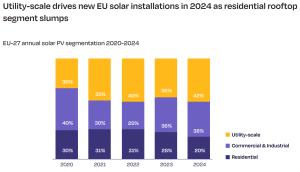
Innovative approaches, such as balcony solar panels in Germany and agri-PV systems that integrate solar with agricultural land use, are expanding the reach of solar energy beyond traditional rooftops and fields. Residential rooftop installations, which faced significant losses, were overtaken by utility-scale solar, the largest market segment in 2024, per Solar Power analysis.ย 

EU solar market segment 2024
Chart from Solar Power Europe

Capital investments in EU solar PV had steadily climbed from โ‚ฌ19 billion in 2020 to โ‚ฌ60 billion in 2023. However, this upward trend shifted in 2024.

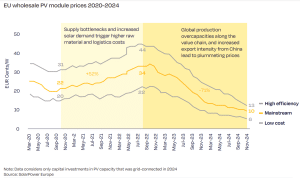
European wholesale module prices hit record lows, declining by 35% between January and November 2024, following a 50% drop the previous year as seen below. This sharp price reduction was driven by falling supply chain costs and overcapacity in the market.

EU PV module prices 2024
Chart from Solar Power Europe

Solar Meets Demand Like Never Before

The success of solar energy is reflected in its ability to meet growing electricity demands across the EU. In 2024, 12 EU countries reported solar meeting at least 80% of their electricity demand during peak hours on multiple occasions.ย 

Notably, Hungary saw an incredible leap, with solar meeting over 80% of demand on 70 days in 2024โ€”up from just 10 days in 2023.

This trend underscores the potential of solar energy to displace expensive and polluting fossil fuels during daylight hours. However, achieving consistent reliability requires integrating clean flexibility solutions, such as battery storage, expanded grids, and smart electrification.ย 

These technologies can store excess solar energy during midday production peaks and distribute it during evening demand surges, reducing reliance on fossil fuels for power balancing.

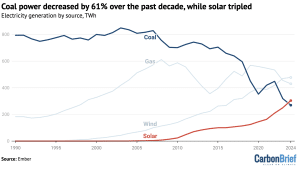
Notably, the EUโ€™s shift to solar, alongside wind, has cut coal-fired electricity generation by nearly two-thirds over the past decade. This is despite a brief rise after Russiaโ€™s 2021 invasion of Ukraine.ย 

EU solar triple vs coal dropping 2024

Clean Flexibility: The Backbone of Solar’s Future

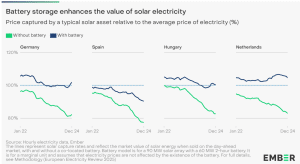
Clean flexibility is central to ensuring the continued growth of solar energy in Europe. Batteries, in particular, play a critical role in shifting energy supply to match demand. By storing excess energy generated during sunny hours and delivering it when demand peaks, batteries stabilize the grid and maximize solarโ€™s value.

Co-locating batteries with solar plants is quickly becoming an industry standard. This practice enables solar producers to avoid selling electricity at low midday prices and instead capitalize on higher prices during evening peaks. It also strengthens the financial case for solar energy by ensuring profitability even in periods of surplus generation.

In 2024, the deployment of battery storage continued to grow rapidly. EU-installed battery capacity doubled from 8 GW in 2022 to 16 GW in 2023.

However, this growth remains uneven, with 70% of capacity concentrated in Germany and Italy. To fully realize the potential of batteries, the EU must address barriers like double grid charging and restrictive market participation rules.

battery storage impact solar electricity EU

Solar Savings: Economic Wins and Consumer Perks

Solar energyโ€™s rapid growth delivered significant economic benefits in 2024, particularly through reduced electricity prices. Abundant solar generation during midday hours frequently drove hourly power prices to zeroโ€”or even below.ย 

  • Negative or zero-price hours doubled in 2024, occurring 4% of the time across the EU, compared to 2% in 2023.

These price dynamics create opportunities for consumers and market participants alike. Consumers can save money by using smart electrification technologies to shift energy use to periods of lower prices.ย 

Meanwhile, market players, such as battery operators, can earn additional revenue by purchasing power at low midday prices and selling it during high-demand evening hours.

Despite the successes of 2024, significant challenges remain, however. One major barrier is the lack of infrastructure to support flexible energy use. For example, smart meters are essential for giving consumers real-time control over their energy usage, but adoption remains low.ย 

In 10 EU countries, fewer than 30% of households have smart meters, and six countries report penetration below 10%. Additionally, the prevalence of fixed-price electricity contracts limits consumersโ€™ ability to take advantage of low-cost solar energy during midday hours.

Grid expansion and modernization are also critical. While solar growth has exceeded expectations, national targets for grid development remain outdated. Expanding cross-border interconnectors will allow countries to share surplus solar energy, reducing reliance on fossil fuels and improving grid stability across the region.

The year 2024 was a milestone for solar energy in Europe, highlighting the industryโ€™s ability to drive decarbonization and lower energy costs.ย With the right mix of technological advancements, grid modernization, and supportive policies, Europe could meet its 2030 solar targets. By doing so, the region can lead the global transition to clean, reliable, and affordable energy.

Top 4 Nickel Companies Driving Electrification and Clean Energy in 2025

Disseminated on behalf of Alaska Energy Metals Corporation.

Nickel is a versatile metal critical for the clean energy revolution, especially in electric vehicle (EV) batteries. Its role in enhancing battery energy density and efficiency makes it indispensable for longer-range EVs.

As global demand for nickel surges, driven by electrification and renewable energy needs, it becomes a focal point for investors seeking growth opportunities.

With EV adoption accelerating, nickel demand is set to soar. According to Benchmark Mineral Intelligence, over 50% of nickel demand growth by 2030 will come from battery production, requiring an estimated 1.5 million metric tons annually.

The global shift toward high-energy-density batteries further cements nickelโ€™s role. Additionally, global investment in nickel mining and refining infrastructure could surpass $66 billion by 2030, ensuring long-term supply stability.

For investors, the opportunity is immense. As automakers and governments prioritize EV adoption, demand for nickel could outpace supply, driving prices higher. Companies leading the charge in sustainable nickel production are well-positioned to capitalize on this growth, making them attractive investment options in 2025 and beyond.

However, investing in nickel stocks comes with its challenges. The mining industry is highly cyclical, with stock prices often fluctuating alongside nickelโ€™s market value. Geopolitical events have further strained global nickel supplies and added volatility to the market. To mitigate risks, diversifying with a basket of nickel stocks could be a smart strategy.

With this in mind, here are four nickel companies to watch in 2025, known for their strategic importance and potential in the global nickel market:

Vale S.A.: A Nickel Powerhouse Driving the Energy Transition

Vale is a global leader in nickel production, playing a crucial role in enabling the transition to a low-carbon economy. With a US$38.52 billion market cap, the company accounts for 6%-7% of the global nickel supply. This makes the nickel company a critical supplier of electric vehicle (EV) batteries and renewable energy technologies.

In 2024, Vale produced 179,000 metric tons of nickel, with operations spanning Brazil, Canada, and Indonesia. The company has invested heavily in sustainable mining practices, including its flagship Voisey’s Bay and Sudbury operations in Canada.ย 

Voisey’s Bay alone could add 45,000 metric tons of nickel annually once its underground expansion is completed in 2025.

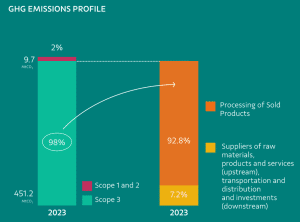
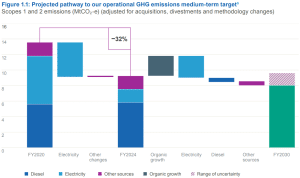
Vale is also at the forefront of decarbonization. Its revolutionary Onรงa Puma ferronickel operation in Brazil integrates energy efficiency measures that reduce COโ‚‚ emissions. The chart below shows the nickel companyโ€™s GHG emissions profile.ย 

Vale GHG emissions 2023
Chart from Vale website

In Indonesia, Vale partners with local entities to develop high-pressure acid leach (HPAL) facilities to meet the growing demand for high-grade Class 1 nickel.

With EV adoption expected to skyrocket, Vale is aggressively expanding its nickel refining capacity. The company has partnered with automakers, including Tesla, to secure long-term nickel supply agreements.ย 

Valeโ€™s low-carbon nickel production technology, certified for reducing greenhouse gas emissions by up to 90% compared to traditional methods, is a key selling point for environmentally conscious investors.ย 

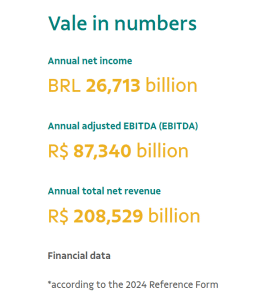
Hereโ€™s the company’s recent financial performance:

Vale in numbers

Looking ahead, Vale plans to invest over $3 billion to modernize its nickel operations and further reduce carbon emissions. With a clear focus on nickel’s role in EVs, renewable energy, and advanced technologies, the nickel miner continues to attract investors seeking exposure to the green energy revolution.

Norilsk Nickel: The Worldโ€™s Largest Nickel Producer Driving Sustainability and Innovation

Norilsk Nickel or Nornickel, the worldโ€™s largest producer of refined nickel with a US$19.39 billion market cap, is a powerhouse in the global metals market. Headquartered in Russia, the company accounts for over 20% of global high-grade nickel production and operates key assets on the Taimyr and Kola Peninsulas.ย 

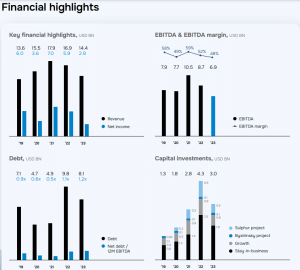
With its commitment to innovation and sustainability, Nornickel is central to the transition toward greener technologies like EVs. Below is the companyโ€™s most recent financial highlights:

Nornickel financial highlights
Chart from Nornickel report

In 2024 (9 months), Nornickel produced approximately 146,210 metric tons of nickel, maintaining its status as a reliable supplier for the EV battery industry. The companyโ€™s focus on sustainable mining practices includes its pioneering carbon-neutral nickel production program, launched to support global decarbonization goals.ย 

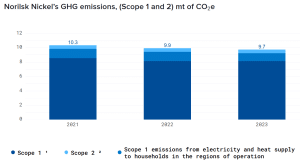
Nornickel has pledged to reduce its greenhouse gas emissions by 25% by 2030, making it an attractive choice for ESG-focused investors. The nickel companyโ€™s GHG emissions have decreased since 2021.

Norilsk Nickelโ€™s GHG emissions 2023
Chart from Nornickel report

The key to Nornickelโ€™s success is technological innovation. The company is advancing the use of artificial intelligence and automation across its operations, improving efficiency and minimizing environmental impact.ย 

Notably, its Bystrinsky Mining and Processing Plant is recognized as one of the worldโ€™s most advanced facilities, producing nickel, copper, and other critical materials essential for EVs.

To ensure long-term supply stability, the mining giant is investing in exploration and modernization. The company plans to invest $8 billion by 2030 to upgrade its facilities and boost production of high-purity nickel, a key component of EV batteries. This includes expanding its Arctic operations, which hold vast untapped reserves of Class 1 nickel.

By securing long-term partnerships with global automakers and battery manufacturers, Nornickel is well-positioned to capitalize on the EV boom. Its commitment to sustainability, cutting-edge technologies, and robust supply chain solutions make it a top choice for investors looking to ride the wave of electrification.

BHP Group: A Global Leader in Sustainable Nickel Supply for EV Growth

BHP is one of the worldโ€™s largest mining companies and is diversifying its portfolio to include more nickel production. The companyโ€™s Nickel West operation, located in Western Australia, is a fully integrated business covering mining, smelting, and refining. This operation focuses on producing high-quality nickel products designed specifically for the EV battery supply chain.

The mining giant has invested around $3 billion since 2020 to develop a green nickel hub. However, as of mid-2024, BHP has paused its ambitions for this hub due to market challenges.

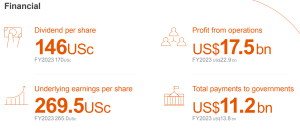
The companyโ€™s recent financial achievements are as follows, with a $126.29 billion market cap:

BHP Group financials

In 2024, BHPโ€™s Nickel West produced over 80,000 metric tons of nickel, with 85% of this output directed toward EV battery manufacturers. The operationโ€™s commitment to sustainability is evident in its low-carbon production processes, supported by investments in renewable energy.ย 

For instance, BHP recently announced a 50% reduction in greenhouse gas emissions at Nickel West by 2030, aligning with its broader decarbonization goals.

BHP GHG emissions 2030 target
Chart from BHP Group report

BHP is also ramping up its exploration efforts to secure future nickel resources through various initiatives. This includes its West Musgrave Project which it integrates into its portfolio following the acquisition of OZ Minerals in May 2023. This project is in the early stages of execution and is expected to significantly contribute to BHP’s nickel production upon completion.

The company is investing billions over the next five years to expand its nickel production capacity and modernize its operations. This includes developing the Venus nickel deposit and upgrading the Kalgoorlie Nickel Smelter and Kwinana Refinery. These efforts are aimed at meeting the surging demand for high-grade Class 1 nickel, essential for lithium-ion batteries.

Partnerships play a significant role in BHPโ€™s strategy. The company has secured long-term agreements with major automakers like Tesla and Toyota to supply sustainable nickel for EV batteries. These partnerships enhance its position as a key player in the global EV supply chain, offering investors a solid growth trajectory.

With its focus on operational excellence, environmental sustainability, and strategic partnerships, BHP is poised to remain a leader in the nickel market, driving the transition to a low-carbon future and delivering value for shareholders.

Alaska Energy Metals Corp.: A Rising Star in the Nickel Revolution

Alaska Energy Metals Corp. or AEMC is a standout junior nickel miner based in Alaska with approximately CAD$23.87 million market cap, focused on the development of high-grade nickel resources in a low-carbon environment. Itโ€™s strategically positioning itself to meet the surging demand for nickel in electric vehicle (EV) batteries and renewable energy markets.ย 

The company’s flagship Nikolai Project, located in Southcentral Alaska, spans over 10,600 hectares of prospective land rich in nickel, copper, cobalt, and platinum group metals. Preliminary exploration results indicate a robust resource potential, with nickel grades rivaling some of the world’s top deposits.ย 

nikolai project alaska energy metals
Source: AEMC

AEMC is actively advancing exploration and development efforts, aiming to become a reliable source of Class 1 nickel, which is critical for high-energy-density batteries. The nickel junior has adopted a strong commitment to sustainability and environmental stewardship. The company plans to integrate renewable energy solutions into its operations to minimize its carbon footprint.ย 

Additionally, the rising nickel player is working closely with local communities and stakeholders to ensure responsible resource development that benefits the region economically and socially.

What sets AEMC apart is its strategic vision to fill the growing gap in the nickel supply chain, particularly in North America. By leveraging Alaska’s vast mineral wealth and a favorable regulatory environment, AEMC aims to become a key player in reducing reliance on foreign nickel imports.

As the EV market continues to growโ€”expected to exceed 50 million units annually by 2030, per Benchmark Mineral Intelligenceโ€”AEMC’s focus on sustainable nickel production positions it as an attractive opportunity for investors seeking exposure to the green metals revolution.

With its world-class resources, commitment to sustainability, and strategic location, AEMC could play a pivotal role in powering the next wave of electrification.

So, Why These Nickel Players?

Investing in top nickel companies provides a unique opportunity to participate in the energy transition. These firms are leading the way in supplying the critical metal essential for EV batteries and renewable energy technologies.ย 

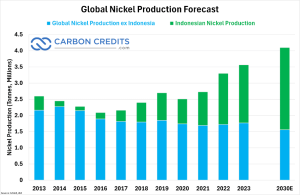
With demand and production forecasted to grow globallyย and massive infrastructure investments underway, the nickel market is primed for growth.

global nickel production forecast 2030

The top nickel companies highlightedโ€”Vale, Norilsk Nickel, BHP, and Alaska Energy Metals Corp.โ€”each bring distinct advantages, from vast reserves to sustainability-focused operations. These attributes position them as key players in meeting global nickel demand.ย 

As EV adoption accelerates and nickel remains indispensable, these firms represent not just stability but growth potential, making them must-watch investments in the nickel boom.


Disclosure: Owners, members, directors, and employees of carboncredits.com have/may have stock or option positions in any of the companies mentioned: AEMC.

Carboncredits.com receives compensation for this publication and has a business relationship with any company whose stock(s) is/are mentioned in this article.

Additional disclosure: This communication serves the sole purpose of adding value to the research process and is for information only. Please do your own due diligence. Every investment in securities mentioned in publications of carboncredits.com involves risks that could lead to a total loss of the invested capital.

Please read our Full RISKS and DISCLOSURE here.

Gold Standard Launches Global Carbon Market Regulations Tracker

Countries worldwide have implemented various strategies and mechanisms to measure and reduce emissions to address climate change effectively. Among these, the carbon market has emerged as a crucial tool to combat greenhouse gas emissions. In this sector, Gold Standard, a leading certification body, is playing a vital role in making this market more transparent and trustworthy.

With tools like the Carbon Market Regulations Tracker, theyโ€™re helping businesses, governments, and investors navigate the complex world of carbon offset regulations with ease and confidence.

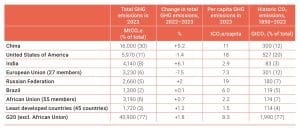
Total, per capita, and historical emissions of selected countries and regions

ghg emissions
Source: UNEP Emissions Gap Report 2024

A New Era for Carbon Market Regulations

Going back in time, Gold Standard launched the tracker in June 2024 under its โ€œGold Standard for the Global Goals”. This tool was developed by South Pole, the top climate consultancy company. Additionally, it was part of the “Enabling National Ownership in a High-Integrity Carbon Market” program and was funded by the German Federal Ministry for Economic Affairs and Climate Action (BMWK).

What Makes โ€œGold Standard for the Global Goalsโ€ Unique?

Gold Standard for the Global Goals is an impact standard for promoting climate security and sustainable development. It ensures two key attributes i.e. high integrity and credibility in measuring and verifying the positive outcomes of climate and sustainability projects.

They use proven methodologies, guidelines, and safeguards to measure and report the impact of climate and sustainability projects.

More significantly, Gold Standardโ€™s tools and mechanisms have been praised by Oeko Institute, ASEAN Low Carbon Energy Programme, and Carbon Market Watch for its safeguards, gender provisions, and grievance-addressable techniques. ย This is how they are consistently raising the bar in climate action.

What Does the Carbon Market Regulations Tracker Offer?

The Carbon Market Regulations Tracker serves as a central hub for vital information. It includes standardized summaries, direct links, and details about regulations related to baseline-and-crediting market activities. The tracker covers both voluntary carbon markets and mechanisms under Article 6 of the Paris Agreement.

Inclusion and Exclusions

  • Implemented and Planned Regulations: Covers current laws and those under consultation.
  • Exclusions: This does not include carbon tax policies or emissions trading systems unless tied to carbon credits.
  • Global Coverage: Provides insights across jurisdictions for a comprehensive understanding of carbon markets.

By hosting the tracker on its website, Gold Standard ensures it remains updated and relevant. The tool fosters market certainty and encourages knowledge sharing among key stakeholders.

Margaret Kim, CEO of Gold Standard, highlighted the toolโ€™s importance, emphasizing that transparency and collaboration are essential for achieving global climate goals. This tracker provides clarity and guidance, enabling stakeholders to make better decisions in both compliance and voluntary markets.

Know more about the tacker from this video:

Collaborative Efforts with Article 6.2 Crediting Protocol

Carboncredits also reported on Gold Standardโ€™s collaboration with Singaporeโ€™s National Climate Change Secretariat (NCCS) and Verraโ€™s Verified Carbon Standard (VCS) to develop the Article 6.2 Crediting Protocol. This initiative aims to create a streamlined framework that helps countries meet their climate targets under the Paris Agreement.

Over the past year, NCCS, Gold Standard, and Verra have worked closely with governments and climate experts to develop initial recommendations. The protocol is expected to simplify emissions reduction efforts and foster sustainable growth through international cooperation.ย Countries can start using the protocol in 2025.

This effort demonstrates how collaboration can accelerate global progress toward net-zero emissions.

The Carbon Market Regulations Tracker and the Article 6.2 Crediting Protocol highlight Gold Standardโ€™s dedication to creating high-integrity solutions for climate security and sustainable development. By providing reliable tools, the organization empowers stakeholders to act decisively in addressing climate challenges.

As carbon markets grow increasingly complex, resources like this tracker will be invaluable. They simplify regulations, build trust, and encourage investment in impactful climate solutions. Gold Standardโ€™s efforts set a benchmark for transparency, collaboration, and innovation in the fight against climate change.

Boeingโ€™s Big Move: Boosting EU Aviation with Norsk e-Fuelโ€™s SAF โ€“ Exclusive Insights from Boeing’s Regional Sustainability Director, Steve Gillard

The latest move in the sustainable aviation fuel (SAF) sector is Boeing’s partnering with Norway’s Norsk e-Fuel to help develop one of Europeโ€™s first large-scale Power-to-Liquids (PtL) facilities.

This partnership aligns with the aviation industry and ICAO member statesโ€™ goal to reach net-zero carbon emissions by 2050. Also,ย Boeingโ€™s investment will boost SAF production in the Nordics and globally.

Exclusively breaking, the CarbonCredits team reached out to Mr. Steve Gillard, Boeingโ€™s regional sustainability director for Europe, Middle East, Tรผrkiye, Africa, and Central Asia.

He shared his valuable insights on this deal which we have summarised below:ย 

CC: Norsk e-Fuelโ€™s technology is innovative. How will Boeingโ€™s investment speed up
the global use of e-SAF, especially in the Nordics?

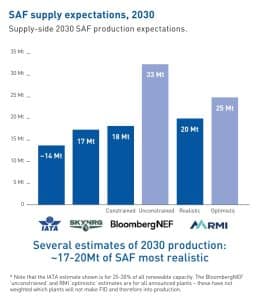
Mr. Steve: SAF offers the greatest opportunity to decarbonize aviation. It is estimated that in 2024, SAF represented 0.53% of global jet fuel use, and massive amounts of SAF are needed to achieve commercial aviationโ€™s net zero goal by 2050.

Through the โ€œproject development agreement,โ€ Boeing becomes a key project development
partner of Norsk e-Fuel. Norsk e-Fuel is developing a pipeline of projects, of which one will be in Mosjรธen, Norway. Recently announced project sites are located in Finland. Until 2032, Norsk e-Fuel plans to have three industrial-sized e-fuel plants in operation, producing a minimum of 250 million liters/200,000 tons of e-fuel annually.

CC: With the EU pushing for more SAF, what challenges do you see in producing
enough e-SAF to meet these goals?

Mr. Steve: SAF is crucial for the aviation industry to achieve its 2050 net zero goal and the industryโ€™s collective challenge of bringing it to scale globally requires new sustainable pathways. Boeingโ€™s investment will further accelerate Norsk e-Fuelโ€™s project pipeline and will advance the future availability of e-SAF, as the EU SAF mandates come into effect.

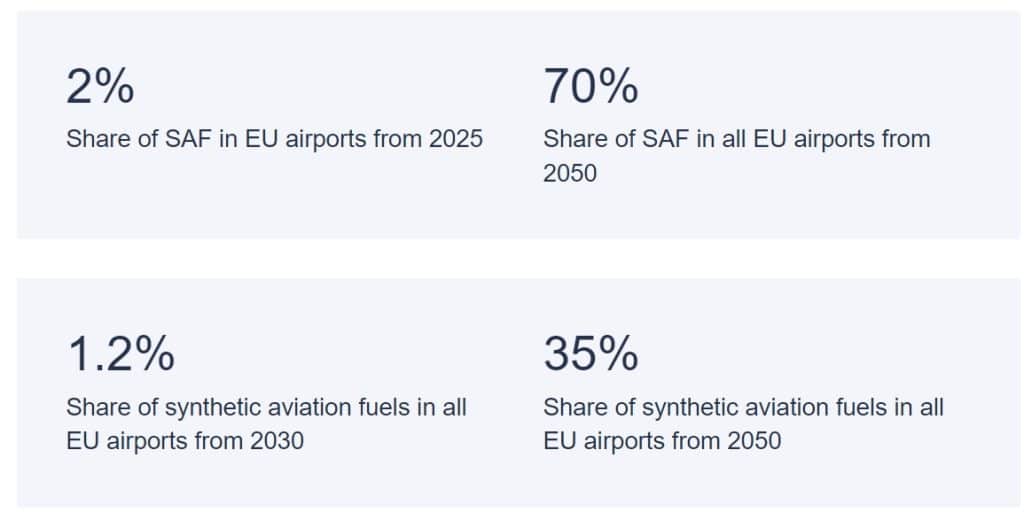
In Europe, the RefuelEU SAF initiativeโ€™s proposed mandate aims to gradually increase the
share of SAF, reaching a target of 6% by 2030, and 70% by 2050. There are also sub-mandates for e-SAF, such as that produced by Norsk e-Fuel, with targets of 1.2% in 2030 increasing to 35% in 2050. This investment reinforces the need for a supportive policy environment to fully realize the potential of e-fuel production in Norway, in line with the Norwegian parliamentโ€™s call.

Boeing and Norsk e-Fuel Power Up Sustainable Aviation

Norsk e-Fuel, a Norway-based company that supplies fuels to the aviation industry, is pioneering SAF production through its innovative Power-to-Liquids (PtL) process. The company aims to accelerate the transition to renewable aviation by producing electro-SAF (e-SAF).

So What is e-SAF?ย 

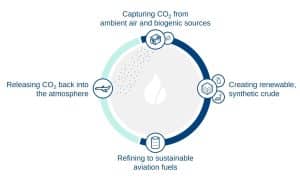
Well, this advanced fuel is created by using fossil-free power to generate green hydrogen, which is then combined with recycled COโ‚‚ from biogenic sources. Notably, the CO2ย is extracted from the air using innovative Direct Air Capture (DAC) systems.

  • The result is a synthetic jet fuel that reduces greenhouse gas emissions by over 90% compared to traditional jet fuel.
Norsk e-Fuel SAF
Source: Norsk e-Fuel

Revolutionary Tech Powers Sustainable Fuel Production

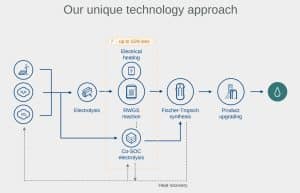
Norsk e-Fuel combines cutting-edge technologies to create sustainable aviation fuel (SAF). The process includes Axens and Paul Wurth’s advanced Reverse-Water-Gas-Shift (RWGS) and Fischer-Tropsch units, along with the Gaselยฎ upgrading unit. All these technologies boost energy efficiency and reduce emissions.

Second, Sunfire’s innovative electrolyzer, based on Solid Oxide Electrolyzer Cells (SOEC), uses steam and COโ‚‚ to produce renewable syngas in one step. Next, the Smart integration of waste heat increases plant output, delivering 30% more fuel with the same energy input compared to gas-fired systems.

Lastly, Climeworks adds direct air capture technology to remove COโ‚‚ directly from the atmosphere. Powered by renewable energy, it uses advanced filters to capture and release COโ‚‚ for use or storage. Together, these technologies transform aviation fuel into a cleaner, greener solution.

Norsk e-Fuel SAF
Source: Norsk e-Fuel

Scaling Up: Large-Scale Facilities for a Cleaner Future

As a project developer, Norsk e-Fuel is establishing large-scale production sites to meet the aviation industryโ€™s demand for sustainable fuels. The company works with strategic investors and key partners to bring industrial-scale Power-to-Liquid production to life. Its efforts focus on building a new value chain for sustainable fuels to drive renewable aviation forward.

Lars Bjรธrn Larsen, CCO of Norsk e-Fuel remarked on this partnership, saying:

โ€œOur goal is to make e-fuels competitive with and eventually replace fossil fuels in critical infrastructures as SAF needs to become readily accessible and affordable for advancing aviationโ€™s decarbonization. Boeingโ€™s investment will further accelerate our project pipeline and will facilitate the broader aviation industryโ€™s transition to net-zero emissions.โ€

Boeing’s investment in Norsk e-Fuel will aid the EU’s SAF volume targets. It will also boost energy security and the long-term competitiveness of aviation in the Nordic region. Overall, this collaboration has the potential to shape policies for the global SAF industry’s economic viability.

Clearing the Skies with SAF

Sustainable aviation fuel (SAF) is transforming the way aircraft are powered by offering a cleaner energy source. It helps reduce the aviation industryโ€™s carbon footprint and dependence on fossil fuels. Despite its benefits, SAF made up only 0.53% of global commercial fuel use in 2024, as per the press release.

  • In Europe, the RefuelEU SAF initiative is driving change. It aims to gradually increase SAFโ€™s share to 6% by 2030 and 70% by 2050.
  • For e-SAF, like the fuel Norsk e-Fuel produces, the targets are even more ambitiousโ€”1.2% by 2030 and 35% by 2050.
EU SAF
Source: EU

ReFuelEU Aviation, part of the EUโ€™s Fit for 55 package, promotes SAF as the most effective way to lower aviation emissions. Fuel suppliers must blend SAF with traditional jet fuel at EU airports. This regulation supports the EUโ€™s climate goals and will cut aviation CO2 emissions by over 60% by 2050 compared to 1990 levels.

The increased use of SAF also improves air quality by reducing harmful pollutants like CO, NOx, and PM, especially near airports. By embracing SAF, the aviation industry takes a major step toward a sustainable, cleaner future.

SAF
Source: Aviation Benefits

Boeingโ€™s โ€œAvoid First, Remove Second” Strategy to Cut Carbon Emissions

Boeing follows an “Avoid First, Remove Second” strategy to lower its carbon footprint. The focus is on avoiding Scope 1 and Scope 2 emissions by using renewable energy, energy-efficient systems, and sustainable aviation fuel (SAF). For emissions that are hard to reduce, Boeing invests in permanent carbon removal to support long-term carbon reduction.

Over the past four years, Boeing has voluntarily offset emissions from its manufacturing sites and business travel. In 2023, these offsets met strict global standards, ensuring they were measurable, verified, and tracked. Boeing also followed the aviation sectorโ€™s CORSIA framework for offsets.

The company plans to cut fossil fuel use by investing in renewable energy, energy-efficient infrastructure, and conservation efforts. For harder-to-reduce emissions, Boeing will increase investments in permanent removal technologies.

Sustainability Target

Boeing aims to cut greenhouse gas emissions by 55% by 2030. By the end of 2023, it reduced Scope 1 and Scope 2 emissions by 26% from 2017 levels. It also plans to use 100% renewable electricity to boost clean energy use and conservation efforts.

BOEING SAF emissions aviation
Source: Boeing

5 Key Areas to Decarbonize Aerospace

The companyโ€™s sustainability report also revealed that they are working with customers and governments to achieve net-zero emissions by 2050. And they are focussing on five key areas:

  1. Fleet Renewal: New airplanes are 20%-30% more efficient than older ones.
  2. Operational Efficiency: Boeing helps improve flight operations, air traffic management, and maintenance to cut emissions by up to 10%.
  3. Renewable Energy: Research on SAF and renewable energy drives sustainability in aviation.
  4. Advanced Technology: Boeing invests in cleaner designs, efficient propulsion, and advanced digital tools.
  5. Market-Based Measures: The company offsets emissions from business travel and invests in permanent carbon removal projects.

As Boeing brings its leadership in the SAF industry to this strategic partnership, Norsk e-Fuel adds its advanced technology and a strong network of partners. This includes Norwayโ€™s largest air carrier, Norway. Together, they aim to make sustainable aviation a reality, supporting global efforts to achieve net-zero carbon emissions by 2050.

Nickel: The Metal Driving the Electric Vehicle Revolution

Disseminated on behalf of Alaska Energy Metals Corporation.

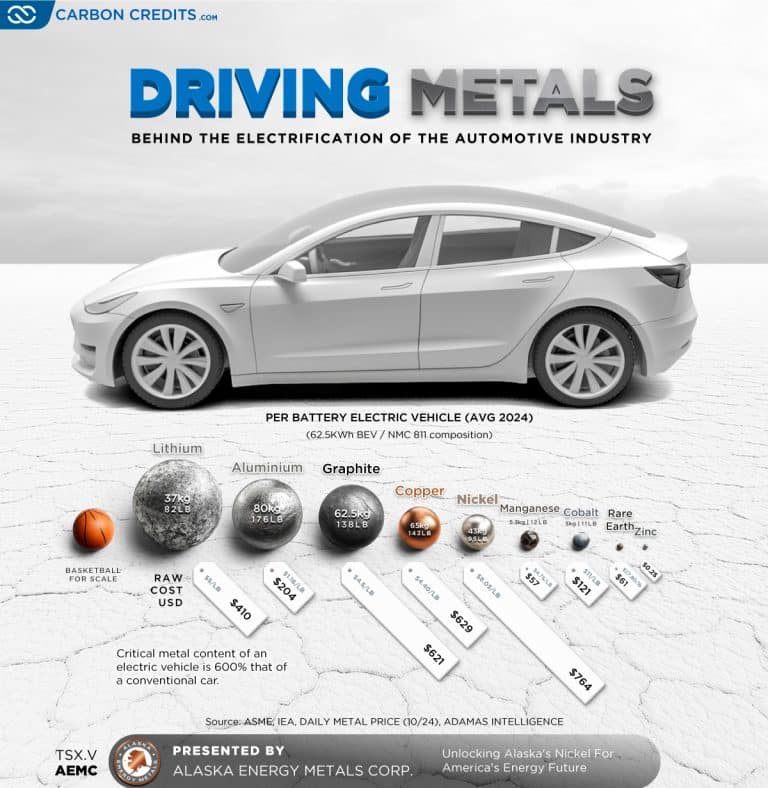
The shift to electric vehicles (EVs) is reshaping the automotive industry, creating unprecedented demand for critical metals.ย An EV contains 6x more critical metal than a conventional car, making metal resources the backbone of this electrification revolution.

For a typical 62.5 kWh battery-powered EV (NMC 811 composition), hereโ€™s the breakdown of key metals and their average raw costs as seen in the infographic (as of 2024):

  • Nickel: 43 kg, $764
  • Copper: 65 kg, $629
  • Graphite: 62.5 kg, $621
  • Lithium: 37 kg, $420
  • Aluminum: 80 kg, $204
  • Cobalt: 5 kg, $121
  • Manganese: 5.3 kg, $57

Among these critical metals, nickel plays a crucial role in battery energy density and performance. Compared to lithium, which primarily facilitates ion movement in batteries, nickel plays a larger role in boosting energy density and enabling longer-range capabilities in EVs.ย 

While cobalt enhances battery stability and manganese improves safety, nickel is critical for maximizing storage capacity and performance. Thus, it is indispensable for high-energy-density batteries.

With 43 kg of nickel per EV, nickel represents the largest raw material cost at $764. As EV adoption accelerates, the demand for nickel and other metals will only grow, putting pressure on global supply chains.

The industry faces a balancing act: ensuring a steady supply of these materials while keeping raw material costs sustainable. This dynamic will define the pace and scale of EV adoption in the years to come. So, what does the nickel future look like in keeping with the electrification revolution?

Nickelโ€™s Charge: Powering the EV Boom with Energy Density and Efficiency

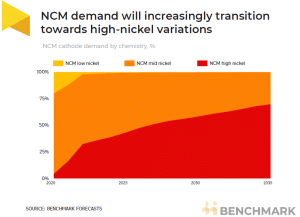
Nickel is poised to thrive as the EV revolution accelerates, driven by the growing demand for high-energy-density batteries. Nickel-rich chemistries, such as NMC 811, dominate EV battery production due to their ability to boost range and efficiency.ย 

  • By 2030, global EV sales are expected to exceed 50 million units annually, with batteries accounting for over 50% of nickel demand growth and requiring over 1.5 million metric tons of nickel, according to Benchmark Mineral Intelligence.

Moreover, global investment in nickel mining and processing could surpass $66 billion by 2030, underscoring the metal’s significance in meeting EV demand.ย 

Benchmark further projects that by the same period, 85% of battery cell production capacity outside China will rely on high nickel-based chemistries. There would be a growing shift toward high-nickel formulations over time.

high density nickel demand 2030 Benchmark

Consequently, nickel’s share of raw material costs in EV batteries will also rise, potentially impacting overall production expenses.ย 

Tackling Uncertainties and Bridging the Gap

But wait, thereโ€™s a problem: supply-demand imbalances remain a concern due to significant variations in production forecasts. The difference between the highest and lowest projections amounts to nearly 60% of the current supply. This reveals the uncertainties in meeting future nickel demand, especially for EV batteries.

So to meet the escalating demand, significant investments in sustainable nickel mining and refining infrastructure are essential, ensuring a stable and cost-effective supply chain for the burgeoning EV market. Alaska Energy Metals Corp. (AEMC) is addressing these challenges head-on by leveraging Alaskaโ€™s rich nickel resources. The company focuses on strengthening the nickel supply chain with a low-carbon approach, supporting the EV marketโ€™s rapid growth.

As nations and automakers prioritize electrification, nickel remains at the core of the energy transition, driving innovation and market expansion.

FEATURED:ย Live Nickel Prices

READ MORE: Nickel Prices in 2025: Indonesiaโ€™s 40% Supply Cut Plan and EV Market Shifts


Disclosure: Owners, members, directors, and employees of carboncredits.com have/may have stock or option positions in any of the companies mentioned: AEMC.

Carboncredits.com receives compensation for this publication and has a business relationship with any company whose stock(s) is/are mentioned in this article.

Additional disclosure: This communication serves the sole purpose of adding value to the research process and is for information only. Please do your own due diligence. Every investment in securities mentioned in publications of carboncredits.com involves risks that could lead to a total loss of the invested capital.

Please read our Full RISKS and DISCLOSURE here.

Microsoft Buys 3.5 Million Carbon Credits to Offset AI’s Soaring Emissions

Microsoftโ€™s latest step toward sustainability is a groundbreaking partnership with Re.green, securing 3.5 million carbon credits over 25 years. This initiative focuses on restoring degraded land across Brazil, aiming to balance the soaring carbon emissions fueled by AI advancements.

As AI growth drives energy demands, the tech giantโ€™s investment underscores its commitment to achieving carbon-negative goals by 2030. To achieve this goal, Microsoft has turned to renewable energy and carbon credits to mitigate its environmental impact.

However, the rapid growth of AI workloads and data centers poses challenges, raising concerns about the effectiveness of these strategies.

AIโ€™s Growing Carbon Cost: Can Microsoft Keep Up?

The rise of generative AI has dramatically increased demand for data centers, the backbone of AI model training and deployment. These facilities are energy-intensive, housing thousands of servers that consume vast amounts of electricity.ย 

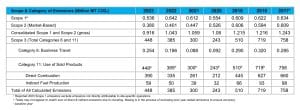
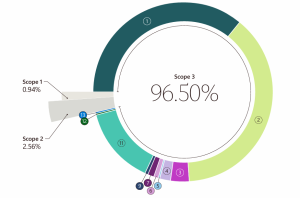
Microsoftโ€™s emissions have surged nearly 30% since 2020, largely due to indirect emissions from constructing and outfitting new data centers. These emissions, also known as Scope 3, represent more than 96% of the big techโ€™s total footprint.

Microsoft scope 3 emissions
Source: Microsoft

The companyโ€™s $80 billion investment in infrastructure expansion this year alone underscores the scale of AI-driven growth.

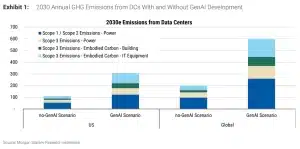
This trend is not unique to Microsoft. A study by Morgan Stanley estimates that global greenhouse gas (GHG) emissions from data centers will triple by 2030 due to generative AI.ย 

data center GHG emissions 2030
Source: Morgan Stanley

Powering AI queries, which can consume 10x more energy than traditional queries, is straining energy grids and pushing tech giantsโ€™ sustainability promises out of reach.

Morgan Stanley projects that these energy-hungry facilities will emit 2.5 billion metric tons of COโ‚‚ equivalent gases by 2030. U.S. data center expansion could increase emissions by 200 million metric tons annually, accounting for over half the global build-out.ย 

Globally, a 200% growth in data centers may lead to an additional 400 million metric tons of COโ‚‚ emissions. This highlights the environmental challenge of AI’s accelerating energy demands, pressuring tech companies like Microsoft to tackle it effectively.ย 

Re.green Partnership: Restoring Forests, Offsetting Emissions

In its quest to offset emissions, Microsoft has leaned heavily on carbon credits. One notable initiative is its partnership with Brazilian company Re.green, aimed at restoring degraded land by replanting native species.ย 

Their latest agreement, signed in 2025, secures 3.5 million tons of carbon removal credits over 25 years. This deal builds on a 2024 agreement for 3 million tons of credits over 15 years. Combined, these contracts involve replanting 10.7 million seedlings across 16,000 hectares in Brazil.

Re.green specializes in ecological restoration and high-quality carbon offsets. Its partnership with Microsoft focuses on restoring 33,000 hectares across the Amazon and Atlantic forests. Since their collaboration began in May 2024, theyโ€™ve planted over 4.4 million native seedlings, covering 80 species, on 11,000 hectares of degraded land.

The recent initiative targets western Maranhรฃo and eastern Parรก in the Amazon, along with southern Bahia and Vale do Paraรญba in the Atlantic Forest. It aims to enhance ecological balance by improving landscape connectivity, supporting species flow, genetic diversity, and processes like seed dispersal and pollination.

Re.green CEO Thiago Picolo hailed the collaboration as proof of the growing carbon credit market, stating,ย 

โ€œThis collaboration serves as tangible evidence that this market not only exists but has significant potential for growth in Brazil.โ€

Notably, the Financial Times estimates the dealโ€™s value at $200 million based on recent market analysis.

Carbon Credits and the Greenwashing Claims

While carbon credits are a popular tool for offsetting emissions, they have faced criticism. Detractors argue that such credits allow companies to continue emitting GHGs while outsourcing the responsibility of reduction.ย 

Critics label this practice as โ€œgreenwashing,โ€ a sentiment amplified by reports that Microsoftโ€™s AI and cloud services have been marketed to fossil fuel industries to aid resource exploration.

Microsoft is not alone in this scrutiny. A report highlights how major cloud providers, including Microsoft, Amazon, and Google, lack transparency in their carbon emissions data.ย 

Emissions from data centers are often underestimated and could be much higher than officially reported by big tech.ย ย 

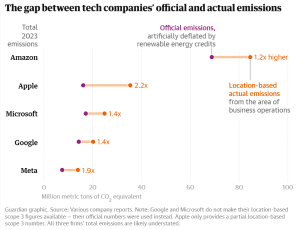
From 2020 to 2022, Google, Microsoft, Meta, and Appleโ€™s company-owned data center emissions were likely 7.62 times higher than reported, according to a Guardian analysis. This discrepancy stems from using renewable energy certificates (RECs), which allow companies to claim renewable energy use even if the energy isnโ€™t consumed onsite.ย 

big tech actual and official emissions
Source: Guardian

RECs enable firms to report “market-based” emissions, which are significantly lower than “location-based” emissionsโ€”those directly produced at data centers.ย 

Without RECs or carbon offset credits, Microsoft’s and other tech giants’ true emissions reveal a troubling trend. If these big tech companies were a single country, their combined 2022 emissions would rank 33rd globally, between the Philippines and Algeria. This highlights the environmental impact of growing data center demands and raises concerns about transparency in emissions reporting.

Balancing Innovation with Sustainability: Microsoft’s Challenge

Microsoftโ€™s dual focus on AI innovation and sustainability highlights the tension between technological advancement and environmental responsibility. The companyโ€™s significant investments in infrastructure and carbon credits underscore its commitment to addressing these challenges.ย 

However, the rapid pace of AI development risks outstripping these efforts, making it difficult to achieve carbon-negative goals by 2030. While initiatives like carbon credits and renewable energy investments are steps in the right direction, the rising energy demands of AI underscore the need for systemic change.ย 

Achieving climate goals will require not only financial investments but also a commitment to transparency and accountability. As Microsoft navigates this complex landscape, its approach will shape the future of sustainable innovation in technology.

Verra Launches CORSIA Label Guidance for Aviation Carbon Credits

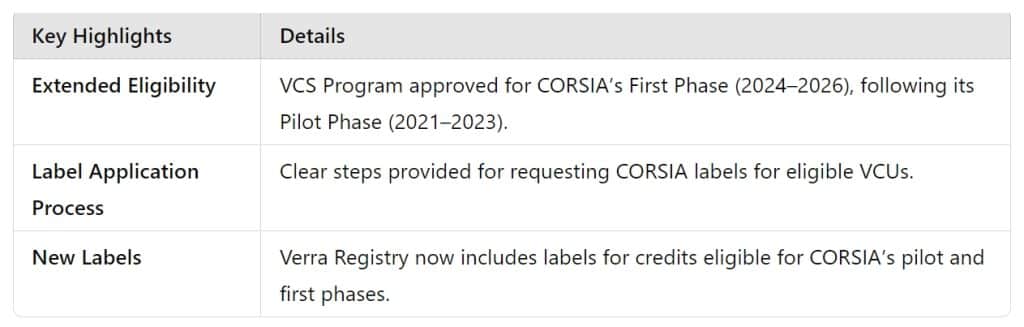
Last year in December, Verra achieved a significant milestone when the United Nations International Civil Aviation Organization (ICAO) approved its Verified Carbon Standard (VCS) Program for the Carbon Offsetting and Reduction Scheme for International Aviation (CORSIA). This approval extended the programโ€™s eligibility from CORSIAโ€™s Pilot Phase (2021โ€“2023) to its First Phase (2024โ€“2026), marking a major advancement for Verra and the voluntary carbon market.

Following this achievement, Verra released its CORSIA Label Guidance document on January 20, 2025. This document provides clear instructions for project proponents on how to request CORSIA labels for eligible Verified Carbon Units (VCUs), ensuring a smoother and more transparent process.

corsia verra
Source: Verra

Ensuring Compliance with ICAO Guidance

CORSIA operates as a global market-based mechanism to cap international aviation emissions at 2020 levels. Countries and airlines participate voluntarily in the Pilot Phase (2021โ€“2023) and First Phase (2024โ€“2026), with mandatory participation beginning in 2027.

Under CORSIA, aircraft operators must monitor, report, and offset emissions exceeding their allowable share. These offset requirements are reconciled over three-year compliance periods. ICAO defines the scope of eligibility for credits, considering factors such as:

  • Credit type
  • Activity type
  • Vintage year
  • Sustainable development reporting
  • Assurance of no double-claiming

This scope is published twice a year in the CORSIA Eligible Emissions Units document.

corsia verra icao
Source: Verra

Simplifying Verraโ€™s CORSIA Label Guidance for Carbon Offsetting

Verraโ€™s milestone with the UNโ€™s ICAO approval of its VCS Program marks a significant step forward for sustainable aviation and the voluntary carbon market. In the following content, we have simplified the process for easy understanding.

Key Requirements for Eligible VCUs

To meet CORSIAโ€™s standards, VCUs with vintages of 2021 onward must carry specific labels. Hereโ€™s whatโ€™s required:

  1. Article 6 Authorized Label: VCUs must include an Article 6 Authorized โ€“ International Mitigation Purposes label to qualify for CORSIA obligations.
  2. CORSIA Eligible Label: This label indicates that the VCU meets all criteria for retirement within CORSIAโ€™s pilot or first phase.
  3. Assurance of No Double Claiming: Verra prevents double claiming by requiring proof of a corresponding adjustment or a signed CORSIA Accounting Representation. This must come from an entity ensuring double-claimed VCUs are addressed and include insurance backed by a Verra-approved product.

How to Obtain CORSIA Labels

Project proponents can request CORSIA labels when submitting a VCU issuance request or at any time after that through the Verra Registry.ย  They need to navigate the โ€œAdditional Certificationsโ€ section on the projectโ€™s Verification Summary page.

Verra will approve or reject CORSIA label requests based on the guidance provided. Once approved, CORSIA labels are publicly displayed on the Verra Registry under the โ€œAdditional Certificationsโ€ section in the โ€œVCUsโ€ tab.

Purpose of Labels

Verra offers multiple labels to streamline compliance with CORSIA requirements. Each label serves a specific purpose:

  • CORSIA Eligible Label: Confirms that the VCU can be retired for CORSIA compliance within a specified phase.
  • Article 6 Authorized Label: Indicates the host countryโ€™s authorization for using the mitigation outcomes under CORSIA obligations.
  • CORSIA Scope Label: Identifies that the mitigation falls within CORSIAโ€™s eligibility scope for a particular phase. However, this label alone does not make a VCU eligible for retirement.

For VCUs with vintages of 2021 onward, the CORSIA scope label must be replaced with a CORSIA-eligible label to qualify for retirement under CORSIA.

Verra Corsia
Source: Verra

Automatic Updates for Existing VCUs

VCUs labeled during CORSIAโ€™s pilot phase will automatically update to show the new label designations. This keeps existing credits aligned with the latest CORSIA requirements. As a result, project proponents wonโ€™t face any extra administrative work.

Avoiding Double Counting: Verraโ€™s Core Principle

The guidance also emphasizes Verraโ€™s commitment to transparency. It ensures mitigation outcomes from 2021 onward are not double-claimed. This means VCUs cannot be counted by both aircraft operators and the countries where the reductions occur.

To achieve this, Verra verifies that VCUs retired under CORSIA do not count toward a host countryโ€™s climate goals or Nationally Determined Contributions (NDCs). This process is supported by Article 6 authorization, which allows the host country to approve the international use of these VCUs. Verra also enforces corresponding adjustments to ensure the countryโ€™s emissions records accurately reflect this approval.

In cases where corresponding adjustments aren’t applied, Verra requires compensation assurances for VCUs used toward CORSIA obligations. This safeguard guarantees compliance even if the host country withdraws or alters its authorization.

This approach shows Verraโ€™s commitment to trust and credibility in carbon markets. These measures also boost transparency and help the aviation sector meet its climate goals while sticking to international commitments.

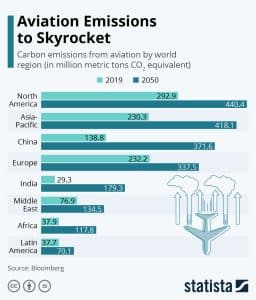
aviation emissions
Source: Statista

A Step Toward Sustainable Aviation

Verraโ€™s CORSIA Label Guidance is updated periodically to align with ICAOโ€™s evolving standards on credit eligibility and other criteria. Users must always refer to the latest version to ensure they meet current requirements.

With this update, Verra is streamlining compliance for project proponents and supporting global efforts to reduce aviation emissions. By ensuring transparency and preventing double claiming, Verra upholds carbon market integrity. This supports aviationโ€™s climate goals and paves the way for a more sustainable future in international aviation.

Donald Trump Exits Paris Agreement, Again: What It Means for the U.S. and the World?

In a move that sparked global controversy, President Donald Trump has again withdrawn the United States from the Paris Agreement on climate change. This decision, announced immediately after his second-term inauguration, has sent shockwaves through international climate circles.ย 

The withdrawal shifts the global balance in climate action as well as raises questions about the second-biggest emitter’s role in addressing one of the most pressing challenges of our time. With fossil fuel policies dominating Trump’s second term, will this setback jeopardize global decarbonization goals?

What is the Paris Agreement and What is Americaโ€™s History with It?

The Paris Agreement, signed in 2015, is a landmark international pact aimed at limiting global warming to below 2ยฐC, with efforts to keep it to 1.5ยฐC. The agreement is non-binding, meaning nations aren’t legally required to cut their climate emissions. Instead, each country sets its own emissions targets and strategies for achieving them.

The United States played a pivotal role in shaping the Paris Agreement, signing it in 2015 under President Obama. The country pledged to reduce greenhouse gas emissions by 26-28% below 2005 levels by 2025.ย 

To meet these goals, policies like the Clean Power Plan and federal investments in clean energy were introduced. However, in 2017, President Trump announced the countryโ€™s withdrawal, citing economic concerns.ย 

Despite rejoining under President Biden in 2021, progress has been inconsistent. Notably, the U.S. committed $3 billion to the Green Climate Fund. But it only delivered $1 billion, leaving a funding gap for developing nations.

U.S. Withdrawalย Shakes Global Climate Action: What’s at Stake?

The United States is the second-largest carbon emitter globally, behind China, contributing about 15% of the worldโ€™s total GHG emissions. Its participation in the Paris Agreement has always been crucial for global climate efforts.

greenhouse gas GHG emissions by country 2024
Source: Geeksforgeeks

Trumpโ€™s executive order declared the U.S.โ€™s withdrawal effective immediately, bypassing the standard one-year notice period required under the agreement. This swift exit has left many nations scrambling to adjust their strategies, particularly those that depended on U.S. leadership and funding.

Under President Biden, the country committed to reducing its emissions by 50-66% by 2035 and achieving net-zero emissions by 2050. These ambitious goals were a cornerstone of the global push toward sustainable development.

The withdrawal halts progress on these targets and eliminates billions of dollars in climate financing for developing countries. These funds were vital for supporting vulnerable nations in their fight against rising sea levels, extreme weather events, and other climate impacts.

  • Notably, U.S. emissions fell only 0.2% last year despite Bidenโ€™s $1.6 trillion climate agenda.

Trumpโ€™s pro-fossil-fuel stance threatens to reverse these modest gains, raising concerns about long-term environmental and economic impacts.

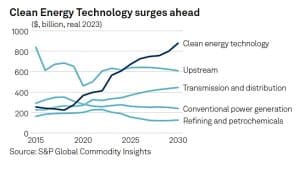
While the Paris Agreement is nonbinding, its symbolic and practical importance cannot be overstated. It has driven global investments in renewable energy, encouraged technological innovation, and fostered international collaboration. Since its adoption, wind and solar energy have grown exponentially, and clean energy investments have nearly doubled compared to fossil fuels.ย 

clean energy tech investment 2025

However, global emissions remain far from the reductions needed to meet climate targetsโ€”the U.S. withdrawal risks undermining this fragile progress at a critical juncture.

Interestingly, multibillionaire Elon Musk, who is a Trump cheerleader once posted on X in 2017 during Trumpโ€™s first exit:

โ€œClimate change is real. Leaving Paris is not good for America or the world.โ€

Trump’s Fossil Fuel Agenda: A Step Forward to “Energy Dominance”, But a Step Backward for Climate Goals

Central to Trumpโ€™s decision is his administrationโ€™s prioritization of fossil fuels. During his second inaugural address, he declared a โ€œnational energy emergencyโ€ and emphasized the need to increase oil and gas production.ย 

โ€œWe will drill, baby, drill,โ€ he proclaimed, signaling a sharp pivot from the clean energy policies of the previous administration.

Trumpโ€™s energy policies aim to dismantle regulations that limit fossil fuel development and expand domestic production. This approach includes reopening federal lands for drilling, rolling back environmental protections, and halting incentives for renewable energy.ย 

Critics argue that these policies reflect a short-term focus on economic growth at the expense of long-term environmental sustainability.

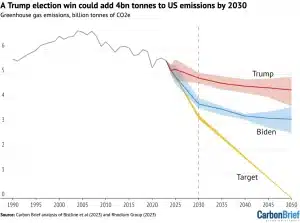
Remarkably, an analysis suggests that U.S. greenhouse gas emissions would be 28% below 2005 levels by 2030 if Trump wins a second term and rolls back Bidenโ€™s policies, falling short of the 50-52% target.ย 

Trump presidency add 4 billion tonnes to US emissions by 2030

Under a Biden reelection, emissions would drop to around 43% below 2005 levels. Bidenโ€™s policies like the Inflation Reduction Act provided tax incentives for renewable energy projects and set ambitious standards for vehicle emissions and energy efficiency. Trumpโ€™s rollback of these policies could slow the adoption of green technologies and jeopardize the U.S.โ€™s position as a leader in clean energy innovation.

In Trumpโ€™s scenario, U.S. emissions in 2030 would be about 1GtCO2e higher than under Biden, adding around 4GtCO2e cumulatively by 2030. These extra emissions would result in global climate damages exceeding $900 billion using the EPAโ€™s carbon cost of $230 per tonne.

Resistance at Home

Coalitions of U.S. states, cities, and businesses are stepping up, vowing to meet climate targets despite federal inaction. The U.S. Climate Alliance, representing 24 states, pledges to cut emissions by 66% by 2035.
The America Is All In coalition, co-chaired by former Biden administration officials, represents states that account for nearly 60% of the U.S. economy. Gina McCarthy, the coalitionโ€™s co-chair highlighted these subnational actors’ vow to uphold the Paris Agreementโ€™s targets, saying:

โ€œBy leaving the Paris Agreement, this administration has abdicated its responsibility to protect the American people and our national securityโ€ฆBut rest assured, our states, cities, businesses, and local institutions stand ready to pick up the baton of U.S. climate leadership and do all they can โ€” despite federal complacency โ€” to continue the shift to a clean energy economy.โ€

Global Repercussions: A Ripple Effect on Climate Action

The international response to Trumpโ€™s withdrawal has been overwhelmingly negative. Climate advocates, scientists, and world leaders have condemned the decision, calling it an abdication of responsibility.ย 

This is particularly concerning ahead of the COP30 climate talks in Brazil, where nations are expected to review and strengthen their commitments under the Paris Agreement.

Globally, Trumpโ€™s decision could embolden other nations to scale back their climate ambitions. Countries heavily dependent on fossil fuels may see the U.S. withdrawal as a justification for delaying their transitions to renewable energy. Additionally, the absence of U.S. leadership could undermine trust and cooperation in international climate negotiations, making it more difficult to achieve collective action.

As the world faces unprecedented climate challenges, the need for decisive action has never been greater. Trumpโ€™s withdrawal highlights the fragile balance between economic interests and environmental responsibility. While some estimates and projections exist, the real effects of Trumpโ€™s fossil fuel agenda remain to be seen and the world is on watch.ย 

Climate Tech VC Investments Drop for the 3rd Year in a Row, AI to the Rescue

The world of climate tech investment witnessed a significant transformation in 2024, primarily driven by the AI boom. This reshaping was about emerging technologies and sectors traditionally linked to energy and infrastructure. However, funding seems to be waning.

Funding Declines, But AI Powers New Opportunities in Climate Tech

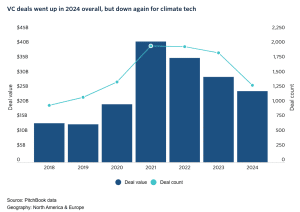
According to PitchBook data, venture capital (VC) investment in climate tech declined globally for the third consecutive year.

Funding dropped from $25.9 billion in 2022 to $19.7 billion in 2023, and further to $17 billion in 2024, reflecting a 34% decrease over two years.ย 

climate tech investment 2024

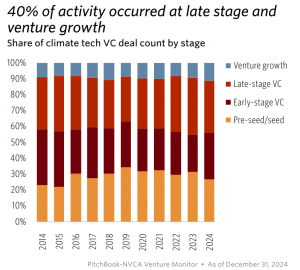
Pre-seed and seed rounds were particularly slow last year, dropping from 246 deals to 152 deals in the U.S. For climate-tech startups, raising a seed deal is a particularly tough ask, especially for hardware businesses requiring substantial capital expenditure before reaching a pilot product.

climate tech VC count by stage

Climate tech remains a risky area for investment, even when money is cheap. The sector took heavy blows in 2024, including Northvolt, a lithium EV battery developer that raised $9 billion in equity and convertible debt, spiraling into bankruptcy in November. Universal Hydrogen, a startup developing a fully hydrogen-powered plane, also ran out of cash.ย 

However, despite this decline, certain subsectors thrived. AI-driven data centers and their associated technologies emerged as pivotal drivers of growth, drawing substantial interest and funding from investors.

Sightline Climateโ€™s review of 2024 climate tech trends highlighted that energy and building technologies, particularly those tied to AI data centers, bucked the declining investment trend.

  • The energy sector saw a 12% increase in funding, reaching $9.4 billion, while building technologies grew by 10% to $2.7 billion. This surge was driven by the anticipated rise in energy consumption due to AI operations.

Generative AI models, like ChatGPT, consume nearly 10 times more energy per query compared to a standard Google search. To support such energy-intensive operations, data centers are predicted to increase their power demand by 2.4% annually until 2030. This energy requirement reverses a decade-long trend of flat growth.

Billions Flowing into Cleaner Data Centers

As AI technologies grow, so does the demand for cleaner and more sustainable data centers. Leading tech companies, including Google, Amazon, and Microsoft, have set ambitious emissions targets, creating opportunities for innovative climate tech solutions.ย 

Kim Zou, CEO of Sightline Climate, highlighted that AI’s rapid rise presents both challenges and opportunities. Emerging clean power solutions, like nuclear and geothermal energy, as well as energy-efficient data center technologies, are now in the spotlight. Zou specifically highlighted that:

“On one hand, weโ€™re seeing unprecedented load growth coming onto an already constrained grid. On the other hand, AI-led demand is driving momentum for emerging clean firm power solutions…”

In 2024, several notable investments reflected the urgency to meet AIโ€™s growing energy needs sustainably, including:

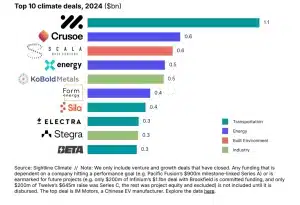
Crusoe Energyโ€™s $600 Million Raise

Crusoe Energy, originally focused on cryptocurrency mining, now provides vertically integrated AI services, including data centers optimized for clean energy. This December 2024 deal marked the largest climate tech investment of the year.

Amazonโ€™s $500 Million Bet on X-Energy

Amazon partnered with X-Energy to deploy over 5 gigawatts of nuclear power projects in the U.S. by 2039. This capacity would represent about 10% of the additional energy needed to support U.S. data center growth through 2030, according to Goldman Sachs estimates.

Form Energyโ€™s $405 Million Round

Form Energy developed an iron-based battery capable of storing power for up to 100 hoursโ€”20 times longer than most current systems. This innovation supports utilities in managing energy demand surges and the variability of renewable sources like wind and solar.

Scalaโ€™s $500 Million Investment

Scala, a Brazilian data center provider emphasizing clean energy, also secured a significant deal in September 2024. The company exemplifies a global push toward sustainable AI infrastructure.

top 10 climate deals 2024
Chart from Trellis

Climate Tech Beyond Data Centers

While data centers dominated the climate tech landscape, other sectors also experienced notable advancements. In transportation, electric vehicle (EV) technologies continued to attract significant investment.ย 

Companies working on EV battery recycling and efficiency saw increased funding, driven by a growing focus on the circular economy. Additionally, startups specializing in grid management solutions gained traction, addressing the challenges of integrating renewable energy sources into existing power networks.

In agriculture, innovations aimed at reducing methane emissions and improving soil health gained momentum. Technologies such as precision farming tools and methane-reducing feed additives drew investor interest, aligning with global efforts to lower greenhouse gas emissions from the agricultural sector.ย 

The Role of AI in Shaping Investment Trends

AIโ€™s influence extends beyond its direct impact on data centers. Venture capitalists are increasingly leveraging AI-driven analytics to identify promising climate tech startups. Predictive models and machine learning tools help investors assess risks and returns, enabling more informed decision-making in a complex and evolving market.

AI is also driving innovation within climate tech itself. Startups are using AI to optimize renewable energy systems, enhance energy storage technologies, and improve carbon capture methods. These advancements not only attract funding but also accelerate the deployment of climate solutions on a global scale.

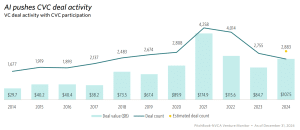
Per Pitchbook data, VC investments in startups surged by nearly 30% in 2024, driven largely by the booming AI industry. Leading firms like Greycroft and Kleiner Perkins are doubling down on AI despite rising valuations.ย 

Corporate venture capitalists (CVCs), in particular, are increasingly focusing on AI, with AI-related financings rising from 22.5% in 2021 to 31.9% in 2024.

AI push CVC deals 2024

However, climate-tech deals are declining, even as awareness grows about the need for clean energy investments. This is crucial to meet the energy demands fueled by AIโ€™s rapid growth, highlighting a shift in industry priorities as AI takes center stage in the venture capital landscape.

A Future Fueled by Innovation

Clean energy investors anticipate challenging months ahead for startups as the energy industry adapts to Donald Trumpโ€™s administration. With uncertainty around project financing and regulations, some VCs are advising companies to delay fundraising efforts until the landscape becomes clearer.
Investors are now focusing on scalable solutions that address both immediate and long-term needs. From energy-efficient data centers to breakthroughs in battery technology, the innovations emerging today will shape the future of climate tech.ย 

With billions of dollars flowing into transformative projects, the intersection of AI and climate tech offers a glimpse into a future where technology and sustainability go hand in hand.ย