

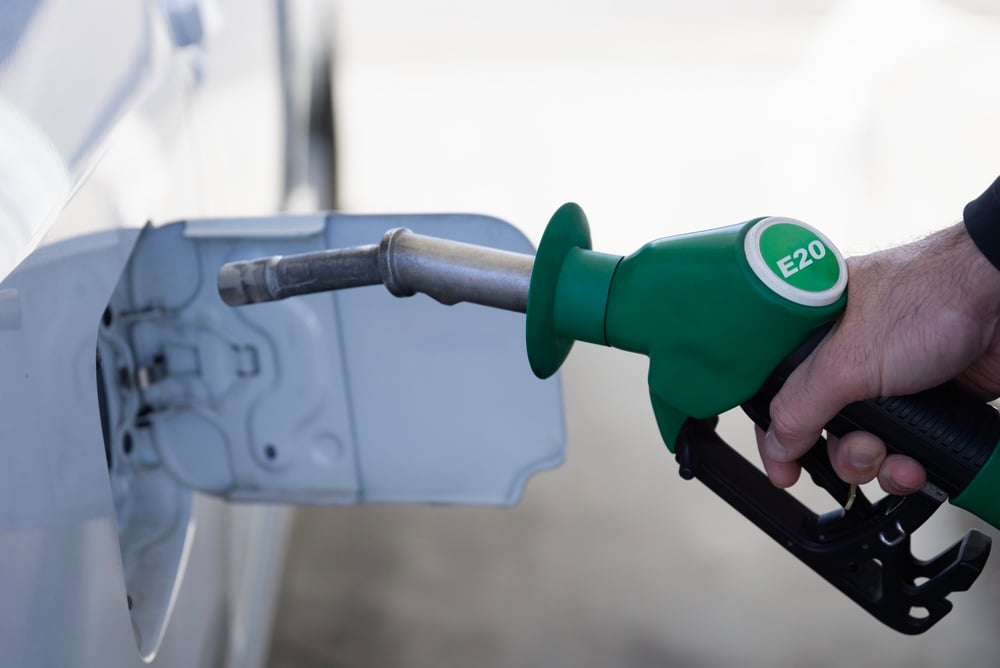
Electric vehicles (EVs) have become the symbol of cleaner transport, but some of the world’s biggest automakers believe another solution can also help cut emissions—renewable gasoline that works in today’s cars.
Toyota, BMW, Bosch, and Repsol have started a six-month pilot in Spain. They will test 100% renewable gasoline in real-world driving conditions. About 20 Toyota and BMW production vehicles will use Repsol Nexa 100% Renewable Gasoline. Bosch will monitor fuel performance with its Digital Fuel Twin technology.
Unlike electric vehicles, the pilot does not require new engines or charging stations. Instead, it aims to show that renewable fuels can lower emissions from the millions of gasoline-powered cars already on the road.
The project also reflects a growing shift in the auto industry. Rather than relying on a single technology, more companies are pursuing multiple paths to reach net zero.
Pascal Ruch, VP Corporate & Governmental Affairs, Toyota Motor Europe, remarked:
“As the transition progresses, it is becoming clear that there is a growing risk that 100% zero-emission vehicles by 2035 may not be fully achieved. In such a scenario, renewable fuels can help bridge the gap to deliver carbon neutrality, especially when combined with hybrid and plug-in hybrid technologies. This pilot aims to demonstrate how renewable fuels can make a meaningful and sustainable contribution to decarbonisation today, for both new and existing vehicles.”
Renewable Fuel Could Help Cut Emissions Today
The biggest advantage of renewable gasoline is that it works with existing vehicles and fuel stations.
Repsol produces the fuel from renewable waste materials instead of crude oil. The company claims it can cut lifecycle carbon dioxide (CO₂) emissions by up to 90%. This depends on the feedstock and production process used, compared to regular gasoline.
Lifecycle emissions cover the fuel’s full journey. This includes raw materials, production, transport, and final use. Unlike tailpipe emissions, they account for every step.
Renewable gasoline is also considered a drop-in fuel. Drivers can use it without modifying their engines, while fuel suppliers can distribute it through much of the existing infrastructure. That makes it a practical option for reducing emissions while the transition to electric mobility continues.
Why Existing Vehicles Still Matter
The world cannot replace its vehicle fleet overnight. According to the International Energy Agency (IEA), transport produces about 23% of global energy-related CO₂ emissions. Also, road transport accounts for about three-quarters of those emissions.
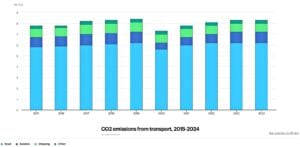
At the same time, there are more than 1.5 billion passenger vehicles in operation worldwide, most of which still use gasoline or diesel.
Electric vehicles are expanding rapidly. The IEA’s Global EV Outlook 2026 says global EV sales hit around 20 million in 2025. This is over 20% of new passenger car sales. Yet, replacing the global fleet will take decades, especially in developing countries where vehicles remain on the road longer.
This is where renewable fuels could play an important role. Instead of waiting for every gasoline car to be replaced, they can help lower emissions from vehicles already in service. Many experts now see renewable fuels as a complement to electrification rather than a competitor.
Governments Are Backing Low-Carbon Fuels
Support for renewable fuels is also growing through public policy.
The European Union’s Renewable Energy Directive (RED III) encourages greater use of advanced biofuels made from waste and non-food feedstocks. In the United States, programs such as the Renewable Fuel Standard (RFS) and California’s Low Carbon Fuel Standard (LCFS) continue to support cleaner transport fuels and new investments.
As these policies expand, energy companies and automakers are investing across the low-carbon fuel market. Renewable gasoline, renewable diesel, sustainable aviation fuel (SAF), and synthetic e-fuels are all expected to play a bigger role in reducing transport emissions over the coming decades.
The Toyota-BMW-Repsol pilot is one example of that broader shift. Rather than choosing between electric vehicles and renewable fuels, the industry is increasingly exploring how both can work together to speed up the journey toward net-zero transport.
Why Toyota, BMW, Bosch, and Repsol Are Joining Forces
The pilot also supports the climate goals of all four companies.
Toyota aims to become carbon neutral by 2050. Instead of focusing only on EVs, the company follows a “multi-pathway” strategy. It is investing in hybrids, battery EVs, hydrogen fuel cells, and renewable fuels. Toyota says different markets need different solutions to reduce emissions.
BMW also targets a climate-neutral value chain by 2050. By 2030, it plans to cut lifecycle CO₂ emissions per vehicle by at least 40% compared with 2019. The company is using more renewable electricity, recycled materials, and low-carbon manufacturing. It also supports renewable fuels for vehicles that will stay on the road for many years.
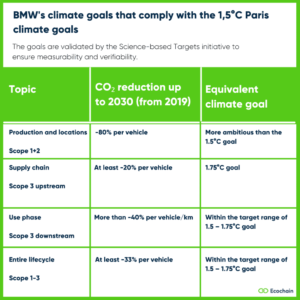
Bosch has already achieved carbon neutrality for its Scope 1 and Scope 2 emissions across more than 400 locations worldwide. The company continues to invest in electrification, hydrogen, and digital technologies that improve vehicle efficiency and lower emissions.
For Repsol, renewable fuels are becoming a key part of its energy transition. The company aims to become net zero by 2050. It is expanding production of renewable fuels and has opened one of Europe’s first large-scale plants that produces renewable diesel and SAF from waste-based feedstocks.
Estíbaliz Pombo, Deputy Director of Energy Products at Repsol, stated:
“At Repsol, we believe every emissions-reduction solution has a role to play in decarbonizing transport. As the only company currently supplying 100% renewable gasoline at public service stations in Spain, Repsol is proud to contribute its expertise and infrastructure alongside Toyota, BMW, and Bosch. The project’s real-world data will demonstrate the value of a technology-neutral approach to Europe’s mobility transition.”
Renewable Fuels Gain Momentum Worldwide
Renewable fuels are becoming an important part of the energy transition.
The IEA expects renewable energy use in transport to grow by 50% by 2030. Biofuels already supply more than 3.5% of global transport energy demand.
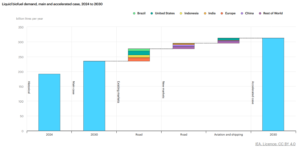
Their share of liquid transport fuels could rise from 4% in 2024 to over 6% by 2030, reaching about 235 billion liters annually. In an accelerated case, it could further jump to 313 billion liters per year.
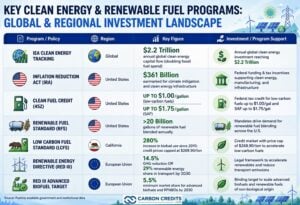
Government policies are driving this growth, backing the market with massive financial support. Various programs in different regions continue to fuel investment in these transport biofuels and renewable fuels, as shown below.
EVs Aren’t the Only Road to Net Zero
Most experts agree that transport will need more than one low-carbon solution.
Renewable fuels can help lower emissions from these existing vehicles because they work with today’s engines and fueling infrastructure. That is why Toyota, BMW, Bosch, and Repsol are investing in renewable fuels alongside EVs, hydrogen, and other clean technologies.
Rather than competing with electrification, renewable fuels can help speed up the transition to net-zero transport.
If the technology proves successful and production expands, renewable fuels could become an important bridge in the shift to cleaner mobility. Together with electric vehicles and other low-carbon technologies, they could help speed up the transition to a net-zero transport sector while making use of existing vehicles and fuel infrastructure.