


Alphabet, parent company of Google, has overtaken Apple to become the world’s second‑most valuable company. Alphabet’s market value reached about $3.9 trillion, while Apple’s was around $3.85 trillion.
This shift highlights Alphabet’s rapid growth in AI and technology and invites a look at how these two tech giants compare in their efforts on sustainability and climate goals.
Alphabet Ascends, Passing Apple in the Tech Race
Alphabet has surpassed Apple in market value, with nearly $3.9 trillion, while Apple’s was about $3.85 trillion. Nvidia remains the most valuable company, at over $4.5 trillion.
This is the first time Alphabet has held the number‑two spot since 2019. The change shows how fast values can shift among the largest tech companies.
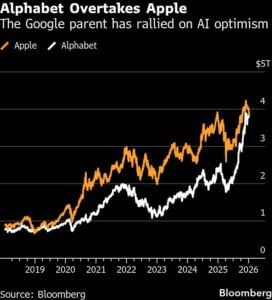
Alphabet’s rise reflects strong investor confidence in its broad technology portfolio. The company has made large strides in AI with tools like its Gemini model and investments in custom hardware.
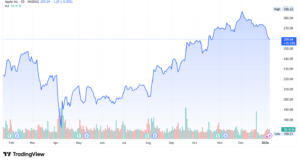
Apple, by contrast, has seen slower adoption of some AI innovations in its devices, which has affected investor sentiment. The companies’ stocks also show contrasting movements, with Google’s jumping and Apple’s tumbling.

Market Shake-Up: Why Numbers Matter
Market capitalization is a measure of a company’s value. It equals the total value of all the company’s shares. Being ranked second in market value means Alphabet is now larger than Apple by this measure. This does not necessarily mean Apple is weaker as a company. It simply reflects how investors value each company’s growth prospects today.
Market positions can change over time. A company’s value can rise or fall with earnings, technology breakthroughs, and market trends. In this case, Alphabet’s strong performance in AI and advertising helped it move ahead of Apple in the rankings. But how do the two compare in terms of their sustainability and net-zero efforts?
Green Ambitions: Big Tech’s Climate Playbook
Beyond market value, both Alphabet and Apple have made public commitments to sustainability. These commitments focus on reducing carbon emissions, using renewable energy, and supporting environmental efforts.
Both big tech companies say they are working to lower their impact on the planet. However, their approaches and progress differ in some ways. Let’s take a closer look at how each company tackles its carbon footprint.
Apple’s Measurable March to Net-Zero
Apple has set detailed, long‑term goals for reducing its environmental impact. The company aims to become carbon neutral across its entire business, manufacturing supply chain, and product life cycle by 2030. This goal means that Apple plans for its products and operations to have net‑zero greenhouse gas emissions by that year.
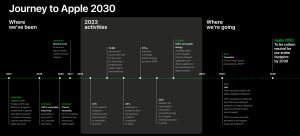
The tech giant has already made significant progress toward this goal. It has reduced its global greenhouse gas emissions by more than 60% compared with its 2015 baseline. This reduction reflects energy efficiency, cleaner electricity use, and other improvements in how products are made and shipped.
Apple’s 2030 strategy prioritizes reducing emissions by 75% before using carbon removal projects for the remainder. The company’s global supply chain now has 17.8 gigawatts of renewable electricity in operation.
The renewable energy procured by Apple suppliers helped avoid about 21.8 million metric tons of greenhouse gas emissions in 2024. In addition to clean energy, many of Apple’s semiconductor and display suppliers have pledged to reduce potent fluorinated greenhouse gases by at least 90 percent by 2030.

Apple also uses more recycled and renewable materials in its products. For example, a recent MacBook Air contains over 55% recycled materials, the highest percentage in any Apple device. Suppliers participating in Apple’s Zero Waste program redirected around 600,000 metric tons of waste from landfills in 2024.
In addition, Apple and its suppliers have saved more than 90 billion gallons of fresh water since launching their Supplier Clean Water Program in 2013. In 2024 alone, they saved 14 billion gallons through reuse and conservation efforts.
All of these efforts support Apple’s 2030 carbon neutrality goal, and they include reducing emissions and investing in cleaner materials, water conservation, and waste reduction.
- SEE MORE: Apple Stock (AAPL) Goes Green: 14,000-Acre California Forest Deal Advances Carbon Neutral Strategy
Alphabet’s Broad-Stroke Climate Push
Alphabet has also made public climate commitments. The company has a goal to reach net‑zero emissions across its operations and value chain by 2030. This goal includes supporting 24/7 carbon‑free energy where feasible. Alphabet reports emissions and tracks progress in its annual Environmental Report.
Alphabet has worked to use more renewable energy and improve energy efficiency at its offices and data centers. It has also taken steps to reduce emissions from transportation and offer tools to help customers measure and cut emissions.

The company reported a 12 % reduction in data center energy emissions in 2024, even though total energy demand has risen due to AI and data center growth. It also procured over 8 GW of clean energy in 2024, the most in any year.
Alphabet replenished about 4.5 billion gallons of water and outlined products that helped others reduce an estimated 26 million metric tons of emissions.
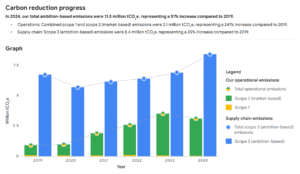
However, Alphabet’s overall emissions have increased in recent years because of rapid AI growth and higher electricity use. Reported ambition‑based emissions rose 11 % in one year and are about 51 % higher than in 2019, driven in part by the energy needs of AI infrastructure.
READ MORE:
- Alphabet, Google’s Parent, Bets $4.75B on Clean Power for AI Data Center Demand
- Google’s $20B Deal with Intersect Power and TPG Rise: How Can It Transform Data Centers?
Apple vs Alphabet: Who Leads on Green?
Both Apple and Alphabet are among the world’s largest technology companies. Both have made public commitments to tackle climate change, use renewable energy, and pursue emission reductions.
A key difference is how detailed and measurable some goals are. Apple has published numerical progress toward several targets, such as its 60 % emission reduction and 17.8 GW of renewable energy in its supply chain. Its 2030 goal is backed by specific steps in product design, materials use, and energy sourcing.
Alphabet, while also committing to net‑zero by 2030, emphasizes broader goals across its operations and value chain. It reports efforts in energy efficiency and green electricity, but has seen rising emissions in recent years, and its public metrics focus more on aspirational goals than on absolute emissions reductions.
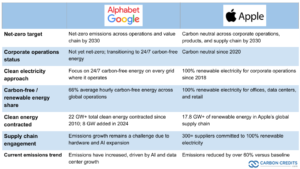
Independent research into the environmental impact of big tech suggests that large technology firms together contribute a measurable share of global greenhouse gas emissions. Their data centers and supply chains use large amounts of energy, making renewable energy and efficiency improvements key to future progress.
Why Green Strategy Shapes Tech Giants: Big Tech, Bigger Responsibility
Large tech companies have significant environmental footprints. Their products are used by billions of people, their data centers run around the clock, and their supply chains stretch across many countries. Because of this, their choices on energy use, materials sourcing, and emissions can influence broader trends in corporate sustainability.
Investors, customers, and regulators are increasingly focused on these issues. Companies with clear and transparent climate strategies may attract investors who value long‑term environmental performance.
Workers and consumers may prefer companies that show real progress toward sustainability. These factors can affect a company’s reputation and market value over time.
Alphabet’s rise past Apple in market value marks a major shift in the tech industry. While it now ranks second in global market capitalization behind Nvidia, both Alphabet and Apple remain leading technology players.
As large tech companies grow in size and influence, their climate and sustainability strategies will continue to shape industry standards and affect investor and consumer expectations. Achieving ambitious environmental targets remains complex, but both Alphabet and Apple have signaled a long‑term commitment to reducing their impact on the planet.
- FURTHER READING: Top 4 Clean Tech Companies to Watch in 2026