

The World Bank has made a major change to its climate strategy. It has dropped its target of directing 45% of its annual financing to climate-related projects after pressure from the United States. Although the bank says climate action remains a priority, the decision changes how it will measure its support for clean energy and climate resilience.
The move comes at a critical time. Climate disasters are becoming more frequent, and developing countries need billions of dollars to build clean energy, protect communities, and adapt to rising temperatures. Many experts worry that removing the target could weaken accountability, even if climate funding continues.
Why Did the World Bank Drop the Target?
The World Bank has decided to remove both its 35% and 45% climate finance targets under its Climate Change Action Plan (CCAP). Instead of tracking the percentage of lending that supports climate goals, the bank says it will focus on broader development results and the needs of borrowing countries.
As per reports, the change followed months of pressure from the United States, the bank’s largest shareholder. U.S. Treasury Secretary Scott Bessent argued that fixed climate targets could pull the World Bank away from its main mission of reducing poverty and boosting economic growth.
According to the bank, future lending will be client-driven. This means countries will decide which projects they want to finance. If a country wants more renewable energy or climate resilience projects, the World Bank says it will continue to support them.
World Bank President Ajay Banga also stressed that the institution is not abandoning climate finance. Instead, it wants to give countries more flexibility while keeping climate action part of their development plans.
Unlocking World Bank’s Climate Finance Program
Climate finance is money that helps countries fight climate change while supporting economic development. The World Bank uses these funds to finance projects that lower greenhouse gas emissions or help communities prepare for climate impacts.
Instead of offering separate climate loans, the bank includes climate goals in many development projects. For example, it may finance roads that can withstand floods, renewable power plants, water conservation systems, or climate-smart farming.
The World Bank measures these investments through “climate co-benefits.” This refers to the share of a project’s funding that directly supports climate action.
The projects generally fall into two main categories:
- Climate mitigation, such as renewable energy, clean transportation, energy-efficient buildings, and lower-carbon industries.
- Climate adaptation, including flood protection, drought management, climate-smart agriculture, stronger water systems, and disaster preparedness.
This approach became the foundation of the bank’s Climate Change Action Plan, launched in 2021. The goal was to make climate action part of everyday development projects instead of treating it as a separate program.
Climate Finance Has More Than Doubled
Ironically, the World Bank removed its target after reaching record levels of climate finance.
According to its latest figures, climate financing increased from about $17 billion in 2020 to more than $39 billion in fiscal year 2025. That is an increase of well over 100% in just five years.
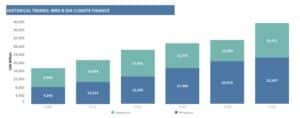
In fiscal year 2025, the bank reported:
- More than $39 billion in climate finance.
- 48% of total lending delivered climate co-benefits.
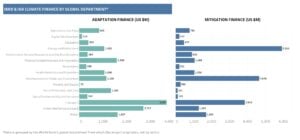
- Around $22.6 billion supported emissions reduction and clean energy projects.
- About $16.6 billion went toward climate adaptation and resilience.
Across the wider World Bank Group, including the International Finance Corporation (IFC), total climate-related financing reached about $50.8 billion.
These numbers show that climate finance has become one of the bank’s fastest-growing areas of investment.
Why Did the Target Matter?
The 45% target was more than just a percentage. It helped governments, investors, and environmental groups measure the bank’s progress.
The target also encouraged teams inside the World Bank to include climate solutions in projects involving transport, agriculture, water, and infrastructure.
Most importantly, it showed that the bank was committed to supporting the goals of the Paris Agreement.
Without a clear target, some experts worry that it will become harder to track whether climate finance is growing or shrinking in the future. The World Bank says it will continue reporting climate data, but many believe a numerical target provides stronger accountability.
- ALSO SEE: Singapore and World Bank Launch New Carbon Markets Programme to Scale High-Integrity Climate Finance
How Could This Affect Developing Countries?
The decision is unlikely to stop climate funding immediately. However, it could change how future projects are selected.
Developing countries face huge climate challenges. They need money to:
- Build renewable energy.
- Upgrade electricity grids.
- Protect communities from floods and droughts.
- Improve water security.
- Make agriculture more resilient.
Many low-income countries cannot afford these investments on their own. They depend on low-cost loans and grants from institutions like the World Bank.
Under the new approach, countries that request climate-related projects can still receive funding. However, governments that focus on other development priorities may receive less climate financing than before.
This could create differences in climate investment across regions and make long-term planning more difficult.
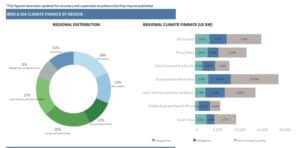
Here’s a breakdown of climate finance by region in the last year:
Global Climate Finance Faces a New Test
The World Bank plays a major role in international climate finance. Its decisions often influence other multilateral development banks.
At the COP29 climate summit in Baku, multilateral development banks pledged to provide $120 billion every year for low- and middle-income countries by 2030. They also committed another $42 billion annually for high-income countries.
The World Bank is expected to remain the largest contributor to these efforts.
However, removing its own climate finance target has raised new questions. Some analysts believe other investors may wonder whether the bank will continue increasing climate lending at the same pace.
Others argue that the bank is simply changing how it measures success rather than reducing funding.
Investors Are Watching Closely
So far, the World Bank has continued to finance clean energy projects.
Just days after announcing the policy change, it approved $265 million for a pumped-storage hydropower project in Morocco. The project will improve renewable energy integration and strengthen the country’s electricity grid.
This suggests that the bank still plans to support clean energy, climate adaptation, and resilient infrastructure.
Still, investors, governments, and environmental groups will closely watch future lending data. Without a formal target, the annual climate finance figures will become the best way to judge the bank’s commitment.
The Bottom Line
The World Bank’s decision to remove its 45% climate finance target marks an important shift in global development finance. The bank says climate action remains part of its mission, but it will now focus on development outcomes instead of meeting a fixed lending target.
For developing countries, climate funding is expected to continue. However, the lack of a measurable goal makes it harder to know whether support will keep growing in the years ahead.
The world needs trillions of dollars to expand clean energy, cut emissions and protect communities from climate change. Whether the World Bank can maintain its leadership without a formal climate finance target will become clear only through its future lending decisions.
In the end, the numbers will matter more than the policy. If climate finance continues to rise, the change may prove to be mostly administrative. But if funding slows, this decision could become a defining moment for global climate finance and the world’s transition to a low-carbon economy.