

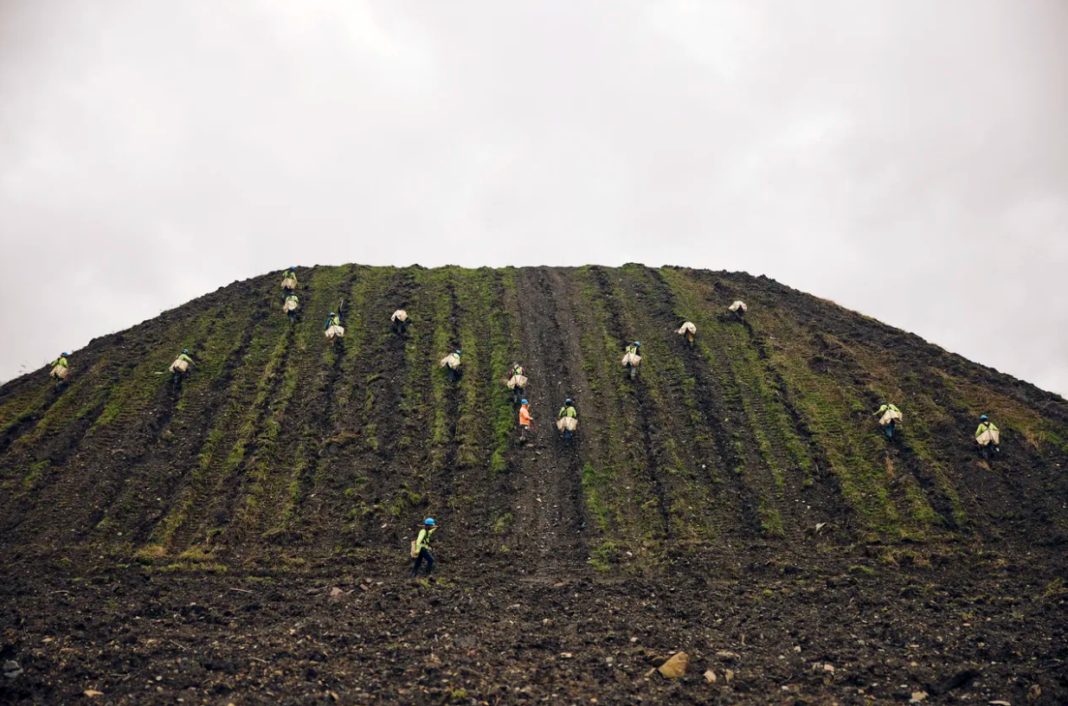
The global race to remove carbon dioxide from the atmosphere is entering a new phase. Octopus Energy Generation announced a big $500 million plan. They will fund reforestation and afforestation projects across the U.S. in partnership with climate tech company Living Carbon. The projects aim to restore degraded land while removing millions of tonnes of carbon dioxide from the atmosphere.
The deal is one of the largest disclosed institutional investments in nature-based carbon removal projects in recent years. It also shows that there is growing confidence in carbon removal markets, which might play a big role in global net-zero strategies.
Octopus Energy Generation’s fund management will invest $500 million in Living Carbon’s reforestation platform. On top of that, Octopus will invest nearly $13 million directly into Living Carbon’s business operations.
Zoisa North-Bond, CEO at Octopus, said:
“This is a landmark deal for us in the US and a huge step in our mission to invest in solutions that drive the planet toward a cleaner future.”
The companies say the funding could help remove up to 50 million tonnes of carbon dioxide over the next 40 years. The New York City Mayor’s Office of Climate & Environmental Justice says this is about the same as the city’s yearly greenhouse gas emissions.
Turning Abandoned Land Into Carbon Assets
The project aims to restore damaged land. This land would stay harmful to the environment or unproductive for the economy if not addressed.
Living Carbon specializes in rehabilitating former mining sites and degraded farmland across the United States. These areas are replanted with native trees, which help absorb carbon dioxide. They also boost biodiversity, improve soil quality, and enhance water systems.
The opportunity is enormous.
American Forests, a nonprofit conservation group, reports that the U.S. has about 130 million acres of degraded land. This land has potential for reforestation. That area is larger than the entire state of California. Many of these lands are located in former industrial and mining regions that have struggled economically for decades.
Reforestation projects not only create local jobs but also generate carbon credits. Each credit represents one tonne of removed or avoided carbon dioxide. Corporations buy these credits to offset emissions.
Living Carbon uses satellite imagery, climate models, and ecological analysis. This helps them find land with the best long-term carbon removal potential. Maddie Hall, Founder and CEO at Living Carbon, remarked:
“Our partnership with Octopus takes us from early-stage implementation to delivering long-term carbon removal at scale with institutional capital. This is a sign that this market is maturing into real project finance as corporate commitments to net-zero increase.”
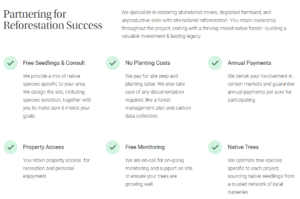
Notably, the company is building projects near growing data center areas. Energy demand and emissions are rising quickly in these places because of the growth in artificial intelligence infrastructure.
Carbon Removal Markets Hit Wall Street Scale
The Octopus-Living Carbon partnership arrives as demand for carbon removal continues to grow globally.
Companies feel more pressure to achieve net-zero goals. They also need to cut emissions that are hard to eliminate directly. As a result, many corporations are turning to carbon removal projects to help offset residual emissions.
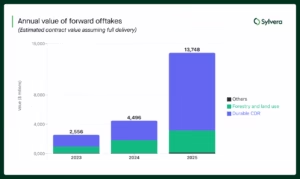
According to carbon market intelligence firm Sylvera, companies committed nearly $14 billion toward future carbon removal purchases in 2025 alone.
At the same time, the number of companies with validated net-zero targets rose 61% globally last year, according to the Science Based Targets initiative (SBTi). Large technology companies are among the biggest buyers.
Living Carbon has also signed carbon offtake agreements with big firms like Microsoft, Google, Meta, and McKinsey & Company. The Symbiosis Coalition, featuring Google and Meta, has contracted over 131,000 tonnes of carbon removal from the company for the next decade. This reflects a broader trend across the technology sector.
Artificial intelligence systems and data centers are sharply increasing electricity demand worldwide. As emissions increase with digital growth, many tech companies are investing in carbon removal. This helps them balance future emissions.
Nature-Based Removal Solutions Gain Investor Support
The market for nature-based carbon removal is growing fast. Debates about carbon credit quality and verification standards are still ongoing.
Nature-based solutions include reforestation, afforestation, wetland restoration, grassland recovery, and soil carbon management. These approaches remove carbon dioxide naturally through ecosystems rather than through engineered industrial systems.
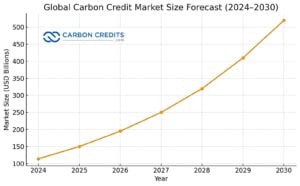
McKinsey & Company predicts that the global voluntary carbon market could hit $50 billion to $250 billion each year by 2050. This depends on climate policies and how much companies get involved. BloombergNEF and Ecosystem Marketplace both predict strong long-term growth in carbon credit demand.
However, the sector has also faced criticism over transparency and carbon accounting quality. Recent studies have raised doubts about whether some forest carbon credits truly deliver the claimed climate benefits.
That scrutiny is pushing investors toward projects with stronger scientific verification and long-term monitoring systems. This is where Living Carbon’s focus on “high-quality” carbon removal becomes crucial. Their projects aim for measurable environmental benefits and long-term land restoration.
Analysts believe that big financing deals, like the Octopus deal, can help the sector grow. This shift could take it from early-stage testing to developing mature infrastructure projects.
Octopus Energy Expands Beyond Wind and Solar
The investment also highlights how clean energy companies are expanding beyond traditional wind and solar infrastructure.
Octopus Energy has rapidly become one of Europe’s largest renewable energy investors. It is the UK’s largest supplier of domestic electricity and gas. The company manages around 4.9 gigawatts of renewable energy assets in 21 countries. This includes wind and solar farms worth about £7 billion ($9 billion).
According to the company, those assets generate enough electricity to power around 3.2 million homes annually. Now Octopus is increasingly investing in broader climate technologies.
This year, the company said it plans to invest up to $2 billion in U.S. clean energy and climate tech by 2030. It will mainly focus on California’s clean-tech sector. That strategy includes carbon removal, heat batteries, energy storage, and nature restoration projects.
The company has boosted its investment in Cultivo, which offers nature-based solutions, too. This supports grassland restoration projects across the United States.
Carbon Removal Is Becoming a Core Net-Zero Tool
Global climate models suggest that just reducing emissions might not be enough to reach long-term climate goals. The Intergovernmental Panel on Climate Change says the world needs to remove carbon dioxide. This is important to keep global warming below 1.5°C or 2°C. Rapid cuts in emissions are also necessary.
The International Energy Agency says it is crucial to greatly increase global carbon removal by 2050. This is critical for reaching net-zero goals. Thus, corporate buyers are locking in long-term supply agreements now before future carbon credit shortages hit.
Similarly, analysis by McKinsey shows that the world needs between $6 trillion and $16 trillion of investment in carbon removals by 2050 to hit net zero.
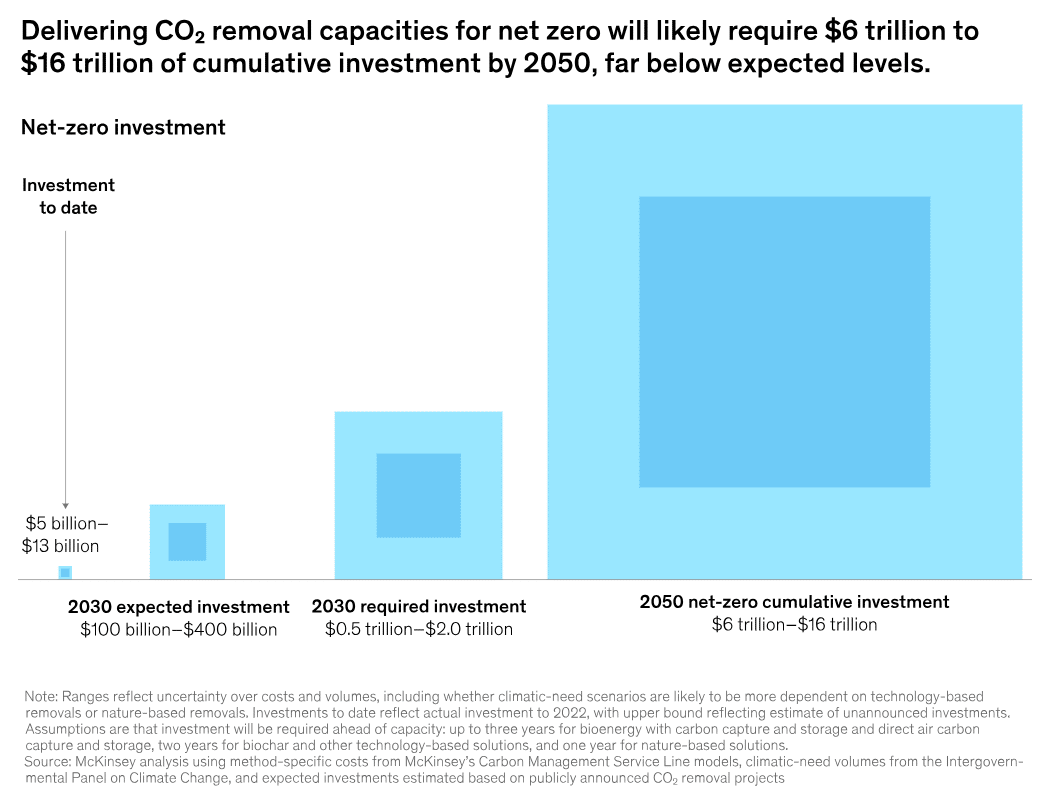
The surge in carbon removal purchases is helping transform the market from a niche climate strategy into a rapidly growing investment category. And the Octopus-Living Carbon partnership reflects that shift.
Instead of treating carbon removal as a small offset activity, institutional investors are beginning to finance it at an infrastructure scale. That could reshape how companies approach climate mitigation over the next decade.
For now, the deal also highlights a broader reality: restoring forests and degraded ecosystems is no longer viewed only as conservation work. It is increasingly becoming part of the global clean energy and net-zero economy.