

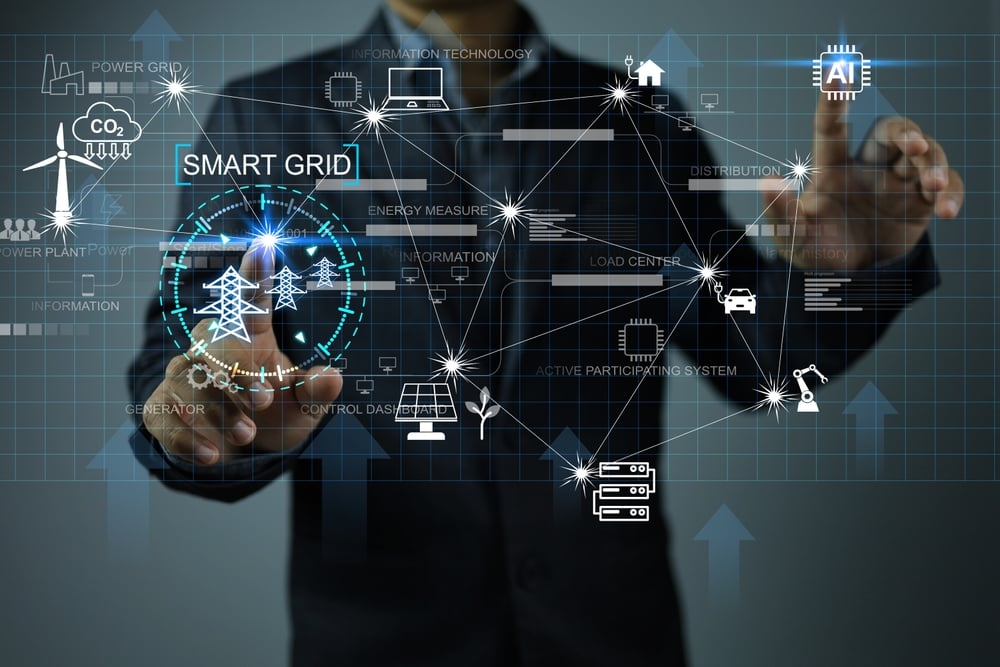
Tesla, Sunrun, and Renew Home are joining forces to build one of the largest virtual power plant (VPP) networks in the United States. The partnership plans to link millions of home batteries, solar panels, smart thermostats, and electric vehicles. This will create a flexible energy network that can provide over 16 gigawatts (GW) of electricity.
The companies say the network could help power data centers, factories, and other large electricity users without relying only on new power plants or transmission lines. Instead, it would use energy already stored in homes and businesses, sending electricity back to the grid when demand is high.
Why AI Is Changing the Power Market
The announcement comes as U.S. electricity demand is rising for the first time in decades. Artificial intelligence (AI), cloud computing, and hyperscale data centers are driving much of this growth. Utilities are now looking for faster ways to add electricity capacity while keeping the grid reliable and cutting emissions.
The proposed 16 GW network would generate about as much electricity as 16 large nuclear reactors. It could also supply power to millions of homes during peak demand periods.
Sunrun CEO Mary Powell remarked:
“The grid of the 1800s cannot power the innovation of 2026. Americans deserve innovation that does not create unnecessary energy costs. When data centers are asked to throttle down operations during the most expensive and stressful hours of the day, we can activate our distributed power plants to help provide them the power they need while also protecting American families from footing the bill for costly new infrastructure.”
The rapid growth of AI is putting increasing pressure on electricity systems around the world.
The International Energy Agency (IEA) says global electricity demand from data centers will more than double by 2030. AI data centers are the main driver because they require huge computing power and run around the clock.
In the United States, the Department of Energy estimates that data centers already use about 4% of the nation’s electricity. That share could rise sharply over the next decade, alongside its water and carbon footprint.
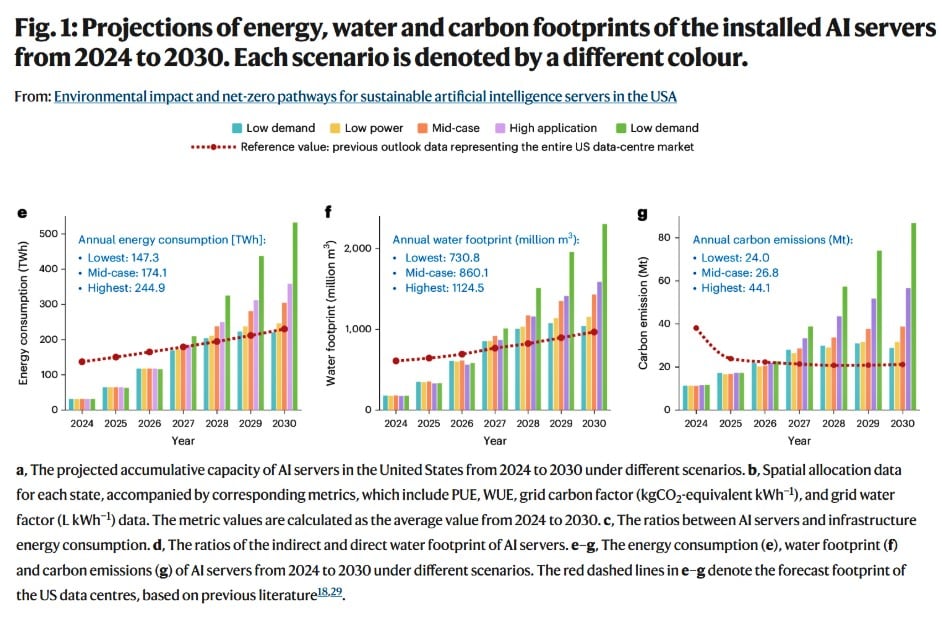
Meeting this demand will require new sources of electricity. Building large power plants and transmission lines can take years or even decades. This is due to delays in permitting, construction, and connecting to the grid.
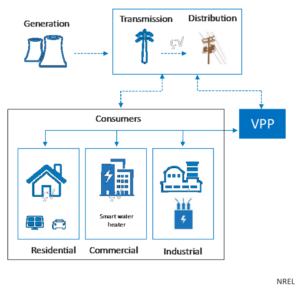
Virtual power plants offer a faster option. Utilities now combine thousands of smaller energy sources from homes and businesses. This replaces the need to build new generation facilities. These include rooftop solar panels, battery storage, electric vehicles, and smart appliances. These devices can automatically respond when the grid needs extra power.
The U.S. Department of Energy says virtual power plants may offer 80 GW to 160 GW of flexible capacity by 2030. This could cover 10% to 20% of the country’s peak electricity needs.
How the 16 GW Network Will Work
The partnership combines the strengths of three companies.
Tesla offers Powerwall home battery systems, which allow homeowners to store extra solar power. When demand increases, they can send electricity back to the grid.
Sunrun, the largest residential solar installer in the United States, brings its growing network of rooftop solar systems and home batteries. The company now serves nearly one million customers, giving it one of the country’s largest distributed energy networks.
Renew Home adds its software platform, which connects millions of smart thermostats, water heaters, electric vehicles, batteries, and other internet-connected devices. The platform lets utilities coordinate these resources in real time without disrupting customers’ daily routines.
Together, the companies will join their distributed energy resources into one virtual power plant. Utilities can then manage it like a regular power station.
Electricity will come from thousands of homes in different states, not just one big facility. This approach also strengthens grid resilience because power is generated closer to where it is needed.
Tesla Is Building More Than Cars, It’s Building the Future Grid
While Tesla is best known for its electric vehicles, its energy business is becoming a bigger part of its long-term strategy. The company‘s mission is to speed up the world’s shift to sustainable energy. The company invests in electric vehicles and also focuses on:
- Battery storage,
- Solar energy,
- Grid services, and
- Artificial intelligence.
Its Megapack batteries are now used by utilities around the world to support renewable energy and improve grid reliability. Powerwall installations are growing. More homeowners want energy independence and backup power during outages.
Tesla has also set environmental goals beyond vehicle manufacturing. The company aims to cut emissions across its operations by increasing renewable energy use, improving manufacturing efficiency, and expanding battery recycling.
Tesla’s latest Impact Report states that widespread electrification, along with renewable electricity and battery storage, is one of the quickest ways to cut global greenhouse gas emissions. The EV giant is also working on its own VPP system.
A Tesla Virtual Power Plant connects thousands of homes with Powerwall batteries, rooftop solar systems, EV chargers, and other smart energy devices into a single network that works like a traditional power plant.
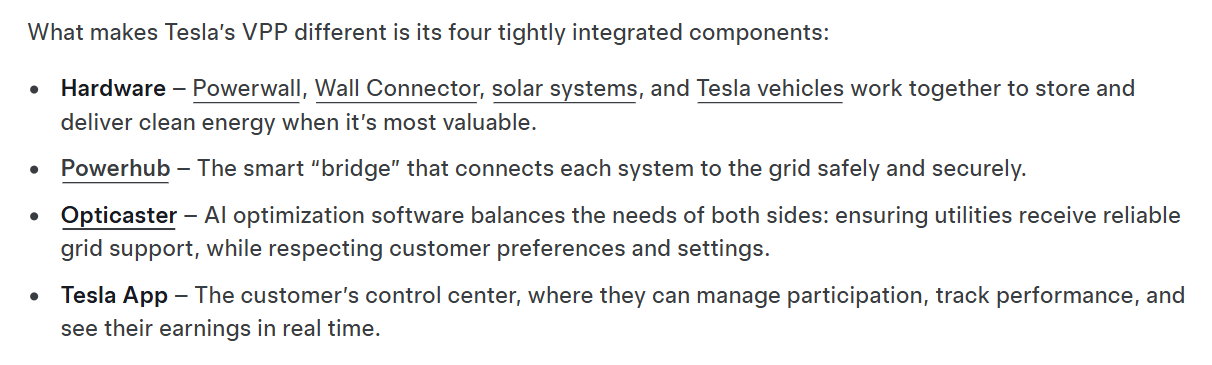
Instead of generating electricity from one central spot, the VPP uses software. It helps homes decide when to store, use, or send electricity back to the grid during busy times. This helps improve grid reliability, reduce reliance on expensive fossil fuel peaker plants, and lower emissions.
Homeowners can also earn payments for participating while keeping backup power for outages. In July 2025, Tesla’s California VPP delivered more than 535 MW of grid capacity.
Examples of Tesla Virtual Power Plant programs include:
- California, U.S. – The largest Tesla VPP, operating with utilities such as Pacific Gas and Electric and Southern California Edison.
- Texas, U.S. – Tesla Electric customers with Powerwalls can participate in the state’s VPP program.
- South Australia – One of the world’s first large-scale residential VPPs, connecting thousands of public housing and private homes.
- Puerto Rico – A growing VPP network that helps improve grid resilience following frequent power outages.
- Massachusetts, U.S. – Powerwall owners participate through utility demand response and connected solutions programs.
These projects demonstrate how distributed home batteries can provide utility-scale grid services while supporting the transition to cleaner and more flexible electricity systems.
Tesla Stock Shows Limited Reaction
Despite the importance of the announcement, Tesla’s stock showed only a modest reaction. Investors largely viewed the partnership as a long-term opportunity rather than an immediate earnings driver. The financial impact will depend on how quickly utilities adopt virtual power plants and how fast home battery installations grow.

On the other hand, Sunrun shares jumped over 20% after the announcement. Investors noticed bigger near-term gains for the residential solar company. The partnership also strengthens Sunrun’s strategy of expanding beyond rooftop solar into grid services and energy management.

For Tesla, however, the announcement boosts confidence that its energy storage business could play a bigger role next to its automotive business.
Home Batteries Could Become the Next Power Plants
The proposed 16 GW virtual power plant is more than just another clean energy partnership. It shows how electricity systems may evolve to meet rising demand from AI, electrification, and renewable energy.
Utilities can use millions of connected batteries, solar systems, electric vehicles, and smart devices in homes. This way, they do not need to build enough power plants for just a few hours of peak demand each year.
Challenges remain. Expanding virtual power plants need the following for a successful implementation:
- Supportive regulations,
- Customer participation,
- Strong cybersecurity, and
- Better coordination between utilities and tech providers.
Even so, momentum is growing. As AI drives electricity demand to record levels, distributed energy resources are shifting from niche programs to essential parts of the power grid.
For Tesla, Sunrun, and Renew Home, the 16 GW initiative is more than a technology partnership. It shows how home energy systems could become a key part of tomorrow’s electricity grid by providing flexible, low-carbon power exactly when it is needed most.