


Singapore and Indonesia have signed a new agreement to expand carbon credit trading. The deal is another step toward building a stronger carbon market in Southeast Asia.
The agreement was signed during the annual leaders’ retreat between the two countries. It creates a legal framework for carbon credit projects under Article 6 of the Paris Agreement. These rules allow countries to trade verified emissions reductions while making sure each credit is counted only once.
Why the Singapore-Indonesia Carbon Credit Deal Matters
The partnership is expected to support more climate projects in Indonesia. It will also help Singapore use high-quality international carbon credits to meet part of its climate goals.
Officials from both countries said the agreement will encourage private investment, support new climate technologies, and create more opportunities for low-carbon growth.
Gan Kim Yong, Singapore Deputy Prime Minister, stated:
“This MOU signals Singapore’s and Indonesia’s intent to work towards creating a framework for channelling climate finance into high-integrity projects, from protecting forests and restoring coastal ecosystems, to deploying clean technology solutions that reduce emissions and create new economic opportunities.”
The deal also shows that countries are working more closely to reach their net-zero goals. It brings together two countries with different strengths.
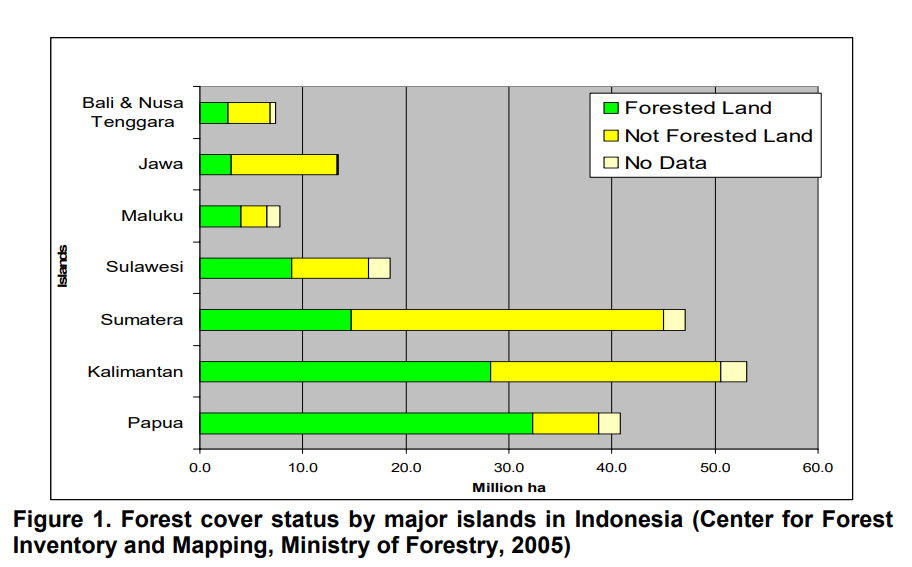
Indonesia has some of the world’s richest natural carbon resources. It has the third-largest tropical rainforest after Brazil and the Democratic Republic of the Congo. According to the Food and Agriculture Organization (FAO), forests cover about 60% of the country’s land. Indonesia also has the world’s largest mangrove forests and vast peatlands, which store huge amounts of carbon.
Singapore has a different role. Because of its small land area, it cannot develop many large carbon removal projects. Instead, it is becoming a regional center for carbon trading, green finance, and climate services.
- RELATED: Singapore and World Bank Launch New Carbon Markets Programme to Scale High-Integrity Climate Finance
The agreement allows each country to use its strengths. Indonesia can develop carbon projects that protect forests, restore peatlands, expand renewable energy, and cut emissions. Singapore can provide funding, project expertise, and access to global buyers.
Together, they hope to build a trusted carbon market that supports climate action and creates new business opportunities.
Article 6 is Opening New Carbon Markets
The new agreement follows the rules under Article 6 of the Paris Agreement. These rules allow countries to trade verified emissions reductions to help meet their climate targets.
Each transaction must include a corresponding adjustment. This makes sure the same carbon credit is not claimed by both countries.
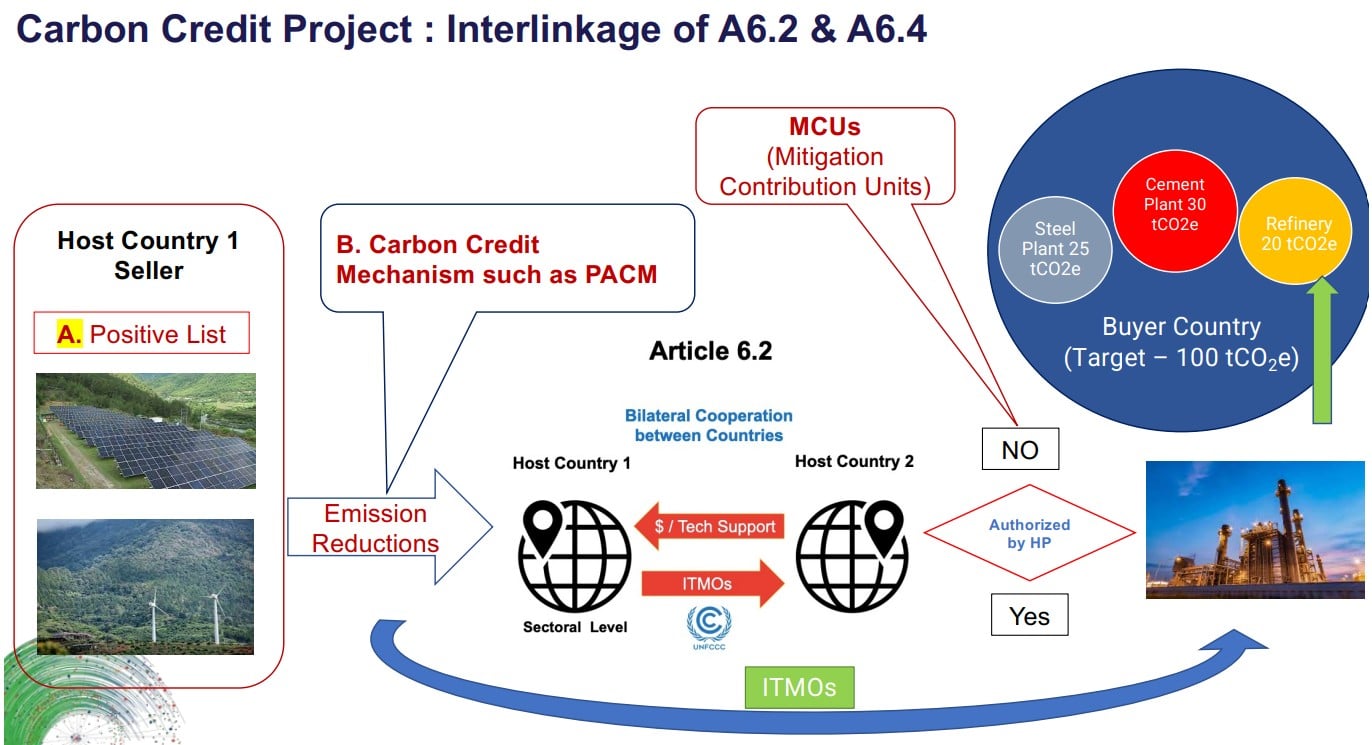
Singapore has been one of the first countries to sign Article 6 agreements. Before Indonesia, it signed similar deals with Ghana, Papua New Guinea, Bhutan, and Peru.
Singapore has also introduced one of Asia’s first economy-wide carbon taxes. Large industrial facilities currently pay S$25 (about US$19) per metric ton of carbon dioxide equivalent. The tax will rise to S$45 per ton in 2026 and 2027, and then increase to S$50 to S$80 per ton by 2030.
Companies can use eligible international carbon credits to offset up to 5% of their taxable emissions. This is expected to increase demand for high-quality carbon credits from countries such as Indonesia.
Net-Zero Targets Are Fueling Climate Investment
Both countries have set ambitious climate targets, making carbon markets more important.
Singapore plans to reach net-zero emissions by 2050. It also aims to reduce emissions to 45 million to 50 million metric tons of CO₂ equivalent by 2035. Along with expanding solar power and improving energy efficiency, Singapore sees international carbon credits as one way to help reach its climate goals.
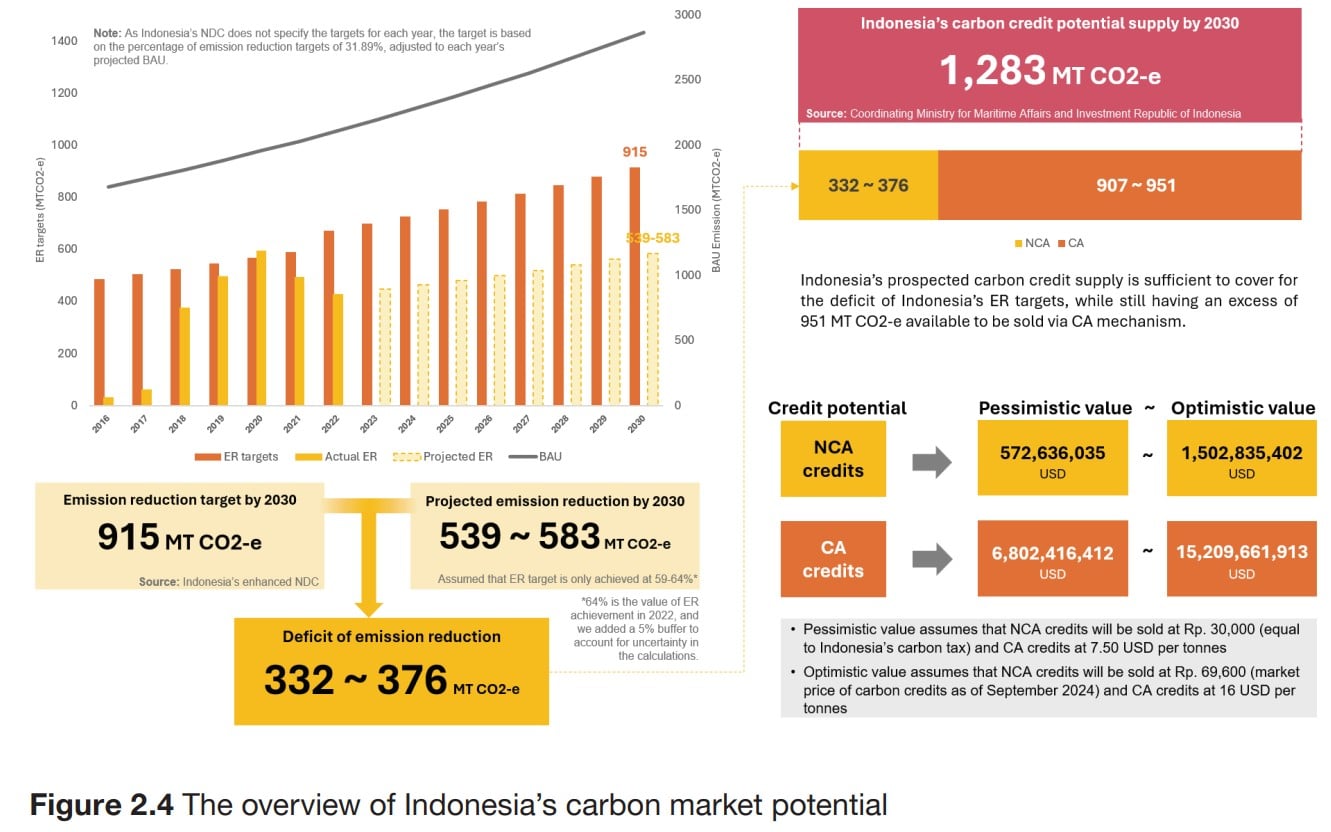
Indonesia has pledged to achieve net-zero emissions by 2050. Under its new climate plan, the country aims to reduce greenhouse gas emissions by 31.89% using its own resources. With international support, the goal is 43.2% by 2030 compared to its business-as-usual scenario.
The new agreement can help both countries move closer to these goals. It can also attract more investment into projects that reduce emissions, protect forests, and support local communities.
More countries are adopting carbon pricing, and companies are looking for high-quality carbon credits. So partnerships like this could play a bigger role in Southeast Asia’s low-carbon transition.
Indonesia Could Become a Leading Carbon Credit Supplier
Indonesia has some of the world’s biggest opportunities to produce high-quality carbon credits.
The country has about 95 million hectares of tropical forests, the world’s largest mangrove forests, and vast peatlands. These ecosystems store huge amounts of carbon and help protect biodiversity.
According to the World Bank, Indonesia’s forests and peatlands are among the world’s most important natural carbon sinks. Protecting and restoring them can cut emissions while creating new income for local communities.
Indonesia has already taken steps to build its carbon market. In 2023, it launched the Indonesia Carbon Exchange (IDXCarbon), allowing companies to trade carbon credits under the country’s climate rules. The government also plans to expand carbon trading as more sectors join its emissions reduction program.
The new agreement with Singapore could bring more international buyers into this market. It can also fund projects that restore forests, protect mangroves, create renewable energy, and cut industrial emissions.
Carbon Markets in Southeast Asia Are Growing
Southeast Asia is expected to become one of the world’s fastest-growing carbon markets over the next decade.
According to a recent HAMERKOP market analysis, Indonesia, Cambodia, Malaysia, Thailand, and the Philippines had issued a combined 129 million verified carbon credits as of April 2025. This represents about 22% of global nature-based credit issuance.
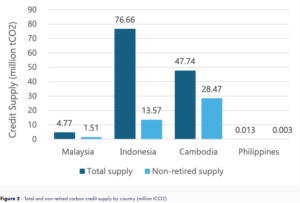
Around 43 million credits remain available for buyers, with Indonesia and Cambodia supplying most of the region’s credits.
The study also identified 28 projects under development and found that credit retirement rates have climbed from less than 20% in the late 2010s to more than 65% by 2025. This shows stronger buyer demand and growing confidence in Southeast Asia’s carbon market.
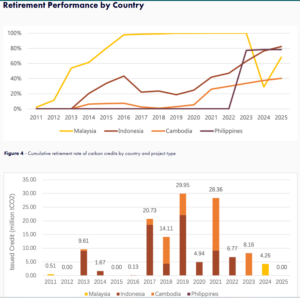
The region also has some of the world’s largest supplies of nature-based carbon credits. Forests, peatlands, mangroves, and other ecosystems in Indonesia, Malaysia, Vietnam, and the Philippines provide great chances to create high-quality carbon credits. They also help protect biodiversity and support local communities.
The Singapore-Indonesia agreement is more than a bilateral climate deal. It signals that the region is becoming a larger player in global carbon markets.
Together, the two countries are creating a framework that could attract more private investment into climate projects while supporting regional economic growth.
As more countries and companies are taking climate goals seriously, international carbon partnerships may become more common. The Singapore-Indonesia partnership shows how neighboring countries can work together to cut emissions, protect nature, and build a stronger low-carbon economy.