DevvStream, a leading carbon credit investment firm specializing in technology solutions, entered into an exclusive carbon credits management deal with VRM Biologik.
VRM Biologik is a soil restoration tech firm whose proprietary products regenerate farmlands by stimulating Biological Hydrosynthesis — a natural reaction that captures carbon and creates additional water.
About 33% of the world’s soils are already degraded, and at the current rate of depletion, the world’s topsoil can be gone within 60 years.
Regenerative agriculture tech and practices like that of VRM Biologik can improve soil health dramatically, providing not only environmental and human health benefits but also sequestering carbon from the air. Its adoption can capture and store up to 250 million metric tons of CO2 in the U.S. alone each year (5% of the country’s emissions).
Under the agreement, DevvStream gets exclusive rights and title to carbon credits from projects developed by VRM Biologik. The company will also serve as carbon credit manager for those projects.
DevvStream’s CEO remarked that:
“This partnership provides DevvStream with the ability to generate high-quality, verifiable carbon credits from a variety of projects in the agricultural space, including large-scale, land-based opportunities we’re currently pursuing in North and South America.”
In partnership with The Mexican Foodbanking Network, a Miami-based climate tech company, CoreZero, has developed a method to create carbon credits to reduce carbon dioxide and methane emissions of food waste through the voluntary carbon market.
CoreZero had quantified the prevention of 221,800 tons of carbon emissions and converted them into carbon credits.
World’s First Carbon Credits from Food Waste
The 221,800 carbon credits are the world’s first carbon credits from food rescue. They represent the beginning of an option to offset that converts waste into value.
CoreZero Sustainability Director Nicolás Dobler said:
“We are excited to assist in driving incremental value out of waste and monetizing efforts to scale up social and environmental impacts, saving more products and reducing the food gap for those in need while contributing to climate change mitigation… Our model is replicable to scale the impact of zero-waste projects globally, enabling a new and disruptive vertical of offsetting that provides social, economic, and environmental benefits.”
Emissions of Food Waste
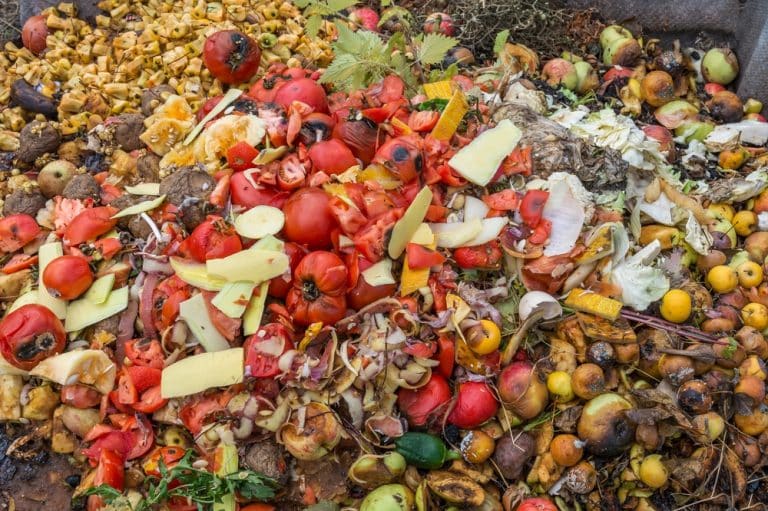
Production, transportation, and handling of food generate significant carbon emissions. The global food system emits about a third of total annual GHG emissions. Food waste represents about half of this footprint and when food ends up in landfills, it releases methane.
One study found that in 2017, global food waste emitted 9.3 billion tonnes of CO2e (GtCO2e). That’s about the same as the total combined emissions of the US and the EU for the same year.
In the United States alone, the carbon emissions of food waste are equal to those of 42 coal-fired power plants.
The Environmental Protection Agency or EPA estimated that each year, U.S. food loss and waste releases 170 million metric tons of carbon dioxide equivalent (million MTCO2e) GHG emissions. This doesn’t even include landfill emissions.
Globally, the waste sector accounts for about 20% of human-driven methane emissions. This greenhouse gas is even more potent and has 80x the warming power of CO2 over two decades.
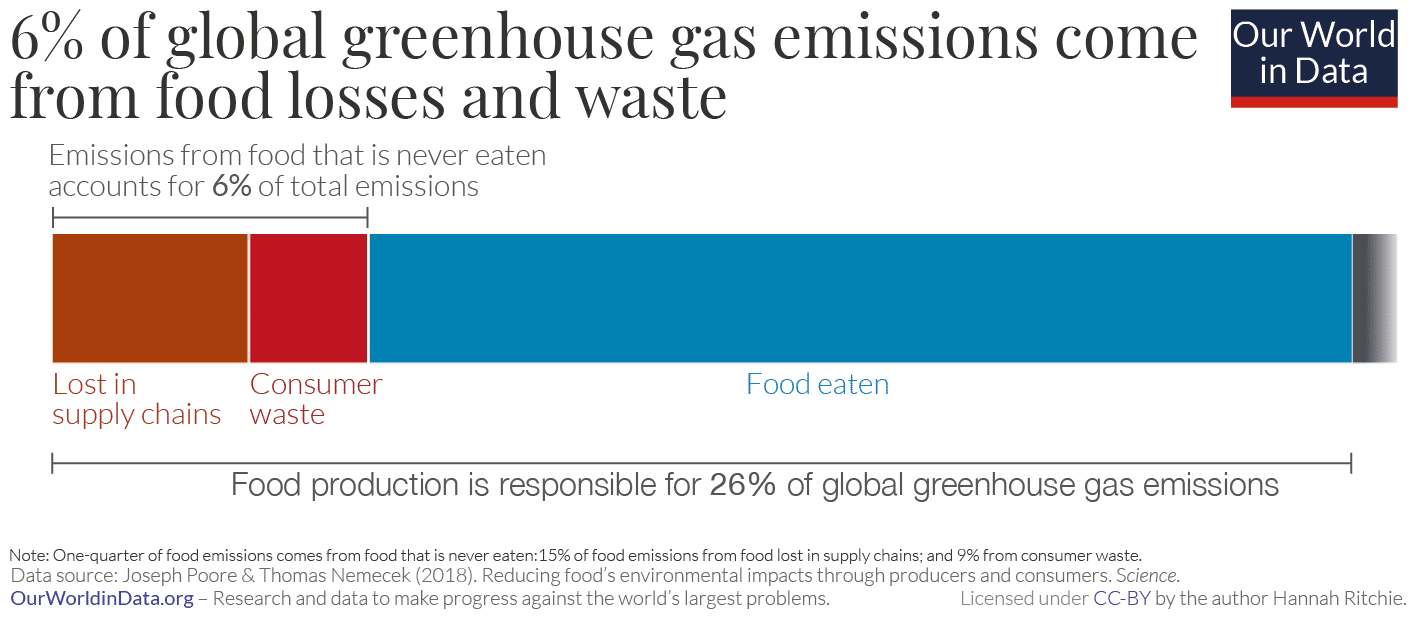
Overall, GHG emissions from food that’s never eaten accounts for about 6% or higher of global total emissions.
Another study found that almost 24% of food’s emissions come from food that is lost in supply chains or wasted by consumers.
Meanwhile, two-thirds of the emissions (15%) is due to poor storage and handling techniques, spoilage during transport and processing, and lack of refrigeration. The remaining 9% of emissions is from food thrown away by consumers and retailers.
To put that figure in context, it’s about 3x the aviation sector’s global carbon footprint. In other contexts, food waste will be the 3rd largest country emitter. The U.S. accounts for 13% while China 21%.
So, if we don’t take urgent action, global waste will grow 70% from current levels by 2050.
Reducing Food Waste and Climate Change
When food gets wasted, all inputs used in producing, processing, transporting, preparing, and storing it also go to waste. Food loss and waste also contributes to the climate crisis with its significant carbon footprint.
And CoreZero seeks to help ramp up initiatives that have an actionable impact in food waste reduction. The company’s CEO and founder, Jean Pierre Azañedo, understands the responsible waste approach to both address the hunger crisis and climate change. Azañedo has over a decade of experience in waste management.
The climate tech firm’s methodology measures and quantifies the impact that reducing food waste has on climate change.
Through its quantification and monetization method, both nonprofits and businesses can monetize their positive actions with carbon credits. Companies can get those credits and then use them to offset their own carbon emissions.
CoreZero’s from waste to carbon credits is a 3-step approach to climate innovation.
Integrate. CoreZero’s platform integrates into your operations to assess the project’s potential, identify the methodology and define the emission factors that apply.
Quantify. They measure your positive impact and convert it into carbon reduction units, tracked and reported using blockchain technology and verified through an independent third-party process.
Monetize. Carbon reduction units transformed into tradable carbon credits and monetized in the Voluntary Carbon Market (VCM).
With this approach, CoreZero aims to transform the 1.3 billion tons of food waste each year into carbon credits. Thus, it becomes a turning point in how food waste and offsetting are now considered by NGOs, companies, and individuals.
As Azañedo noted:
“I hope this turning point contributes to a change of perspective towards waste and its value… We designed a way to accelerate waste avoidance and valorization to tackle climate change. The potential of waste is boundless, so let’s, as a society, choose not to be wasteful with waste.”
Airex Energy has raised $38 million in a Series B funding round led by Cycle Capital to speed up the company’s plans to expand its production of low-carbon products, biocoal and biochar, made from biomass.
Airex Energy is a Canadian-based company that develops and delivers decarbonization solutions that can significantly cut greenhouse gas emissions.
The $38 Million Round
The financing round also includes existing investors Investissement Québec, Desjardins-Innovatech and Export Development Canada and welcomes a new investor, Fonds de solidarité FTQ.
The 7-year-old company will use the $38 million proceeds from the fundraising to increase capacity at its commercial-scale Bécancour biocoal plant.
Thanks to this fundraising, Airex Energy will be fast-tracking its innovations and growth initiatives. And that includes a Quebec biochar project with its partnership with Suez Group.
As part of the deal, Airex will also continue with its aim to build 350,000 tonnes a year of biochar production capacity by 2035. The project cost is around $40 million.
The first phase will be a 30,000 tonne facility in Quebec, with help from Suez and a local biomass company. The goal is to largely boost biochar production in Europe and North America by 2035.
Other initiatives include the conclusion of agreements in Quebec’s biocarbon and Asia’s biocoal sectors.
Michael Gagnon, Airex CEO remarked on the round:
“We are proud to count on the support of recognized local investors. Their backing is a wonderful acknowledgment of our shared sustainable development ambitions, as well as a sign of confidence…Thanks to our one-of-a-kind technology, we are poised to become a leader in the area of innovative and environmentally friendly decarbonization solutions both inside and outside Canada.”
Airex Energy Patented Tech
Andrée-Lise Méthot, Founder and Managing Partner of Cycle Capital also commented:
“From the outset, we have been convinced of decarbonization’s potential, particularly in polluting industries, as well as of Airex’s patented technology…As we get ready to launch the large-scale commercialization of biochar and biocoal, we look forward to contributing to Airex’s growth…”
Cycle Capital is a Montreal-based climate tech investment fund that focuses on investments for reducing carbon while contributing to the transition to a low-carbon economy.
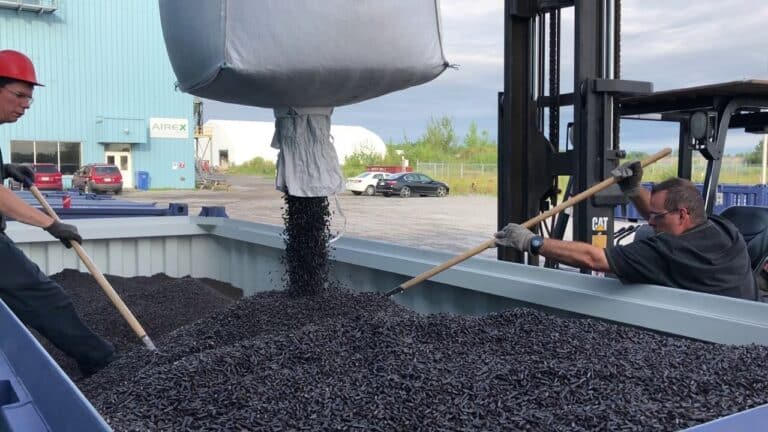
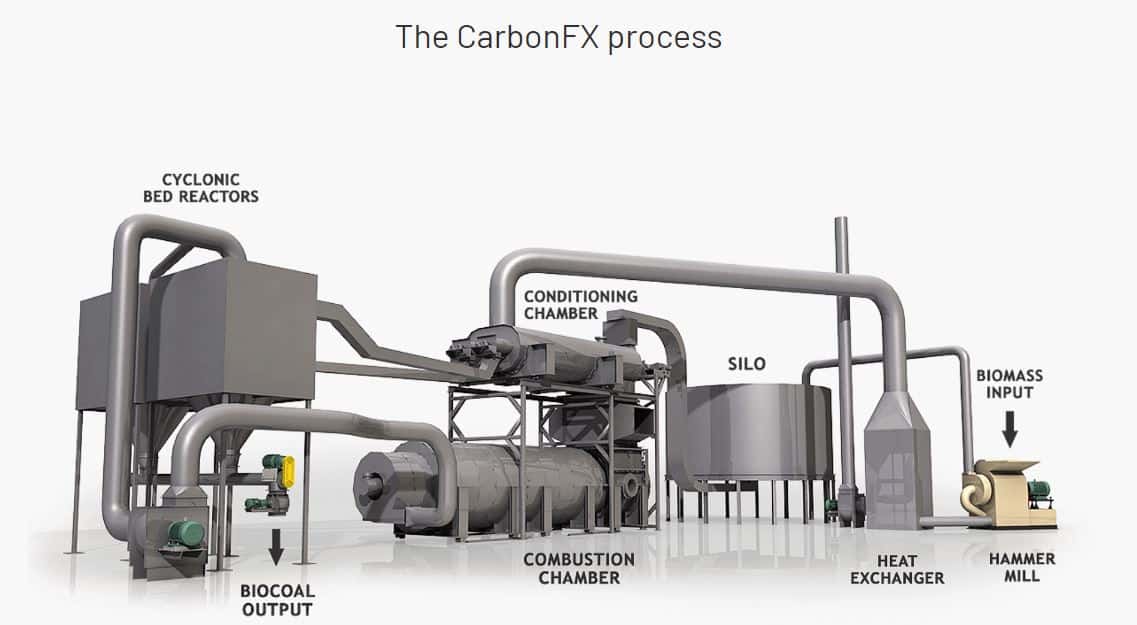
Airex patented technology is called CarbonFX. It transforms biomass into high-value-added eco-friendly products such as biochar, biocoal and biocarbon.
The process called torrefaction involves heating the organic material without using oxygen to remove moisture and volatile organic compounds (VOCs). It is done at lower temperatures, 250°C to 300°C to make the solid biofuel. Applying higher temperatures, the process produces more porous biochar.
By injecting gasses into the Airex reactor, the particles only spend 3 seconds in the reactor, 600x shorter than others, whose process needs 30 minutes for torrefaction.
The green industrial products of Airex offer different applications that contribute to the fight against climate change.
Since 2016, the firm is running the first and only industrial production plant in Canada that specializes in biocoal.
Decarbonizing Businesses with Biochar and Biocoal
Currently, the primary material used by Airex Energy comes from sawmill residues or recycled wood shavings, but other sources are also possible. The company has conducted tests to work with compost that has no commercial value.
For instance, residual matter from municipalities. Agricultural wastes from the production of corn, sugar cane or palm oil can also be a primary material.
Biocoal is a fuel to replace coal in coal-fired power plants and thus reduce carbon emissions. It can also be used to produce energy for cement plants.
To test biocoal, a coal-fired power plant in the U.S. needs 8,000 tonnes, which is half of Airex annual production capacity. And since there won’t be enough biomass, the company can’t replace all coal, only 3% to 5%.
On the other hand, biochar is also a very potent material that can slash emissions. Plus, it can help increase soil fertility or restore contaminated soils.
Producing biochar doesn’t release the carbon contained in the residual materials as CO2. Rather, it binds it stably in the biochar and thus prevents CO2 from entering the atmosphere. Carbon can also be sequestered when it is used in building materials and carbon-negative concrete.
This makes the production of biochar one of the Negative Emission Technologies (NET) urgently needed for the climate.
The huge benefit of biochar is that one tonne can sequester 2.5 to 3.2 tonnes of CO2 equivalent. For Airex Energy, that means they could be “in a position to have more than a million tonnes of carbon credits on the voluntary market by 2035. And that’s pretty good,” Gagnon said.
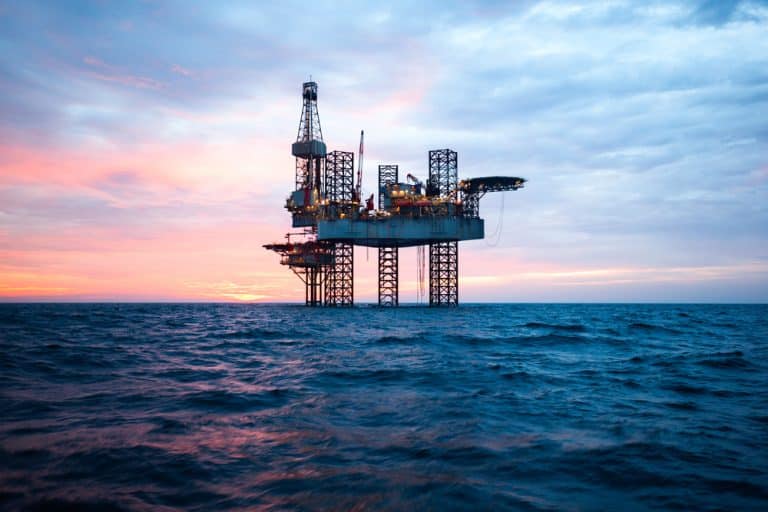
Shell said that climate change could have adverse effects on its business, particularly on its oil and gas assets and profits, costing the firm around $1.5 billion in annual carbon cost by 2032.
The energy giant noted that the soaring carbon prices in the coming years caused by changing regulations and decarbonization policies will result in uncertainties.
The Risks to Shell’s oil and gas business
Shell stated in its 2022 annual report that the energy transition could have a significant adverse impact on its oil and gas business. The company admitted that its assets, revenues, and operations are at risk because of climate change.
Not to mention the possibility of regulatory matters that may hinder project progression and operations.
As the firm reported, the transition will also possibly make compliance costs go up while restricting the application of hydrocarbons. Shell also stated in the report that:
“The lack of net-zero-aligned global and national policies and frameworks increases the uncertainty around this risk.”
When the Russian invasion of Ukraine in 2022 caused oil and gas prices to spike, Shell earned a huge profit of about $40 billion.
But just like other oil and gas businesses, Shell is under greater pressure from shareholders and environmentalists. On the other corner are investors and regulators focusing more on transitioning to a low-carbon economy.
The energy transition is a must. Those who don’t or can’t adapt will be at the perils of losing billions of investments from climate investors. They need to rethink their business models to align with the transition.
Otherwise, the company noted that in an increasing carbon price scenario, “the risk of stranded assets may also increase”.
Reducing Emissions Steadily
Despite those risks, the energy major was able to cut its absolute carbon emissions in 2022 steadily. That’s mainly because of lower oil product and gas sales and divestments.
Shell follows the Greenhouse Gas Protocol, the global standard in carbon accounting, in reporting its absolute emissions. The Protocol defines each scope as follows:
Scope 1 covers emissions from sources directly controlled by an entity;
Scope 2 includes indirect emissions from bought power, heat, or cooling; and
Scope 3 covers other value chain emissions.
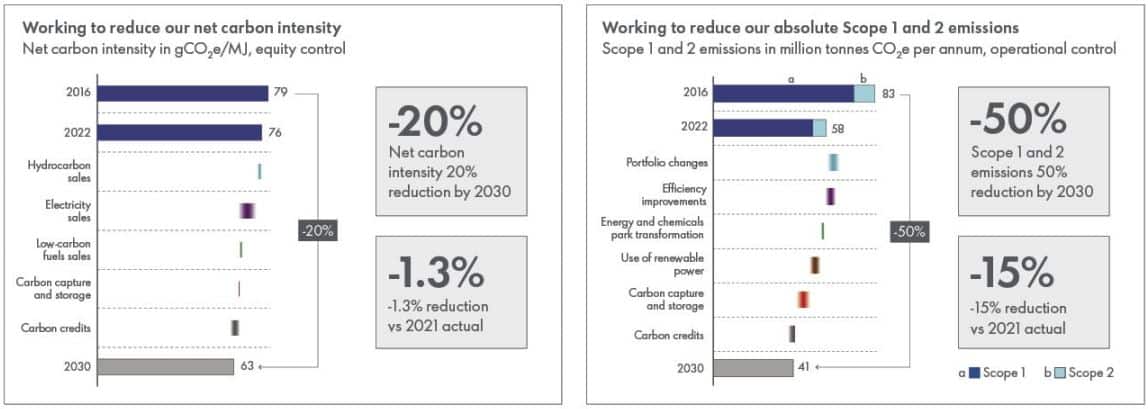
Shell reported that it’s working to reduce both its net carbon intensity and absolute Scope 1 and 2 emissions. It aims to reduce its absolute Scope 1 and 2 emissions by 50% by 2030 and hit net zero by 2050.
As seen in the chart above, Shell aims to cut its net carbon intensity by 20% by 2030. This reduction includes all emissions sources from operations (Scope 1), energy use (Scope 2), and products end-use (Scope 3).
The oil giant managed to reduce emissions intensity in 2022 (76 grams of CO2e/Megajoules) from the 2016 baseline (79 grams of CO2e/Megajoules).
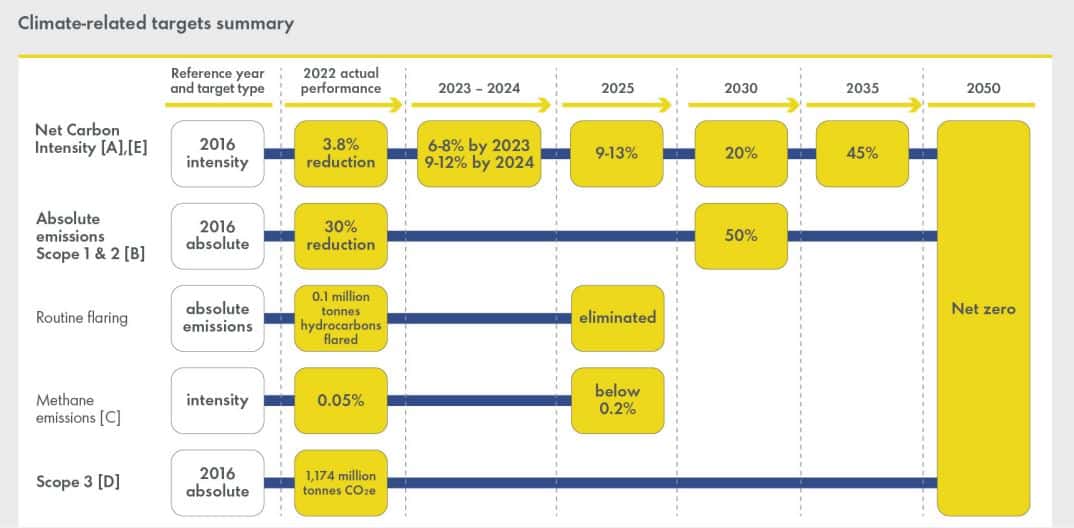
Likewise, the 30% drop in both Scopes 1 and 2 emissions were because of divestments in oil and gas. Conversion and shutdown of existing assets as well as renewable assets purchases also contributed to the reduction.
While the decline in Scope 3 emissions, from 1.30 billion mtCO2e in 2021 down to 1.17 billion mtCO2e in 2022, was due to decrease in oil and gas sales.
The total emissions by the company from all three scopes went down to 1.24 billion metric tons of CO2e in 2022 from 1.64 billion mtCO2e in 2016.
In summary, here are Shell’s climate targets with actual achievements in 2022.
Concerns Over Carbon Prices
Shell expects that the cost it has to pay for carbon will soar in the coming decade.
The company has paid the EU Emissions Trading Scheme (ETS) and other carbon pricing schemes around $493 million in 2022. This year, the forecasted cost is at around $0.8 billion and $1.5 billion in 2032.
The estimate is based on a forecast of the firm’s equity share of emissions from operated and non-operated assets and real-term carbon cost estimates using the mid-price scenario.
Under its mid-price scenario, carbon prices are projected to be at $125/mtCO2e from 2030 onwards. Under a high-price scenario, the cost will be $220/mtCO2e.
Within the decade, carbon costs are primarily driven by policies, either through carbon taxes or emission trading schemes, according to Shell. Both systems vary globally, which makes it difficult for the company as to what specific assumptions to consider in its decisions.
This prompted the oil major to call for further clarity on current carbon pricing mechanisms. They are, after all, critical to setting emissions reduction targets and achieving them.
Carbon prices differ a lot per country and governments worldwide don’t have a single global carbon price to follow.
For instance, the cost of each carbon credit in the EU ETS is about 10x more than that in the China carbon scheme. Last month, EU carbon prices reached record levels passing 100 euros.
Yet, Shell is still opting for carbon credits to offset its hard-to-abate emissions. In 2021, it bought 5.1 million tonnes of carbon credits, and 4.1 million tonnes in 2022.
Gazprombank signed a deal with Yu. A. Israel Institute of Global Climate and Ecology (IGCE) to develop methodologies for generating Russian carbon credits from different projects.
Gazprombank, or GPB, is a private-owned, third-largest bank in the country by assets. GPB is one of the main channels for payments for Russian oil and gas.
The methodologies will contribute to improving the quality of Russian carbon credits, increasing the competitiveness of the Russian carbon market and facilitating access to it for foreign participants.
Russia Carbon Footprint
Russia emits 2-3 billion tonnes of greenhouse gasses each year, representing about 4% of global emissions. Obviously, the country’s emissions are mostly from fossil gas, oil, and coal.
The world’s largest exporter of crude and refined oil products, as per IEA data, is also the biggest methane emitter. 4 billion dollars worth of methane was estimated to leak in 2019/20.
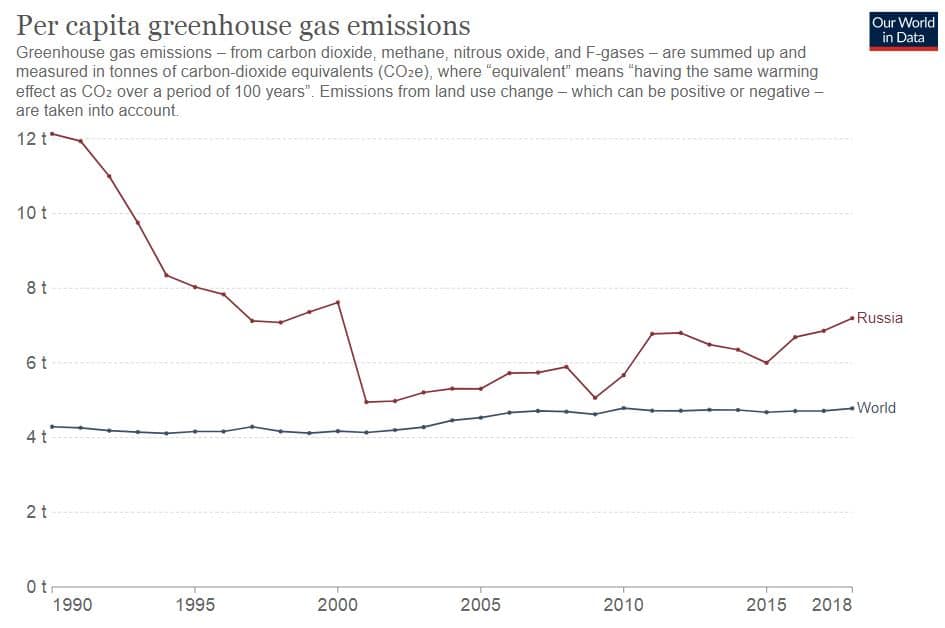
The annual CO2 emissions were around 12 tons per person in 1990, which is more than 2x the world average. It went down to over 7 tons per person in 2018, but is still more than the world data.
Source: OurWorldInData.org
In 2019, President Putin signed a law regulating the country’s top emitters by requiring them to report their emissions. It marked Russia’s first moves toward controlling carbon emissions since joining the Paris Agreement in 2019. 2023 is the target date for starting the carbon emissions reporting.
Russia’s goal is to reach net zero emissions by 2060. Yet, its energy strategy to 2035 is mostly about burning more fossil fuels.
The energy sector is responsible for most of the country’s GHG – about 80%! Gas fired power stations are a major emissions source. Industrial production and agriculture are the second and third largest sources.
As Russia has no carbon tax or emissions trading in place, it can be vulnerable to future carbon tariffs imposed by the EU or other export partners. For instance, if the EU’s Carbon Border Adjustment Mechanism (CBAM) takes force, it would cost Russia over 8 billion euros each year.
The country’s carbon footprint has a huge impact on climate change since Russia is the 4th-largest emitter in the world, ranking behind China, the U.S., and India.
So to help reduce its emissions, Gazprombank struck a deal with ICGE to strengthen Russian carbon credits generation.
Methodologies for Russian Carbon Credits
The list of 18 methodologies included in their agreement was formed based on the needs of potential project developers who applied to the Russian register of carbon credits.
IGCE has been developing and improving methodologies for estimating GHG emissions and removals for 20+ years. It is Russia’s leading organization in the field of climate change.
Gazprombank seeks to improve the competitiveness of the national market for carbon units and its attractiveness for both Russian and foreign buyers.
In late 2022, the Russian National Commodity Exchange, part of the Moscow Exchange Group,started trading of carbon credits. The Russian carbon credits were sold for over US$15.
The Russian Carbon methodologies are planning on being comparable to other international ones. At the same time, it will take into account factors specific to the Russian context.
The development of methodologies will be implemented on the basis of the Carbon Credit Registry Operator, with the involvement of competent expert bodies and according to the best international practices.
Below is the list of climate project methodologies developed by IGCE and Gazprombank.
Energy Efficiency buildings – large scale
Energy Efficiency buildings – small scale
Flaring & Utilization of gas from oil wells
Advanced Oil & Gas recovery
Low carbon fuel
Renewable Energy – large scale.
Renewable Energy – small scale.
Energy Efficiency of gas compressors.
Utilization of gas, replacing flaring or deflation.
Sustainable Forest management – large scale.
Sustainable Forest management – small scale.
Upgrade Combined Heat & Power (CHP) Systems CHP from coal to gas.
Sustainable Agriculture.
Reduce Sulfur Hexafluoride (SF6) Emissions from energy distribution & distribution
Cogeneration Plants.
Biomass heat and electricity production
Increase renewable energy at hydroelectric power stations.
NH Investment & Securities Co., one of South Korea’s largest securities firms, is tapping into agricultural carbon offset credits as the sector becomes popular for corporate emitters.
NH is one of the largest securities firms in Korea that offers a broad range of financial services. These include wealth management, investment banking, brokerage and merchant banking through 120+ branches and subsidiaries.
The Seoul-based finance company is looking to tap the carbon credit market by supporting biochar initiatives in partnership with 4EN.
Agricultural Carbon Credits
Carbon credits purchases dropped last year. But the demand for them will rise as polluters in sectors with hard-to-abate emissions are under pressure to meet their decarbonization goals.
There are criticisms over some types of carbon credits like the ones from renewable energy assets. So investors are focusing more attention on other types such as the credits from land-based projects.
Agricultural carbon credits have been on the rise due to the quality of carbon capture and storage they provide.
The amount of carbon credits created are based on the amount of carbon farmers draw down into the soil. The same goes for GHG emissions they reduce above the soil.
There are plenty of ways agricultural practices can reduce or remove carbon and so generate the credits. It can be nitrogen management, no-tillage farming or growing cover crops. But for NH, it is through biochar.
NH Backing Biochar Carbon Credits
NH parent company Nonghyup Financial Group Inc. is owned by over 2 million member farmers. As per Park Kun Hoo, head of NH’s client solution group and oversees a carbon finance team, the network has a potential to generate new credits.
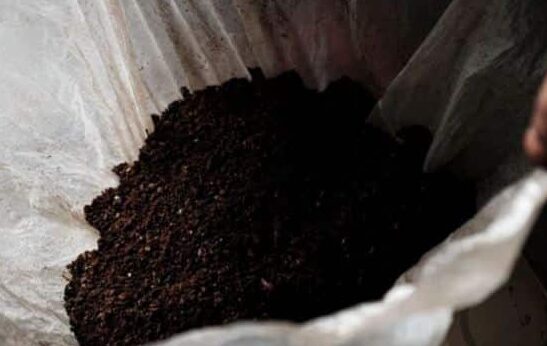
NH plans to support projects that convert spent coffee grounds or cow manure into a charcoal-like substance called biochar. Biochar is capable of absorbing and storing carbon when it’s buried underground.
Park noted in an interview that:
“We can collect and utilize plant residues and animal waste from Nonghyup’s massive supply chain in the agricultural sector, and turn them into biochar or even electricity… By doing so, we are not only pushing for more sustainable farming, but also creating carbon credits.”
Biochar is commonly used in agricultural applications because it can improve soil nutrients and increase crop yield. And better yet, biochar applications can also increase soil CO2 emissions.
Biochar is a solid material that has high levels of carbon. It is a stable source of carbon because microbes find it so hard to break down. When incorporated into soils, it is 10x to 100x more stable than the material from which it’s made of.
That means the carbon contained in biochar is not likely to degrade to CO2 to the same extent as other organic materials.
In particular, a study estimated that biochar can sequester as much as 2 GtCO2 per year by 2050 at a cost of $30–$120 per ton of CO2.
Biochar also offers agricultural benefits such as increased aeration and water holding capacity. Verra, the biggest carbon registry, noted that biochar can significantly contribute to climate change mitigation when deployed at a massive scale.
Biochar carbon credits are usually priced in the range of $3 to $20+ per MtCO2e. But some biochar projects have sold credits for $110/tCO2e.
The Biochar Deal with 4EN
NH set up a carbon finance team in December last year. It has closed a deal to invest in 4EN, a Seoul-based biochar producer.
4EN creates sustainable environmental values by developing alternative fossil fuels and quantification of GHG reduction. It focuses on commercializing BECCS/BECCU technology for biomass and waste resources. These by-products are from agricultural fields such as coffee grounds and industrial activities.
BECCS refers to Biomass Energy Carbon Capture and Storage. BECCU means Biomass Energy Carbon Capture and Utilization Pyrolysis.
NH and 4EN biochar agreement is forecast to generate 167,000 tons of carbon credits by 2030.
1PointFive and the Houston Astros partner where the baseball team agrees to buy carbon removal credits from 1PointFive’s Direct Air Capture (DAC) plant.
1PointFive is a carbon capture, utilization and sequestration company that has a DAC plan under construction in Ector County, Texas.
Houston Astros shows fans its commitment to continuous improvement of their experience by investing in the environment.
The DAC Carbon Credits Deal
DAC is a technology that captures and removes large volumes of CO₂ directly from the air. The captured gas can then be safely stored deep underground in geologic formations.
Under their agreement with the Astros, the CO₂ captured by 1PointFive’s DAC will be sequestered in saline reservoirs not associated with oil and gas production.
DAC offers a practical solution for activities that are difficult to address like air travel.
The baseball team will use the carbon removal credits across a number of activities throughout the ballpark as they seek to achieve a carbon neutral footprint.
Marcel Braithwaite, Astro’s Senior VP Business Operations remarked on the agreement:
“We are grateful to 1PointFive for their focused commitment to carbon removal and technology innovation to support this cause…We remain committed to continuous improvement of our stadium for our fans and purchasing carbon removal credits is an important investment for us.”
In response, Michael Avery, President and General Manager of 1PointFive said:
“We are pleased to further our relationship with the Houston Astros and provide a solution to address future carbon emissions…We are excited about the opportunity that Direct Air Capture presents to help organizations reduce their carbon footprint..”
Major Sports Leagues’ Climate Footprint
Last January, the Houston Texans of the National Football League also agreed to buy carbon credits from the same DAC plant of 1PointFive. But unlike the Astros’ goal, the football team’s purpose of buying the credits is to offset their seasons flights.
A new research discovered that scheduling changes in greatly reduced climate pollution from sports air travel.
By scheduling more games between teams in the same geographic regions, increasing the number of back-to-back contests between the same teams and canceling overseas games, America’s four major sports leagues cut emissions down by 26% per game in the regular season.
The NFL had the smallest drop in its carbon emissions at 6%, the NBA dropped its emissions by 15%, the Major League Baseball (MLB) dropped their carbon emission by 22%.
The NHL was the best professional sports league at reducing its carbon emissions from air travel. It dropped by 50% per game in the regular season in 2020 vs. 2018.
But when it comes to slashing emissions associated with stadiums, significant opportunities exist for MLB teams like the Astros.
Stadiums are using millions of gallons of water and have the same energy needs as a small city. Yet not all MLB teams have done a public-facing quantification of their environmental footprint.
A 2019 MLB team’s carbon footprint was 91,900 tonnes.
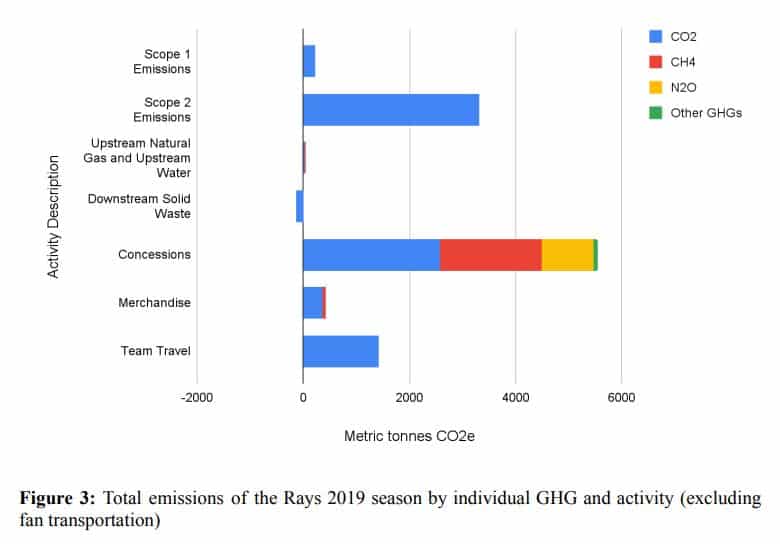
One study analyzed the Scope 1, 2, and 3 GHG emissions of the Tampa Bay Rays for the 2019 regular season. The researchers identified hotspots within the stadium’s operations, supply chains, and transportation.
Fan transport was the largest source of emissions, followed by food production for concessions.
The research team then provided a set of strategies for stadium managers to reduce GHGs and water use. They have the following recommendations where the largest reduction opportunities are possible:
Prioritizing fan engagement to switch to more sustainable transportation modes
Offering and highlighting more vegetarian options at concessions
But for the Houston Astros, another strategy is to use carbon removal credits from DAC to neutralize the stadium’s footprint. And like the Texans, Astros is the first baseball team to turn to carbon credits for offsetting purposes.
All companies will have to take responsibility for their carbon footprint and carbon offsetting projects are becoming their strong ally.
A business may have already identified its emissions sources, calculated its GHG emissions, and implemented strict reduction measures…yet, hard-to-abate emissions persist. They are emissions that can neither be reduced nor prevented.
Though there are technologies currently being developed to further help in companies’ carbon reduction goals, immediate actions are necessary to compensate for unabated footprint.
If there’s something that can be done right now to that end, it’s investing in carbon offset projects.
If done in the right way… carbon offsetting projects can have several real positive impacts on the climate. Many can even support sustainable development on site.
But if implemented improperly… they deliver insufficient results or may serve as a cheap alternative to more elaborate and real changes companies need.
So, what are carbon offset projects or how do they work? What are some types of carbon offsetting projects to consider?
You’ll know in detail as we explain them below while also introducing to you the best carbon offset programs you may consider.
What are Carbon Offsetting Projects?
Carbon offset projects are verified activities of environmental conservation or protection which reduce, avoid, or remove greenhouse gas (GHG) emissions from the atmosphere, helping to mitigate climate change.
As Article 12 of the Kyoto Protocol says, governments and companies may fund carbon offset projects as part of their emission reduction strategies as well as to promote sustainable development in developing countries. This financial support enables project activities that reduce emissions.
To put it another way, financing carbon offsetting projects compensates for CO2 emissions that were already in the atmosphere elsewhere.
Each tonne of emissions reduced by a project creates one carbon offset or carbon credit. Both individuals and companies can invest in these projects directly or buy the carbon credits to offset their own carbon footprints.
Carbon offset credits are tradeable on the market and face controversy in how easy they are to attain.
Yet, the concept is the same: a company is more or less investing in a carbon offset project to balance their own emissions.
What is the best way to offset carbon?
Carbon offset projects involve different efforts or innovations in climate action. Some are into protecting ecosystems over afforestation of new, or reforestation of degraded land. Others involve rolling out clean energy technologies or renewable energy sources.
Other schemes work by soaking up CO2 directly from the air by planting trees.
Carbon offset schemes vary widely when it comes to cost. But a fairly typical fee would be around $12 for each tonne of carbon offset. At this price, a typical family would pay around $45 to offset a year’s worth of gas and electricity use.
Some people may want to offset their entire carbon emissions while others seek to balance the footprint of their specific activity such as travel.
To do that, the traveler checks a carbon offset program and uses its online tools to determine the emissions of its travel and then buy the offsets to reduce emissions elsewhere. By paying the offset company, the emitter flight’s become “carbon neutral”.
But carbon offsetting projects don’t just slash emissions. They can also achieve other benefits such as creating jobs, improving education, and enhancing living conditions in local communities.
Types Of Carbon Offsetting Projects
As mentioned, there are various ways of offsetting carbon emissions.
Specifically speaking, there are over a hundred projects that can offset emissions. But broadly speaking, they can be categorized into these four major types.
Forestry and Conservation
Reforestation and nature conservation have been the most popular offsetting schemes. Carbon offset credits are created based on either the carbon captured or the carbon avoided from entering the atmosphere by protecting trees.
As a nature-based climate collusion, forestry projects may not be the cheapest option. But they are often selected for the many benefits outside of the carbon offset credits they bring. E.g. Protecting ecosystems, wildlife, and social heritage is important for companies offsetting their carbon emissions.
But what could be the problem with carbon offsets generated by these projects?
Critiques say that the corresponding credits forestry projects create are questionable. How could that be? It’s hard to determine how much carbon is reduced with these offset projects.
But the tide has turned because of the new technologies that emerge that measure carbon stored in forest trees. Methods of sustainable reforestation efforts and getting their benefits have improved a lot.
Renewable Energy
Renewable energy offsets are from projects that involve installing solar, wind, or hydro sites across the globe.
If you decide to invest in these projects, you are helping boost the level of renewable energy available on the grid.
Not to mention that you’re also decreasing the reliance on fossil fuels.
After all, renewable energy’s goal has always been decarbonization.
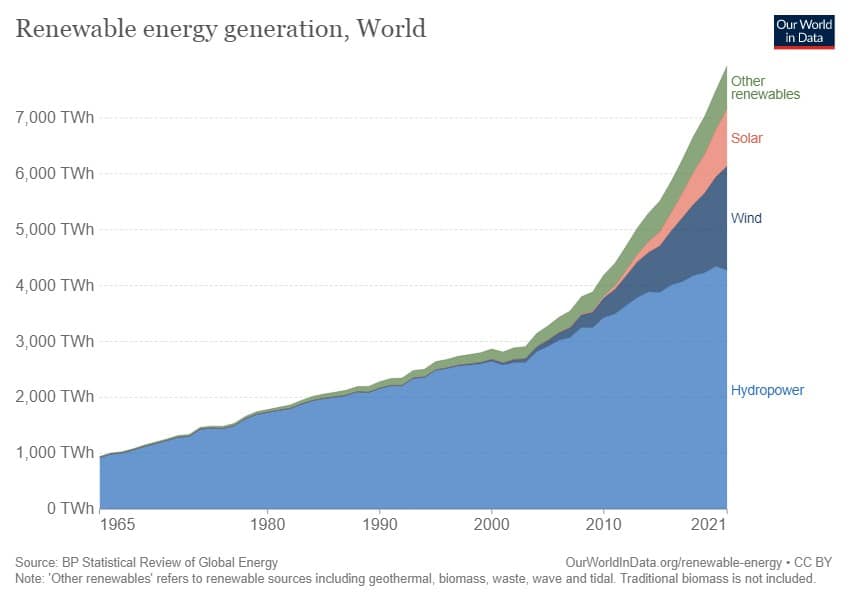
As of 2022, about 30% of the world’s electricity comes from renewables, including hydropower, solar and wind. And the demand for renewables is also growing fast.
Carbon offsetting projects involving renewables have been prevalent and so common in different countries. Take the case of India, for instance. Believe it or not, this super emitter has seen the fastest growth in renewable energy across all big economies, receiving billions of dollars in investment.
Community Projects/Energy Efficiency
Community projects usually involve application of energy efficiency technologies to less- or undeveloped communities. These carbon offset projects often have many other benefits than just for offsetting purposes.
They don’t only help make local communities or regions more sustainable. They can also provide empowerment that can help lift communities out of poverty.
Water purifier manufacture and distribution is a common example of this project. It can also be providing clean drinking water to communities by making or fixing boreholes.
Efficient cookstoves have also been popular recently with the likes of EKI Energy investing in them. These projects are often found in Africa and India where poor local communities are still using fire woods to cook food.
So how do these projects reduce carbon emissions?
Families don’t have to burn firewood to boil water or cook their food. In effect, this protects their local forests and reduces indoor air pollution. Not to mention the empowerment provided to women who often supervise these community projects.
Waste to Energy Projects
This last type of carbon offsetting projects typically involves methane capture in industrial facilities. The harmful gas is then converted into electricity.
Sometimes, this project means capturing landfill gas or agricultural waste in smaller regions.
For example, building and maintaining biogas digesters to turn waste into clean and sustainable energy doesn’t only cut waste but also slash GHG emissions. It reduces methane released into the air while also protecting the local forests.
With all these various types of carbon offset projects, you are perhaps asking which ones of them are the best pick? Well, each project is unique and is developed for certain reasons.
A carbon offset project is an initiative developed to reduce actual GHG emissions and it can be in any sector, agricultural to industrial. On the other hand, a carbon offset program refers to a set of standards made by a company or organization to measure, regulate, and review carbon offset projects.
So, the right question would be what are the best carbon offset programs?
What Are The Best Carbon Offset Programs?
Both businesses and individuals use carbon offset programs to look for the right offset project to invest in. These programs offer different carbon offset projects that you can select to support.
So, how do you know you got the best carbon offset program to trust?
We’ll give you a couple of top options below. The selection is based on certain things such as transparency, the projects’ carbon offset quality, types or range of projects in offering, among others.
One more vital criterion is third-party verification because it’s critical to validating that the project is really reducing carbon emissions. Plus, of course, adherence to high social and environmental integrity standards is also considered.
Best Carbon Offset Programs – Top 4 Picks
Native Energy
Making it on the top spot isNative Energy, founded around the 2000s. Apparently, it’s operating in the carbon offset space for quite some time. Being certified as a B Corp and Public Benefit Corp tells us that it meets high standards for social and environmental programs.
Native Energy is also transparent about the quality of the carbon offsets their project offering produces.
Best of all, the carbon offset program offers a broad range of projects for both individuals and companies. They cover the following project types:
The program also has specific calculators in place that small businesses can use. For instance, small companies can use its travel, freight, or even calculators to measure emissions, and to offset either by dollar or by tons of CO2.
In the same way, individuals also have tools on their disposal when it comes to calculating travel, household, or activity footprint. The results of the calculation will then determine the cost needed to offset the footprint. The money paid by the polluter would then be invested into a specific carbon offset project they pick.
To date, the program manages to achieve these results:
The confidence of their clients also lies in the fact that the carbon offsets they have are verified by the top carbon standards, namely: Gold Standard, Verra, Climate Action Reserve, and American Carbon Registry.
3Degrees
If you’re a business owner, then this carbon offset program could be your best selection. 3Degrees’ carbon offset projects are specifically meant to help businesses and utilities decarbonize their operations.
Just like Native Energy, 3Degreesis also a certified B Corp, transparent, and with third-party verified projects. However, it doesn’t have projects available for individuals, so take note of that cons.
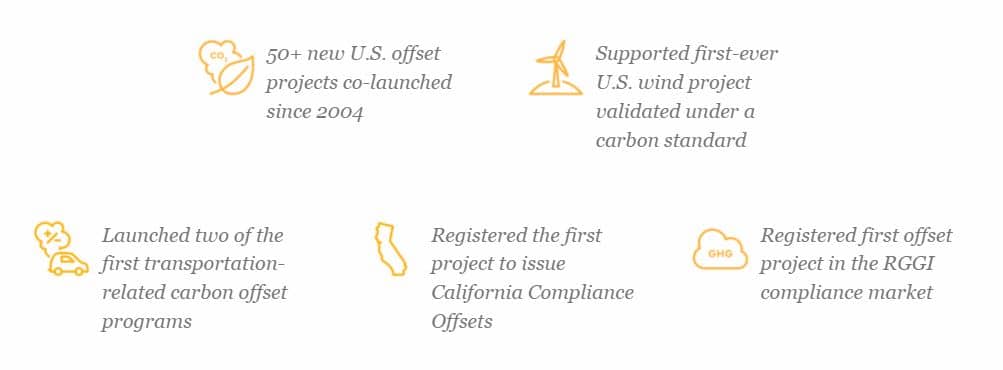
The program came about in 2007, believing that businesses have a key role to play in fighting the climate crisis. For over 15 years, 3Degrees has been a pioneer in providing climate solutions. Within that time period, the company has achieved these results:
The company also deals with many other carbon offset projects apart from nature-based solutions. They mostly include landfill gas capture projects.
Setting aside its proven track record in the space, what makes 3Degrees stand out from other best carbon offset programs are these points:
Quality Standards: the carbon offset program works with all four of the major voluntary carbon offset standards as the case with Native Energy. 3Degrees further ensures that each project adheres to approved protocols.
Tailored Solutions: 3Degrees help companies build a portfolio of high-quality projects that are relevant to their business and stakeholders.
Portfolio Management: holistic approach to managing portfolio while working with clients to balance immediate need with long-term goals.
Here are the specific offset projects that 3Degrees has under its hat:
Agricultural methane capture/combustion
Wind power
Forest management
Solar power
Oil recycling
Energy efficiency
Emission reduction
Biogas
Landfill gas methane capture and destruction
Terrapass
Getting third place on the best carbon offset programs is Terrapass. It makes carbon offsetting easy for both corporates and individuals through its monthly subscription model.
It has pre-packaged bundles and monthly subscription services that make it easy for emitters to choose to address their footprint. What this means is that it would be very easy for you to offset your footprint on a monthly basis.
The company was launched in 2004 originally to help individual people reduce their travel’s carbon footprint. But after its portfolio has grown to include energy consumption, the program has helped 1,000+ entities and individuals pay for their climate impact.
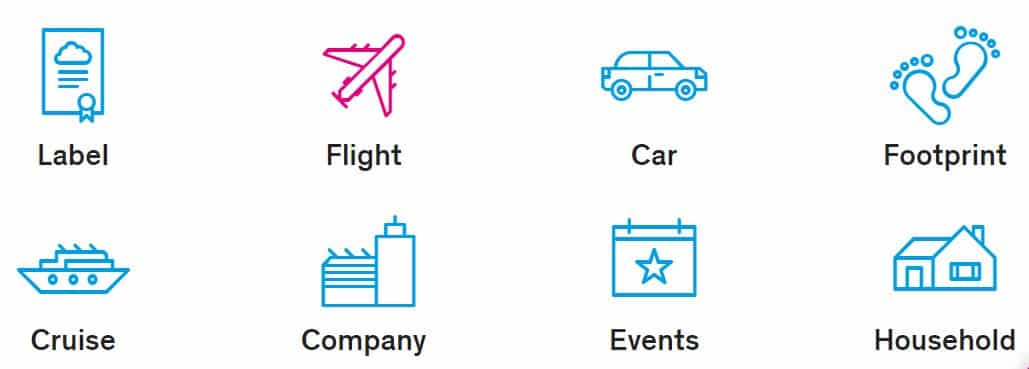
Same with the previous programs, Terrapass also provides useful carbon tools or calculators for individuals, businesses, and even special events! The program covers these carbon offset projects:
Landfill gas capture
Abandoned coal mines methane capture
Wind power
Forestry
Farm power
Water Restoration Certificate
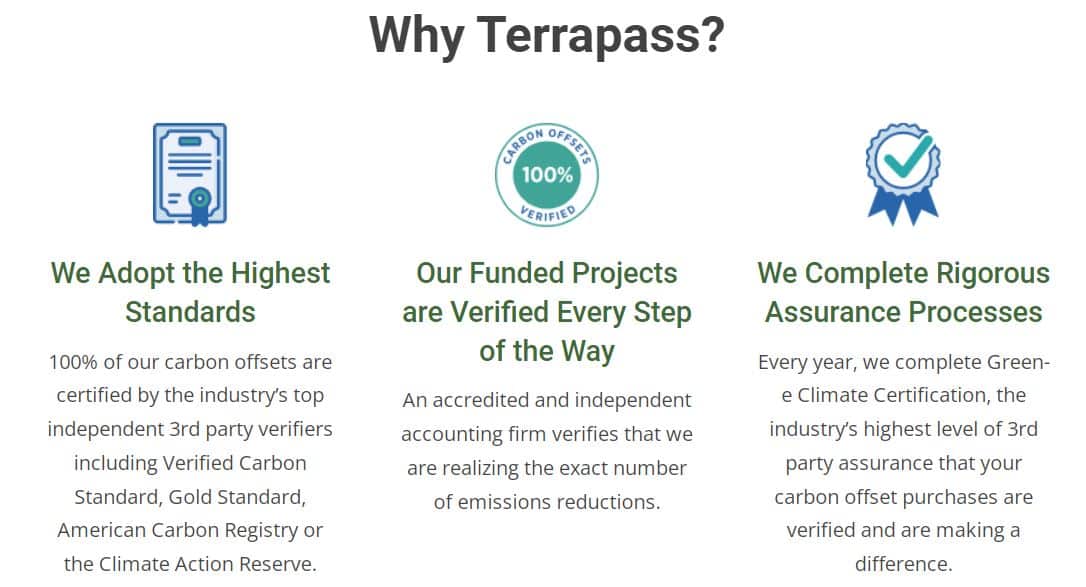
Those offset projects are verified by the most-recognized carbon standards. So, why pick Terrapass?
Here’s why…
myclimate
Making it on the last list of our best carbon offset programs is myclimate. It’s a great option for multiple environmental impacts because of its extensive and diverse carbon offset projects. These include:
Biogas
Biomass
Efficient cookstoves
Energy efficiency
Hydropower
Land use and forestry
Solar waste management and compost
Water (purification and saving)
Wind
Founded in Switzerland in 2002, myclimate is an award-winning carbon offset program that covers 170+ projects in 45+ countries worldwide. Its other achievements in many aspects are outstanding and involve more than just cutting emissions.
In particular, it financed 13 million tonnes of carbon reduction, planted over 18 million trees, and installed more than 775,000 efficient cookstoves.
It also has easy-to-use carbon footprint calculators for these areas:
Finally, myclimate serves a very wide range of clients from individuals to nonprofits, and companies of every size. You can be confident that your money serves its value by going to the project of your choice, with its carbon reductions verified by these offset quality standards:
Gold Standard
Plan Vivo
Verra
Agencies of the Swiss Government
Best Carbon Offset Programs For Individuals
Needless to say, there are a lot more programs available for carbon offsetting projects. And their number continues to grow as the world is in urgent need to decarbonize.
But not all of them have the same results or standards they adhere to. The top four options identified are a good place to start and narrow down your choices. And if you’re particularly looking for the best carbon offset programs for individuals, then just take out 3Degrees from the list of options.
The remaining three programs work best for your individual or personal carbon offsetting needs. The carbon offset projects they offer are equally diverse.
Just remember that each project is unique so check out their details before you bet your money into it. And before anything else, see to it that the program you pick meets rigorous offsetting standards and is verified by a third party.
Lastly, you can also think about whether you want a program that supports projects in your locality or in international regions.
DevvStream Holdings Inc., a leading carbon credit investment firm specializing in technology solutions, announced an exclusive carbon credits management agreement with AgriLedger.
AgriLedger is a global advisement and consultative service specializing in carbon offset strategy, renewable energy development, and Ag-DLT value-chain optimization solutions for industrial, agricultural, and municipal clients.
Under the agreement, DevvStream gets the exclusive rights and title to carbon credits resulting from projects developed by AgriLedger.
It will also manage the creation, validation, certification, registration, storage, security and liquidation of project credits.
The entire agricultural industry accounts for significant greenhouse emissions, with 100+ billion metric tons of CO2 emitted for the past 200 years.
This presents a great opportunity for projects and practices such as regenerative farming that can produce high-value carbon credits.
As a result, the global market for agricultural carbon credits is considerable. For instance, in Alberta, Canada alone, over 20 million metric tons of carbon emissions reductions are the result of agriculture-based carbon credit projects. That figure equals to 190 million tons per year in the U.S.
For DevvStream,
“Our partnership provides DevvStream with access to an array of world-changing projects that we can quickly leverage into high-quality, verifiable carbon credits based on transparent data.”
ExxonMobil’s move to end its 14-year, multi-million-dollar support for research into making fuel from algae also ended years of funding for projects at the Colorado School of Mines and the National Renewable Energy Laboratory (NREL).
Exxon $350 Million Algae Support
Oil giant’s backing for research into developing high-yield algae at Mines was stopped at the end of last year. While the project meant to create a computer model to test farm-scale biofuel productivity will halt this spring.
Exxon provided millions of dollars in the search and development of fast-growing algae. Since 2009, it has pumped $350 million on projects developing a fuel from the lipids in algae.
The oil giant touted its research in the public through social media, video ads, and print ads. The company has even predicted to produce 10,000 barrels of biofuels by 2025.
Why Stop the Funding
Exxon’s research efforts, however, drew criticism from environmentalists, claiming that the project was just greenwashing. It misleads information to make the oil firm look environmentally friendly.
At the end of 2022, Exxon began to unwind its support for algae. It started to cut funding to Viridos Inc., a California biotech company that is Exxon’s key partner in algae fuel development. Then it concludes the Mines and NREL projects.
Remarking on this, a representative stated in an email:
“Algae still has real promise as a renewable source of fuel, but it has not yet reached a level we believe is necessary to achieve the commercial and global scale needed to economically replace existing sources of energy.”
A total of 8 years of research has been conducted at Mines lab that’s now over, but not done. And so the partnership with the Posewitz Research Group to search for fast-growing algae has ended.
Fast-growing algae are aquatic, microscopic, organisms that live through photosynthesis like land-based plants.
To develop algae fuels, two major challenges are growing enough algae or biomass and increasing their lipid content. Posewitz’s lab has “focused on maximizing bio-productivity.”
Posewitz and Exxon have been searching for hearty algae in the hottest, saltiest bodies of water such as the Great Salt Lake and the Gulf of Mexico.
“The experimental design was basically ‘The Hunger Games.’ wherein a bucket of water is put in a bioreactor in the lab in a high-heat, high-salt, high-light environment to see which organism survived best.”
The winner was P. celeri, which can double its biomass in as fast as two hours, 20% to 75% faster than other cell lines. This doubling time is critical to establish a productive level of biomass and to recover from process upsets.
As amazing as P. celeri is, it’s not a good lipid producer. Viridos has been working on increasing the lipid content of test algae.
Shifting Focus to Other Tech
Exxon shifts its focus to technologies that can be scaled up faster, such as carbon capture and hydrogen. This decision was further inspired by government subsidies for these technologies under the administration’s Inflation Reduction Act.
Exxon’s business means making decisions around the commercial viability of R&D projects. As such, a spokesperson noted:
“We announced plans to invest $17 billion in lower emission initiatives from 2022 to 2027. This includes investments in carbon capture and storage, hydrogen and other biofuels.”
Despite losing the support from the oil giant, Posewitz said his lab will continue its work, including the genetic engineering of P. celeri, with other funding.
Now for Exxon’s NREL project, it was designed to run 3 years, concluding this spring with results published in the near future.
The funding for the project is part of a $100 million, 10-year agreement between Exxon and NREL made in 2019 for various projects. That is the largest financial commitment to the lab, outside the government.
NREL has been doing research on algal fuels for over a decade. It will continue its investigation into developing algae strains, cultivation, carbon capture, and product conversion technology for market adoption.
Most of the work is funded by the U.S. Department of Energy’s Bioenergy Technologies Office.
To provide the best experiences, we use technologies like cookies to store and/or access device information. Consenting to these technologies will allow us to process data such as browsing behavior or unique IDs on this site. Not consenting or withdrawing consent, may adversely affect certain features and functions.
Functional
Always active
The technical storage or access is strictly necessary for the legitimate purpose of enabling the use of a specific service explicitly requested by the subscriber or user, or for the sole purpose of carrying out the transmission of a communication over an electronic communications network.
Preferences
The technical storage or access is necessary for the legitimate purpose of storing preferences that are not requested by the subscriber or user.
Statistics
The technical storage or access that is used exclusively for statistical purposes.The technical storage or access that is used exclusively for anonymous statistical purposes. Without a subpoena, voluntary compliance on the part of your Internet Service Provider, or additional records from a third party, information stored or retrieved for this purpose alone cannot usually be used to identify you.
Marketing
The technical storage or access is required to create user profiles to send advertising, or to track the user on a website or across several websites for similar marketing purposes.