


Carbon removal gained wider attention at COP31 in Antalya, Türkiye, as governments, investors, and industry leaders discussed how to scale technologies that remove carbon dioxide (CO₂) from the atmosphere.
However, the summit exposed a major challenge. Interest in carbon capture and removal is growing, but countries disagree on how these technologies should help meet climate targets, who should pay for them, and what safeguards they need.
The talks ended without agreement on a wider climate pact. Disputes over fossil fuels, climate finance, and proposed carbon capture targets blocked consensus.
For the carbon removal industry, the outcome highlights a pressing need: turn growing interest into clear policies, reliable funding, and projects that can deliver lasting emissions benefits.
COP31 Puts Carbon Capture and Removal on the Climate Agenda
Carbon capture and removal featured in discussions on the proposed COP31 outcome. One draft included a target for at least 500 million tonnes of annual carbon capture, utilization, and storage (CCUS) capacity by 2035. It also included a longer-term ambition of 1.3 billion to 2.5 billion tonnes.
These were proposed targets, not final commitments. The draft also faced strong opposition because it included carbon capture goals but dropped a clear reference to moving away from fossil fuels.
Around 130 countries wanted the fossil fuel transition included in the text. The European Union and several climate-vulnerable countries rejected the proposed pact, arguing that it did not address the main cause of climate change.
The final negotiations failed to produce an agreed-upon decision. This left the role of carbon capture and removal in future climate policy unresolved. The debate also showed why these technologies should not be treated as the same solution.
Carbon capture and storage (CCS) collects CO₂ from industrial facilities before it enters the atmosphere. Carbon dioxide removal (CDR), by contrast, takes CO₂ already in the air and stores it.
CDR methods include direct air capture, biochar, enhanced rock weathering, and some nature-based approaches. Both CCS and CDR can use shared pipelines and storage sites, but they serve different climate goals.
Carbon Removal Discussions Expand Beyond Technology
COP31 hosted several discussions on how to build a larger carbon removal industry.
- The Think Negative – Carbon Dioxide Removal Pavilion brought together researchers, policymakers, investors, and project developers. Its sessions covered technology, investment, policy, and industrial uses.
- One discussion on November 11 explored whether the sector needs a dedicated global carbon removal organization. Supporters argued that an international body could help coordinate the industry, improve cooperation, and set shared priorities.
- Other sessions examined the hidden costs of carbon removal, farmer-led soil projects, and ocean-based solutions.
- Discussions also covered compliance carbon markets, Article 6 of the Paris Agreement, financing partnerships, and national carbon removal plans.
These topics show that the industry faces challenges beyond developing new technology. It also needs clear rules, buyers, project funding, and ways to measure results.
The pavilion discussions were not formal government agreements. Still, they showed the growing interest in carbon removal among companies, researchers, and policymakers.

Article 6 and Carbon Markets Could Help Fund Removal
Carbon markets were another major topic at COP31. Countries held discussions on Article 6 of the Paris Agreement, which allows them to work together on emissions reductions and carbon trading.
- Article 6.2 covers direct cooperation between countries and the transfer of emissions reductions.
- Article 6.4 establishes a UN-backed crediting system.
- Article 6.8 covers climate cooperation that does not rely on carbon trading.
The talks focused on putting existing rules into practice and making international carbon trading work better. They did not produce a major change to the Article 6 rulebook.
These rules could help support carbon removal projects if countries allow eligible removals to generate credits for international transfer. But projects must meet requirements for measurement, verification, and environmental integrity.
The discussions also included the role of compliance markets, where companies must meet legal emissions limits or other requirements. Such markets could create demand for high-quality removal credits if governments allow them.
Still, carbon removal projects need more than market access. Developers need buyers willing to sign long-term contracts and provide funding before projects begin operating.
- SEE MORE: COP31 Day 1: Article 6 Carbon Markets Take Center Stage as Countries Push for Climate Finance
Funding Gaps Continue to Hold Back Carbon Removal Projects
The lack of progress on climate finance was another key issue at COP31. Developing countries called for more support to help them adapt to climate change and cut emissions. They also opposed the removal of a proposed US$120 billion adaptation finance target from the draft climate pact.
The disagreement matters for carbon removal because many projects require large upfront investments. Direct air capture facilities, for example, need substantial capital, energy, and access to CO₂ transport and storage networks.
Some industrial capture projects can take five to seven years to develop and require hundreds of millions of dollars in initial investment, according to industry representatives at COP31. Governments can help reduce these risks through grants, tax incentives, public procurement, and long-term purchase agreements.
There are already examples of public support. Canada has announced a carbon removal procurement round involving 19 companies. California also has a carbon removal purchase program, while the European Union’s Carbon Removal Certification Framework is developing rules for certifying removals.
These efforts could help create demand and give project developers more confidence to invest. But funding must support projects that deliver real and lasting CO₂ removal.
A report, State of Carbon Dioxide Removal, published in June 2026, estimates that newer carbon removal methods removed about 2.04 million tonnes of CO₂ in 2025. This was up from 1.4 million tonnes in 2023.
Biochar was the largest contributor, removing about 1.46 million tonnes in 2025. Bioenergy with carbon capture and storage (BECCS) accounted for another 510,000 tonnes.
However, newer methods remain small compared with the amount of CO₂ the world needs to remove. The report estimates that conventional methods, mainly afforestation and reforestation, remove around 2.2 billion tonnes of CO₂ each year. Novel methods account for only a small share of total removal.
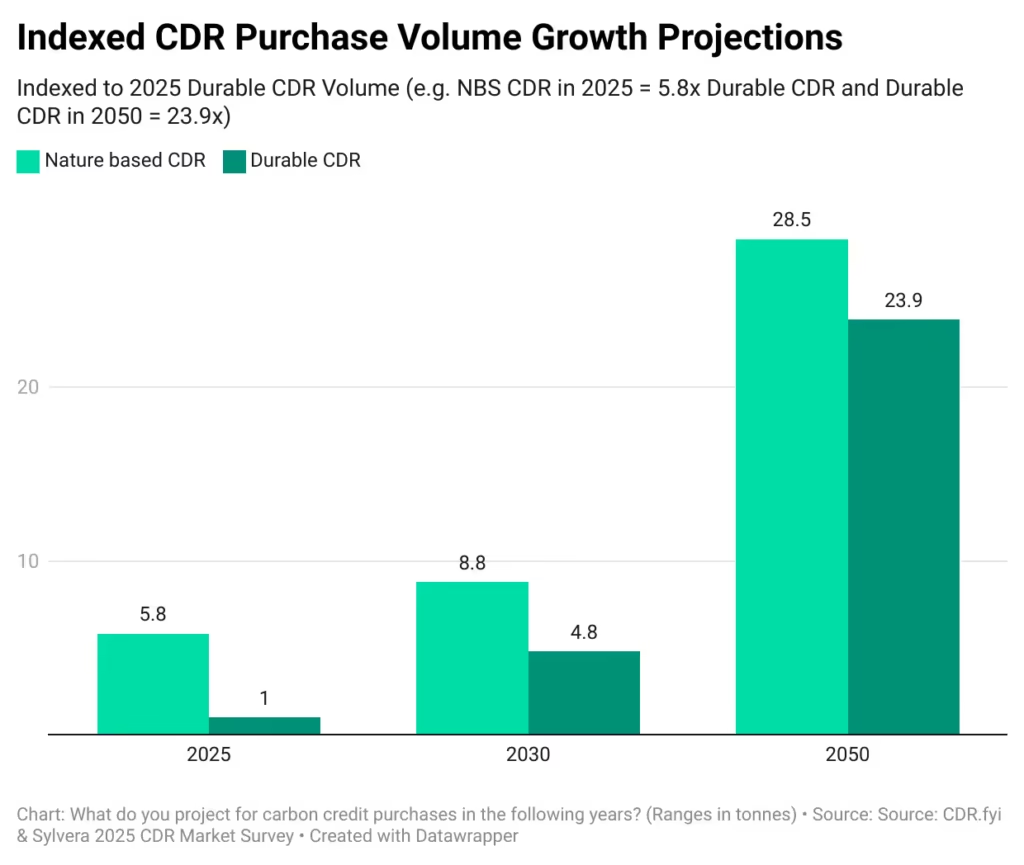
The gap also appears in the market for durable carbon removal. A June 2026 study by the London School of Economics’ Grantham Research Institute examined 43 million tonnes of contracted durable carbon removal across different methods and regions.
It found that only 1.2% of those contracted tonnes had been delivered by the end of 2025. This does not mean the remaining contracts have failed. Many are long-term agreements for projects that are still being developed or built. But it shows that a signed purchase agreement is not the same as CO₂ already removed and stored.
Carbon Capture Debate Raises Concerns Over Fossil Fuels
The debate over carbon capture also showed why public trust will matter. Supporters say CCS can help reduce emissions in industries such as cement and chemicals, where some pollution is difficult to avoid. Carbon removal may also be needed to balance emissions that remain after major cuts.
Critics, however, warn that carbon capture could extend the use of coal, oil, and gas if companies use it to justify continued fossil fuel production. They also question the cost, energy needs, environmental risks, and long-term responsibility for stored CO₂.
These concerns were central to the COP31 negotiations. Many countries argued that carbon capture targets should not take the place of clear plans to move away from fossil fuels.
The summit also saw wider discussions on carbon pricing. The European Union and United Kingdom agreed to link their emissions trading systems from 2028, which could support mutual exemptions from their carbon border measures. Türkiye also discussed plans for a carbon border mechanism linked to its national emissions trading system.
These developments show how carbon pricing and trade rules are becoming more important to industrial climate policy. They could also affect the demand for technologies that cut or remove emissions.
Carbon Removal Needs Stronger Rules, Buyers and Investment
COP31 gave carbon removal greater visibility, but it did not settle the main questions facing the industry. Governments still need to decide how carbon capture and removal fit into national climate plans. They must also set clear rules for project approval, carbon accounting, long-term storage, and the use of credits.
For investors, stable policy and reliable demand are essential. Projects cannot scale on announcements alone. They need financing, infrastructure, buyers, and proof that they deliver the climate benefits they promise.
Carbon removal will also need to complement direct emissions cuts. It cannot replace the shift away from fossil fuels or delay the use of renewable energy and cleaner industrial processes.
The discussions at COP31 showed that interest in carbon removal is growing across technology, finance, and carbon markets. The next test is whether governments and companies can turn that interest into projects that remove CO₂ at scale and store it safely for the long term.