

- Rio Tinto has signed a 30-year renewable power purchase agreement to decarbonize its iron ore operations in the Pilbara region of Western Australia. The deal is one of the company’s longest clean energy contracts to date.
The Pilbara is one of the world’s most important iron ore mining hubs. It produces a large share of the global supply, but it also depends heavily on gas-fired power and diesel equipment. These energy sources drive high emissions across the region.
Rio Tinto is now trying to change that system at scale. The company is shifting away from fossil fuels and toward renewable electricity. This move supports its long-term climate strategy and helps reduce exposure to carbon costs and fuel price swings.
Rio Tinto’s Climate Targets Back a Multi-Billion-Dollar Transition
The company has set a clear target to reach net-zero operational emissions by 2050. These emissions mainly come from mining machines, processing plants, and electricity use.
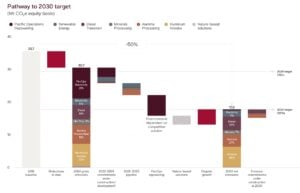
The new renewable agreement is designed to directly support these targets by lowering emissions from its Pilbara power network over the next several decades.
The first phase of the project includes a 75 MWac solar facility, with the option to expand to 150 MWac and add battery storage in the future. Matthew Holcz, Rio Tinto’s Iron Ore Chief Executive, stated:
“We’re proud to be part of the Jinbi project, which reflects years of work by many and led by the Yindjibarndi People… Developing renewable energy on Yindjibarndi Country, in partnership with its Traditional Custodians, creates enduring value – supporting our operations while contributing to long-term economic opportunities on Country.”
Rio Tinto’s decarbonization plan is backed by large financial commitments and long-term targets. The company has outlined three core climate goals. It wants to:
- Reach net zero operational emissions by 2050.
- Cut Scope 1 and 2 emissions by 50% by 2030 (from 2018 levels).
- Expand the use of renewable electricity across global operations.
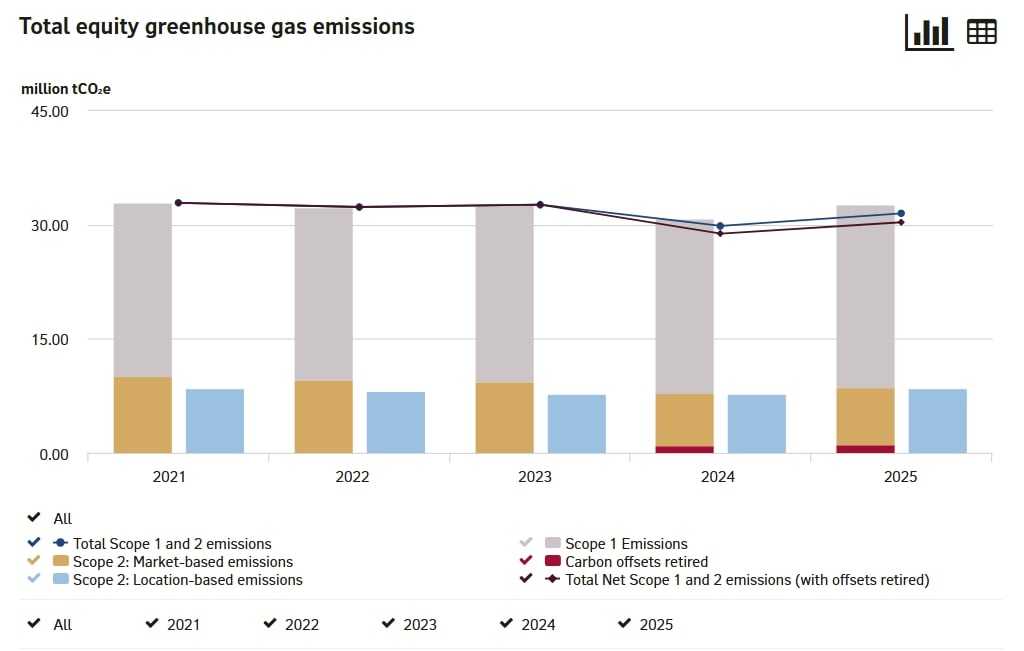
To support this, Rio Tinto plans to invest around $5–6 billion in decarbonization projects by 2030. These investments focus on several key areas, which include:
- Electrifying mining fleets and rail systems,
- Replacing gas-fired power with wind and solar energy,
- Expanding battery storage for grid stability, and
- Improving energy efficiency in processing and refining.
Rio Tinto also reports that about 78% of its global electricity already comes from renewable sources. It aims to lift that share to around 90% by 2030.
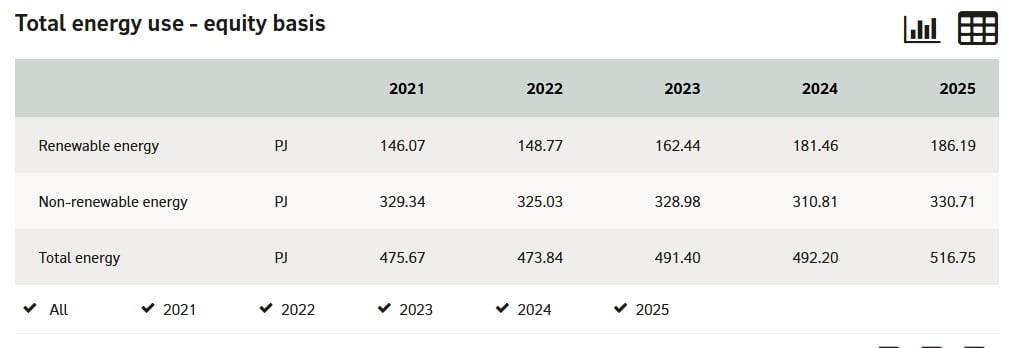
Even with this progress, the company still faces challenges. Heavy equipment powered by diesel and high-heat industrial processes remains difficult to fully decarbonize.
- SEE MORE: Rio Tinto’s FY25 Profit Falls 14%, but Copper Projects and Sustainability Efforts Stand Out
Pilbara Becomes the Front Line of Mining’s Energy Transition
The Pilbara iron ore system is the heart of Rio Tinto’s production network. It is also one of its most carbon-intensive regions.
Mining operations in the area rely heavily on gas-fired power stations and diesel trucks. The mining giant operates multiple gas plants that supply electricity to its mines and processing facilities.
The company said in its news release that replacing gas generation in the Pilbara would require roughly 600–700 MW of new renewable capacity. This would include a mix of solar, wind, and large battery storage systems.
Rio Tinto has already started building parts of this system. Its transition includes:
- Utility-scale solar projects,
- Grid-scale battery storage systems, and
- Partnerships with renewable energy developers.
The new 30-year power deal strengthens this plan. It locks in a clean electricity supply over multiple decades. This is important because mining assets often operate for 20 to 40 years. It also helps reduce long-term exposure to gas price volatility and future carbon pricing risks.
Mining Giants Race to Decarbonize at Scale
The Rio Tinto agreement comes as the global mining sector faces stronger climate pressure from regulators and investors. Mining is a high-emissions industry. Major sources include diesel haul trucks, electricity-intensive processing, and metal refining.
Large mining companies are now setting net-zero targets around mid-century. Rio Tinto is aligned with peers like BHP and Vale in targeting deep emissions cuts.
These three are among the world’s largest mining companies, and all have committed to net-zero Scope 1 and 2 emissions by 2050. But they have different emissions reduction targets for 2030. Each also has its own renewable electricity targets and progress, as well as a decarbonization financing commitment.
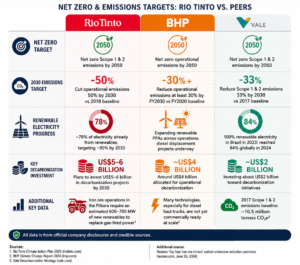
However, progress remains uneven. Studies show that while Rio Tinto has reduced emissions in some areas, it still needs faster action to meet its 2030 targets.
One of the biggest challenges is aluminum production. It requires large amounts of electricity, which makes it highly sensitive to energy sourcing. This is why renewable power procurement is becoming a core part of Rio Tinto’s strategy.
The company is increasingly linking emissions reduction with long-term energy contracts instead of short-term operational changes.
Clean Energy Demand Is Reshaping Mining Strategy
Rio Tinto’s decarbonization plan is also tied to rising global demand for transition metals. The company expects long-term growth in demand for:
- Copper, used in power grids and electric vehicles,
- Aluminum, used in lightweight transport and infrastructure,
- High-grade iron ore is used in lower-carbon steel production.
These materials are essential for the global energy transition. Meanwhile, governments are tightening emissions rules across supply chains. This creates a dual challenge for miners. They must reduce emissions while also increasing the supply of critical materials for clean energy systems.
Rio Tinto is responding by investing more in copper and battery-related materials. It also continues to maintain its large iron ore business. This positions the company at the center of both industrial growth and decarbonization trends.
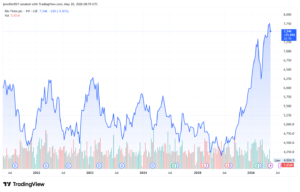
Rio Tinto’s recent stock price climb to all-time highs is a direct reflection of this successful dual-growth strategy. Investors are rerating the stock as a “diversified major” rather than just an iron ore miner.
Decarbonization Is Becoming Infrastructure, Not Just Targets
Rio Tinto’s 30-year renewable power deal shows a clear shift in strategy. The company is moving from climate promises to physical energy infrastructure.
Its plan includes cutting emissions by 50% by 2030 and reaching net zero by 2050. These targets are supported by multi-billion-dollar investments and long-term renewable contracts.
At the same time, the mining industry is under growing pressure from governments and investors to cut emissions faster. This is happening while demand rises for metals needed in electrification and renewable energy systems.
Overall, the Pilbara agreement highlights a key trend. Decarbonization in mining is no longer just about targets. It is now about securing long-term clean power at scale. As the global energy transition accelerates, Rio Tinto’s ability to secure reliable renewable electricity will play a major role in its future competitiveness.