Washington State’s Department of Natural Resources has proposed using carbon credits to support local projects with the HB 1789 (Carbon Bill). This will allow the Department of Natural Resources (DNR) to generate and sell carbon credits from forest land in Washington.
Main Objectives of the Bill
The main objective is for Washington state to attain the same benefits from the carbon credit market as private businesses. The DNR could use various ecosystem services to produce carbon credits. The contract terms could cover a period of 125 years for these projects.
The carbon credits generated in Washington could be used for Washington’s cap-and-invest program. The cap-and-invest program is part of Washington’s Climate Commitment Act (CCA).
The CCA will use the program to target the state’s biggest emitters of greenhouse gasses (GHGs). The goal is for Washington to reduce GHGs by 95% by 2050.
It sets an emissions cap, which is then continuously reduced with time. A similar market-based program exists in California.
The sale of these carbon credits would allow the state to support trust beneficiaries such as public schools and counties. They could also fund projects like restoring damaged forests and protecting salmon habitats. These activities would boost the local economy and protect the environment.
How Washington’s Carbon Bill Would Work
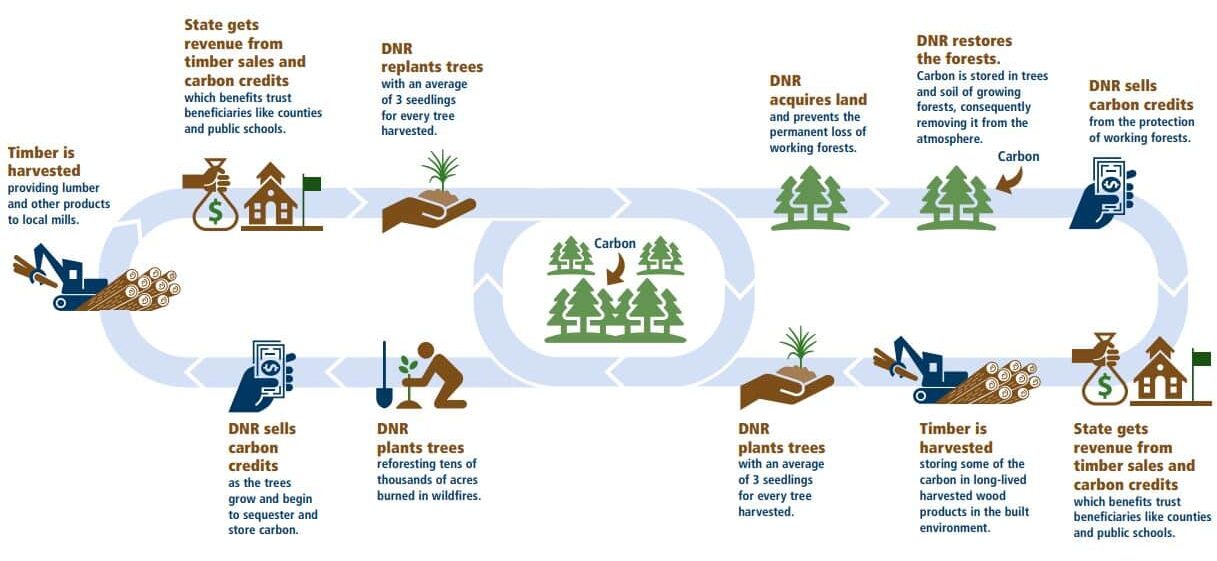
The DNR will restore land that has been damaged by wildfires by replanting trees. These areas will generate carbon credits as the trees grow and sequester carbon. Some of the trees will be used for timber, serving the local wood products industry.
Washington state will receive revenue for both the carbon credits and the sale of timber. However, the DNR will replant the trees that were harvested for timber. On average, they will plant three seedlings for every tree that is felled.
The ultimate objective is to increase working forestland in Washington. The sale of the carbon credits would provide extra funding to restore damaged forests that would otherwise not be restored. It would also support the local timber industry since the amount of working forestland would expand due to forest restoration.
Washington state has already seen a loss of 400,000 acres of working forestland in recent decades. In the next 20 years, it is expected to see another loss of 600,000 acres of forestland. Currently, the DNR has to apply for grants and limited external funding to support these restoration projects.
The bill also highlights that the projects would have 125-year contract durations. This is to adhere to the compliance requirements in the Washington carbon market. It states that projects monitor, report, and verify carbon stocks for at least 100 years following the last credit issuance.
This means that the DNR can maintain the forests and carry out harvesting and replanting for 100 years. However, the carbon storage in that time period should exceed the level it would have been without the project.
The bill also allows the DNR to use the sale of carbon credits to fund non-forestry related projects.
Some proposals include restoring eelgrass meadows, kelp forests, and investing in biochar.
Similar projects have already been carried out by the DNR in other states. For example, in Michigan, The Big Wild Forest Carbon Project started in 2020 and was completed in 2022. It covers over 100,000 acres of the Pigeon River Country State Forest known as “The Big Wild.”
The project creates a variety of revenue streams through carbon credits from its forest management activities. With a total project term of 40 years, energy company DTE Energy purchased the first decade of carbon credits.
Although carbon projects can provide extra income for states to fund social and environmental welfare projects, there are some risks involved.
For example, the projects would need to account for sudden events such as wildfires, droughts, and diseases that can damage trees.
These things will reduce carbon sequestration, and hence generate fewer carbon credits.
California, for example, has set up a carbon buffer pool to deal with these risks. These are a pool of carbon credits that cannot be sold or traded and set aside for sudden events.
Revisions to the Carbon Bill
The House Agriculture and Natural Resources Committee endorsed the idea of the DNR selling carbon offsets in a bipartisan 7-4 vote. This means the DNR could contract ecosystem services for a duration of 125 years.
However, there were some objections by the wood products industry to parts of the bill. Hence, the committee had to make some revisions.
The changes would prevent the DNR from reducing planned timber harvests. It also cannot lease less land for agriculture.
According to its president, The American Forest Resource Council still does not support the bill. Wood industry representatives also find the bill’s language too broad. They want to be more specific about which activities will fall under ‘ecosystem services’.
The opposition from the timber industry could stem from developments from last year. The DNR revealed plans to reduce logging activities and generate carbon offsets. The plans were to lease 10,000 acres of timberland in Western Washington to a private business.
A direct air capture company, Heirloom, has entered into an agreement with a decarbonization tech developer, Leilac, where the latter’s kiln tech will be integrated in Heirloom’s DAC solution.
The partnership between the two companies will combine the leading climate tech, providing an innovative, highly efficient and scalable solution to removing carbon through Direct Air Capture or DAC. The Memorandum of Understanding they signed is a collaboration agreement ready for execution in the coming weeks.
Shashank Samala, CEO of Heirloom, remarked:
“We’re incredibly excited about incorporating Leilac’s world-leading electric kiln technology into our Direct Air Capture facilities because it will accelerate our efforts to capture 1 billion tons of CO2 from the atmosphere by 2035 owing to its highly modular and energy-efficient design.”
Also commenting on the partnership, Leilac CEO Daniel Rennie said:
“Heirloom and Leilac are well matched… Heirloom uses low-cost and abundant limestone, which Leilac’s technology is specifically designed for. Both technologies are modular, easily scalable and can be renewably powered.”
Heirloom’s Direct Air Capture Tech
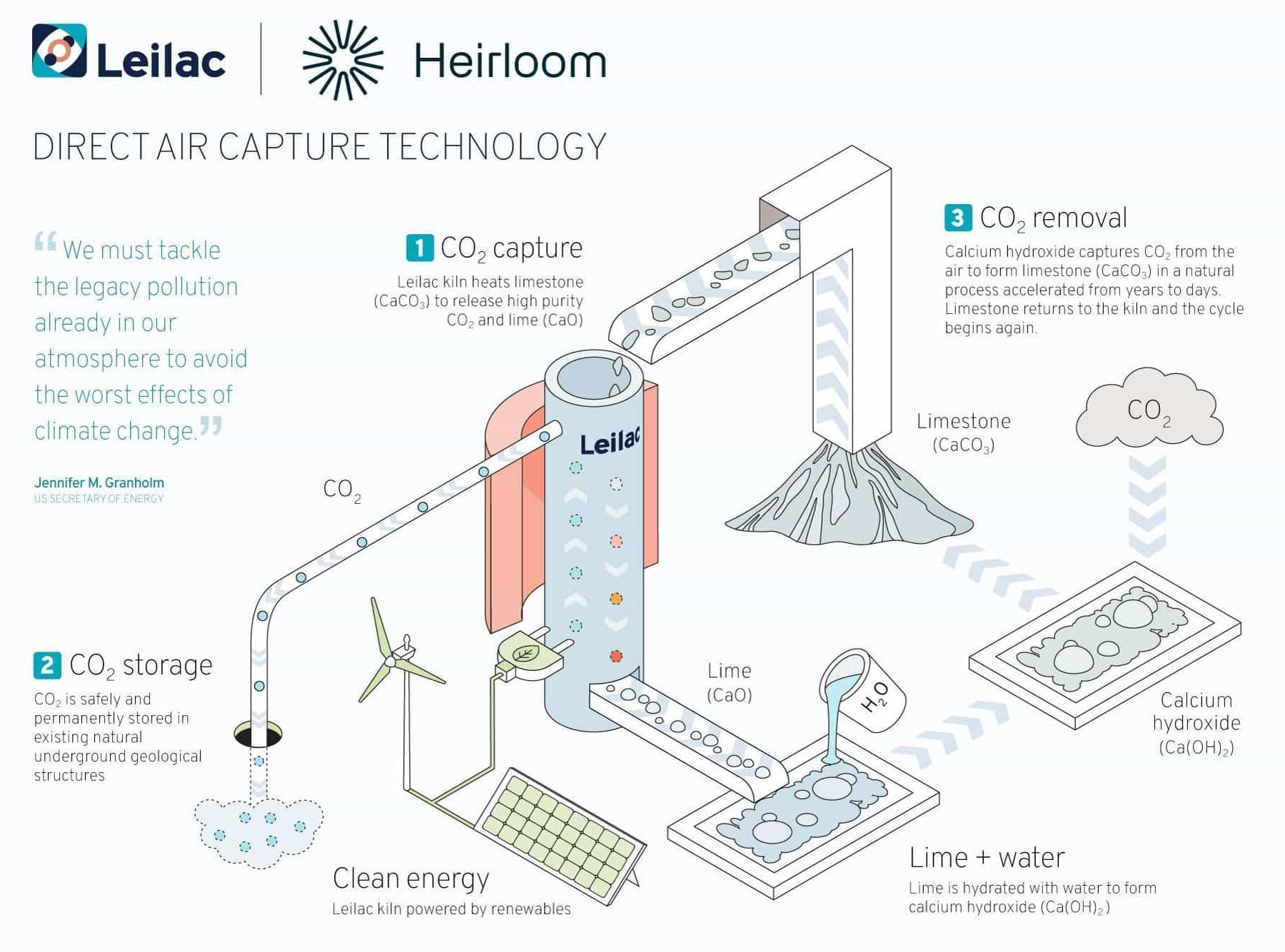
Heirloom offers a direct air capture solution which is basically speeding up a process that already happens naturally. The company is using a powder made from crushed limestone, a rock that forms using carbon dioxide.
In nature, this carbon mineralization process takes millions of years, but Heirloom’s DAC tech does it in only three days. They are mixing the powder with water, which then acts like a sponge that absorbs CO2 quickly.
The captured CO2 can then be safely and permanently stored for a long period of time. With such technology, Heirloom is developing the fastest path to low-cost, permanent CO2 removal with limestone.
With a cost of about US$10-$50/tonne, limestone is inexpensive and easy to source. Combined with a highly-modular and easy-to-manufacture facility, Heirloom’s DAC solution won over the Musk-funded XPRIZE Carbon Removal competition last year.
Heirloom, whose investors include Bill Gates-backed Breakthrough Energy Ventures, Microsoft, and current Leilac shareholder Carbon Direct Capital Management, aims to remove 1 billion tons of CO2 by 2035.
So, Why DAC?
Decarbonizing all sectors is critical to meeting global net zero goals by 2050. But to achieve that, decarbonization economy-wide won’t be enough. The world also has to address the CO2 already dumped in the air.
Climate experts project that carbon removal of about 1 to 10 billion tonnes each year can help tackle residual emissions. More importantly, it can help reach net negative emissions and bring down global temperatures to 1.5°C.
Modular, scalable and low cost direct air capture tech that Heirloom provides, alongside geological carbon storage, offers a way to remove CO2 at the gigatonne scale.
So, where does Leilac’s decarbonization tech fit in?
Leilac’s Industrial Decarbonization Tech
The reformed limestone courtesy of Heirloom’s DAC will be fed into a Leilac kiln. The kiln will separate the CO2 from limestone using exclusively renewable energy sources.
All the CO2 captured from the air then mineralizes, either by binding it with rocks or other materials. Or it can also be stored away deep underground where it can’t escape back into the atmosphere.
This calcination tech by Leilac uses a unique indirect heating system that doesn’t need additional chemicals or processes. It keeps the process CO2 emissions pure, eliminating the need to separate gases from gases.
As such, it makes a perfect match for limestone-based direct air capture of Heirloom.
Leilac’s decarbonization tech was developed for, and in partnership with, the cement and lime industries. It provides an efficient solution for abating and separating unavoidable process emissions in producing cement and lime.
This technology proves successful at pilot scale, such as through its pilot plant, Leilac-1, as well as its three smaller electric units. Leilac-1 began operating in 2019 with a capture capacity of 25,000 tonnes of CO2/year. It’s the biggest carbon capture installation for cement outside China.
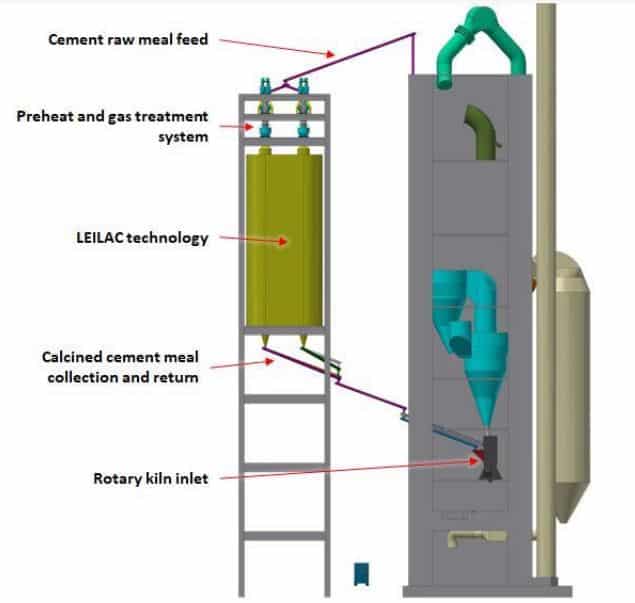
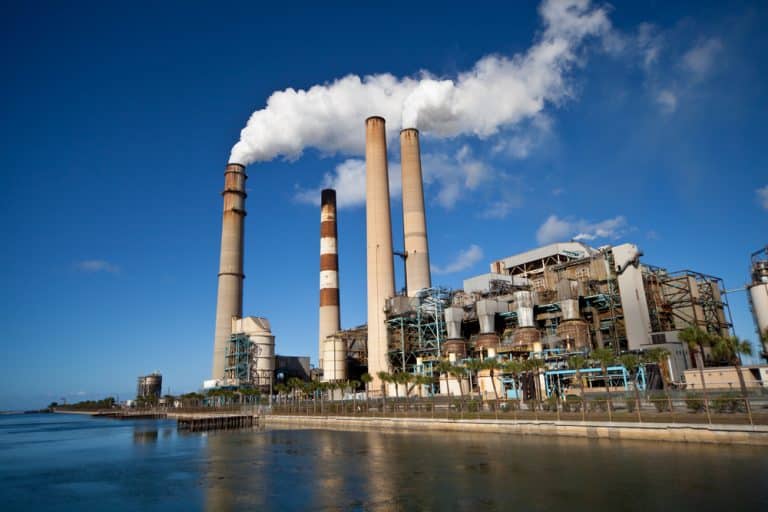
Leilac-2, shown above, is a demo plant capable of capturing 100,000 tonnes of CO2/year is due to open next year.
Full-scale installations of Leilac’s tech at cement plants with CO2 capture capacities of ~1 million tpa of CO2 are under study. Right now, Leilac’s CO2 capture capacity is more than 2x the current combined capacity of all DAC facilities worldwide.
Heirloom and Leilac’s Combined DAC Approach
The direct air capture tech of Heirloom uses lime through a novel carbonation process. The addition of Leilac’s kiln tech will further hasten the CO2 removal solutions for industrial emissions.
The integrated Heirloom and Leilac DAC solution will run 100% using renewables and clean fuels to deliver the maximum net carbon reduction. Their partnership leverages eight years of significant investment to advance the DAC industry.
As how Rennie puts it:
“The collaborative and cooperative approach outlined in this agreement [MOU] aims to accelerate the learning, synergies and steps to scaling that are needed to achieve our global climate ambitions and commitments.”
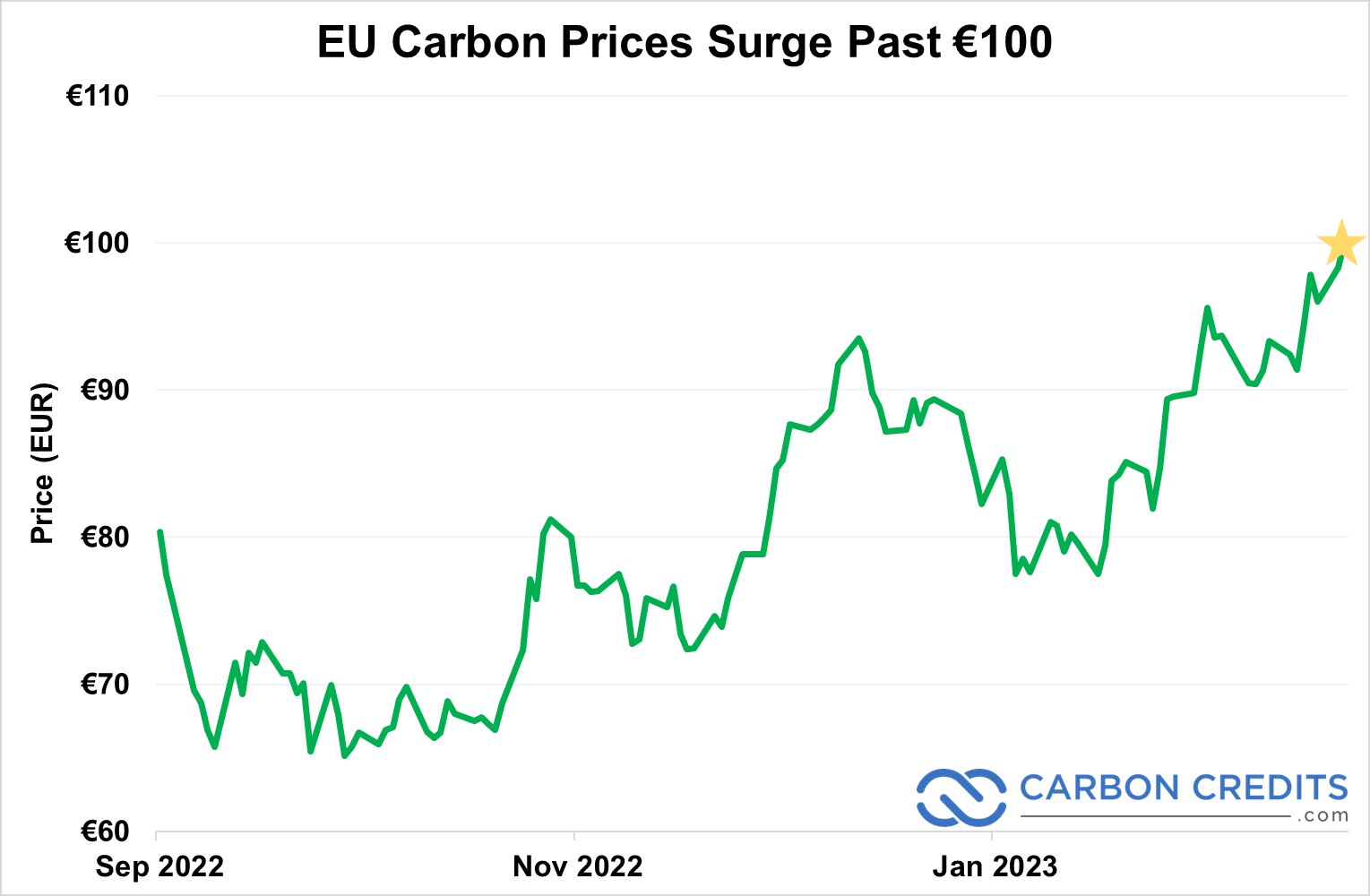
The European Union’s Emissions Trading System (EU ETS) has experienced significant fluctuations in the carbon prices over the years.
As of February 2023, the price of carbon in the EU ETS has exceeded 100 euros per metric ton of CO2. That’s a significant increase from just a few years ago when the price was around only 10 euros per ton.
The EU carbon price has experienced these fluctuations due to a variety of factors. These include policy changes, market forces, and global trends.
The EU ETS is a cap-and-trade system that aims to reduce greenhouse gas emissions by putting a price on carbon. The system covers emissions from power plants, energy-intensive industries, and commercial aviation. It is one of the largest and most established carbon markets in the world.
One of the main drivers of the high carbon price in the EU ETS is the region’s commitment to cut GHG emissions by at least 55% by 2030 compared to 1990 levels. This ambitious goal requires a significant emissions reduction from the energy sector, which is responsible for a large share of the EU’s emissions.
In addition, market forces have also contributed to the price increase.
Operating on a cap-and-trade system, there’s a limited number of EU allowances available for companies to emit carbon. As the cap decreases over time, the price of allowances increases as companies are willing to pay more to meet their emissions targets.
Global trends have also played a role in the increase in EU carbon prices. There has been a growing awareness of the urgent need to address climate change.
The Future of the EU Carbon Prices
Looking ahead, the future of the EU ETS will depend on a variety of factors, including political will, technological innovation, and global trends.
The high EU ETS carbon prices provides a powerful incentive for businesses and investors to transition to a sustainable future. However, concerns have been raised about the impact of this on consumers and businesses.
To address these concerns, the EU has implemented measures to protect vulnerable industries and consumers. These include exemptions for certain industries and measures to protect low-income households from energy poverty.
Who Buys EU ETS Offsets?
The primary buyers of EU ETS offsets are companies that have emissions reduction obligations to comply with. These companies may choose to buy offsets to meet a portion of their emissions compliance, as offsets can be less expensive than reducing emissions within their own operations.
EU ETS offsets are from projects that reduce carbon emissions in developing countries, such as renewable energy projects, energy efficiency improvements, and reforestation efforts. These projects generate carbon credits, which can be purchased and used by companies to offset a part of their footprint.
The demand for EU ETS offsets has been driven in part by the increasing ambition of the bloc’s climate targets. This has created a greater need for emissions reductions across the economy. This has further led to an increase in carbon prices and a corresponding increase in the demand for offsets.
Examples of large multinational corporations that are committed to reducing their GHG emissions and may be purchasing EU ETS offsets include companies such as Microsoft, Unilever, and Nestle.
These companies have made public commitments to reducing their carbon footprints. And they have implemented a variety of measures to achieve these goals, including:
purchasing renewable energy,
improving energy efficiency, and
investing in emissions reduction projects.
It’s worth noting that there are a growing number of companies that are voluntarily purchasing offsets as part of their efforts to become carbon-neutral or achieve other sustainability goals.
These companies may include those in the tech industry, such as Salesforce and Google, as well as companies in the fashion industry, such as Burberry and H&M.
The EU Emissions Trading System
The high carbon price is a reflection of the urgent need to address climate change. It also provides a powerful incentive for businesses and investors to transition to a sustainable future.
However, there are concerns about the impact of the high EU carbon prices on consumers and businesses. So, it will be important for the EU to strike a balance between achieving its climate targets and protecting vulnerable groups.
The future of the EU ETS will depend on various factors. Thus, it will be crucial to continue to monitor its carbon price and its impact on the economy and society.
MIT researchers developed a way of capturing carbon dioxide from seawater, not air, using less energy and at cheaper cost than direct air capture but with some more environmental benefits.
The oceans are large carbon sinks, storing huge amounts of CO2. Sucking out that CO2 sounds odd but the MIT team says it’s a good alternative to DAC when it comes to energy use and costs.
The system can also work with ships that would process water as they travel to help mitigate the big contribution of ship traffic to global emissions.
Varanasi, a professor of mechanical engineering, remarked that:
“There are already international mandates to lower shipping’s emissions and this could help shipping companies offset some of their emissions, and turn ships into ocean scrubbers.”
The No.1 Carbon Sink
The most efficient DAC technologies need about 6.6 gigajoules (gJ) of energy, the International Energy Agency says. That’s around 1.83 megawatt-hours/ton of captured CO2.
Unfortunately, most of that energy is not used to directly separate the CO2 from the air. It’s consumed by the heat energy to keep the absorbers at the right operating temperatures. Or it’s used for the energy needed to compress large amounts of air to the level required for an efficient carbon capture process.
Regardless of where the energy goes, the costs of getting a DAC facility to run remain high. Price estimates by the end of the decade per ton of CO2 is at around US$300-$1,000.
Currently, there’s no country that is taxing polluters for even just $150. The highest, so far, is Uruguay with $137/ton of CO2.
Without lowering the cost of operating DAC, it will be hard to commercialize it.
Good thing there’s the oceans – the number one carbon sink. They store 50x more CO2 than the atmosphere and 20x more than land plants and soil combined.
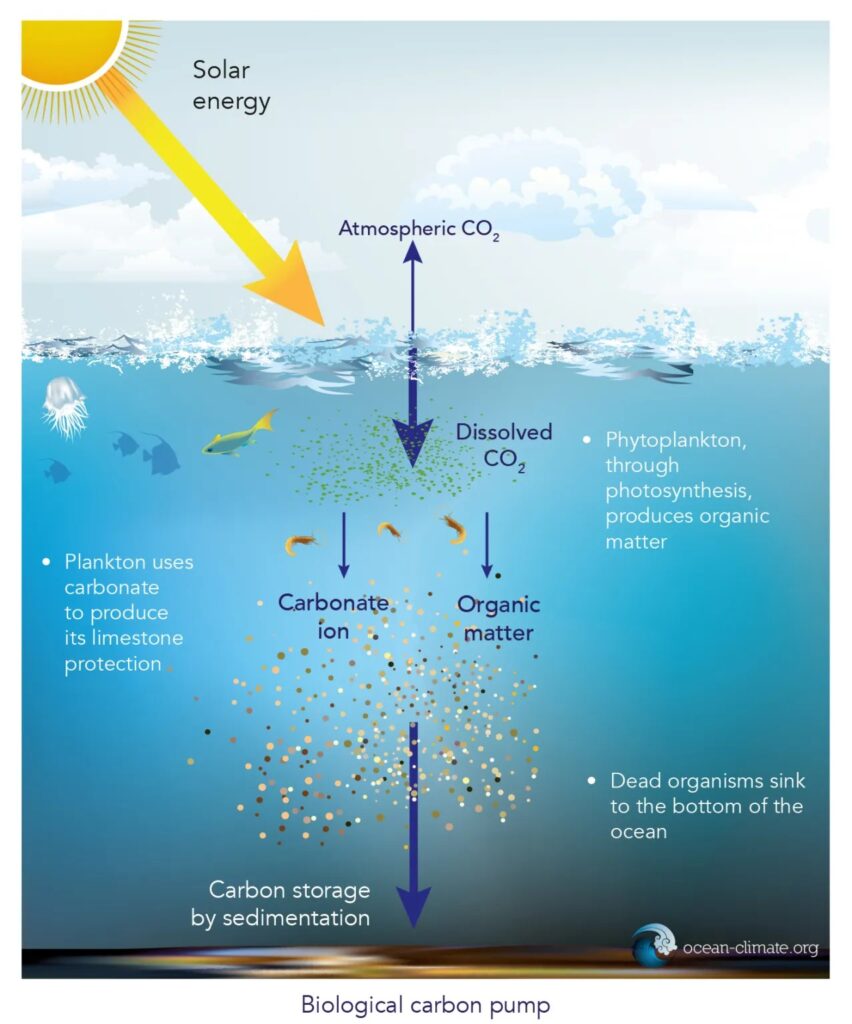
In a biological process as seen below, when atmospheric carbon concentration rises, CO2 starts to dissolve into seawater. Then marine ecosystems, especially the planktons, do their part in breaking down or changing CO2 into other forms they need to function.
The oceans are soaking up between 30% – 40% of all annual carbon emissions by humans. They do that by keeping a constant free exchange with the air.
Get the carbon out of the seawater and it will suck more out of the air to re-balance the concentrations for marine life to continue thriving. And the best part, the CO2 concentration in seawater is more than 100x greater than in air.
How the MIT Tech will Capture Carbon from Seawater
There have been previous studies and attempts to suck carbon out of the oceans and capture it. But they require the use of chemicals and expensive membranes to do it.
But the MIT researchers claim that they were able to develop and test a system that’s not using any of those requirements. Their seawater carbon capture tech also uses less energy than air capture methods.
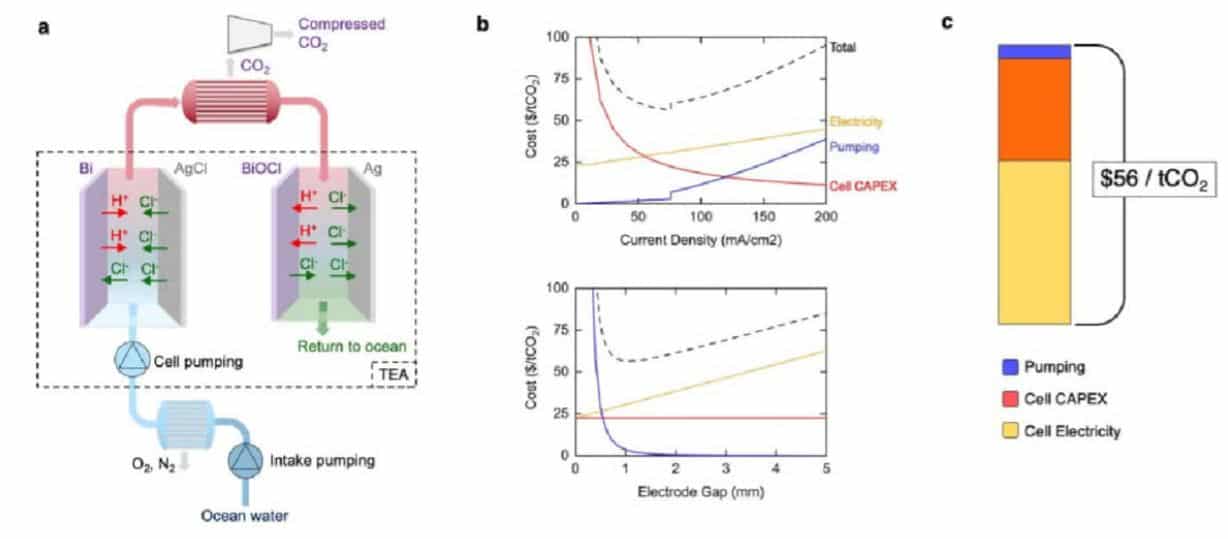
Left: schematic of the device. Middle: optimizing the current density and electrode gap. Right: cost breakdown of the highly efficient electrochemical cell. Source: MIT
As shown above, the seawater passes through two chambers in the MIT system (left image).
The first chamber is using reactive electrodes to release protons into the oceans. These protons acidify seawater which turns dissolved inorganic bicarbonates into CO2. The gas then bubbles out and goes to a vacuum.
The water moves to the second chamber which calls the protons back in, bringing back the acidic water to its previous alkaline state. Then the water goes back into the sea without the CO2 gas.
In the event that the electrodes run out of protons, the polarity of the voltage is simply reversed. The same reaction happens only with water flowing in the opposite direction due to the reversal.
The team’s peer-reviewed paper is open access in the journal Energy & Environmental Science. They said that their seawater carbon capture system calls for only 122 kJ/mol of energy. Or that’s equal to only about 0.77 mWh per ton.
The MIT researchers think that their method can do better, stating:
“Though our base energy consumption of 122 kJ/mol-CO2 is a record-low… it may still be substantially decreased towards the thermodynamic limit of 32 kJ/mol-CO2.”
Speaking about costs, they estimate an optimal cost of only $56/ton of CO2 captured. But they noted that it should not be compared directly with the costs of running a fully operational DAC.
That figure doesn’t include other possible costs such as vacuum degassing, filtration, and other costs outside the electrochemical system. Still, some of those unaccounted costs can be covered by integrating the seawater carbon capture units with other facilities.
Desalination plants, for instance, are a good example as depicted in the picture. They’re processing high volumes of seawater already.
Other Benefits of the MIT System
Apart from enabling the oceans to draw down more carbon from the air, the MIT CO2 capture method brings other benefits, too.
Increased carbon concentrations in oceans led to acidification of seawater. This, in turn, threatens the life of shellfish, coral reefs, and other marine beings.
Plus, the alkaline seawater as the output of the process can help put back the balance in marine ecosystems.
While this seawater carbon capture tech shows a great potential, there are many things yet to be perfected. The team plans to show a practical project demonstration within the next 2 years.
A carbon removal company Funga introduces a nature-based solution that uses forest fungal microbiome, or fungi, to capture carbon, which attracted a $4 million seed funding round.
Funga claims to be the first CO2 removal company to be ‘powered by belowground fungal biodiversity restoration’. It develops a technology that applies fungal microbiomes to improve forestry growth and help mitigate the climate crisis.
The “Forest for the Fungi”
Funga’s founder, Dr. Colin Averill, spent almost 2 decades studying how soil microbial biodiversity impacts how forests act as carbon sinks. He is an ecologist and climate scientist interested in forest microbiome.
DNA sequencing and computational power enabled Averill to see “the forest for the fungi”, as he puts it. That outlook is based on the idea that reintroducing wild soil microbial biodiversity can speed up plant growth by about 64%. This, in turn, also boosts carbon capture.
In other words, he discovered the big role of fungi in accelerating tree growth and carbon capture ability of forests.
Dr. Averill said in an interview that:
“An entire galaxy exists below our feet, made up of millions of species of bacteria and fungi. These microscopic organisms have profound effects on forest growth and carbon capture that until now have been overlooked as a way to accelerate natural climate solutions while also restoring essential microbial biodiversity to our soils.”
The Texas-based carbon removal firm also said that the $4 million seed funding will allow them to bring out its tech from the lab and into the forests. Azolla Ventures led the funding round, with participation from Trailhead Capital, Better Ventures and Shared Future Fund.
Funga didn’t share what the valuation was for the round. But it said that it was an equity round, where notes were converted into equity.
The startup will use the funds for these purposes:
Scale up development of Funga’s proprietary software and datasets
Boost the footprint of its forest microbiome restoration projects
The funding will also be for de-risking and overcoming a few challenges that the company will be facing.
That includes how to win over the support and buy-in of forest landowners and the foresters. After all, scaling up and rewilding microbial communities is something that has never happened before.
Add to that the concern on how much land they can work on and how soon it will happen.
According to Averill, their team is a mix of the best scientists from NASA, US Forest Service, and cutting-edge fungal product firms as well as biological and environmental tech companies.
Restoring Forest Fungi to Capture CO2
Funga’s goal is to capture at least 3 billion tons of CO2 by 2050 with the help of forest fungi.
The firm will measure how much additional carbon is sequestered through forest microbiome restoration. Funga will then make the results available to corporate buyers under their carbon removal portfolio.
Each tonne of CO2 captured will generate a corresponding one unit of carbon removal credits. Companies looking to offset their own footprint can buy these carbon credits as part of the reduction goals.
Funga partners with Conservation Resources – an investment organization that invests in real asset properties – to establish its first forest restoration projects in Georgia.
In the next months, the fungi experts will develop another 2,500 acres of forest restoration projects within the loblolly pine areas of the southern U.S.
Funga said it aims to achieve these two milestones:
Generate fungal DNA profiles from 1,000+ forests. The team will use this dataset to power their platform that suggests the right combinations of wild fungi for the right location in the forest for best carbon capture outcomes.
Establish 1,000 hectares of projects where they plant trees and “plant” soil fungal communities.
Fungi and Biodiversity
Funga believes that these three things start to tip the earth into a 6th mass extinction event.
Global land conversion,
Pollution, and
Environmental degradation
The extinction crisis does not only concern plants and animals; it is coming for the fungi and other microbial organisms, too. And for the company, this is truly alarming for the complexity of life on earth or what we call “biodiversity”. He added that the biodiversity of soil life is amazing.
Just a handful of soil contains 1,000+ coexisting microbial species. And this microbial biodiversity affects how ecosystems recycle materials, how plants access nutrients, and how captured carbon stays in soils. Yet, humans barely understand that.
These microorganisms, like fungi in the forests, can be a critical solution to help address climate change. As Averill said,
“We are eroding the biodiversity of soil and ecosystem microbial life, and we don’t know what we’re losing in the process. We’re almost certainly closing doors on ways to manage the Earth more sustainably.”
If you’re looking for new ways to make your farm profitable, generating carbon credits from farming has been the go-to solution that farmers opt for.
That’s not surprising given that carbon farming enhances the organic matter content in the soil, minimizes costs, and gives extra income through carbon credits. Not to mention that it may also give farmers access to better financial incentives from banks or institutional investors.
With growing demand from businesses to buy carbon credits from farmers, it is now clear why carbon farming will be the future of agriculture. But some farmers are still in the dark when it comes to agricultural carbon credits.
And so the purpose of this article is to help clarify things by explaining how carbon credits in farming works, why it matters, and what are the key considerations you should make.
How Does Carbon Credits in Farming Work?
But first things first, let’s define what a carbon credit is.
The idea behind carbon credits is that entities responsible for emitting CO2 have to reduce their emissions or pay for the efforts of farmers or others who are doing the work of removing CO2 from the air. The payment is in the form of a carbon credit, with each credit representing one metric ton of carbon reduced or removed.
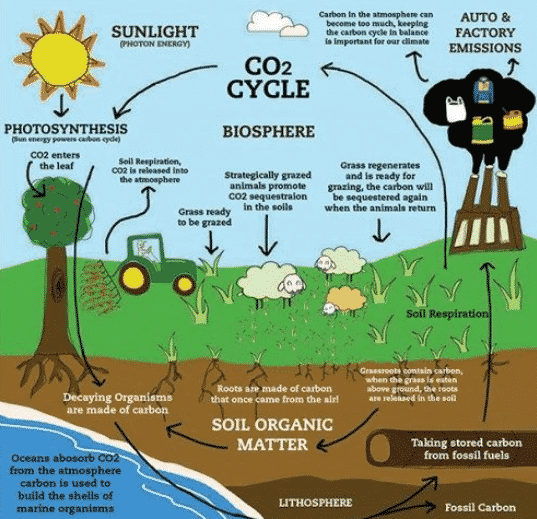
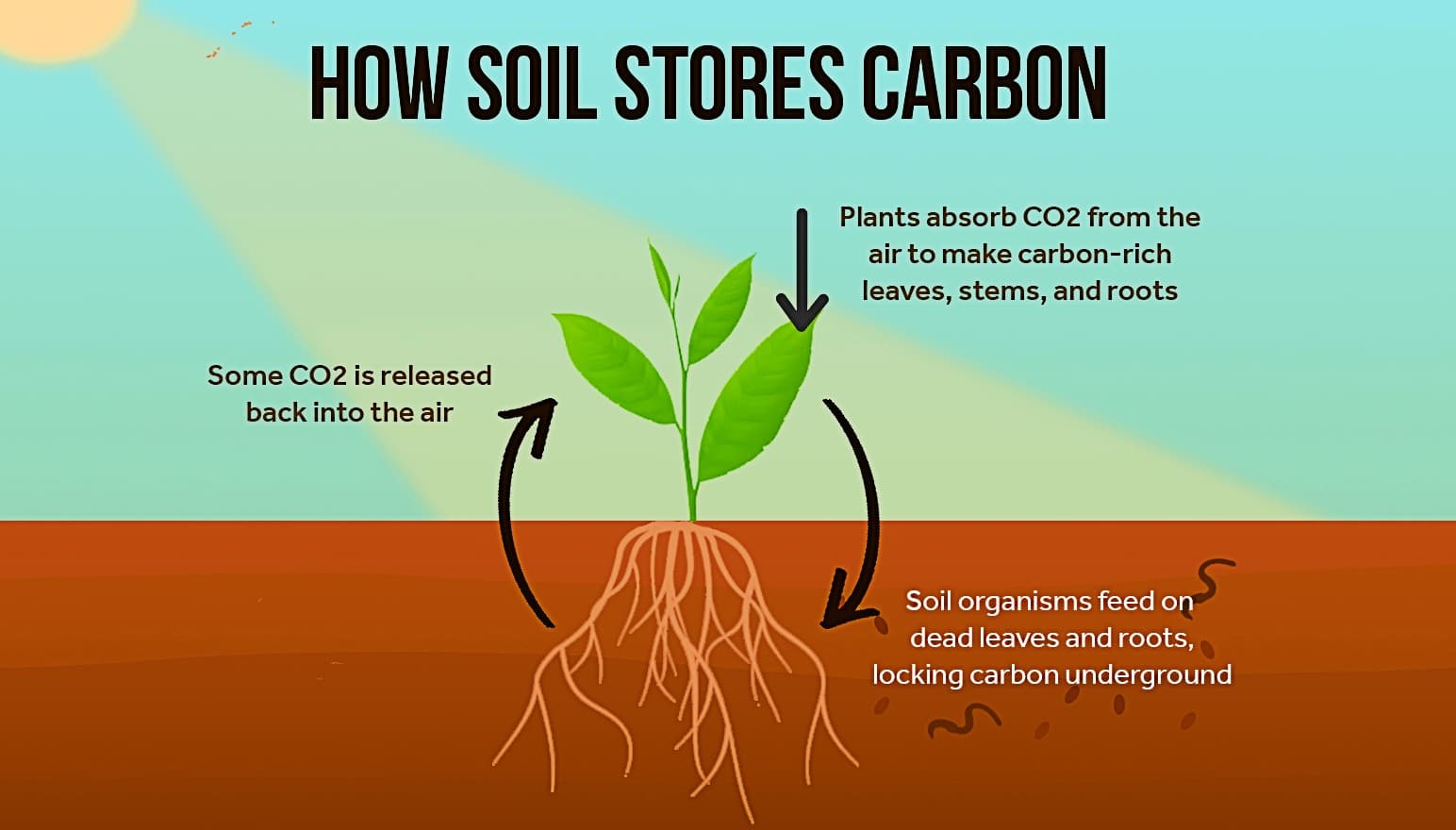
Crops, grasses and other plants sequester CO2 from the air but they also release it when they decompose. Still, with proper soil carbon capture and farming practices, they can draw down CO2 very well.
Here is how soil captures CO2 in a natural carbon sequestration cycle.
The length of time carbon stays in the soil before going back to the air varies. It depends on several factors such as climate and soil composition.
For example, disrupting the soil structure like converting forestland or grassland to farmland, can speed up the release of the captured carbon.
On the other hand, carbon farming methods like no-till farming and planting cover crops can slow down carbon loss. They can even help increase carbon levels in soil.
Studies show that the past 200 years of agriculture emitted ~100 billion metric tons of CO2 (GtCO2). That’s far way over 3x as much carbon as all human activities released in 2019 – 43.1 GtCO2.
So, where do carbon credits come in?
Carbon credits in farming operate like crops in some ways.
For instance, if you produce soy to sell, the buyer will want to know its quality first. They will weigh your soy and test it for quality before buying it. And only by providing the buyers with important information can you convince them to buy your product.
In the same manner, carbon credits measure and monitor the quantity of carbon sequestered in the farm’s soil and the amount of carbon emissions reduced.
Some farming practices such as regenerative farming give farmers the potential to turn their farms’ ability to sequester carbon into cash with carbon credits.
Specifically, carbon credits are created based on the amount of carbon sequestered by the soil and so represents the emissions reduced above the soil.
Why Do Farming Carbon Credits Matter?
Farmers and ranchers have many opportunities to reduce their own carbon footprint. But in order to meet the global net zero target, 22% of land needs to shift from traditional agricultural production to long-term carbon sequestration or carbon farming.
A range of market mechanisms are necessary to achieve anything near that level of land use change.
Schemes like carbon credits that allow landowners to generate new revenue streams through carbon farming are emerging. There’s also high expectation that private investments in environmental measures that help mitigate climate change will be a significant market.
Farming practices that yield carbon credits offer financial incentives not just to reduce emissions but also create environmental and social co-benefits. They help extend benefits to farmers and society at large.
Financial benefits:
With unpredictable yields caused by climate change, farmers welcome the extra income from carbon credits. More remarkably, the growing demand for credits from carbon farming spurred creation of programs and pledges by giant food retailers and agribusiness.
But it’s crucial that they price carbon higher than implementation costs to attract farmers’ attention. Current carbon prices vary widely, depending on the specific type of farming activity.
Environmental and social co-benefits:
A study shows that farmers had increased attention towards programs that highlighted economic incentives from environmental and social co-benefits.
Carbon credit programs that consider co-benefits help ensure higher adoption rates by farmers. Examples of co-benefits include reduced use of fertilizers and increase in crop yields. Apparently, they’re measurable and quantifiable.
Carbon farming also results in social co-benefits. For instance, there are more seasonal jobs for farmers to do conservation practices.
In other words, farming carbon credits create a new revenue stream for farmers that weren’t there before. This even incentivizes them to transition to sustainable farming practices and adopt regenerative agriculture.
So the biggest winner at the end is the planet as the agriculture sector cut down its GHG emitting activities.
Carbon Credits And Farming: What You Need to Consider
As farmers embrace regenerative farming, their land goes from being a carbon emitter to sequestering carbon. In other words, their farms become a carbon sink which produces carbon credits.
Project developers then bring those credits to carbon markets where they sell them to emitters. They can be a business firm, an organization, or an individual wanting to offset their footprint and support farmers at the same time.
In return, farmers get additional income for each ton of CO2 sequestered by their lands. There’s a catch, though. Some may falsely claim to achieve certain carbon reductions without proper verification.
This is why it’s important that farmers know what to consider to earn carbon credits and what farming practices can give them that. Speaking of, here are the top ways to generate credits from carbon farming.
How do farmers get carbon credits?
Farmers can get carbon credits from any of these five sources:
For crop growers, in particular, credits are generated by shifting to carbon farming practices that enhance soil health and mitigate climate change by storing carbon in the soils.
On the buyers’ side, companies like Cargill, Shopify, and Microsoft have committed to promoting carbon farming methods that regenerate the soil by buying carbon credits from farmers.
But adopting carbon farming practices is just one step in the process to generate carbon credits. So in the next section, we’re outlining the general steps for you to get started if you want to earn carbon credits on top of your farming income.
Farming And Carbon Credits: How to Get Started
The first thing you should do, of course, is to find the right carbon program.
Finding the right carbon credit farming program
Carbon farming takes full commitment to be successful right from the very beginning. A good place to start is to connect with the right carbon credit program provider with the expertise, tools, and support you need.
The right program helps you to implement farming practices that improve soil health, enhance its carbon sequestration, and reduce carbon emissions. This step often starts with consultations to know expectations.
After you agree to the terms, the provider oversees the next steps to guide you accordingly. There are providers that offer payments right at the start of the program.
Gathering initial farm data
What makes carbon farming different from traditional agriculture is that it’s a science-based approach. It deals with measuring initial data on the farm to know how change can be implemented best with verifiable results.
In the same way, carbon credits must also be based on robust measurement and assessment.
While measurements are done at various stages of farming and carbon credits programs, it usually starts by gathering baseline farm data. These include 3-5 years data on crops, yields, fertilizer rate application, farm practices, and so on. Getting all this data is crucial to know the best carbon farming practices to adopt as well as keep track of the progress to account for carbon credits generated.
Devising a plan
After assessment, together with your provider, you should develop a carbon farming plan. It outlines the practices that will eventually lead to creating carbon credits. Each farm is unique and so must have a custom plan based on baseline data gathered.
Common examples of carbon farming methods that produce carbon credits include any of the following:
Reduced tillage or no-till farming
Growing or increasing cover crops
Reduced fertilizer application
Efficient fuel use
Improved residue management
Prescribed (rotational) grazing
Nitrogen management
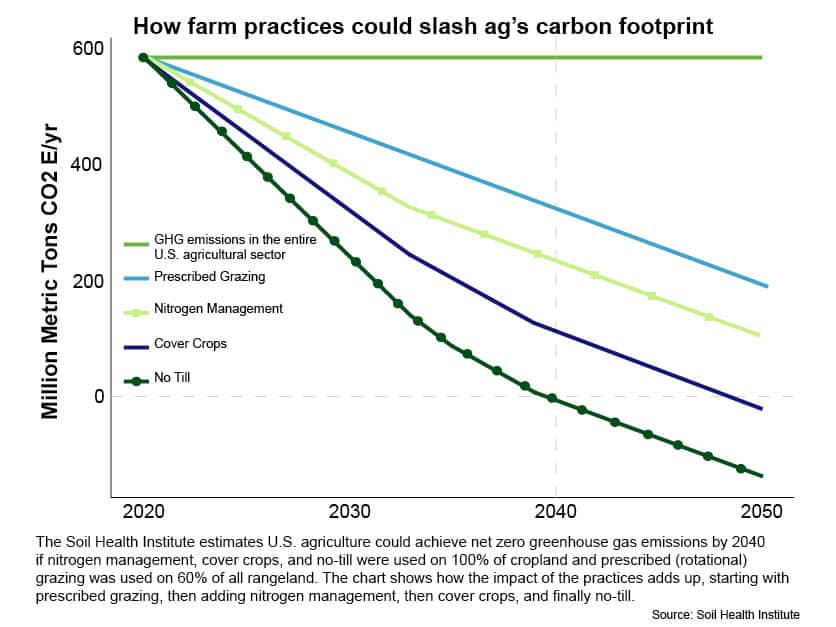
Here’s how various carbon farming techniques can slash agriculture’s carbon emissions.
Carbon Farming Practices Projection in Cutting Carbon Emissions by 2050
Implementing practices and verifying results
Each carbon farming practice has different requirements, depending on actual conditions. The baseline data is vital during implementation to review the practices that need improvement or changes.
This is where MRV – measurement, reporting, and verification – are vital in generating carbon credits through farming practices. Without proper MRV, it will be hard to say if there’s real carbon reduction that happens. As such, no verification can take place.
Verifying results can be tricky. The carbon credit program provider or an independent 3rd-party body can perform the verification process. Calculations may include the amount of carbon reductions or removals generated by carbon farming.
Earning carbon credits with farming
After verification comes the generation of carbon credits. Once they’re issued, you can now trade the credits in a carbon market where buyers seek to offset their own emission reduction goals.
Successfully trading carbon credits results in a new revenue stream for you.
Again, it’s worth noting that the prices of carbon credits vary and change. Currently, they trade at as low as $5 to as high as $75. And as companies and their stakeholders opt to invest in sustainable practices, carbon farming gets more attention.
The fact that carbon farming doesn’t only help mitigate the climate crisis but also provides farmers another way to earn via carbon credits makes it an attractive undertaking. Let alone the environmental and social benefits it brings.
Moreover, some aspects of carbon farming are measurable and adoptable. This makes it possible to monetize the practices through carbon markets. Only via the carbon market mechanisms will major investments be driven into regenerative agricultural practices on a global scale.
But same with carbon credits in other sectors, there must be rigorous standards in place for quantifying, monitoring, and verifying the emissions reductions they promise. That’s the only way that they can be real and impactful in the fight against climate change.
But the good news is that international carbon certifiers exist to ensure highest standards when it comes to carbon credit measurement and accounting. Verra, Gold Standard, and Climate Action Reserve are some popular names in this space. They’re from the private sector but public programs are also available when dealing with carbon farming credits.
As long as you know who to partner with, what baseline data to gather, how to plan for the changes your farm needs, and how to implement them properly, you’re good to go. You can turn your farm into a more profitable and climate-friendly endeavor.
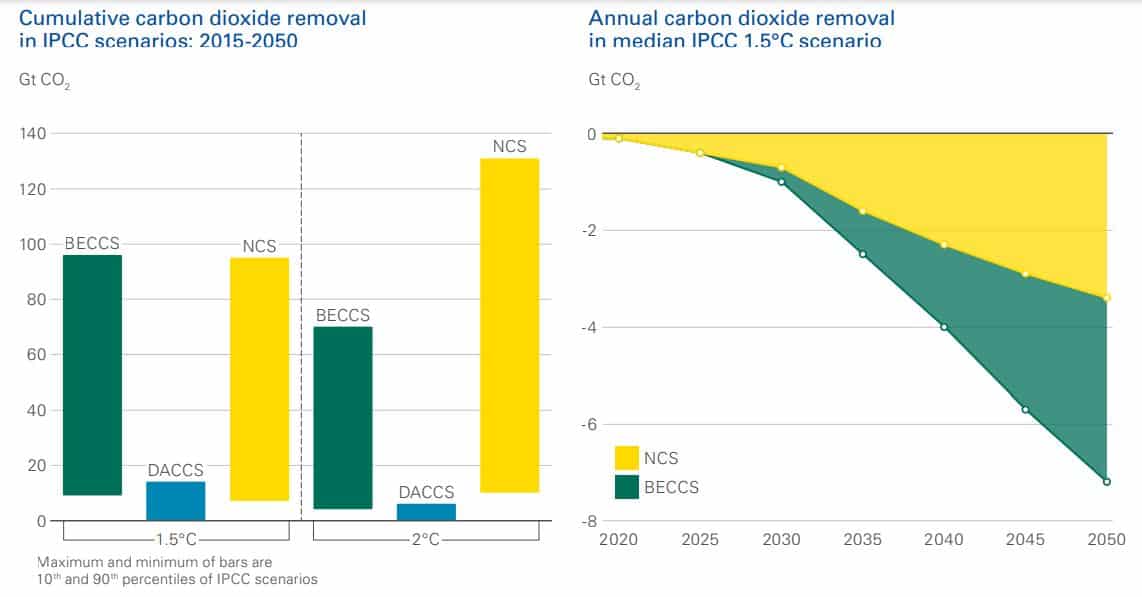
The wave of funding into the sector comes as the IPCC report doubles down on the need to remove billions of tons of CO2 from the air. It stresses that emissions reductions alone aren’t enough.
The IPCC believes that CDR is necessary to achieve the Paris climate goals as shown in the charts below. CDR includes bioenergy combined with CCUS (BECCS), natural climate solutions (NCS), and direct air carbon capture with storage (DACCS).
Achieving the Paris Goal with Carbon Removal
The Rise of Carbon Removal Industry
The market for carbon removal is expanding rapidly. Private money came pouring in from big tech companies seeking to help early-stage CDR tech startups scale up and bring costs down.
Five world’s largest firms – Stripe, Alphabet, Meta, Shopify and McKinsey – launched an initiative called Frontier to invest around $1 billion in carbon removal by 2030. Their aim is to help CDR startups scale up and lower the cost of sucking in a ton of CO2 from the air.
Also, government incentives like carbon pricing as well as subsidies make CDR a good business. In fact, a lot of startups emerge in the sector, offering different ways to remove carbon.
The CDR sector also experienced a strong boost in 2022 alone. It received a whopping $13.8 billion investment globally as reported by Pitchbook. That figure almost broke a record despite the market downturn.
Counteract: A Special CDR Fund
London-based Counteractis a newly founded venture capital fund solely dedicated to carbon removal technologies.
In July last year, the UK government had invested £54 million into 15 projects that develop CDR technologies. The funding comes through the BEIS Net Zero Innovation Portfolio.
The U.S. Department of Energy (DOE) also announced the funding of $3.7 billion to help build a commercially viable CDR industry in the country.
Counteract is targeting a total of £35 million or ~$42 million for its inaugural fund. And it just reached a first close of £15 million or ~$18 million. This recent fundraising signals that investors are willing to bet on the emerging and rapidly rising industry of CDR.
There are currently 12 companies under Counteract’s portfolio. The VC fund only has one criterion when investing in companies: the capacity to remove 500 million tonnes of CO2 by 2050.
Right now, the world is removing only about 2 billion tonnes of CO2 from the atmosphere every year. Forests are doing much of the removal work. And climate experts say that the CDR capacity needs to increase by 1,300x by 2050.
VC funds on climate actions have been pouring in the last year. But only a few have a specific focus as Counteract. The fund’s managing partner, Andrew Shebbeare, said:
“It might sound like we have a very narrow investment focus because we only invest in carbon removal within climate investing; so we’re a specialist fund within a specialism. But at the same time, we’re also broad in that we invest in all carbon removal pathways.”
Counteract will invest in any form of carbon dioxide removal. E.g. nature-based solutions like forestry, regenerative agriculture, direct air capture (DAC), and biomass.
Alongside the growth of the carbon removal industry are some questions and uncertainties.
Questions surround the scalability of CDR tech and other things like the biomass supply chain. There are also concerns about market output scalability produced via carbon removal solutions.
For instance, the fund had invested in a company that produces nickel as a byproduct of its CO2 removal process. In this case, there are concerns about the scalability of the nickel market.
Counteract also invests in firms working on both credit models where they sell carbon credits equal to a tonne of CO2 removed from the air and business models such as the nickel startup.
Plans to Expand Outside Europe
Apart from removing CO2, Counteract is also looking for solutions with “co-benefits”. For example, technology that produces cement from recycled carbon is a good solution that permanently captures carbon while helping decarbonize the cement industry at the same time.
The current portfolio of Counteract will be transferred to the fund. This includes various carbon removal techniques from four different continents, including direct air capture, biomass, forestry, agriculture, mineralization, materials and more.
The fund plans to expand outside Europe and invest globally. Shebbeare acknowledges the fact that the global south offers a better opportunity for CDR.
Kenya’s Rift Valley, for instance, presents an ideal case for DAC due to its abundant geothermal energy. The DAC tech needs clean energy to operate.
As of this time, there’s a lot of interest showing up in the carbon removal sector. And despite those couple of questions the industry has to answer, Counteract expects to reveal more deals soon.
After the success of its Rhino bond, the World Bank revamped it with a $50 million Emission Reduction-Linked Bond that will channel up-front financing to low-carbon development projects generating carbon credits like the water purification project in Vietnam.
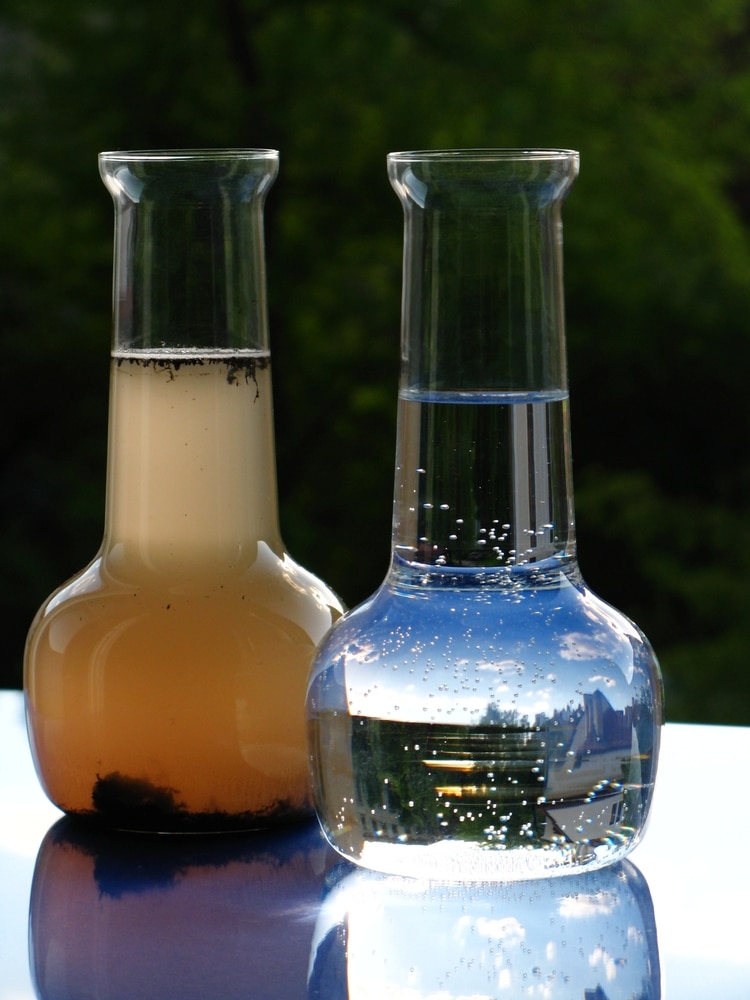
But the coupon payments that would have been paid to investors will be used to fund the manufacture of water purification devices in Vietnam. Then bond investors will earn a return linked to the issuance of carbon credits from Vietnam’s water purifier projects.
World Bank’s Sustainable Development Bonds
IBRD, the world’s largest development bank, is the original member of the World Bank Group. It supports the mission and strategy of the WBG by issuing bonds to finance sustainable development projects.
The sustainable development bonds finance green and social projects aimed at having positive social and environmental outcomes.
Social projects include health care, education, employment creation, and food security. Green projects, on the other hand, involve pollution and climate change as well as sustainable resource use.
The end goal is to align the projects’ results with the UN Sustainable Development Goals (SDGs). The World Bank then works closely with governments to assess progress toward the SDGs and identify areas where it can provide support. And in the case of Vietnam, it’s in improving access to clean water for 2 million children.
The $50M Bond Deal
The World Bank priced a 5-year $50 million bond that will support a water purification project in Vietnam. The project aims to make and distribute 300,000 water purifiers to schools and other institutions.
The water purifiers will bring several benefits:
help cut carbon emissions,
improve air quality, and
lower fuel costs.
The bond is an outcome-based financial instrument attracting private capital to drive positive climate and development results. It’s 100% principal protected, and with investors willing to finance the project up-front. They will receive semi-annual coupon payments linked to the issuance of carbon credits that the water purification project generates.
WBG’s CFO and Managing Director, Anshula Kant remarked:
“This outcomes based bond builds on our experience from the Wildlife Conservation Bond, channeling private capital to support the financing of development outcomes, with investors benefiting when projects achieve positive results. In the Emission Reduction-Linked Bond, outcomes are measured by the issuance of carbon credits while in the Wildlife Conservation Bond [a.k.a Rhino bond] it is the growth in rhino populations.”
This deal is the bank’s second outing, with the previous Rhino bond seen as a success giving investors good returns. It’s only a third of the size of the Rhino bond deal which raised $150 million.
However, the current deal in Vietnam would see rising interest rates. That means there’s a chance to earn a higher return than conventional IBRD bonds. The Bank says the potential uplift would be at around 100 basis points.
The Water Purifier Project and Carbon Credits
The purifiers will make access to clean water possible while also addressing emissions by preventing the burning of wood to purify water. Project beneficiaries will receive the purification devices for free.
All because the Emission Reduction-Linked Bond structure is enough to cover the local manufacturing and distribution costs.
The project can potentially reduce about 6 million tonnes of CO2. In context, that’s like shutting down 2 coal-fired power plants for a year.
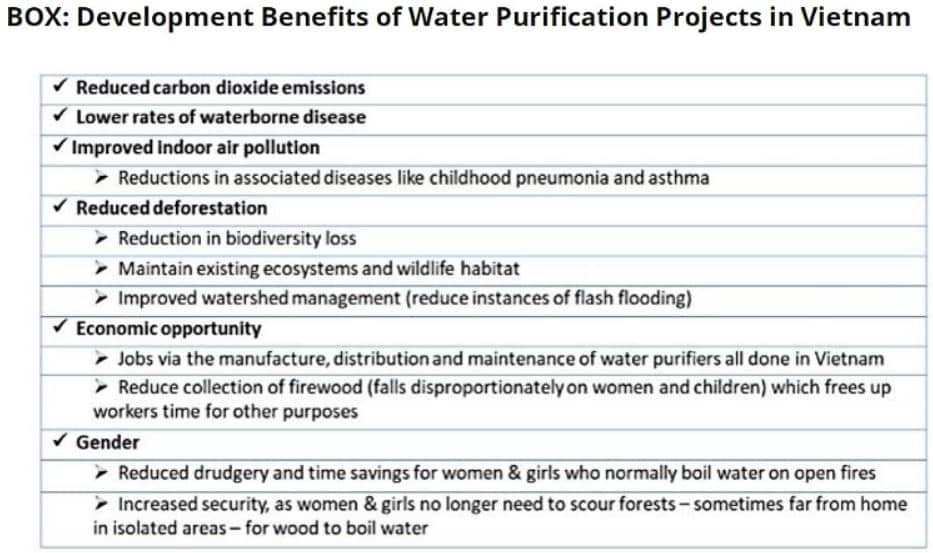
It will further bring about a lot of development benefits as the following:
The World Bank didn’t develop nor will it implement the Vietnamese project. The Sustainability Investment Promotion and Development Joint Stock Company (SIPCO) will implement it.
SIPCO is a private company in Vietnam specializing in developing climate-friendly projects and it manufactures water purifiers. Its Chairman, Hoang Anh Dung said:
“SIPCO is proud to be associated with this innovative structure. It gives project developers like us access to finance in anticipation of future carbon revenues. That helps us move faster and expand programs that will positively impact thousands of kids across Vietnam.”
The reduced emissions from using purifiers will become carbon credits issued by Verra. These credits, also called Verified Carbon Units (VCUs), will then be sold to fund a coupon payment for investors.
Coupon payments to bond investors will be based on carbon credits sales revenue from the proceeds. Proceeds from the first 1.8 million tonnes of carbon credits sold are earmarked for bondholders.
What Investors Have to Say?
The three major investors on the $50 million bond deal are Impax Asset Management, Velliv Pension, and Nuveen.
Impax portfolio manager commented that the return opportunity in this new bond is more attractive than normal World Bank bonds. They’re satisfied with what they’ve examined in the carbon credit side of the deal.
Meanwhile, Velliv’s CIO said that the new deal is exceptional for its strong social profile and “significant green carbon credit”. While the head of ESG at Nuveen remarked that the bond provides additionality and has an attractive valuation.
What they’re all trying to say is that investors are willing to bet in these kinds of projects. More importantly, this carbon credits-linked bond and other initiatives of the World Bank can help buildup carbon credit markets.
In October last year, the World Bank launched a new trust fund designed to pool public funds to provide grants for carbon emissions reduction projects. This facility, known as “Scaling Climate Action by Lowering Emissions” or SCALE, is atrust fund for the WB’s climate finance projects.
As the World Bank President David Malpass said, the bond structure linked with carbon credits “can be replicated and scaled to channel more private capital to development and climate activities”.
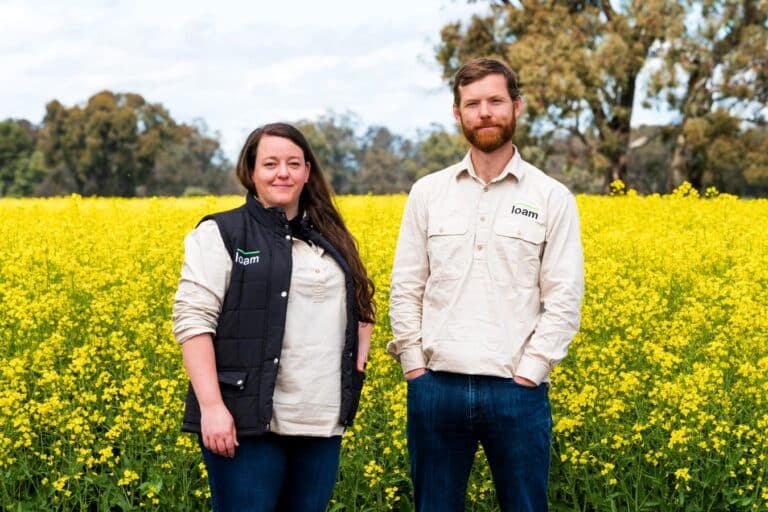
Carbon farming startup Loam Bio has closed a US$73 million Series B round co-led by Lowercarbon Capital and Wollemi Capital to improve the ability of soil to capture carbon.
Loam Bio specializes in boosting soil’s ability to store carbon through microbiology. It has also launched its CarbonBuilder seed inoculum and SecondCrop carbon tools in Australia.
The $73M Investment in Loam
Apart from Lowercarbon Capital and Wollemi Capital, other key investors who participated in the funding round include:
Horizons Ventures,
Acre Venture Partners,
Main Sequence,
the Clean Energy Finance Corporation, and
Grok Ventures
Loam will use the $73 million funding to expand its seed coating tech that supercharges plants’ ability to capture and store carbon in the soil. Tegan Nock, the company’s co-founder noted that:
“We’re really focused on delivering value for broad acre cropping systems right now, including wheat, barley and canola for the Australian market, and soy and corn for the US market.”
The fund will also support the delivery of new products that will go through years of testing for main crops in regions the company operates.
Better Soil Carbon Capture
About 10% of the earth’s surface is cropland. Though capturing carbon through the soil won’t be enough to remove what’s already in the air, the fact remains that it helps reduce carbon emissions.
But farmers have to draw down carbon and store it underground. And this is no easy task for many farmers, especially in cropping systems.
Loam co-founder Guy Hudson said that the annual cropping cycle can be intensive on soils. That’s because much of the carbon and nutrients are drawn from the soil to grow the crops for every season.
Regenerative farming practices such as cover cropping and no-till are good at sequestering carbon. However, applying them at scale may disrupt existing operations of the farmers.
This is where Loam Bio’s microbial technology comes in to help farmers adopt those carbon farming practices. According to Hudson:
“By applying Loam seed treatment, farmers can accelerate a path towards healthier, more productive soils by driving more rapid increases in soil carbon, which benefits resilience and productivity.”
The startup seeks to improve the quality and quantity of soil carbon capture through its microbial technology.
Loam’s CarbonBuilder: How it Works
Loam harnesses the power of microbiology to help tackle climate change while creating value for agriculture.
The carbon farming firm coats seeds with its CarbonBuilder fungal before sowing them. The coating “supercharges” plants’ ability to store carbon in the soil.
Nock said that what makes CarbonBuilder unique is the type of carbon that is sequestered through the biological process. She added that it’s the more stable form of carbon, meaning “there’s lower risk for farmers integrating carbon farming practices.”
She also said that this method increases fertility and productivity in the soil.
Under normal conditions, plants will draw down CO2 and trap it in the soil in the form of biomass. Among the various types of carbon, recalcitrant carbon doesn’t break down easily. Instead, it stays in the soil for a long time, up to a millennium. CarbonBuilder targets this hard-to-decompose carbon.
Seeds coated with CarbonBuilder’s microbial fungi increase carbon sequestered in the soil.
As the seed germinates, microbes bind the CO2 with macroaggregates in the soil. In other words, the fungi convert the carbon into a much stabler form it can keep in the ground for a long time.
As mentioned in the video, there are 1.8 billion hectares of farmland globally. And there are about one million plants per hectare in a wheat crop. If those figures are multiplied and their sequestration is optimized through CarbonBuilder, the results would be massive.
But that’s yet too far from what Loam manages to achieve right now. The carbon farming firm has sown 6,000 trial plots across 29 areas in 2 countries.
In one example of CarbonBuilder’s application in barley, farmers managed to increase carbon units stored per hectare: from 0 – 2 to 3 – 6.
Another company is improving trees’ ability to capture carbon and store it in their biomass. They refer to them as “GMO super trees“.
SecondCrop: Helping farmers join the carbon market
Alongside CarbonBuilder, Loam is also launching SecondCrop carbon project options. The goal is to boost the economic viability and transparency of the company’s carbon farming approach.
Loam will assist farmers in many activities through SecondCrop, including:
Registration and administration
Land management strategies
Measurement and verification
SecondCrop removes the upfront costs that carbon markets usually require. Loam also works directly with farmers to measure soil carbon and register with the carbon scheme. The company stated:
“By removing the risks of upfront costs, not [being able to build] soil carbon, and access to skilled support to manage the project, farmers are able to integrate carbon building into their existing farming system. Loam’s SecondCrop carbon project options are designed to remove these barriers for farmers and encourage increased participation in carbon farming.”
In carbon farming, carbon can be thought of as a crop similar to the other crops farmers produce. These agricultural practices give farmers the potential to turn their farms’ carbon sequestration into cash with carbon credits. Each ton of CO2 sequestered is awarded with one carbon credit.
This year, Loam will expand its technology testing in new geographies like Canada and Brazil. They will focus on the major crops grown specifically in those places.
Right now, Loam works with a limited number of Australian farmers to boost soil carbon capture. The carbon farming startup plans to reach the commercialization stage in the U.S. in 2024.
How do carbon offset credits work? The billion-dollar question, especially now that estimates say the carbon market will hit a $50 billion mark by 2030.
Carbon dioxide has the same effect on the climate no matter the place or the source of emissions. So, a tonne of carbon dioxide absorbed from the atmosphere in one part of the globe can be canceled out in another to neutralize it.
In other words, entities can compensate for their footprint’s impact by supporting projects that remove or reduce CO2 or its equivalent gas. These projects are then awarded with carbon offset credits in the process they call carbon offsetting.
We’ll talk about how exactly carbon offset credits work to guide you this 2023, their purpose, and how to buy them. For a beginner, let’s start from the top by explaining what carbon offset credits are.
What Are Carbon Offset Credits?
Carbon offset credits refer to measurable, verifiable emission reductions from climate action projects. These projects reduce, remove or avoid greenhouse gas (GHG) emissions. But they also do other things apart from abating carbon emissions.
Most climate-related projects also bring many other positive benefits such as restoring or protecting ecosystems and empowering local communities. Let alone reducing, if not stopping, reliance on fossil fuels.
But to ensure that the credits are of high quality, projects must meet a rigorous set of criteria to pass verification by 3rd-party agencies and leading carbon standards like Verra and Gold Standard.
Theoretically speaking, 1 offset credit stands for 1 tonne of CO2 reduced or removed.
After a company or an individual buys the carbon offset credit, it is permanently retired so it can’t be reused.
Though carbon offset credits also trade in the compliance carbon market (cap-and-trade schemes), they’re more prevalent in the voluntary carbon market (VCM). That’s because many other companies outside the heavy emitting sectors seek to offset their emissions voluntarily. Credits circulating in the VCM are popularly known as carbon offsets.
So why create carbon offsets in the first place?
What Is The Purpose Of Carbon Offset Credits?
The end goal of carbon offset credits is to reduce or prevent the release of planet-warming GHG into the atmosphere.
As mentioned, a carbon credit represents the right to emit one ton of CO2 or its equivalent gas. According to the Environmental Defense Fund, that is equal to about 2,400-mile drive in terms of CO2 footprint.
Since carbon dioxide is the principal GHG, people speak simply of trading in carbon. But other gasses are also measured in reduction claims such as methane and nitrous oxide.
Under the compliance market, emitters are given a certain number of carbon credits (cap) that they can trade to help neutralize or offset global emissions (trade). Carbon credits in this market refer to certified emissions reductions or CER that follow a regulatory framework. These credits are issued and regulated by the government.
If regulated entities emit more than their limits, they should buy the credits from others to comply with the required level. If they have an excess as they emit less than their cap, they can sell those credits to others who are short of them.
The major purpose of the scheme is to reduce the number of credits over time to incentivize emitters to look for ways to cut their footprint.
In the VCM, things work differently but they all add up to the same intention. Market players don’t have to follow any limits but can decide how much emissions to offset by buying carbon credits. And same with mandated businesses, voluntary firms want to neutralize their footprint.
Carbon offsets in the VCM are called voluntary emissions reductions or VER. They are independent and don’t need to follow government regulations.
As a beginner in this space, you are perhaps thinking how carbon offset credits work. Maybe you’re wondering how carbon credits are calculated or if you can make money from carbon offsets. The good news is you can.
If you’re a company owner, can you buy your way out of climate trouble with carbon offset credits? Yes and no. How is that so?
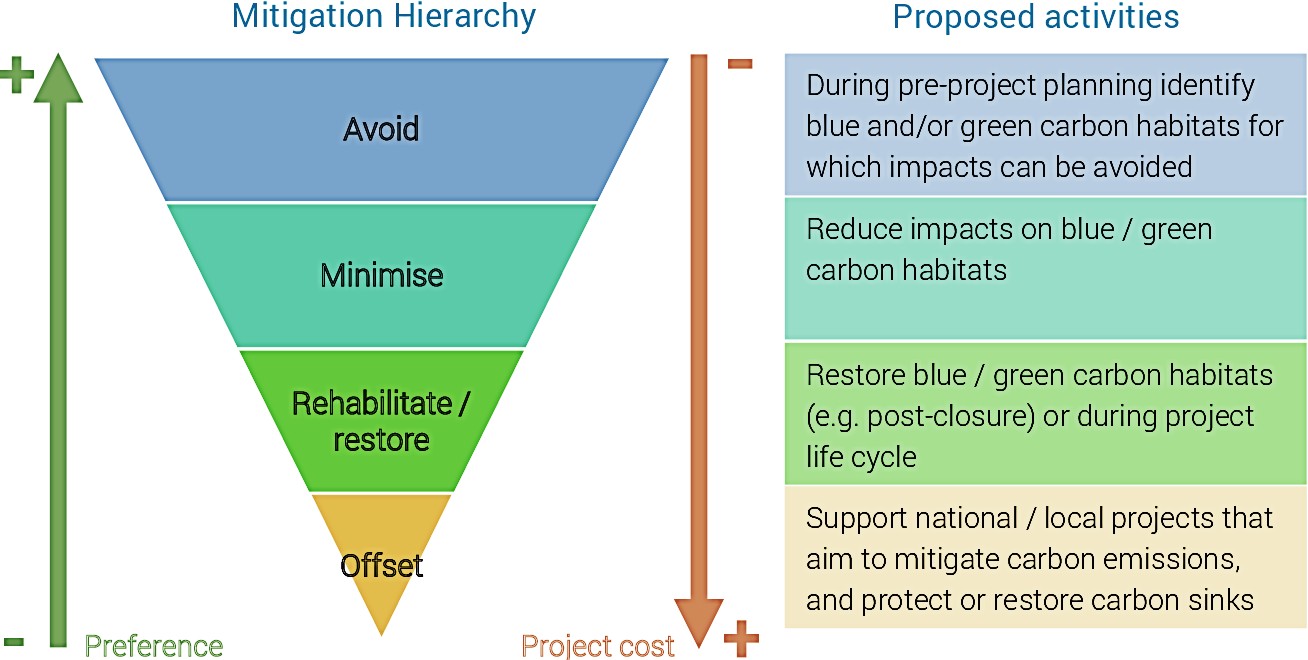
Under the climate mitigation hierarchy, buying carbon offsets is the last option. It means companies should not use carbon credits as an excuse to put off reducing emissions in business operations.
But that doesn’t mean that carbon offsetting is useless and that it doesn’t work. The opposite is true…
Sales from carbon offset credits help channel money to the right projects that protect carbon sinks.
In fact, many industry experts encourage companies to not just slash their own carbon emissions but also invest in actions outside of their value chain.
Moving the dial on climate change is critical to achieving global net zero emissions. And one key option in the dial is carbon offset credits.
They provide a great way for businesses to fund climate actions such as protecting natural carbon sinks. Carbon credits are also crucial in scaling up carbon removal technologies which climate scientists consider elemental in keeping global warming from rising.
More importantly, carbon offset credits work by ensuring that firms are putting a price on the impact their operations have on the environment.
Best of all, offsetting hard-to-abate emissions through carbon credits attracts funding to projects that effectively reduce emissions.
Businesses should regularly assess their emissions and include them in sustainability reports. Reporting emissions is compulsory in many countries.
In the United States, firms that emit 25,000 or more metric tons of CO2 must report those emissions to the EPA yearly.
The reporting threshold is lower in California – 10,000 metric tons.
If you think investing in carbon offset credits is worth every dollar, the next thing you should know is how to purchase them.
How to Purchase Carbon Offset Credits?
Obviously, you would be asking how much a single carbon credit is worth. The actual price depends on some things like the type of project and where its location.
But in general, carbon offset credits cost around $3 to $5 per ton of CO2. This carbon price, however, will rise dramatically in the next decade. Thanks to stronger climate policies and better standardization in the market.
Again, you can do carbon offsetting voluntarily or comply with certain regulations.
One way to do that is to ask for a broker’s help, for a fee, of course. The broker often knows of the different projects to support with the credits you’re going to pay.
Brokers charge a fee based on your emissions level. They will then invest a portion of your payment in a certain carbon reduction or removal project like reforestation.
You then get a certificate or some type of proof showing that you have bought the offset credit. You can then use it for compliance purposes or any other intention.
Still confused about how carbon offset credits work and how to buy them?
Here are the main steps you can follow for successful carbon offsetting:
Step #1. Calculate your carbon emissions
For an individual, this will be easier. You have to get all the data from your household and individual carbon-emitting activities.
For a company, it tends to be more difficult as there is a lot of information and data to collect to get the total emissions. The more complex the structure of your organization, the harder it is to identify who or what are the sources of emissions.
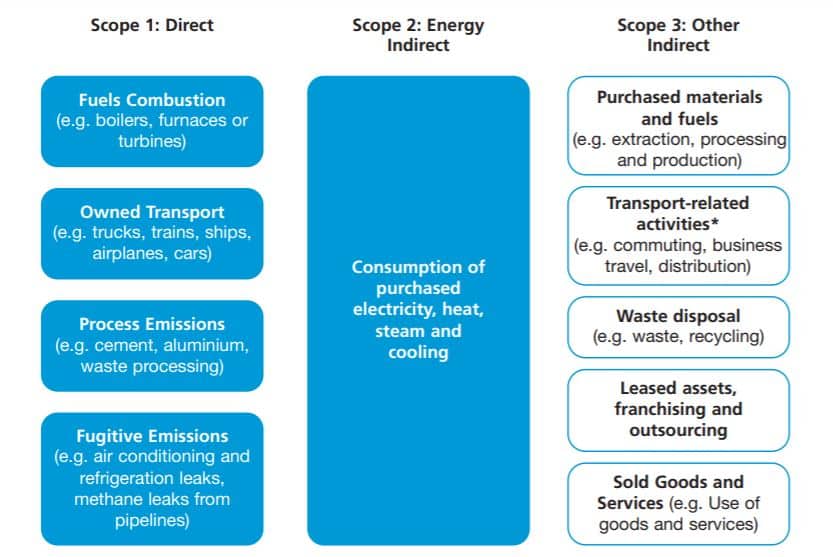
Usually, doing it involves identifying three different sources of emissions – Scopes 1, 2, and 3.
Scope 1 refers to direct emissions from sources the company owns or controls while Scope 2 is the indirect emissions from electricity, steam, heating, and cooling resources the company buys. Scope 3is other indirect emissions that come from the company’s value chain.
The following diagram shows the common types of emissions sources under each scope.
For a more detailed explanation on calculating emissions, check out this complete guide here.
Step #2 . Cut emissions where possible
After you get your total emissions, you can then use it to work on your sustainability or decarbonization strategy.
The Science Based Target Initiative (SBTi) provides guidelines for companies on how to reduce emissions. The organization’s Net Zero Standard aligns with the goals of the Paris Agreement.
You can also achieve carbon reductions in smaller ways through your individual actions. For example, you can switch to greener transportation or go for a more sustainable diet.
Step #3 . Offset unavoidable emissions
Any emissions that your company can’t reduce can be offset by investing in carbon reduction projects. But take note that a project must be certified to issue carbon offset credits.
The top carbon certifying bodies are Verra, Climate Action Reserve, Gold Standard, Plan Vivo, and American Carbon Registry.
Verifying that a project meets the criteria is important. It needs to show that its carbon reductions are real, additional, measurable, and permanent. Only by meeting these criteria that the carbon credits the project generates be of high quality.
Once you have purchased the correct carbon offset credits, you must be transparent about it to your stakeholders. They should be aware of your offsetting strategy and which projects benefit from your credit.
Transparency is crucial to avoid greenwashing accusations. Greenwashing is a marketing ploy used to convince people that a firm’s products, goals, or policies are eco-friendly.
So, you must show that buying carbon offset credits works for you and it’s good for your business. And it’s the last option you have to deal with the pollution you emit.
Buy Carbon Offset Credits
Offsetting your emissions is obviously not a last-resort mindset. While carbon offsetting and buying carbon offset credits is not that hard, you should know how to do it and where to start.
Not to mention that there are plenty of carbon credit marketplaces available online to begin your search.
But if you want to ensure that each dollar you invest in a carbon reduction or removal project counts, get ready to know the details. You can start by knowing who issues carbon credits and work your way from there.
To provide the best experiences, we use technologies like cookies to store and/or access device information. Consenting to these technologies will allow us to process data such as browsing behavior or unique IDs on this site. Not consenting or withdrawing consent, may adversely affect certain features and functions.
Functional
Always active
The technical storage or access is strictly necessary for the legitimate purpose of enabling the use of a specific service explicitly requested by the subscriber or user, or for the sole purpose of carrying out the transmission of a communication over an electronic communications network.
Preferences
The technical storage or access is necessary for the legitimate purpose of storing preferences that are not requested by the subscriber or user.
Statistics
The technical storage or access that is used exclusively for statistical purposes.The technical storage or access that is used exclusively for anonymous statistical purposes. Without a subpoena, voluntary compliance on the part of your Internet Service Provider, or additional records from a third party, information stored or retrieved for this purpose alone cannot usually be used to identify you.
Marketing
The technical storage or access is required to create user profiles to send advertising, or to track the user on a website or across several websites for similar marketing purposes.