


Amazon is accelerating its push into carbon-free energy as artificial intelligence (AI) drives a massive new wave of electricity demand. The company announced plans to invest in 700 megawatts (MW) of clean energy projects in Nevada. This will help support future data center operations near Reno.
The portfolio includes 100 MW of geothermal energy from Zanskar and 600 MW of solar power paired with 600 MW of battery storage from Primergy.
The move comes as Amazon expands its AI and cloud infrastructure through Amazon Web Services (AWS). It shows a bigger trend in global energy markets. Major tech companies are racing to get reliable, carbon-free electricity they need to power their energy-hungry AI systems.
Amazon shares also moved higher after the company announced its new Nevada clean energy investments tied to future AI and cloud expansion. The next day, Amazon stock closed at $270 per share, extending its strong 2026 rally as investors continued backing major AI infrastructure companies.
The stock has gained sharply in recent months as Wall Street grows more optimistic about AWS, artificial intelligence demand, and the company’s long-term energy strategy.

At the same time, Amazon faces growing pressure to balance AI growth with its climate commitments. Rising demand for data centers is boosting electricity use. This makes energy sourcing one of the company’s biggest long-term challenges.
Geothermal Steps Into the Spotlight as “Always-On” Clean Power
Amazon said the Nevada projects will help power future AWS data centers while supporting grid reliability in the state.
The agreement with NV Energy marks the tech giant’s first data center energy deal involving geothermal power. Unlike solar and wind, geothermal energy can generate electricity continuously, regardless of weather conditions.
Amazon described geothermal as an important addition to its energy mix because it provides “firm” carbon-free power around the clock. The company said the battery storage will stabilize the electricity supply. It stores solar energy when production is high and releases it when demand increases.
Amazon said:
“Geothermal is a particularly exciting addition to Amazon’s carbon-free energy portfolio powering our data centers. Unlike other renewable sources that fluctuate with weather or time of day, geothermal harnesses the Earth’s constant internal heat to generate power around the clock.”
The projects are part of Amazon’s rapidly expanding clean energy portfolio. The tech giant has invested in over 700 renewable and carbon-free energy projects worldwide. This totals more than 40 gigawatts (GW) of generating capacity currently.
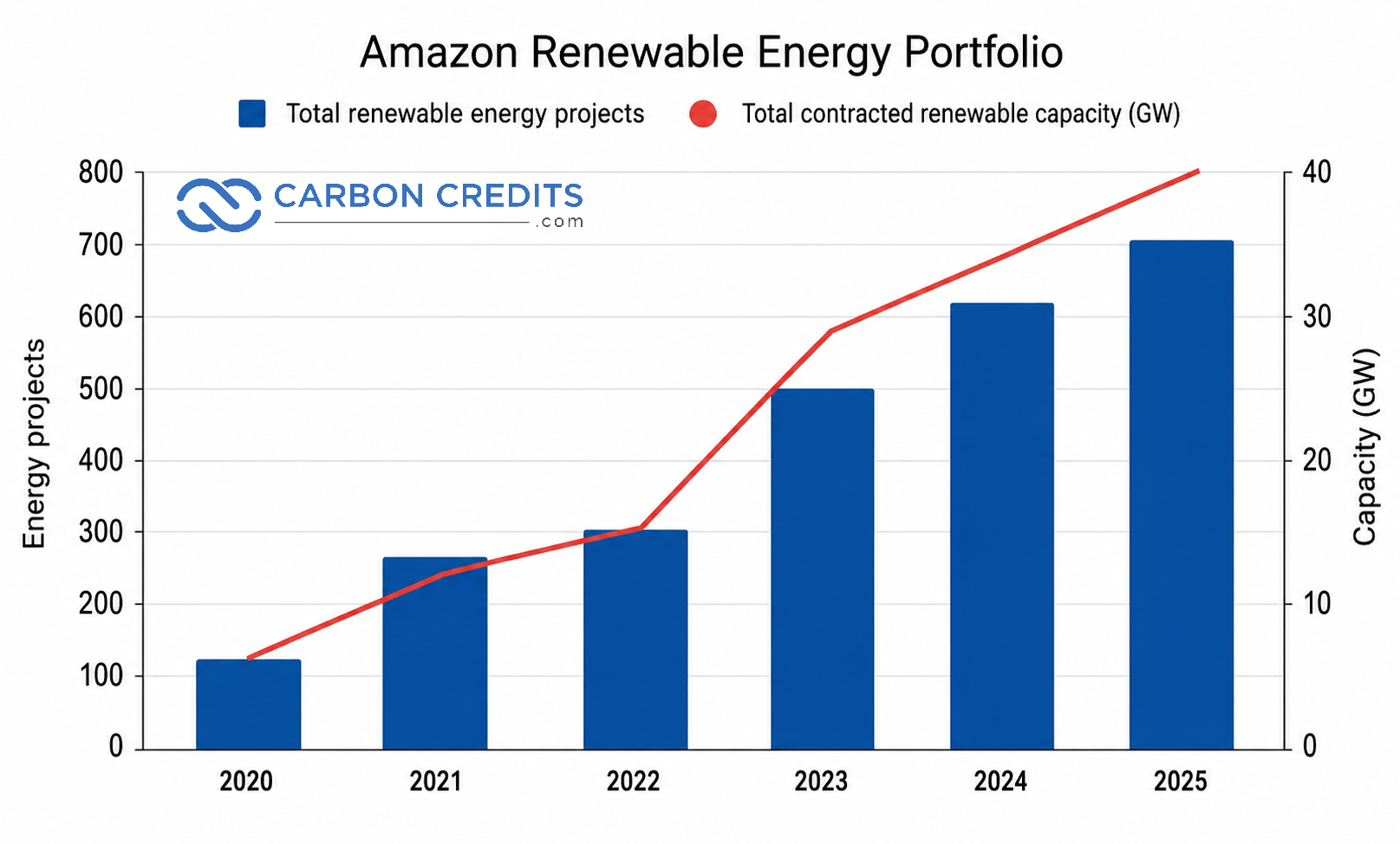
BloombergNEF ranked Amazon among the world’s largest corporate buyers of clean electricity in 2025. The company contracted roughly 10.22 GW of carbon-free energy capacity during the year alone.
The AWS company says these investments are designed to support both grid expansion and future AI infrastructure growth.
AI Is Driving a Massive New Wave of Electricity Demand
The Nevada announcement comes as Amazon aggressively expands its AI capabilities under CEO Andy Jassy. He said:
“I don’t think the world has ever seen a technology get this much adoption and grow this quickly… You can choose to howl at the wind, but AI is not going away.”
AWS remains one of the largest cloud computing platforms in the world. The company is investing a lot in generative AI systems, AI chips, and large data centers. This move is meant to compete with rivals like Microsoft, Google, and Meta Platforms.
That expansion is creating enormous new energy needs. The International Energy Agency estimates that global data centers consumed about 415 terawatt-hours (TWh) of electricity in 2024. The agency expects this figure to climb to nearly 945 TWh by 2030 as AI adoption accelerates.

Amazon is already redesigning data centers to handle the next generation of AI hardware. AWS started an internal project named “Titus.” Its goal is to boost power density, enhance cooling systems, and improve energy efficiency for AI tasks. This uses advanced chips from NVIDIA.
The company is also working to reduce build times for new AI facilities while increasing electricity capacity per site. This reflects a broader shift happening across the tech sector.
AI infrastructure is no longer limited by computing hardware alone. Electricity supply and grid access are becoming major competitive factors.
Amazon’s Climate Goals Face Pressure From AI Expansion
Amazon’s clean energy investments are also tied closely to its climate targets. The company co-founded “The Climate Pledge,” which commits it to reach net-zero carbon emissions by 2040. Below is the company’s progress on its carbon and energy targets:
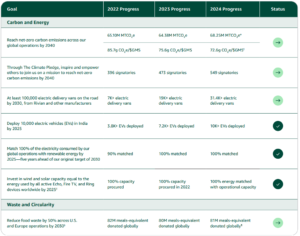
The tech firm met its goal of using 100% renewable energy for its electricity seven years early. It reached this target in 2023 instead of 2030. However, emissions remain a major challenge.
Amazon’s operational carbon emissions have increased significantly in recent years as AWS and AI infrastructure have expanded. A recent United Nations report showed that Amazon’s indirect operational emissions increased by about 182% from 2020 to 2023. This was the largest rise among major AI-focused tech companies studied.
The company has acknowledged that AI growth is making emissions reductions more difficult.
Amazon is investing a lot in different energy technologies. This includes solar, wind, geothermal, battery storage, and nuclear energy. The tech giant says carbon-free electricity investments help stabilize grids, support local infrastructure, and reduce long-term exposure to fossil fuel volatility.
The company is now focusing more on energy-efficient data center designs. They are also working on advanced cooling systems and flexible power architectures. This aims to reduce electricity use for each computing workload.
Geothermal, Nuclear, and the Rise of Baseload Clean Energy
The Nevada projects also show how technology companies are shifting toward more stable energy sources. Solar and wind remain important, but many AI operators now need electricity that can run continuously 24 hours a day. That is increasing interest in geothermal and nuclear energy.
Amazon has already invested in several nuclear-related initiatives tied to small modular reactor (SMR) development and nuclear-powered data center infrastructure.
Geothermal energy is now attracting similar attention because it can provide steady baseload electricity with low emissions. This matters because AI systems consume far more electricity than traditional cloud workloads. Large AI models require dense clusters of GPUs operating continuously, which increases both power and cooling needs.
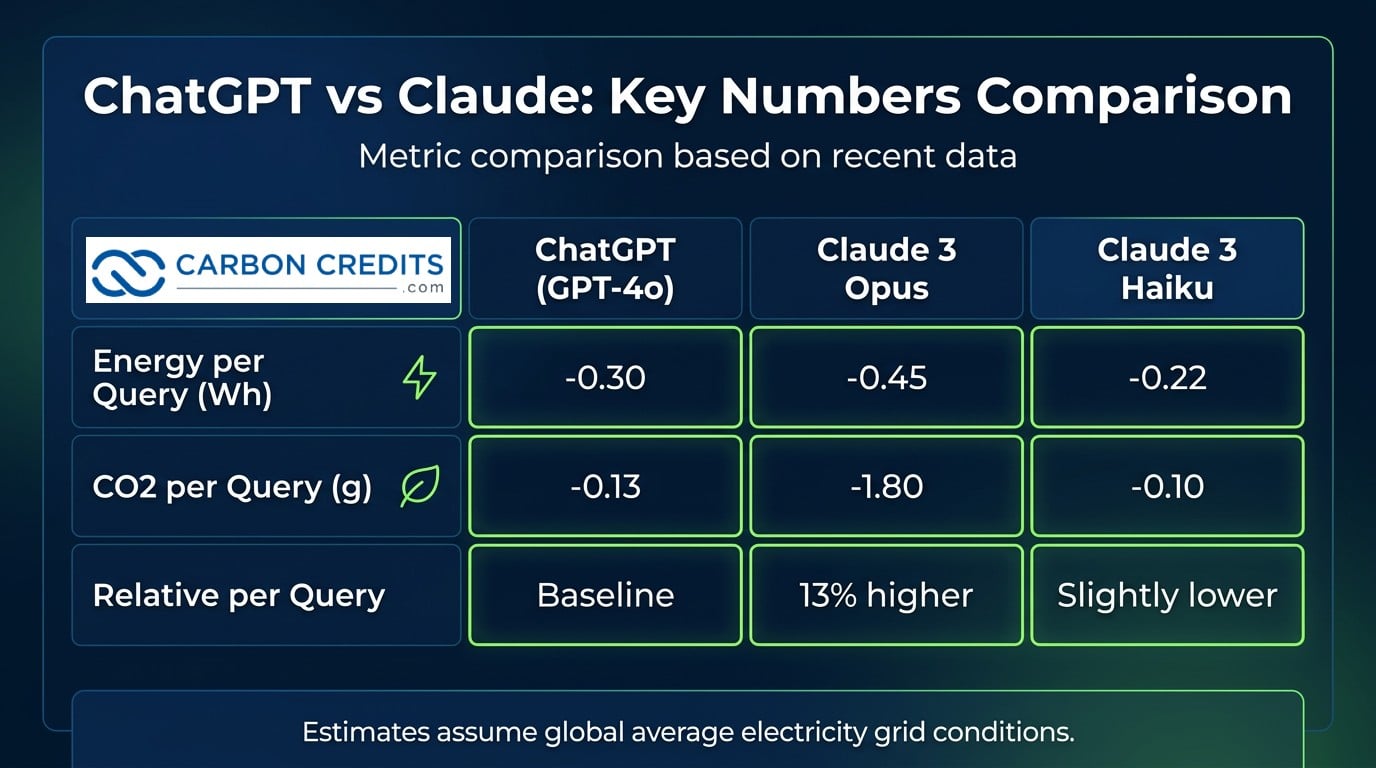
Industry analysts increasingly view firm carbon-free energy as one of the most valuable assets in the AI economy. As a result, technology companies are competing for more than just advanced chips. They also want access to a stable electricity infrastructure.
Orbital Data Centers Show How Far the AI Race Is Expanding
Amazon’s energy expansion comes as the broader AI industry explores even more ambitious infrastructure concepts. Reports recently revealed that Google has discussed orbital data center projects with SpaceX as companies search for long-term solutions to AI power constraints.
The concept involves placing solar-powered computing infrastructure in space to bypass terrestrial grid limitations. While orbital computing remains highly experimental, the discussions highlight how rapidly AI energy demand is growing.
Analysts estimate future AI infrastructure could require trillions of dollars in investment across:
- data centers,
- transmission systems,
- cooling technologies,
- battery storage, and
- power generation.
Many experts now see electricity infrastructure as one of the defining investment themes of the AI era.
AI Is Now an Energy Infrastructure Race
Amazon’s Nevada projects highlight a major shift happening across both the technology and energy sectors. As AI systems become larger and more power-intensive, access to reliable carbon-free electricity is becoming critical for future growth.
The broader industry now faces a difficult balancing act. Technology companies want to scale AI infrastructure rapidly, but they must also secure enough clean electricity to avoid significantly increasing emissions.
For Amazon and the wider tech sector, energy strategy is quickly becoming just as important as computing strategy itself.