

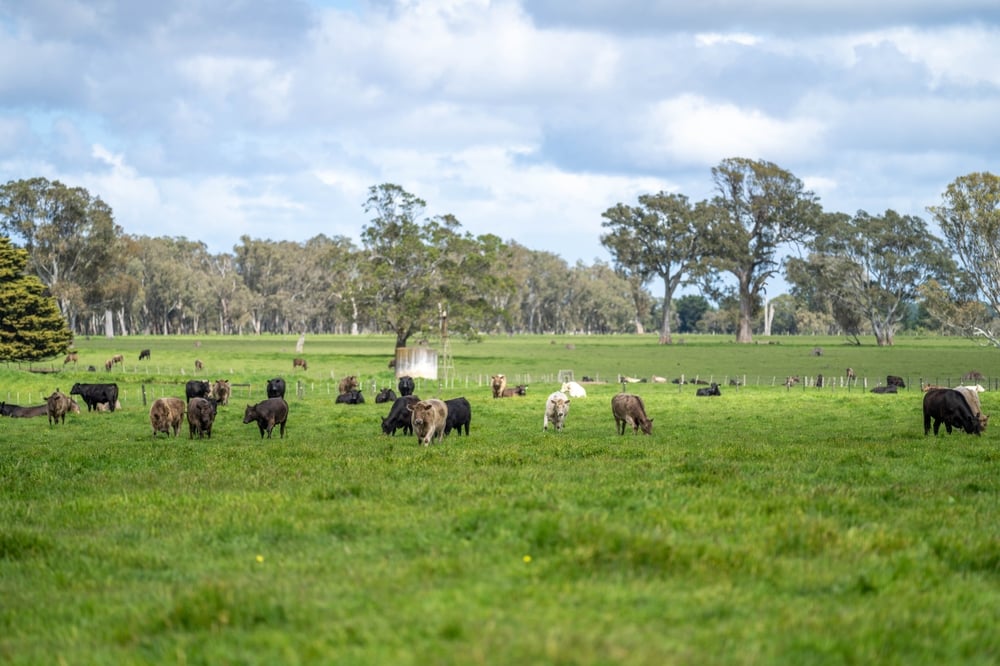
Google and McKinsey are backing a new carbon removal project in Brazil that aims to store carbon while keeping cattle farming productive. The deal could help bring a nature-based climate solution to a larger scale and create a new source of income for ranchers.
The two companies agreed to buy 320,000 metric tonnes of carbon removal credits over 10 years from a project developed by climate technology company Working Trees. The purchase is part of the Symbiosis Coalition, a group of major corporate buyers seeking long-term supplies of nature-based carbon removal credits.
The project will initially restore 8,700 hectares of degraded and partly degraded cattle pasture in Brazil’s southeastern Amazon and Cerrado regions. It forms part of a wider 50,000-hectare effort.
The approach is called silvopasture, which combines trees, pasture, and livestock on the same land. Trees absorb carbon as they grow, while cattle can continue grazing.
The agreement highlights a growing role for corporate carbon finance: helping projects secure money before they generate credits. Yet, the climate benefits will depend on how much carbon the project removes, how that removal is measured, and whether the carbon remains stored over time.
Julia Strong, Executive Director of Symbiosis Coalition, remarked:
“Silvopasture is one of the most underused tools we have for nature-based carbon removal, and what excites us about the Working Trees project is how much room there is to scale it. Working Trees’ project is sequestering carbon while also improving the land that communities rely on. That’s the kind of outcome we strive for at Symbiosis, real climate impact that supports the livelihoods of the communities this project touches while thinking holistically about landscape-level impacts that last.”
Silvopasture: How Trees and Cattle Can Share the Same Pasture
Traditional cattle pasture often has few trees. Silvopasture adds rows of trees to grazing land, allowing ranchers to keep cattle while increasing tree cover.
Working Trees says it combines native trees with commercial timber species and other trees suited to the land. The trees can absorb carbon, provide shade, improve soil conditions, and create additional income through timber sales. The company also says shade can reduce heat stress in cattle and help pastures cope with hot and dry conditions.
This matters in Brazil, where cattle farming is a major part of agriculture and land conversion is an important source of environmental pressure. Restoring degraded pasture could improve land productivity and reduce the need to clear additional areas for farming.
However, silvopasture is not the same as restoring a natural forest. The project must balance tree growth, grazing, and farm income. Its climate value will depend on the amount of carbon stored in trees and soil, minus relevant project emissions and any carbon losses.
Why the 320,000-Tonne Purchase Matters
The Google and McKinsey agreement gives Working Trees long-term buyers for a large share of its planned carbon removal. The companies have not publicly disclosed the purchase price or a detailed delivery schedule.
Long-term purchase agreements, often called offtake agreements, can help carbon project developers raise money and plan future work. Buyers agree to buy credits that meet specified requirements, often before all the credits have been generated.
This can help address some of the main barriers facing nature-based projects:
- the high upfront cost of planting trees,
- working with landowners, and
- monitoring results over many years.
Working Trees says it covers most implementation costs for participating farmers and provides technical support. That can lower the financial burden on ranchers who want to change how they manage their land.
The company reports that it has planted about 450,000 trees across 2,167 hectares with 18 partner farmers. It also reports interest from landowners covering 200,000 hectares. These are company-reported figures, not independently verified measures of carbon removal.
The new deal could help the company expand beyond its existing projects. Still, the 320,000 tonnes represent contracted carbon removal, not carbon already removed from the atmosphere.
Corporate Buyers Are Building a Larger Carbon Removal Market
The agreement is part of a wider push by companies to secure future carbon removal. Google, Microsoft, Meta, and Salesforce are among the companies involved in the Symbiosis Coalition. The group aims to contract more than 20 million tonnes of carbon credits by 2030, with a focus on nature-based carbon removal.
This demand can help developers secure funding for projects that take years to grow and deliver measurable results. Market data also show why nature-based removal matters.
A 2025 survey by CDR.fyi and Sylvera found that nature-based carbon removal was much larger than durable carbon removal in terms of credits retired in 2024:
- About 11 million nature-based credits compared with roughly 200,000 durable removal credits.
Nature-based projects can often be deployed across large areas, but they face risks such as fires, drought, pests, and changes in land use. Durable removal methods, such as direct air capture with storage, can offer longer-lasting storage but often have higher costs and greater energy needs.
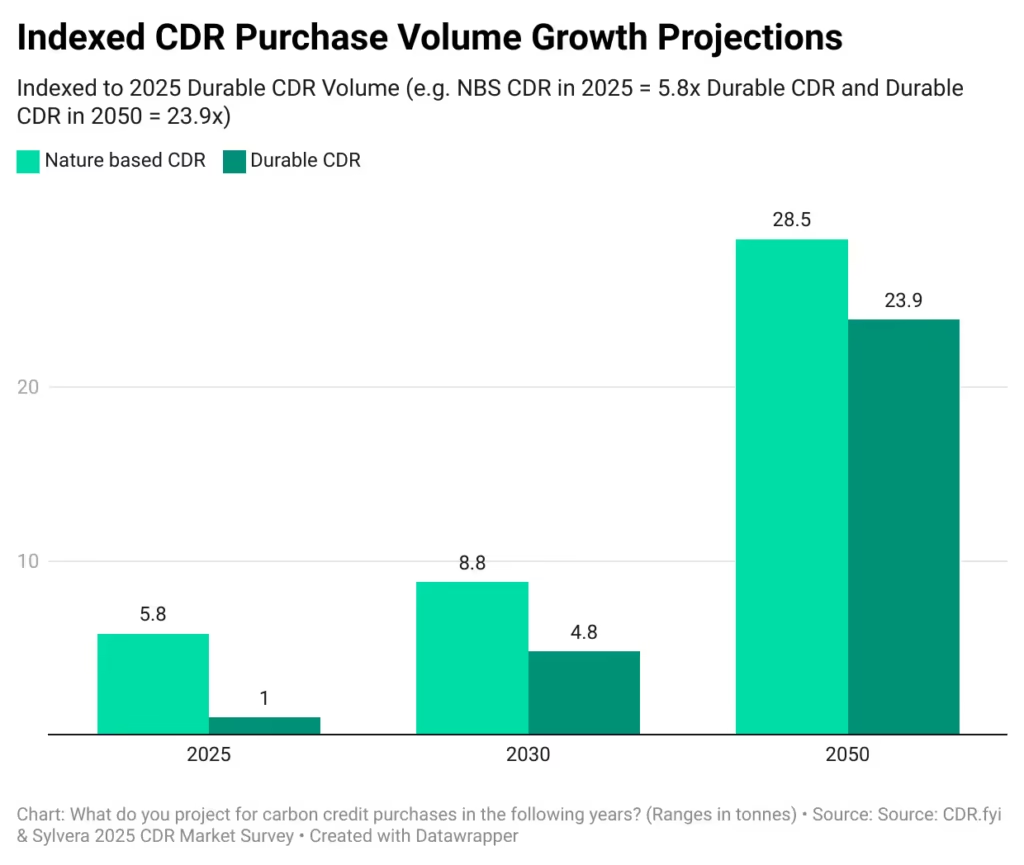
The two approaches serve different roles. This Brazilian deal shows how corporate buyers are helping build a supply of nature-based removal credits while seeking projects that can expand over time.
Brazil’s Carbon Market Adds Another Layer to the Investment Opportunity
Brazil has major potential for land-based climate projects because of its large agricultural sector, forests, and areas of degraded pasture.
McKinsey has estimated that Brazil could become a major global supplier of carbon removal credits. Its analysis points to restoration of degraded pasture, reduced deforestation, and improved land management as important opportunities. These are estimates of potential, not guaranteed future credit supply.
The country is also building a regulated carbon market. In December 2024, Brazil passed Law No. 15,042, which created the Brazilian Greenhouse Gas Emissions Trading System, known as the SBCE. The government is now working on the rules, governance, monitoring systems, and registry needed to implement it.
The Working Trees deal is a voluntary carbon removal agreement, not a transaction under the new regulated system. Even so, the wider policy effort could shape how carbon projects are measured and how buyers assess credits in Brazil.
For developers, a clearer market framework could support investment. For buyers, the challenge will remain to distinguish credible carbon removal from credits that overstate their climate benefits.
Carbon Quality Will Determine the Project’s Long-Term Value
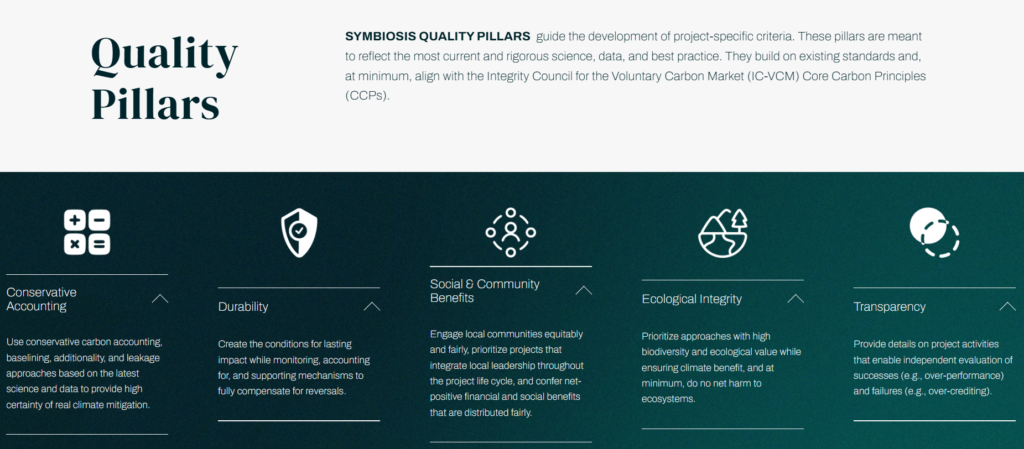
The deal’s scale is important, but the project’s credibility will depend on how it measures and verifies carbon removal.
Tree growth can be measured over time, but carbon projects must also account for what would have happened without the project. They need to show that the activity creates additional climate benefits rather than simply paying for changes that were already planned.
Projects must also manage the risk of reversal. Trees can burn, die, or be cut down, releasing stored carbon. Soil carbon can also change with land management. Long-term monitoring and clear rules for handling carbon losses are therefore essential.
Working Trees says future timber revenue is part of its model. Whether that income is enough to support long-term maintenance remains to be demonstrated at scale.
Can Corporate Carbon Finance Help Silvopasture Scale?
Google and McKinsey’s 320,000-tonne purchase gives Working Trees long-term demand for carbon removal credits and supports the initial restoration of 8,700 hectares of Brazilian pasture.
The project offers a model that links carbon finance with continued cattle production, tree growth, and potential timber income. If it performs as planned, it could help show how degraded land can support both farming and carbon removal.
But the deal is not proof that all the expected carbon has been removed. The project must still deliver its planned work, measure results, and manage risks over time.
For the carbon market, the key test is whether long-term corporate purchases can turn promising land-based projects into verified, lasting carbon removal while creating lasting value for farmers.