The company also provides solutions that bring capital to carbon removal and reduction projects across the globe.
Macquarie’s investment in EP Carbon, a US-based carbon offset consultancy firm, seeks to drive climate solutions.
Supporting the Growth of Voluntary Carbon Credits
Macquarie’s investment comes as demand for carbon offset projects is seen to rise even more over the next several years. This is due to the growing corporate pledges to reach net zero emissions.
Companies consider carbon credits, also known as carbon offsets in the voluntary carbon market, as a bridge to reducing their absolute emissions.
Offsets also provide near-term solutions to emissions that are difficult to avoid.
And this is where EP Carbon comes in to deliver those solutions. The firm advises on the feasibility and design of nature-based carbon offset projects.
It also provides leading technical advice in the space including assistance with:
geospatial analysis,
project risk mitigation, and
capacity-building for project implementation.
EP Carbon focuses on forest conservation projects. These projects reduce carbon emissions from forests through sustainable conservation and restoration activities.
The company uses carbon markets to monetize the avoided emissions through healthy forests. Carbon credits fund their conservation efforts while providing a long-term source of revenue.
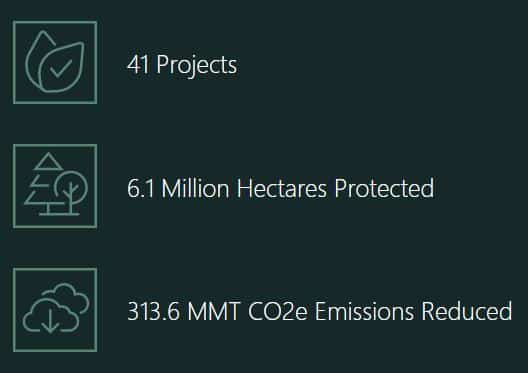
To date, EP Carbon has the following achievements:
Examples of carbon offset projects that EP Carbon support include:
Speaking for the partnership with Macquarie, Managing Director of EP Carbon Sam Frankel remarked that:
“EP Carbon is a passionate team of foresters, environmental scientists and international development professionals… We’re excited to combine our tested expertise building the highest quality nature-based carbon projects with Macquarie’s comprehensive market insight and global reach…”
He also said that the investment will help them serve more projects, and deliver more climate impact while improving livelihoods.
EP Carbon will use the proceeds from Macquarie’s investment to develop its technology suite further, hire and train carbon technical experts, and fund its new “Toll” service plan.
Driving Climate Solutions
How much Macquarie invests in EP Carbon is not disclosed. But the infusion of capital will help increase access to climate finance.
According to Erik Petersson, the Head of Macquarie’s Global Carbon:
“As a trusted name in the industry, our investment will also deepen the technical decarbonization expertise Macquarie provides its clients as the global energy transition accelerates…”
Macquarie has a proven track record in low-carbon global transition, developing innovative solutions in carbon and emissions.
Its newly formed Global Carbon business will focus on the growing voluntary and emerging carbon markets. It offers a full suite of market-leading investment, supply, and risk management solutions in carbon markets.
In line with companies’ climate commitments, Macquarie invests in carbon reduction and removal projects to help grow the market and drive more climate action.
Its global platform will help EP Carbon deliver a range of services to carbon offset projects around the world.
Macquarie Global Carbon and EP Carbon will work closely together to establish a pipeline of high-quality carbon offsets.
Holcim and Bloomberg Media Studios together created the Circular Cities Barometer – a proprietary algorithm that measures how quick global cities transition from a linear to a circular economy.
Cities release over 60% of the world’s greenhouse gas emissions, according to the United Nations. But they are also important actors in fighting climate change by adopting a circular economy.
Compared with a linear economy that works around taking, making, and wasting, a circular economy applies the approach of reducing, reusing, and recycling.
The Circular Cities Barometer
To track which cities are circular, the Circular Cities Barometer is using a dozen circularity indicators under four categories.
Buildings,
Systems,
Living, and
Leadership
Circular Buildings
As per the International Energy Agency, buildings produce about 40% of annual global CO2 emissions. This is why building cities needs a circular approach to construction.
Under this category are three indicators, namely:
Energy Efficiency: The intensity of energy use of a city’s buildings.
Urban Temperature: How much higher a city’s temperatures are in comparison to surrounding areas.
Building Certification: How many of a city’s buildings are certified as green.
Circular Systems
The U.S. recycling industry processes ~130 million tons of recyclables each year, according to the Bureau of International Recycling. Metrics that monitor the circularity of a city’s systems include:
Renewable Energy Consumption: How much of a city’s energy is sourced from renewables.
Solid Waste Recycling: How much of a city’s solid waste is diverted from landfills and incineration.
Water Recycling: How much of a city’s wastewater is safely treated.
Circular Living
Right now, there are around 4 billion people living in cities. And according to the UN estimates, plus 2.5 billion people will live in urban areas by 2050, making it 6.5 billion in all.
Measuring the circularity of urban living takes into account the following indicators:
Green Space: How much of a city has trees and greenery.
Transport: How much of a city is within walking distance of public transit.
Sharing Economy: How many bike-, e-bike- and scooter-sharing programs exist in a city.
Circular Leadership
Over a thousand cities around the world committed to achieve net zero emissions by 2050. The following metrics measure leadership in the urban areas:
The Paris Agreement: Whether a city committed to measures to limit warming to 1.5℃.
Policies and Roadmaps: How many commitments and achievements a city has made in the transition to a circular economy.
Investment: A city’s financial incentives to adopt renewable energy for transport and buildings.
The City of Seattle
Seattle is the U.S. 15th largest city that outscored other metro areas within the Circular Cities Barometer. It earned the number 1 spot among the 25 cities with a score of 100.
That’s partly due to the fact that the city has been dealing with circularity much longer since 1988. The city has a lofty goal to achieve a 60% recycling rate.
While Seattle failed to hit that target within the set deadline, it was still able to go beyond the 50% national recycling rate required by the federal government in 2021.
Moreover, Washington State’s clean energy legislation in 2019 placed Seattle on a path toward 100% carbon neutrality by 2030. The bill also called for utility firms to get rid of coal energy or fossil fuels by 2025.
More remarkably, the city itself plans to reach net zero by 2050 and drive climate action toward these three major areas:
Net zero emission buildings,
Zero emission transportation, and
Clean energy economic opportunities
Seattle has a robust and popular public transportation system that contributes to its circularity. Add to this the city’s plan to have more green spaces that attract walking and reduce temperatures.
In fact, the King County where Seattle is the seat unveiled its aim to plant 3 million new trees by 2025 and conserve over 6,000 acres of forest. Part of the plan is acquiring new green spaces like the Glendale Forest
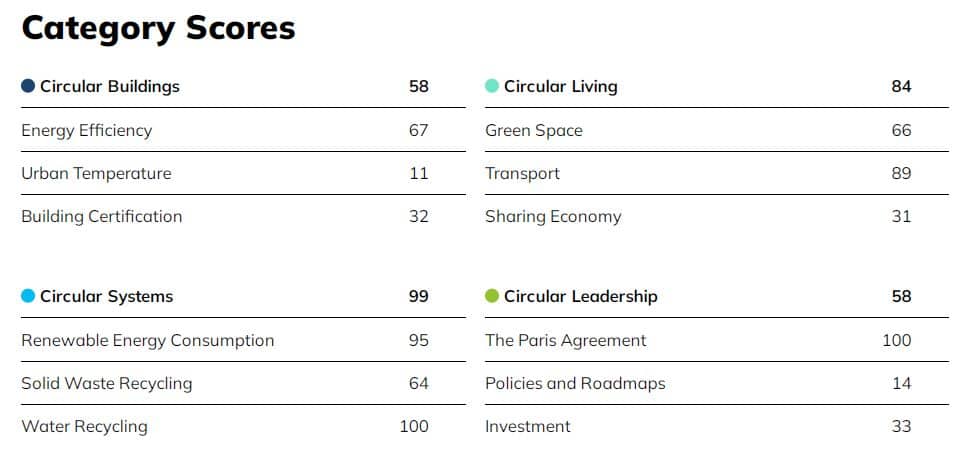
At a glance, here’s how the top 1 circular city performs under the Barometer scoring criteria.
The top 25 cities were from 100 cities worldwide, representing all global regions.
The data for each indicator was normalized in a way that make the comparison “apples to apples.” They are the basis to score each city from 0 to 100 for each of the 12 indicators, each category, and overall circularity.
The carbon credits produced by ERW projects are called carbon dioxide removal certificates (CORCs). They’re tradable digital asset representing a ton of carbon removed from the air.
What is Enhanced Rock Weathering?
Natural rock weathering is a process that takes several millennia to complete. And so ERW comes in to fast track the slow process during which CO2 reacts with rocks.
Enhanced Rock Weathering is a way of geochemically sequestering CO2 through natural rock chemical reactions. It aims to permanently remove CO2 from the atmosphere.
This carbon removal technique optimize weathering reactions via three ways:
Selecting the most reactive rock types,
Increasing the surface area of the rock, and
Applying rocks to optimal soils and climatic conditions.
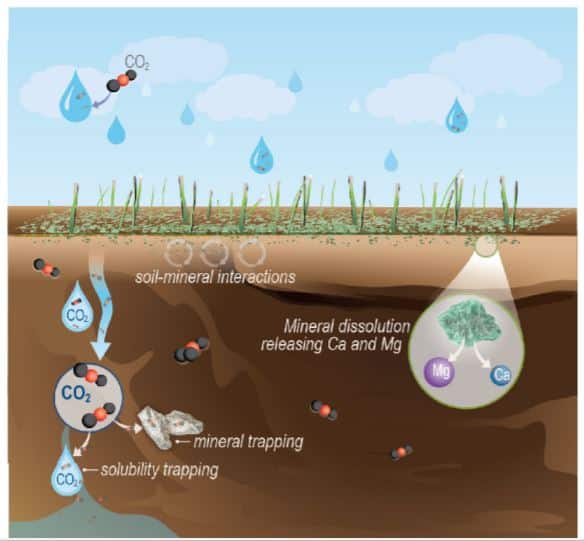
In particular, silicate weathering starts with the reaction between water, CO2 and silicate rocks. CO2 is then removed from the air and converted to bicarbonates or carbonates.
Rocks used for ERW are from the Earth’s crust such as peridotite, basalt, feldspars, among many others.
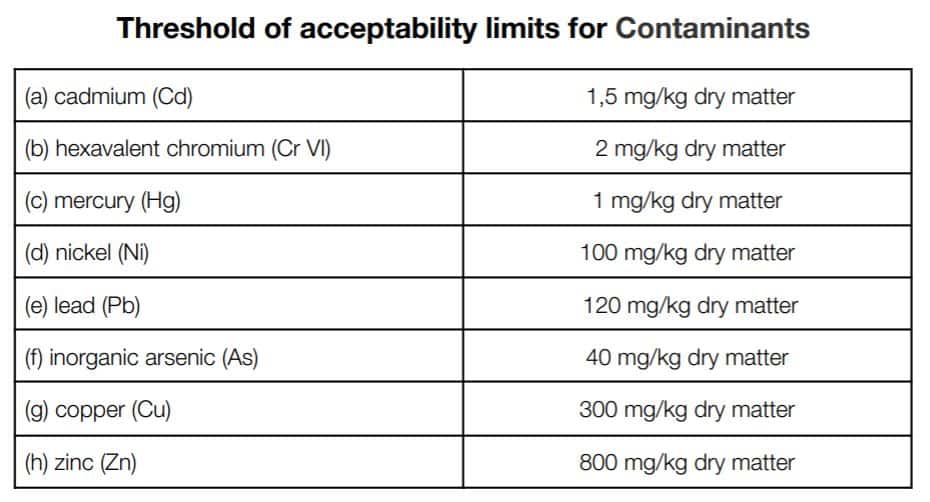
Puro.earth enhanced rock weathering protocol doesn’t specify or exclude rock types. But it sets limits on acceptable levels of the rock’s toxicity.
ERW as a Carbon Removal Method
ERW is one of the two main types of “carbon mineralization” – a process that turns CO2 into a solid mineral.
The other type involves injecting CO2 deep down the underground where it will be stored for good.
ERW involves finely grinding down rocks to boost their surface area and spreading them over soil. This results in permanent storage of CO2 for over 10,000 years.
As a carbon removal method, ERW offers the following key benefits:
Mineral resources – rock types and application surfaces – are abundant across the globe.
Rock mining, grinding, and spreading are established technologies.
ERW is among the most permanent forms of CO2 removal, with little risks of reversibility.
ERW offers several positive co-benefits in agriculture. For example, enhance agronomic productivity, reduce fertilizer use, and water retention.
Residual rocks from other processes such as mining are useful for ERW approaches to CO2 removal.
But at that time, there’s no framework yet for carbon credits using ERW. Neither Verra nor any other 3rd party carbon standards has it in place.
Enter Puro.earth’s ERW framework…
The ERW process is applicable in terrestrial (soils), coastal and aquatic environments.
But the enhanced rock weathering methodology of Puro.earth considers only the terrestrial or land-based application. It doesn’t cover coastal and aquatic areas.
Under the registry’s Puro Standard, weathering in controlled conditions to produce carbonated material falls under its Carbonated Building Material methodology.
Puro.earth’s ERW methodology is a product of a working group of scientific and carbon market experts. They oversee the registry’s CO2 removal protocols.
The team also ensures high carbon credit integrity and science-based principles for the standard.
Moreover, the group has set safeguards and quantification approaches aligned with the latest science. This is to ensure little to no environmental impact, which is vital to promoting ERW to the public.
More importantly, the protocol sets strict thresholds for toxicity levels of the rock in accordance with the EU regulation for inorganic soil improvers shown in the table.
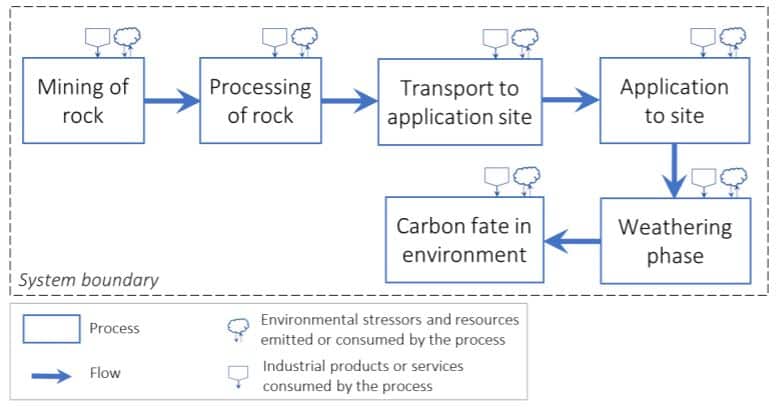
It also requires ERW projects to perform laboratory tests of soil samples to create baselines. Here’s a diagram showing the general processes involved in an ERW project.
With all the safeguards in place, Puro.earth thinks that projects can be designed and implemented safely. The collected data will eventually help improve the framework.
The public consultation period will be open until October 17, 2022.
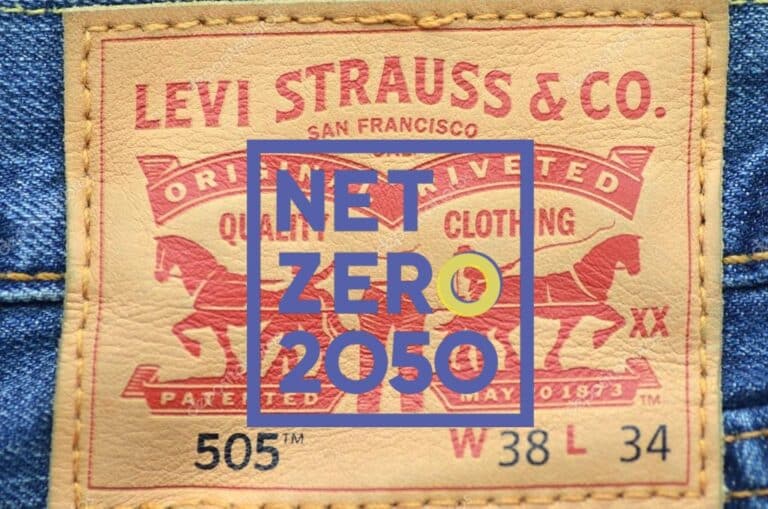
Levi Strauss showed its commitment to achieve net zero emissions by 2050 under its new slate of sustainability goals detailed in its 2021 Sustainability report.
There are 16 sustainability goals that the giant apparel brand is focusing on under three major pillars – climate, consumption, and community.
Commenting on the company’s goals, CEO and President Chip Bergh said that:
“These goals are crucial to the future of our business… By doubling down on sustainability and ESG reporting at Levi Strauss & Co., we are committed to being transparent about our progress on ESG matters and working to address the most pressing challenges of our time…”
A big part of Levi’s goals is to reduce its greenhouse gas emissions and achieve net zero by 2050.
Levi’s Net Zero Goal by 2050
In tackling climate change, the company pledges to face it head-on. Levi’s stated in its report that:
“Reducing our climate footprint across our value chain and galvanizing others for collective action are top priorities… This includes reducing energy use and emissions as well as innovating to reduce freshwater use in our own operations and our supply chain — while striving to protect and restore biodiversity…”
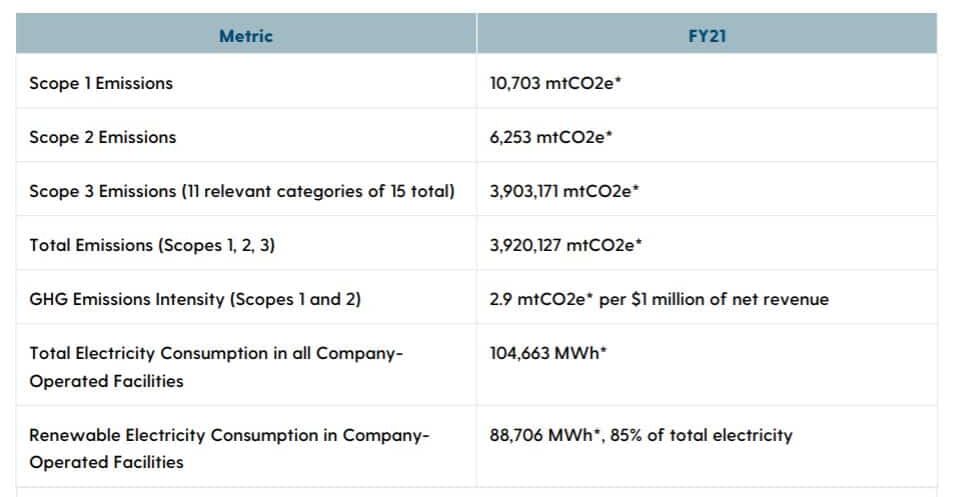
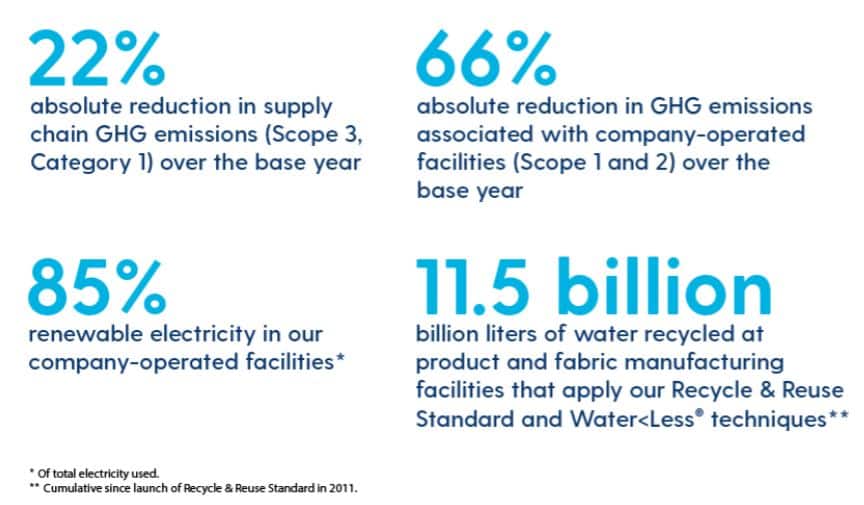
As of 2021, the apparel firm has the following footprint:
The company seeks to reach its net zero ambition by reducing absolute emissions in all its facilities through these levers:
energy reductions,
efficiency,
onsite renewable energy, and
energy attribute credits.
Its operated facilities include 1,083 retail stores in 37 countries and about 80 offices.
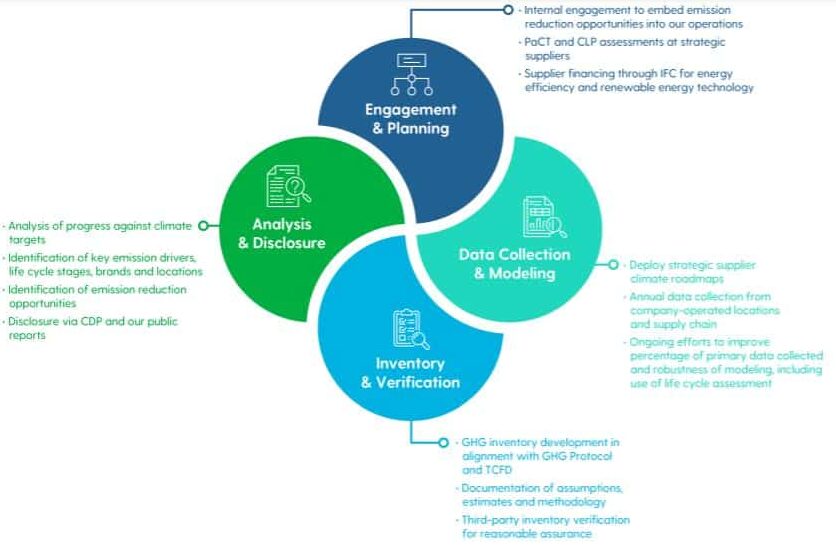
To cut down emissions, the company takes on these climate action strategies.
Such climate action targets are absolute rather than compared to net revenues, size or other economic metrics.
Levi’s Climate Goals
Levi’s also detailed its other sustainability goals apart from net zero emissions under the climate pillar. These particularly include the following climate goals against their 2016 baseline:
90% absolute reduction in GHG emissions associated with all company-operated facilities by 2025
100% renewable electricity in all company-operated facilities by 2025
Reduce freshwater use in manufacturing by 50% in areas of high water stress by 2025 against the 2018 baseline
Continue to assess and identify material impacts and dependencies on nature across the value chain to implement a comprehensive biodiversity action strategy by 2025
Levi’s plans to submit those goals to SBTi and get its approval in 2023.
2021 Climate Highlights
As of 2021, the San Francisco-based firm was able to achieve 85% renewable electricity use at its company-operated facilities. This is on track to its path towards 100% by 2025.
Electricity makes up 68% of the total Levi’s company-operated energy footprint. So reaching its goal of 100% renewable electricity will significantly reduce the firm’s total emissions.
Here are the other key progress that the firm has accomplished under its near-term climate goals.
In addition, as a crucial part of its energy efficiency measure, Levi’s managed to have the following achievements.
Used a solar power array to meet 20% of electrical demand at its Leadership in Energy and Environmental Design (LEED) Platinum-certified distribution center in Nevada.
Development of a new distribution center in Germany with Platinum-level LEED design and Platinum-level WELL certification following the circular design principles.
Incorporated LEED principles for energy, waste management, indoor air quality and water use.
The company was also able to make progress in reducing its absolute emissions through various means.
Shipped products using biofuels with net zero carbon emissions (Maersk ECO Delivery)
Worked with key suppliers in creating roadmaps detailing climate and water targets and identify solutions
Encouraged supplier participation in company programs that promote low carbon solutions
One theme that cuts across all Levi’s sustainability goals is the need for increased partnership across sectors to fight climate change.
In fact, the company is aligning with other brands to work with manufacturing partners and other organizations on climate solutions, be it directly cutting emissions or resorting to carbon offsets.
And so over the past months, Levi’s has been collaborating with partners like Fashion for Good, the Ellen MacArthur Foundation, and Organic Cotton Accelerator to help bring the apparel industry toward more sustainable, circular production.
The Canadian Bank of Montreal or BMO recently released its report on the voluntary carbon market (VCM), providing an in-depth overview of market growth potential and complexity.
BMO Capital Markets believes that the VCM is slated for impressive growth. But that will be predicated on VCM’s ability to deliver high-integrity carbon credits.
Here are the four key takeaways from the report.
BMO Voluntary Carbon Market Projections
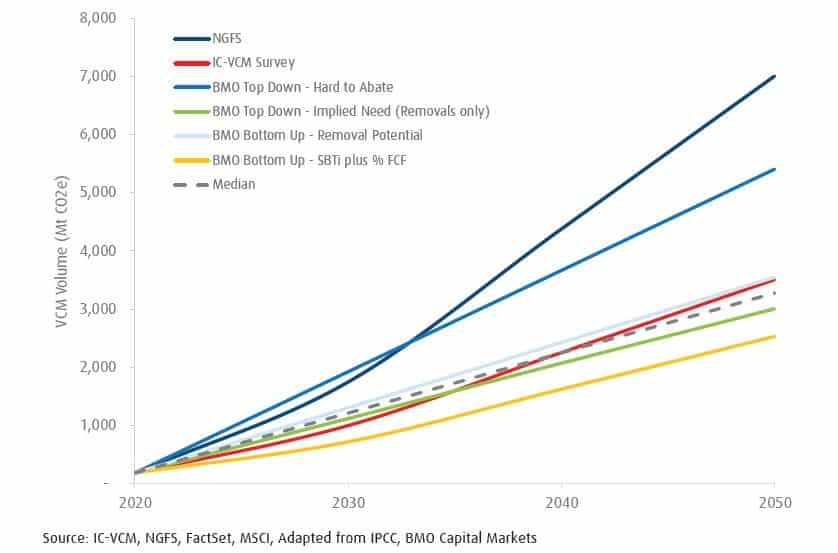
As per BMO’s projections, the banking giant sees the potential growth of the VCM to reach 6.5x by 2030 and 17.4x by 2050, relative to 2020 VCM total traded volumes.
That also means the VCM can hit an annual volume of ~1.2 GT CO2e by 2030 and 3.3 GT CO2e by 2050.
This projection is based on the median of BMO’s four scenario analyses described below.
BMO VCM Growth Projections
Top-Down Growth Scenarios
Hard to Abate Emissions: This scenario was from “hard-to-abate” global emissions where offsetting is strictly reserved for.
BMO considers emissions hard to abate if the abatement cost is above US$200/T of CO2e or ~18 GT of CO2e per year. Three major sectoral emitters fall under this scenario:
Energy,
Industry, and
Transport.
Implied Need, Removals Only: This BMO top-down scenario reflects how much CO2 must be removed to meet climate goals.
To stay within the 2°C carbon budget, BMO estimates that collective efforts must remove more than 110 GT CO2. This is under an assumption that VCM will get 30% carbon market share.
Bottom-up Growth Scenarios
SBTi limits: This scenario is based on a corporate offsetting limit of 10% to hit emissions targets.
The assumption under this scenario is that public firms have net zero targets for scope 1 but excluding scope 2 emissions.
Also, BMO assumes that offset price will rise over time, so the implied growth is ~4x by 2030 and ~14x by 2050.
Removal Potential: Under this bottom-up growth situation, BMO assumes that each carbon removal reaches the lower bound of their potential.
Applying 30% penetration rate, BMO projects voluntary carbon market growth of ~7x by 2030 and ~19x by 2050.
Overall, market volatility will have a negative effect on price and trade volumes of carbon credits or offsets.
Carbon Removal Offsets Are Necessary
Market based solutions, particularly the ones that promote carbon removals, become increasingly necessary.
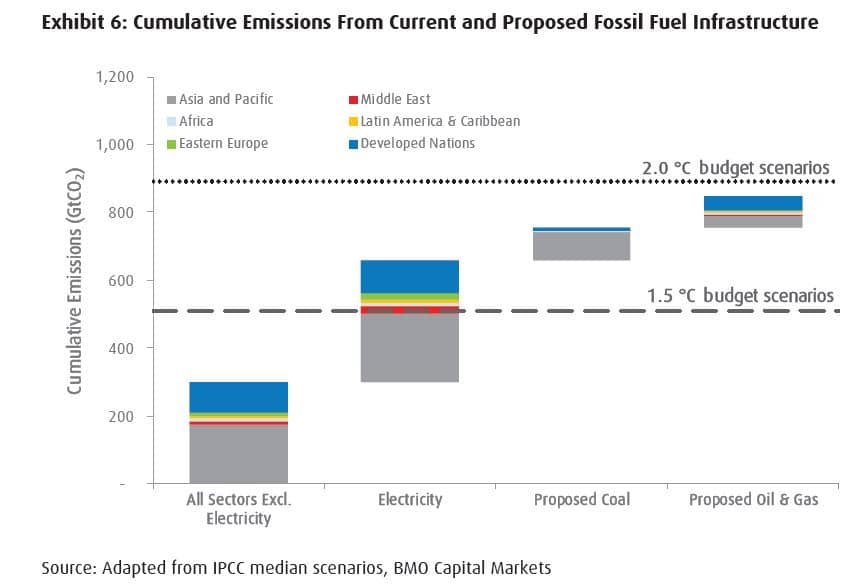
As governments are slow to enact climate policies, total emissions continue to increase. And current projections say that they will go beyond the budget needed to limit warming to 2°C.
Hence, it’s clear that climate finance is crucial to combine fossil fuel infrastructure with abatement technologies.
Carbon offsetting solutions are efficient even for projects that represent near-term reductions.
In particular, carbon removal technologies must be deployed to meet global climate goals. This also calls for investment in these technologies in the near-term.
As per BMO’s analysis, the highest quality carbon offset credits come from removal projects. Direct air capture scores best when it comes to meeting a set of criteria including:
Additionality,
Permanence,
Net negativity, and
Tradeoffs
Correlation Between Pricing and Credit Quality
Right now, the VCM is opaque with most credits trading over-the-counter. As such, price discovery and transparency are a challenge.
Credit quality and price should be directly correlated according to BMO.
The firm also believes that credits not listed on one of the top carbon registries such as Verra, Gold Standard, Climate Action Reserve, and American Carbon Registry are challenged from a quality perspective.
That’s because investors likely don’t have the level of information or sophistication to evaluate a project absent from a top registry.
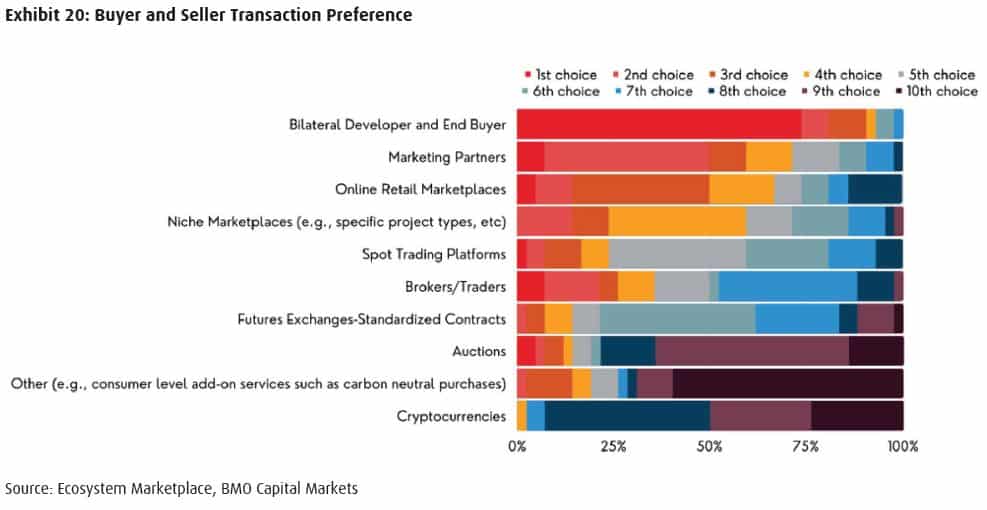
Quality projects are sought after and their credits mostly trade through bilateral agreements. They’re the ones that get premium pricing.
Evidently, direct, bilateral transactions for offsets remained the top choice for buyers and sellers.
As carbon exchanges provide the most transparent pricing data, transaction preference impacts market transparency.
Prices from exchanges don’t represent the market as a whole. But their movements may offer context on price momentum in the VCM.
With all these, investors must consider pricing transparency alongside the quality of carbon credits.
Corporate Offsetting Guidelines Shape the VCM
Offsetting in corporate decarbonization plans will be a key driver of demand growth in the VCM. But there are very few offsetting standards that guide net zero pursuit.
BMO examined offsetting strategies among the 2,000 largest public firms. They found little consistency across their decarbonization plans.
Due to inconsistency in net zero definitions, there are various categories for emissions reduction commitments from companies. In fact, the Net Zero Tracker identifies 14 different categories.
By industry, apparel took the #1 spot with 100% of companies having emissions reduction pledges.
When it comes to disclosed detailed decarbonization plans, BMO said that firms with no targets have a low level of reduction planning, as expected.
Microsoft has one of the more detailed disclosures on its offsetting strategy and portfolio. The tech giant discloses carbon credit quality criteria and its offset purchases.
The company further documents offsets by:
supplier,
project name,
location,
type,
certifier,
contracted durability, and
contracted volume.
BMO finds Microsoft’s example as a sophisticated and transparent offset disclosure. And more firms will have the same detailed reporting as education enhances and disclosure guidelines improve.
Overall, there are only a few official offsetting guidelines. These include the VCMI, SBTi, and the Oxford Principles.
While that’s the case, BMO thinks that there’s a growing agreement on ways of best practice that will affect offsets demand and shape the voluntary carbon market.
Entities that are not using carbon offsets properly may be at risk of reputational damage.
As firms around the world are tackling climate change, Twelve is offering a solution through its carbon transformation tech which turns CO2 into products usually made from fossil fuels.
Using fossil fuel-derived oil to create products is not cheap, but what if it’s possible to make products using air instead of fossil fuels?
California-based Twelve is a carbon transformation company that’s shaking up the status quo of making products. Ranging from Mercedes car parts to equipment for NASA, the startup makes them using CO2.
Twelve’s Carbon Transformation Technology
To describe how the technology works, the director of product ecosystems Heidi Lim said:
“Our technology transforms carbon dioxide and water molecules using renewable energy. We split up and then rearrange molecules into building blocks that are usually made from fossil fuels.”
Products that rely on petrochemicals for assembly vary. According to the International Energy Agency, they include:
plastics,
fertilizers,
packaging,
clothing,
digital devices,
medical equipment,
detergents, and
tires.
With Twelve’s carbon transformation technology, an electrochemical reactor named Opus was built that cuts fossil fuels out of the process completely. The company calls this “industrial photosynthesis“.
It’s the same as what plants do during photosynthesis; Opus takes water and CO2, and using renewable energy, it changes them into new chemicals, materials, or fuels.
Inside the reactor, the electricity separates the CO2 and water. Then the membrane allows the separated elements to be recombined and make different chemicals.
The reactor is modular in design so that it can be installed in any industrial system. Better yet, the reactors system is made with a “plug-n-play” design.
It can be integrated into existing industrial systems easy and fast. Plus, the process can be done using CO2 from the point of emissions or direct air capture.
According to Twelve, they can cut up to 10% of global emissions through Opus.
And that’s possible by transforming existing supply chains from running on fossil fuels to running on CO2.
CO2Made Products
The firm’s commercial products are called CO2Made. These include the fashion brand Pangaia sunglasses, Mercedes car parts, Tide detergents, and carbon-neutral fuels among others.
According to CEO Nicholas Flanders, Twelve produces “building blocks for a wide range of materials, chemicals, and fuels that are currently made from fossil fuels today.”
He also claims that the CO2Made products have no change in quality compared to the ones they replace.
Apart from making CO2Made items, the firm is also working on another innovation – E-jet. It’s a jet fuel with 90% lower emissions than conventional jet fuel and works with current engines.
After announcing a $130 million Series B funding round last June, Twelve sets to ramp up its industrial-scale carbon transformation platform.
Some big names support the firm’s unique technology. Mercedes-Benz, NASA, Shopify, Procter & Gamble, and the Air Force partnered with Twelve to make CO2Made products.
Speaking for Procter & Gamble, Todd Cline remarked that:
“Delivering low-carbon products consumers desire will require scaling innovative solutions such as Twelve’s carbon transformation technology… We’re glad to see Twelve given the opportunity to expand their opportunity to impact a broad variety of sustainable consumer products enabled by their technology.”
The company also sees opportunities for working with firms already capturing and storing CO2 emissions. Popular names are Global Thermostat and Shell.
The carbon transformation tech of Twelve has the potential to turn CO2 from a harmful waste stream into useful products.
The carbon firm is currently taking pre-orders for its CO2Made materials and E-Jet.
Reducing carbon emissions is one of the most critical issues facing individuals and governments today. This is evident through a focus on ESG investing while governments create a cost through carbon credits to account for climate impact.
Many ESG investors place significant focus on the environmental component and opt to get rid of environmental polluters from their portfolio.
Instead, they choose to invest in businesses working to cut dependence on fossil fuels.
In the meantime, governments limit carbon emissions of firms through carbon credits. But these credits can also be used as a source of revenue.
So, what are carbon credits and how do they become the new currency of ESG investing to meet environmental regulation?
This article will answer this question by explaining ESG investing and what role carbon credits have in this investment realm.
The Changing Environment of ESG Investing
It’s now widely recognized that non-financial factors can inform investors about business performance. And so, there’s growing interest in the significance of ESG topics in the investment world.
Also, businesses today are impacted by climate change, disrupting operations and supply chains. More notably, climate change also affects markets and demands.
As a result, markets are adapting to climate change and every business has to respond to it. Otherwise, it becomes both an operational and commercial risk.
So investors have a role to play in ensuring that companies manage climate risks responsibly.
This change is impacting investment strategy as investors shift from risk aware investments to opportunity aware investments.
More and more of them are looking to invest in sectors that benefit from climate change. And most notably, the majority of them show an interest in putting their money in sustainability-focused strategies.
The sustainability boom resulted in trillions of dollars through ESG funds.
Businesses can leverage this changing trend by showing a robust climate strategy through their ESG reports.
This change is quite new, but it becomes mainstream so quickly. This could be due to evidence that climate-aware investing strategies like ESG produce good results.
The evolution of ESG mirrors the change in how people perceive climate change, too.
In recent years, ESG policies moved from a simple principle of doing no harm to having a positive impact on the company’s bottom line.
Add to this the increasing need for transparent and robust ESG reporting. This is driven by regulation such as the case of the Green Deal as the EU’s reporting directive.
Firms that adhere to reporting requirements tend to gain good sustainability ratings. In turn, their investment results tend to be also higher than companies with weak reporting standards and poor ratings.
But policy aside, stakeholders are also putting greater pressure on companies to get more information on their ESG performance.
This further prompts firms to have more robust ESG strategies. They communicate these to their employees, investors, and customers.
Finally, securing sustainable funding is another key factor that drives companies to differentiate themselves via ESG investing.
Investors are now favoring ESG performance as a proxy for good management.
In fact, the big four firms – PwC, Deloitte, EY, and KPMG – hope that ESG is key to rebuilding consumer trust after many scandals and multi-million-dollar payouts.
Hence, companies that can demonstrate strength on ESG may secure better financial support and results.
And this changing landscape in ESG investing will increase as ESG becomes more integral to businesses. But what role do carbon credits have in the space of ESG investing?
What Do Carbon Credits Mean in ESG Investing
The Carbon Credit Standard
In the U.S., the coin of the realm is US dollars, in the EU, it’s euro. In the ESG world, it’s the carbon credit – a unit representing 1 tonne of CO2 removed/avoided.
A carbon credit is a permit that allows its owner to emit a certain amount of CO2 or other GHG. In the voluntary carbon markets, carbon credits are known as carbon offsets.
Carbon offsets occupy a relatively small space on the ESG realm. But as more countries and companies pledge to reach net zero, carbon credits are gaining more attention in ESG investing to hasten carbon reductions.
In fact, growing demand has fueled record-high prices in some markets.
Carbon credits grew by a whopping 164% in 2021 with a notional value of $851 billion. And market projections are even more eye-popping.
Research firms forecast ranges that the market will grow as much as 30X more by 2030 and 100X more by 2050.
If these estimates are correct, the carbon credit market will be equal in size to the NASDAQ stock market by 2030.
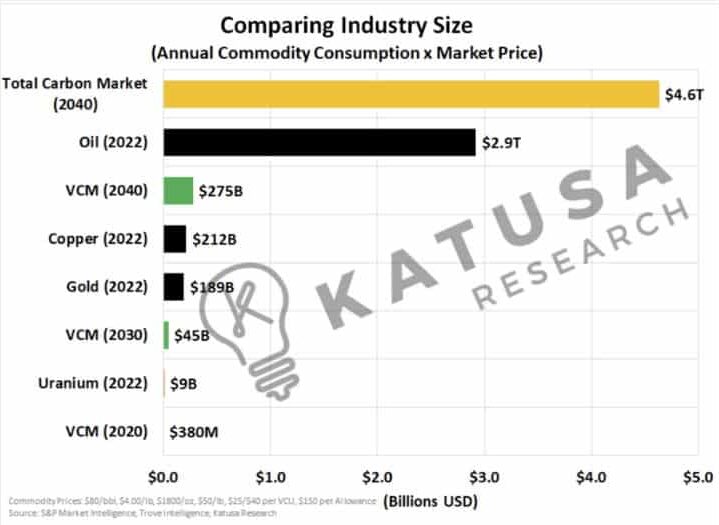
According to the independent firm Katusa Research, the total carbon market (compliance and voluntary) could be as big as the oil market…
Source: Katusa Research
Entities have been relying on carbon credits to avoid or reduce their emissions.
Companies regulated under the “cap-and-trade” program (compliance carbon market) have no choice but to buy credits if they go beyond their emissions limit (cap).
For those who’re offsetting their emissions voluntarily, they can buy carbon credits from various projects. The most popular ones are nature-based projects like afforestation and tree-planting.
Markets and rules are beginning to blend
Carbon credits are still evolving as a distinct asset class. But carbon markets are starting to take better form as regulators and industry groups help codify rules around them.
In fact, various initiatives and regulations emerge to guide ESG investors in their investment decisions. The same goes for carbon standards and verification bodies.
They’re becoming more stringent to ensure the quality and integrity of the credits buyers and investors pick.
Guidelines and growing investor awareness are helping carbon credits gain traction.
So, when reports showed that 100 global companies are accountable for 71% of total emissions, ESG investors have greater reason to push for carbon reduction measures.
As such, we can expect that trading carbon offsets to rise even more.
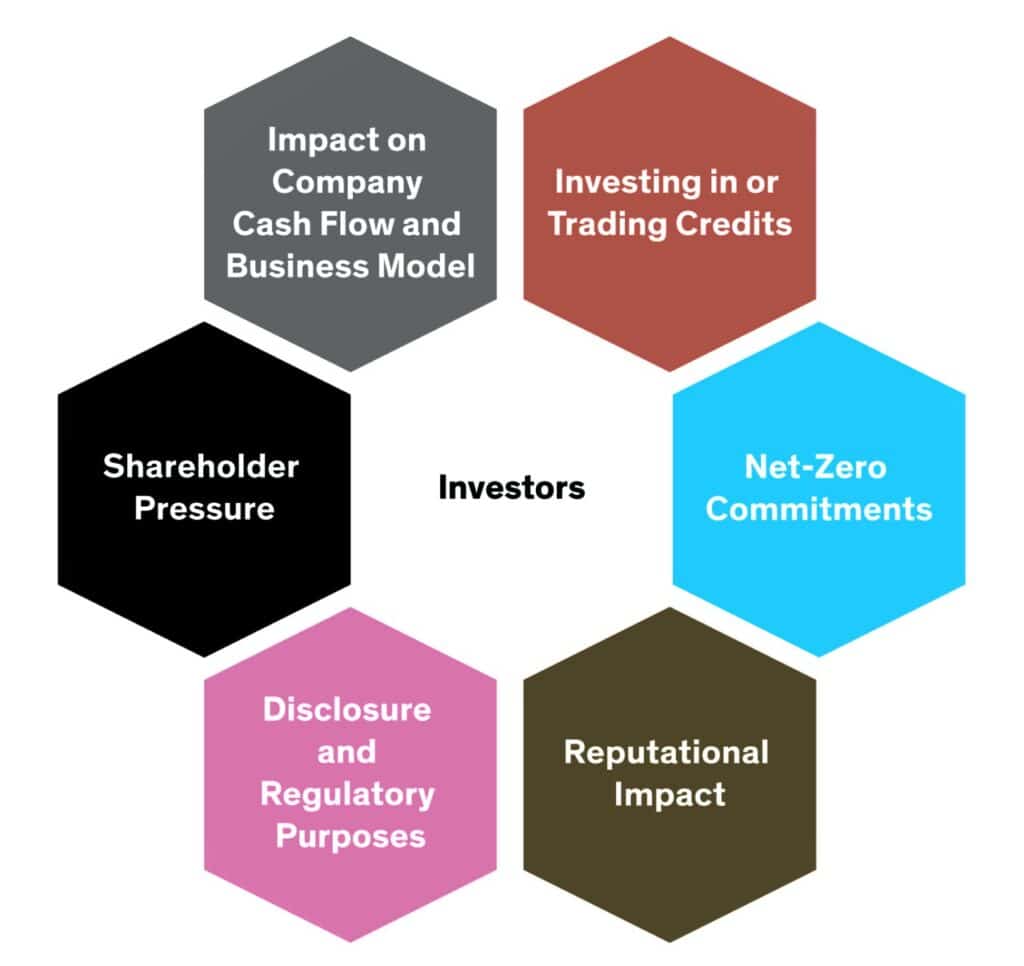
Here are the reasons why carbon credits matter a lot in ESG investing.
Evaluating carbon credits: Some key factors to consider
Projects that produce carbon credits vary. So, ESG investors have to assess them well to know which ones to choose.
Local stakeholders will more likely favor carbon reduction projects with local co-benefits like job creation and biodiversity. However, these credits tend to cost more but they carry less risk and may offer more permanence.
There are certain metrics to consider to select quality offsets. These include additionality, permanence, measurability, and scalability.
It may take some time before carbon credits to become key asset allocation options for the average investor. But more transparency, better pricing, and market standards gave the offsets some spotlight they deserve.
When implemented correctly, offsets play an important supporting role in the fight against global warming. This is especially true when reducing carbon emissions is a battle of increments, not an overnight fix.
We believe they’re worth actively exploring within a broader ESG-investing context. Their global abundance can especially encourage flows of capital to stakeholders in developing countries and help facilitate broader attainment of SDGs.
How Companies Can Benefit from ESG Investing with Carbon Credits?
The strong emphasis on the “E” factor in ESG investing has never been greater. The world has been experiencing extreme weather conditions such as floods, drought, and heat waves.
Climate change has also been impacting every sector of the economy. Every business has to bear the environmental impacts associated with their operations.
So to limit the speed of global warming, companies are pledging to cut down their carbon emissions. More firms commit to reaching net zero emissions by 2050 or earlier.
This is where leveraging carbon credits as the currency of ESG investing puts a company at an advantaged position.
By investing in projects that reduce GHG emissions or avoiding reliance on fossil fuels, carbon credits are created. Firms with excess credits can sell them to other companies that fail to meet their carbon reduction targets.
This will bring in more measurable incentive for companies to make contributions in fighting climate change.
And more remarkably, ESG investors prefer to place their money on greener business models.
Carbon credits represent a certain amount of GHG emissions reduced or avoided.
That means where carbon credits are linked to, investors are also more likely to follow with their money. Popular examples include using renewables, adopting cleaner technologies, and energy-efficient investments.
Carbon credits are now commonly traded and they’re not only by businesses. Some investors are trading carbon credits in a similar way to physical commodities.
But ESG investors need to ensure that carbon credits are indeed reducing emissions as they claim to be. Once this is verified, companies will realize that ESG investing with carbon credits is all worth it.
Ethereum won the spotlight with the Merge, which cut the crypto’s energy use and carbon footprint more than expected by 99.99%.
The second-largest cryptocurrency – Ethereum – recently eliminated its energy consumption overnight by shifting to a new “proof of stake” blockchain system called the Merge.
Designed to drastically cut down the network’s overall energy use, the upgrade has indeed done just that.
Initial estimates of energy consumption reduction is about 99.95%. But the Merge was able to go beyond that with 99.99% less energy use than estimated.
The software upgrade also cut Ether’s carbon footprint by the same figure.
Ethereum Energy Use Before Merge
The so-called “Merge” was executed as the energy intensity of cryptocurrency protocols such as Bitcoin and Ethereum is a hot issue in the U.S.
In fact, the White House published a report detailing the energy impacts of crypto mining operations.
Crypto miners, including Bitcoin and Ethereum, use an energy-intensive consensus mechanism called “proof of work” (PoW).
Proof of Work is estimated to account for about 0.9% to 1.7% of all U.S. electricity use in 2021.
Earlier, the PoW mechanism required miners to work with high-powered computers to solve complex puzzles to earn tokens or Ether.
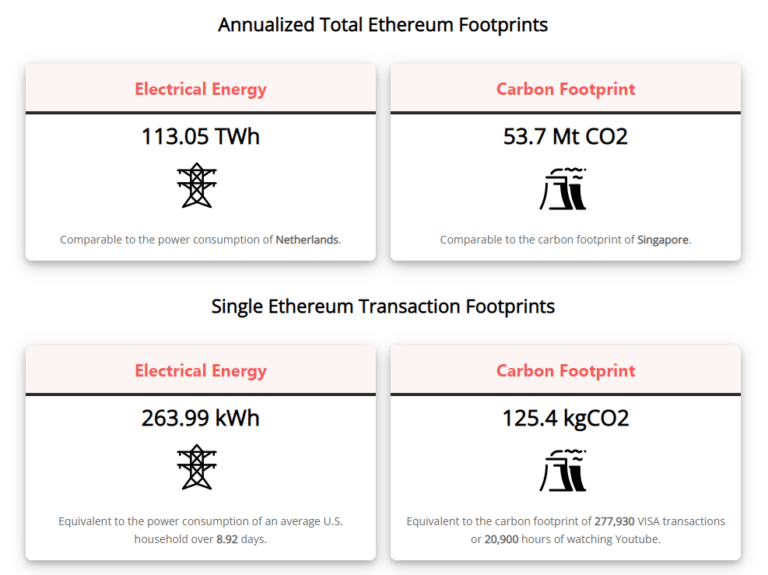
Ethereum used to run on the same unsustainable PoW mechanism as Bitcoin. This consensus system is so inefficient as shown below.
Ethereum Footprint Before Merge
Prior to the Merge, a single Ethereum transaction consumed about 264 kWh of energy according to Digiconomist data.
That’s equal to the consumption of an average U.S. household over 9 days.
What’s worse is its carbon footprint; the same single Ethereum transaction emits 125 kgCO2.
This emission is the same as watching YouTube for 20,900 hours! That’s equal to over 2 years of watching.
In fact, if Bitcoin and Ethereum were one country, estimates put their combined power use at 12th in the world with over 300 TWh per year.
These footprints were slashed after Ethereum shifted to the “Proof of Stake”(PoS) crypto model of mining.
Ethereum Footprint After the Merge
PoS doesn’t need computers and offers a greener, more energy-efficient way for crypto users to deposit their Ether. They call this process “staking”.
With PoS after the merge, there’s no longer a network of energy-intensive mining devices that compete with each other to make the next block for the underlying blockchain. Rather, wealth plays a major role in the block creation process with PoS.
Instead of using expensive GPUs and high specs, users need only a basic laptop and a stable internet connection.
The result is a massive reduction in power use by Ethereum.
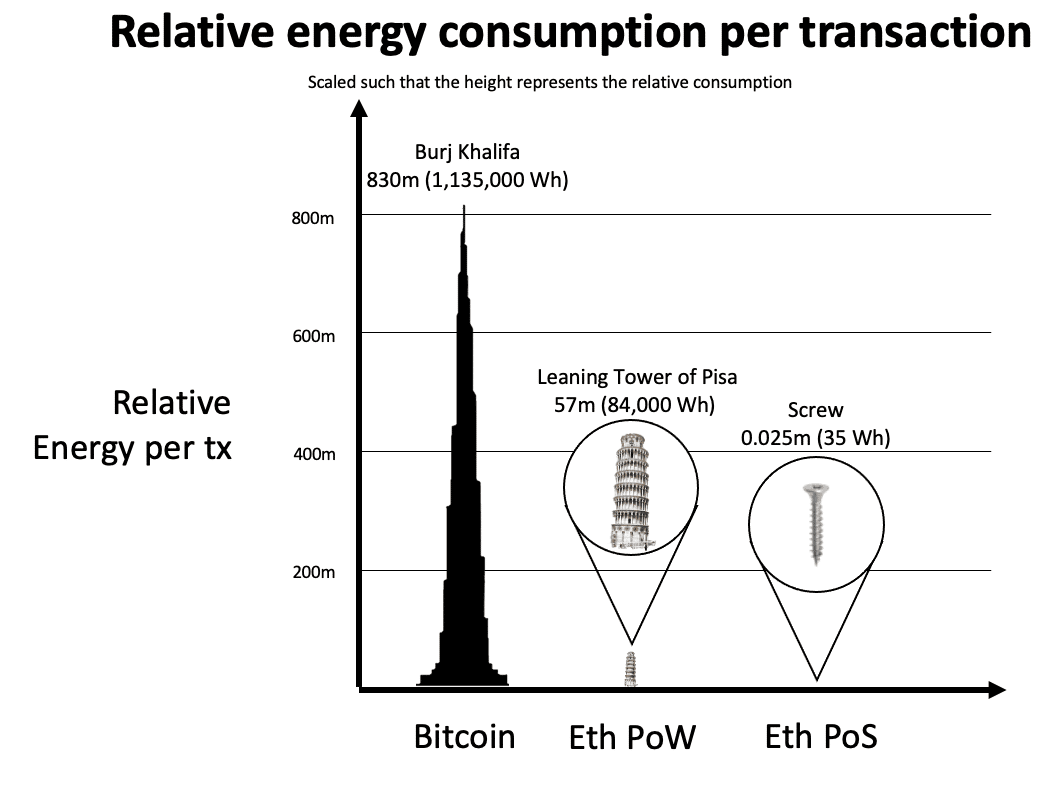
To compare Ethereum’s PoS with PoW and Bitcoin’s power use, here’s a good illustration from the crypto firm itself.
Source: Ethereum blog
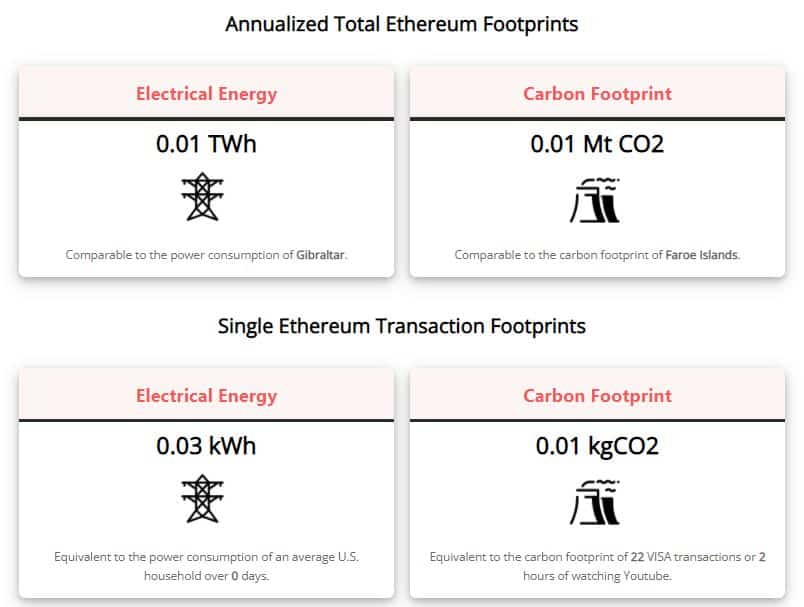
When it comes to emissions, the crypto’s footprint for a single transaction also dropped to only 0.01 kg CO2. That corresponds to only 2 hours of watching YouTube.
For its annual total carbon footprint, it went down from 54 Mt CO2 to only 0.01 Mt CO2.
Ethereum Footprint After Merge
For some industry experts like the ConsenSys, it remarked that the Ethereum’s Merge is the “biggest decarbonization in the history of tech”.
If the company seeks to get carbon credits from such a massive reduction in its emissions, that would be a huge amount. One carbon credit is equal to one ton of carbon avoided from getting emitted.
And though other blockchain networks like Bitcoin, Ravencoin, and Ergo have seen growing hash rates after the Merge, their massive energy use is not tied to Ethereum anymore.
As such, Ethereum manages to shed the environmental issues that continue to shake the world of cryptocurrency.
One board member of the Enterprise Ethereum Alliance said about the new PoS mechanism:
“This upgrade is very significant and I believe it will allow enterprises to consider public Ethereum blockchain approaches where they did not prior.”
Looking ahead, many predicted a continued push to green crypto mining operations in the U.S. as the world races to net zero emissions.
DeepMarkit Corp. provided a recap of its successful attendance of Climate Week in New York City from September 20-23, 2022. The company co-hosted Flowcarbon and dClimate’s Climate Week Blockchain Summit.
The Climate Week 2022 is the biggest climate event in the world that took place from September 19-25 across NYC. Its partners and sponsors included the Climate Group, Estee Lauder Companies, Johnson and Johnson, Google and FedEx, and more.
The CW Blockchain Summit was a one-day event featuring exclusive leadership sessions and keynote speakers from blockchain and carbon offset industries.
Also, DeepMarkit attended the North America Climate Summit organized by the International Emissions Trading Association and International Carbon Action Partnership.
During Climate Week 2022, DeepMarkit established itself as a market leader in
carbon offset-based NFTs by:
Sourcing more carbon offsets;
Offering insights into the world of on-chain offsets and how they are expected to impact the industry in the future;
Continuing to build relationships with some of the industry’s leading project developers and marketplaces;
Attending industry leading round-table discussions on the future of the offset market;
Strategizing with other technology organizations to enhance the DeepMarkit NFT experience; and
Increasing understanding of how to uniquely position DeepMarkit’s market offering.
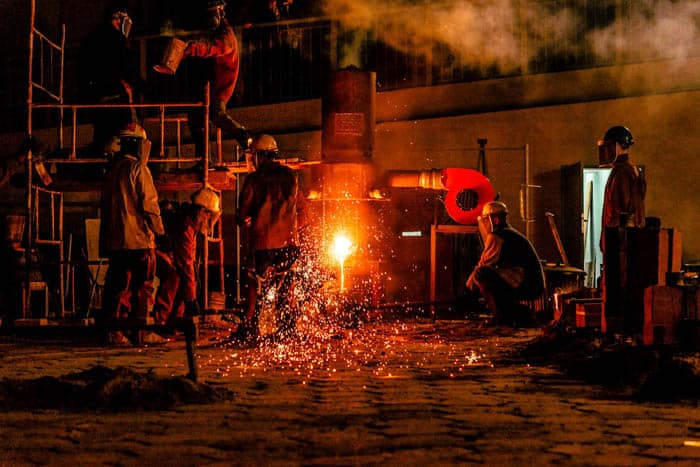
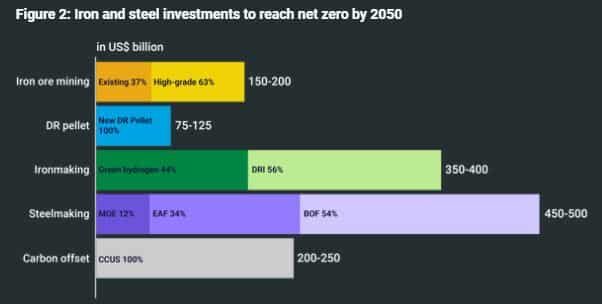
Bringing the iron and steel industry to net zero by 2050 requires $1.4 trillion of investment, $250 billion of which is for carbon credits, according to Wood Mackenzie.
Currently, iron and steel production together release a total of 3.4 billion tonnes of carbon each year. This represents 7% of total global emissions.
To meet the global demand for steel by 2050, the industry must produce 2.2 billion tonnes of steel.
Wood Mackenzie analyzed in its latest report, “Pedal to the Metal: Iron and steel’s $1.4 trillion shot at decarbonisation”, the what, when, and how of reaching net zero pathway.
Remarking on the report, lead author Malan Wu said that:
“Decarbonising the steel industry is a big task. To meet Wood Mackenzie’s 1.5°C accelerated energy transition scenario by 2050, steel emissions must reduce by 90% from current levels. There is an urgent need to act now to decarbonise the iron and steel sectors. Business as usual is no longer sustainable.”
Footing the Bill to Reach Net Zero
The 1.5°C pathway requires 2050 steel emissions to decline by over 90% from current levels. But the analysis assumes only a 33% decline in steel emissions from current levels.
The report shows the urgency to act now to bring the industry to net zero emissions. It also presents an investment opportunity for the operators as the sector decarbonizes.
The largest factor for the industry to be successful in its climate goal is to switch to Electric Arc Furnaces (EAFs).
But that’s only one part of the $1.4 trillion investment opportunity for industry players.
Mining companies will have to cut their operational emissions and invest in new green steel technologies. These include high-grade mines and DR pellet capacities.
Decarbonizing the industry also calls for shifting to clean energy use. This is equal to about 2,000 GW of renewable energy generation capacity (that’s ⅔ of current global capacity).
Now add developing the hydrogen technology to this…
The net zero goal needs about 50 million tonnes of green hydrogen per year.
Here’s the breakdown of the trillion investment.
Carbon Credits (Offsets) are a Must for Iron and Steel
As upgrades and green technologies are still not enough, the iron and steel industry needs to buy up to $250 billion in carbon offsets, also called carbon credits. They’re necessary to tackle emissions that can’t yet be reduced.
Carbon credits represent certain amounts of carbon reduced or removed from the air, either through nature or technology.
In the case of iron and steel, CCUS (Carbon Capture, Use, and Storage) is a technological option to curb emissions.
The present supply of CCUS is limited and is in its nascent stage. The current global CCUS pipeline is 14x the amount currently being captured of 63 million tonnes per year (Mtpa).
But emission reduction efforts from other industries are also calling for this measure.
The industry must capture and store 470 Mt of carbon to reach its emission target in 2050. And that calls for a $200 – $250 billion investment in CCUS.
Forged Blueprint: What Miners and Steelmakers Can Do
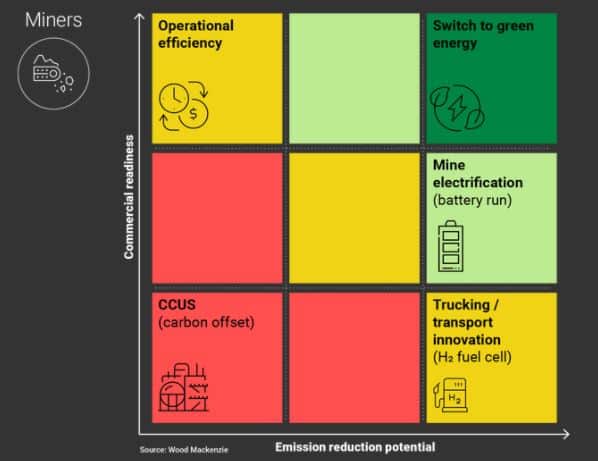
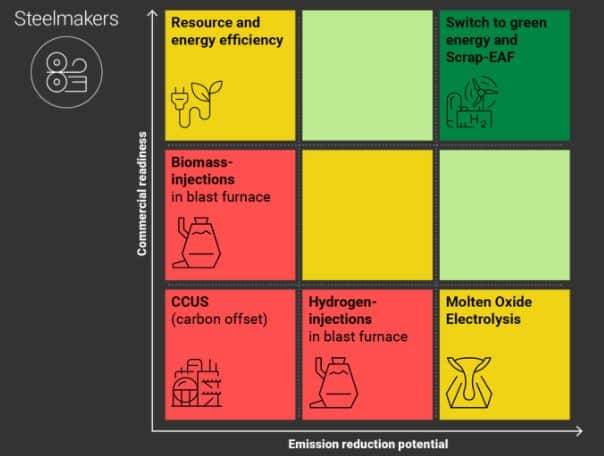
SO, what should iron ore miners and steelmakers do to solve the industry’s net zero equation?
The following images provide some clarity…
Achieving net zero will entail a revolutionary transformation of iron and steel, and its value chain. But a collaboration among key industry players will help drive green action.
To provide the best experiences, we use technologies like cookies to store and/or access device information. Consenting to these technologies will allow us to process data such as browsing behavior or unique IDs on this site. Not consenting or withdrawing consent, may adversely affect certain features and functions.
Functional
Always active
The technical storage or access is strictly necessary for the legitimate purpose of enabling the use of a specific service explicitly requested by the subscriber or user, or for the sole purpose of carrying out the transmission of a communication over an electronic communications network.
Preferences
The technical storage or access is necessary for the legitimate purpose of storing preferences that are not requested by the subscriber or user.
Statistics
The technical storage or access that is used exclusively for statistical purposes.The technical storage or access that is used exclusively for anonymous statistical purposes. Without a subpoena, voluntary compliance on the part of your Internet Service Provider, or additional records from a third party, information stored or retrieved for this purpose alone cannot usually be used to identify you.
Marketing
The technical storage or access is required to create user profiles to send advertising, or to track the user on a website or across several websites for similar marketing purposes.