2026 Could Redefine Voluntary and Compliance Carbon Market Convergence, with Japan Leading the Way

The voluntary carbon market (VCM) enters 2026 with stronger foundations than a year ago. Despite political headwinds in 2025, investment, contracting, and integrity standards advanced.

According to Abatable’s 2026 market report, forward carbon credit contracts rose 58% year-on-year to $5.8 billion in 2025. This surge shows that buyers are locking in future supply rather than relying on spot purchases.

Funding for carbon credit projects reached $15.8 billion in 2025, even after a slowdown in engineered removal investments. Notably, nature-based funding hit a record $9 billion, signaling strong demand for high-integrity supply.

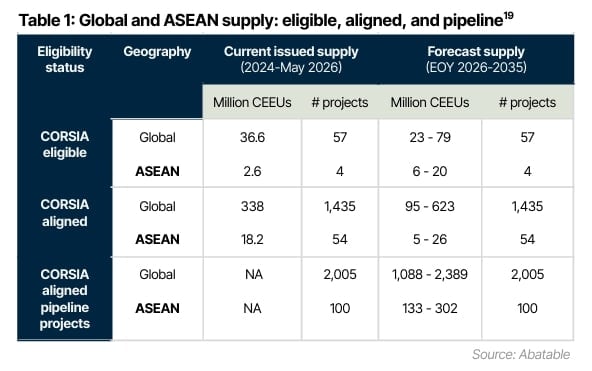
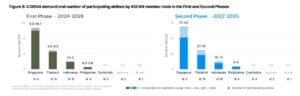
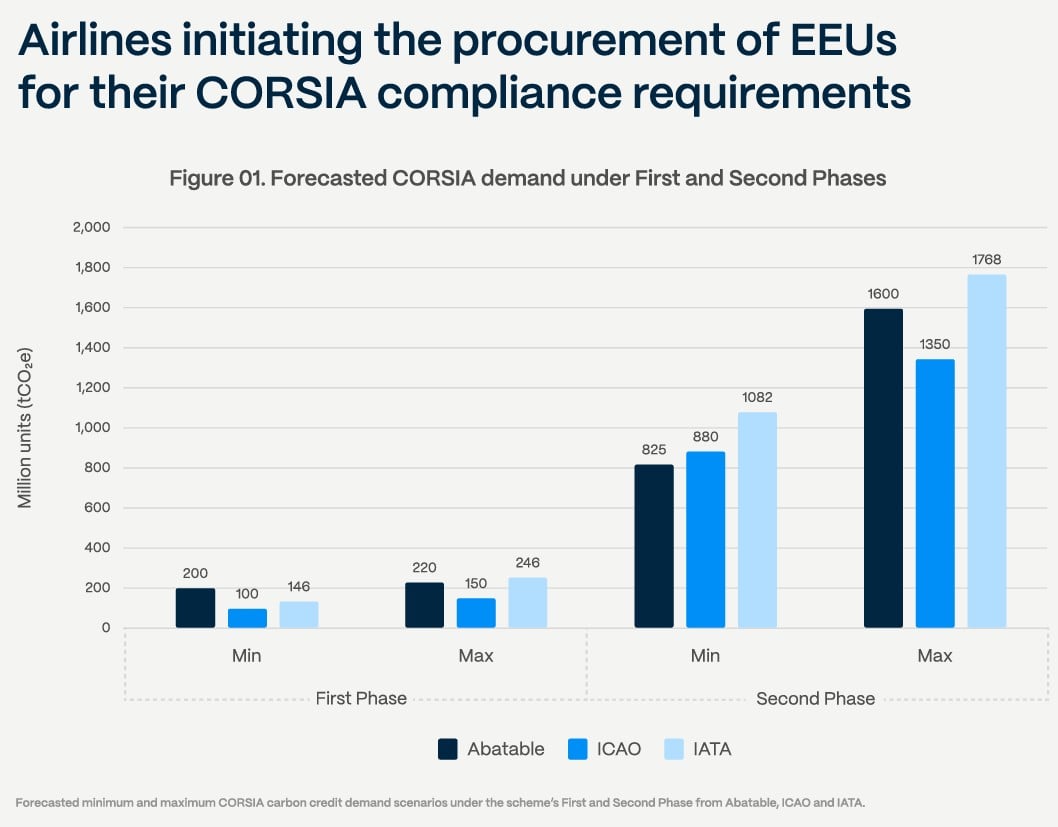
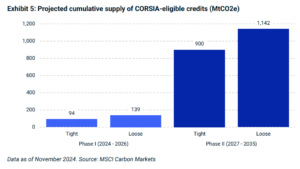
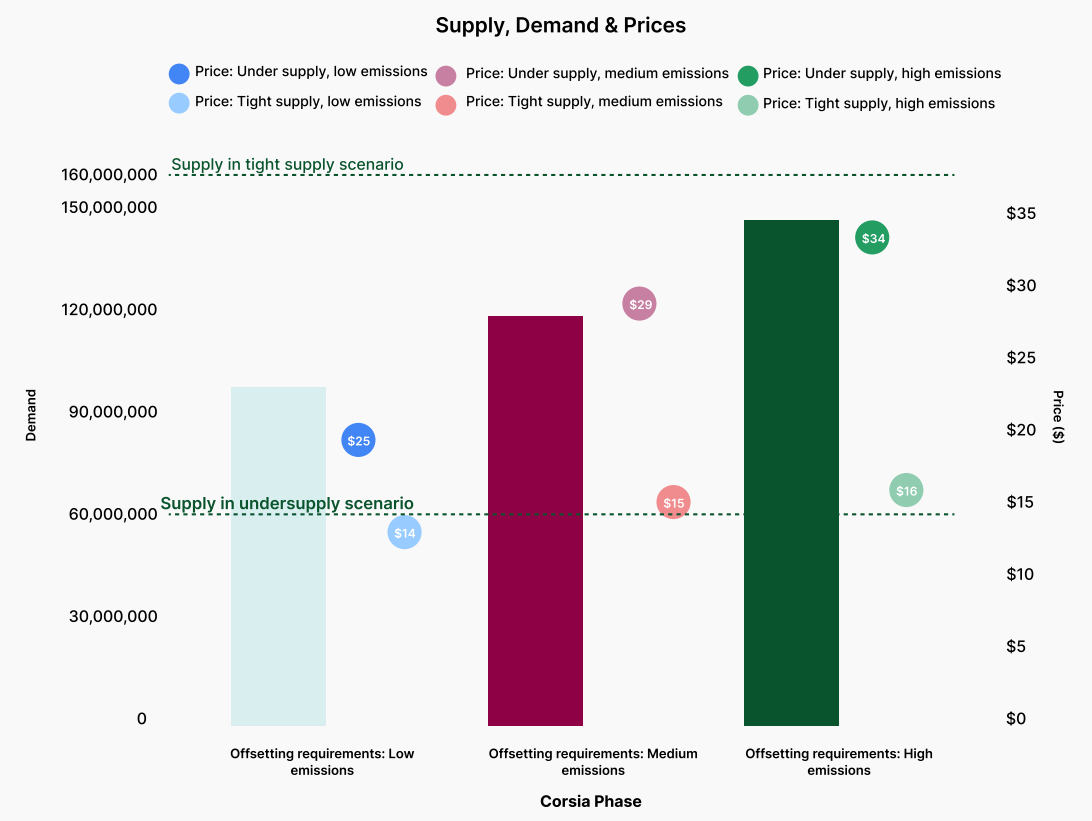
At the same time, compliance markets are reshaping demand patterns. CORSIA, the Carbon Offsetting and Reduction Scheme for International Aviation, is set to create an extra 78 million tonnes of demand by 2026. This is in addition to the 58 million tonnes needed for 2024 emissions.

But the most significant structural shift may come from Japan.

GX-ETS: From Voluntary Signal to Compliance Engine

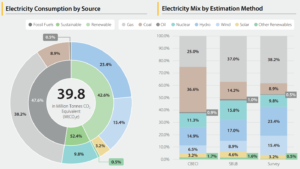
Japan’s new GX-ETS (Green Transformation Emissions Trading Scheme) becomes mandatory in April 2026. The Asian country emits roughly 1 billion tonnes of CO₂ per year. The GX-ETS will initially cover 500–600 million tonnes annually, more than half of national emissions.

  • Between 300 and 400 companies will be regulated under the scheme.

Companies will be allowed to meet up to 10% of their compliance obligations using carbon credits. That creates potential demand of 50–60 million tonnes of credits per year.

Japan's emissions GX-ETS
Source: Abatable Report

For comparison, total voluntary carbon market retirements across major registries were 163 million tonnes in 2025. Japan alone could represent roughly one-third of that volume in compliance-driven demand.

This is not incremental; it is structural.

Convergence in Practice: J-Credits and JCM

Japan’s design shows how compliance and voluntary systems are merging. Companies can use two credit routes under GX-ETS:

  • J-Credits – Japan’s domestic carbon credit scheme
  • Joint Crediting Mechanism (JCM) – An Article 6.2 international crediting system with 29 partner countries

J-Credits cover nature-based solutions, renewable energy, and industrial efficiency. Engineered removals such as BECCS (bioenergy with carbon capture and storage) and DAC(direct air capture) are expected to be added in future phases.

The JCM focuses largely on avoidance projects, including renewable energy and efficiency measures. This structure links Japan’s domestic compliance market directly to international carbon trading under the Paris Agreement. It effectively blends compliance demand with voluntary market infrastructure.

Why This Matters for the VCM: From Optional Offsets to Structured Demand

The voluntary market has long relied on corporate net-zero commitments. Yet, that driver is evolving.

The Science Based Targets initiative (SBTi) remains the most influential corporate demand-side framework. Its new Corporate Net Zero Standard V2 draft introduces the concept of Ongoing Emissions Responsibility (OER). Companies may be recognized for addressing ongoing emissions using carbon credits.

This shifts the narrative. Credits are no longer seen only as optional compensation tools. They may become structured components of transition plans.

Meanwhile, integrity has become central.

The Integrity Council for the Voluntary Carbon Market (ICVCM) has approved 40 CCP methodologies across eight programs. CCP-approved methods might create 865 million more credits by 2035. That’s a ninefold rise from current levels.

Even so, CCP-eligible credits are projected to represent only 12.7% of cumulative voluntary supply by 2035. In this context, Japan’s GX-ETS creates guaranteed, regulated demand for credits that meet compliance rules.

This may increase price discipline and quality screening.

Asia Emerges as the Carbon Pricing Growth Hub

Japan is not acting alone. China is expanding its national ETS and moving toward absolute emissions caps. India plans to launch its Carbon Credit Trading Scheme in mid-2026.

Across Asia, carbon pricing systems now cover hundreds of millions of tonnes of emissions. Globally, carbon pricing instruments cover about 28% of global greenhouse gas emissions, according to the World Bank.

Share of global greenhouse gas emissions covered by ETSs, Carbon taxes or hybrid models over time (% of global GHG emissions)

Japan’s GX-ETS will become Asia’s second-largest carbon market.

This regional shift is important. Asia makes up a big part of global emissions and industrial output. When compliance systems in big economies allow some use of carbon credits, they connect voluntary methods to formal rules.

Several other Asian countries already run, or are building, carbon pricing systems.

South Korea operates the Korea Emissions Trading System (K-ETS), launched in 2015. It is one of the largest ETS programs in the region. The International Energy Agency reports that K-ETS includes nearly 80% of Korea’s domestic greenhouse gas emissions. It also targets around 800 of the country’s largest emitters.

Singapore uses a national carbon tax instead of an ETS. The National Environment Agency says Singapore raised its carbon tax to S$25 per tonne in 2024 and 2025, and it will rise to S$45 per tonne in 2026 and 2027. Starting in 2024, Singapore allowed companies to offset up to 5% of taxable emissions. They can use eligible international carbon credits for this.

Indonesia has moved into carbon trading through a formal exchange. The Indonesia Stock Exchange’s carbon platform, IDXCarbon, launched in September 2023, after the country’s financial regulator granted the operator a license. Indonesia’s wider system is expected to evolve into a hybrid model that links trading with a carbon tax-style backstop.

Vietnam has also set a clear roadmap. The International Carbon Action Partnership states that Vietnam updated its carbon market rules in June 2025. It also mandated a pilot ETS starting in August 2025. A fully functioning carbon market is expected by 2029.

These programs show how carbon markets are spreading across Asia through different policy designs. Some countries use cap-and-trade systems. Others use carbon taxes with limited credit use. These models can boost cross-border linkages over time. As Article 6 systems grow, buyers will look for credits that fit both voluntary and compliance needs.

Tightening Supply, Rising Quality Premiums

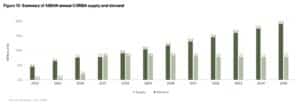
Supply dynamics are also shifting. Following the 2021 issuance peak, the 2025 supply continued to decline. The net surplus of credits fell to Abatable’s 2026 market report, down from 123 million in 2024.

Avoidance projects still dominate supply. Cookstoves, industrial efficiency, renewable energy, and REDD+ accounted for 222 million tonnes, or 83% of supply in 2025.

Abatable carbon market report 2026
Source: Abatable

Notably, forward pricing data show buyers paying premiums for higher-integrity methodologies, especially CCP-approved projects. Meanwhile, engineered removals remain scarce and expensive. Biochar leads in engineered supply offers. Other removal types mainly use forward contracts for trading.

As compliance markets such as GX-ETS and CORSIA expand, demand for eligible units may tighten supply and lift prices. For CORSIA alone, total First Phase demand is projected at 200–220 million tonnes.

CORSIA compliance requirements abatable
Source: Abatable

Adding potential GX-ETS demand of 50–60 million tonnes per year changes the scale of market expectations.

2026: A Structural Realignment, Compliance and VCM Begin to Merge

The convergence between compliance and voluntary markets is no longer theoretical. Japan’s GX-ETS demonstrates a model where:

  • A large national ETS covers over half of emissions
  • Companies can use carbon credits for 10% of compliance
  • Domestic and international credit systems integrate
  • Integrity standards increasingly define eligibility

This integration creates predictable demand. It may also reduce reputational risk for buyers. Credits used in compliance systems face higher scrutiny.

For voluntary buyers, this strengthens signals around quality and durability, while for project developers, it offers more stable forward revenue. For policymakers, it creates flexibility without abandoning emissions caps.

The VCM deployed 55 million tonnes of high-quality credits through Abatable’s platform alone, across more than 200 companies

In 2026, the market looks more institutional. Forward contracting is rising, integrity standards are tightening, and compliance systems are opening to credit use.

Japan’s GX-ETS may prove to be the clearest sign yet that carbon markets are moving toward structured integration. If 2025 was about resilience, 2026 may be about alignment. And Japan is leading that shift.

Uranium Rally Lifts Cameco Stock (CCJ) After Strong 2025 Results

Cameco delivered strong fourth-quarter and full-year 2025 results, with uranium clearly driving the story. As global nuclear momentum accelerated, utilities increased long-term contracting and focused more on supply security. In this environment, Cameco’s disciplined uranium strategy supported stronger earnings and reinforced its long-term positioning.

Strong Uranium Strategy Boosts Cameco’s Results

Uranium remains the foundation of Cameco’s business. Management continues to match production with long-term contracts instead of chasing short-term spot market gains. By the end of 2025, the company had about 230 million pounds of uranium under long-term contracts, giving it strong revenue visibility for years.

In 2025, uranium segment earnings before income tax increased by $50 million compared to 2024. Adjusted EBITDA rose by $76 million year over year. Although fourth-quarter earnings dipped slightly due to the timing of sales, adjusted EBITDA still improved, showing stronger underlying pricing.

This performance reflects contracts signed in a better uranium price environment. As higher-priced deliveries continue, margins should gradually strengthen.

cameco uranium results earnings
Source: Cameco

Fuel Services and Westinghouse Support Solid Gains

  • While uranium leads the story, Cameco’s fuel services segment also posted solid gains. Annual earnings before income tax increased by $71 million, and adjusted EBITDA rose by $74 million. Deliveries under contracts signed at improved prices drove the growth.
  • Cameco’s investment in Westinghouse Electric Company further strengthens its nuclear exposure. For this segment, the adjusted EBITDA increased 30% compared to 2024. Cameco’s share of adjusted EBITDA rose by $297 million for the full year.
cameco
Source: Cameco

The company also received US$171.5 million from a cash distribution related to the Dukovany reactor expansion project in the Czech Republic. Dukovany Nuclear Power Plant is adding two new reactors, reflecting broader global nuclear expansion.

Although a similar distribution is not expected in 2026, Westinghouse continues to provide stable earnings and long-term value. Still, uranium production and contracting remain Cameco’s primary earnings engine.

Cameco (NYSE: CCJ) Stock Reflects Uranium Momentum

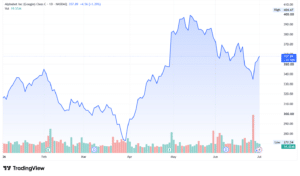
Cameco is trading around $116.50 USD per share, close to multi-year highs. Over the past year, the stock has surged roughly 140%, largely driven by rising uranium prices and renewed nuclear policy support.

Recent trading has shown normal volatility, typical of resource stocks. However, analysts say long-term sentiment remains bullish. They continue to maintain positive ratings, supported by strong uranium fundamentals, improving earnings, and structural growth in nuclear demand.

ccj cameco stock
Source: Yahoo Finance

Is Cameco Set to Ride the Nuclear and Uranium Boom?

As nuclear capacity expands globally, uranium demand is expected to rise steadily. However, supply growth remains measured and capital-intensive. This dynamic supports a constructive multi-year uranium cycle.

The International Atomic Energy Agency forecasts that global nuclear capacity could double by 2050, reaching 561–992 gigawatts. This expansion will require a reliable uranium supply for decades.

In 2025, the uranium market strengthened. Governments renewed support for nuclear energy, and utilities increased long-term contracting. Energy security and decarbonization goals made uranium a priority once again.

At the same time, supply remains tight. Secondary uranium sources are shrinking, and new mines face long development timelines, rising costs, and geopolitical risks. This supply-demand gap is pushing long-term uranium prices higher.

  • Analysis from Visible Alpha, part of S&P Global Market Intelligence, shows that uranium revenue across 11 major listed uranium producers could grow from $4.7 billion in 2023 to $14.9 billion by 2033.
  • Most of this growth is expected in the second half of the decade, as new mines come online.

Higher production and stronger prices will fuel industry growth. Average uranium prices are expected to rise from $59.6 per pound in 2023 to $98.7 by 2033, with the potential for further increases after that.

cameco uranium production

Cameco’s disciplined approach positions it well in this environment. The company avoids overproduction, protects its top-tier assets, and maintains financial strength. Rather than chasing volume, it focuses on long-term contracts and sustainable value creation.

Uranium Titans Face Off: Kazatomprom vs. Cameco in 2025

Despite rising interest in new uranium projects, the market remained highly concentrated in 2025. Kazakhstan’s Kazatomprom and Cameco continued to dominate both revenue and production.

Consensus forecasts from Visible Alpha estimate Kazatomprom will generate around $3.3 billion in uranium revenue in 2025. In comparison, Cameco is projected to earn roughly $2.1 billion.

Uranium forms the core of both companies’ business models. It accounts for about 91% of Kazatomprom’s revenue and 83% of Cameco’s revenue. Therefore, both miners remain highly sensitive to uranium price movements and contract renewals.

Production and Revenue Show a Clear Divide

In production terms, Kazatomprom is expected to produce 29.1 million pounds of uranium in 2025, while Cameco is forecast to deliver around 21 million pounds. Together, they represent roughly 86% of total output among the seven largest uranium producers.

The comparison highlights Kazatomprom’s scale advantage in both revenue and output. However, Cameco maintains a strong position in Western markets, long-term utility contracts, and strategic supply agreements.

Looking ahead, competition may intensify after 2028. A new wave of uranium miners is projected to significantly expand supply, with total output forecast to rise from 58.5 million pounds in 2025 to 141.2 million pounds by 2033. This shift could gradually reshape the uranium market’s competitive balance.

Kazatomprom Cameco

Overall, with global nuclear expansion underway, uranium will remain a critical energy resource. Cameco (NYSE: CCJ) is strategically placed to benefit from rising uranium demand while navigating market volatility.

Rocking the Carbon Clock: ERW Could Cut 350 Million Tonnes of CO₂ Annually by 2050

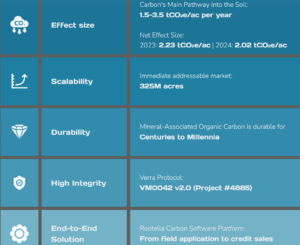
  1. Enhanced Rock Weathering (ERW) is gaining attention as a scalable carbon removal solution. A recent study suggests the method could remove up to 350 million tonnes of CO₂ per year by 2050 if widely deployed.

What is Enhanced Rock Weathering?

Enhanced Rock Weathering is a carbon removal method that speeds up a natural geological process. Rocks such as basalt and silicates naturally react with carbon dioxide (CO₂) over thousands of years.

ERW involves crushing these rocks into fine powder and spreading them on the soil. The larger surface area makes the rocks react faster with CO₂ in the air and soil. Scientists believe this could permanently capture and store carbon as stable minerals or ocean carbon pools.

This carbon removal has emerged as a promising part of the climate toolkit to help lower atmospheric CO₂ levels.

How ERW Removes Carbon

Natural rock weathering already captures about 1.1 billion tonnes of CO₂ per year from the atmosphere. ERW accelerates this process by increasing the rock’s contact with CO₂.

When rainwater dissolves CO₂, it forms carbonic acid, which reacts with silicate rocks. This reaction locks carbon into bicarbonate ions. Some of the ions wash into rivers and reach the ocean, where they can stay for thousands of years. Because the carbon is stored this way, it is unlikely to return to the atmosphere soon.

In agriculture, ground rocks applied to the soil enhance this process. The rocks react with CO₂ around plant roots and soil microbes. Some companies source rock dust from quarries. They use industrial byproducts instead of new mining.

350 Million Tonnes: The Mid-Century Potential

New research shows that ERW could make a major contribution to climate goals by mid-century. Scaling ERW on suitable agricultural land and other surfaces worldwide could remove an estimated 350 million tonnes of CO₂ per year by 2050. This would come from fast-tracking the natural weathering process across large areas of cropland.

Global modelling studies also suggest even bigger potential. ERW could cut hundreds of millions to billions of tonnes of CO₂ each year by 2050. This depends on widespread use, strong policy support, and proper infrastructure.

Some studies focused on the United States have reported similar potential. Research shows that ERW in U.S. agriculture could cut CO₂ by 160 to 300 million tonnes each year by 2050. If expanded, this number could reach 250 to 490 million tonnes by 2070.

ERW in the US
ERW in U.S. agriculture; Source: https://doi.org/10.1038/s41586-024-08429-2

This 350 million-tonne figure sits within a broader picture of potential CDR capacity. Some analyses suggest that ERW could remove billions of tonnes every year. This would occur if the method is used widely across continents with big agricultural sectors.

Why ERW Stands Out in the Carbon Removal Race

One key reason ERW attracts attention is its durability. Carbon captured through rock weathering is stored in stable forms that can last thousands to millions of years. This permanence can make ERW more durable than some nature-based solutions that store carbon only for the lifetime of trees or plants.

ERW also builds on existing farming and mining systems. The technology uses known equipment and methods for crushing and spreading rock. This means ERW is likely easier to use widely than complex methods like direct air capture (DAC). DAC needs big new facilities and a lot of energy.

Enhanced rock weathering has additional benefits beyond carbon capture. When applied to agricultural soils, silicate rock dust can improve soil nutrition and structure. This can enhance crop yields and reduce the need for some fertilizers. Some research has even shown that certain enhanced weathering practices can improve crop performance while removing CO₂.

ERW Carbon Removal Credits Snapshot

ERW has begun to enter this market with real, verified credits. In early 2025, InPlanet and Isometric issued the first independently verified ERW carbon removal credits. These credits show long-lasting CO₂ removal. They are certified with strict monitoring, reporting, and verification (MRV) protocols.

While ERW still makes up a very small share of total credits traded in 2025, its emergence marks a milestone for carbon removal markets. Early tracking shows that nearly one million ERW credits have been sold, and the total investment in ERW projects is about US$121 million. This reflects increasing interest from companies and offset buyers.

ERW carbon removal investment
Source: AlliedOffsets

ERW carbon credit prices now range from $200–$500 per tonne. This spread comes from differences in project size, location, and how mature each method is.

Early ERW credits add variety to the carbon market. They focus on carbon removal, which is attracting buyers like Google and Microsoft. They want long-term, verified removal credits along with avoidance credits.

ERW carbon credit by transaction type
Source: AlliedOffsets

Scaling Up: Verification, Logistics, and Adoption Hurdles

Despite its promise, ERW faces several challenges before it can deliver on its full potential by 2050.

  • Monitoring and verification: Measuring exactly how much CO₂ ERW removes is complex. The process occurs over time and involves soil chemistry, water movement, and geological cycles. Accurate monitoring, reporting, and verification (MRV) systems are needed to ensure that carbon removal amounts are real and not overstated.
  • Deployment logistics: Scaling ERW globally would require vast amounts of crushed rock. This means expanded quarrying, crushing, transport, and spreading infrastructure. These steps must be done efficiently to avoid high emissions from transport and machinery.
  • Agronomic adoption: Farmers and landowners would need incentives and support to adopt ERW. Also, the use of rock dust must align with soil types, crops, and local farming practices. Long-term studies are ongoing to determine the best application rates and conditions for different regions.
  • Environmental questions: While ERW can benefit soil fertility, some uncertainties remain about long-term ecosystem impacts and potential side effects. Careful planning and studies are needed before very large-scale deployments can occur.

 A Key Piece in the Net-Zero Puzzle

Climate models show that reducing emissions alone won’t be enough to meet the Paris Agreement’s goals. Many experts argue that carbon dioxide removal (CDR) must play a role in keeping the temperature rise below 1.5°C. ERW is one of several CDR methods being considered.

Other CDR approaches include direct air capture (DAC) and bioenergy with carbon capture and storage (BECCS). DAC uses machines to pull CO₂ directly from the air, but it is still expensive and energy-intensive.

BECCS captures CO₂ from biomass energy but depends on large dedicated biomass supplies. ERW, by contrast, can leverage natural soil processes and agricultural lands for scalable removal.

Policy makers and climate planners see enhanced rock weathering as one piece of a broader carbon removal portfolio. ERW, along with strong emissions cuts, nature-based solutions like reforestation, and new technologies, can help balance hard-to-abate emissions in sectors such as industry and agriculture.

To reach 350 million tonnes of CO₂ removal per year by 2050, ERW must scale rapidly. This will require stronger global commitment from governments, research institutions, and private investors.

Moreover, investment in field trials and pilot programs will help refine practices and decrease uncertainty. As more data becomes available, ERW techniques can be optimized for different soils, climates, and crop systems.

Public policy support will also be key. Carbon markets, incentives, and crediting systems that recognize verified removal could help fund large-scale ERW deployment. If aligned with broader climate goals, ERW could become a major contributor to meeting global net-zero targets.

Heathrow Boosts 2026 Sustainable Aviation Fuel (SAF) Incentive 2% Above UK Government Mandate

Heathrow Airport is raising its climate ambition once again. In 2026, the airport plans to use Sustainable Aviation Fuel (SAF) at levels 2% higher than the UK government’s mandate. This means total SAF use at Heathrow could reach 5.6% of all jet fuel next year.

The UK requires 3.6% SAF blending in 2026. Heathrow’s extra incentive pushes that figure higher, which could translate into around 350,000 tonnes of SAF being used at the airport. About 124,000 tonnes of that would come directly from Heathrow’s own incentive scheme.

To support this effort, Heathrow has set aside more than £80 million to help airlines cover the higher cost of SAF compared to traditional jet fuel. SAF remains more expensive to produce, so this financial support helps narrow the price gap and makes cleaner fuel more attractive for carriers.

This is the fifth year in a row that Heathrow has expanded its SAF support program, showing a consistent push toward lower-carbon flying.

How SAF Cuts Aviation Emissions

Sustainable Aviation Fuel works in today’s aircraft without major changes. Airlines can blend it with regular jet fuel and use existing engines and infrastructure. The key difference lies in how SAF is produced.

It can be made from waste oils, agricultural residues, household waste, or through synthetic processes that combine renewable electricity with captured carbon. Because of these production methods, SAF can reduce lifecycle greenhouse gas emissions by more than 70% compared to fossil jet fuel, according to the UK government.

If Heathrow achieves its 5.6% SAF target in 2026, the airport estimates emissions could fall by around 600,000 tonnes in one year.

To understand the scale:

  • A round-trip economy flight from London Heathrow to New York JFK produces about 612 kilograms of CO₂ per passenger, based on ICAO calculations.
  • Cutting 600,000 tonnes would equal roughly 950,000 return passenger journeys on that route.

That level of reduction highlights how even small percentage increases in SAF use can create large carbon savings.

Understanding the UK SAF Mandate

The UK introduced the SAF Mandate to ensure steady growth in cleaner aviation fuel. Instead of relying only on voluntary airline commitments, the policy legally requires fuel suppliers to blend increasing amounts of SAF into their total jet fuel supply.

The system includes two parts. The main obligation requires suppliers to meet a rising SAF percentage each year.

  • It started at 2% in 2025 and will increase to 10% by 2030 and 22% by 2040. A second requirement, known as the Power-to-Liquid obligation, focuses on advanced synthetic fuels made using renewable electricity. This part begins at 0.2% in 2028 and grows to 3.5% by 2040.

Suppliers earn certificates based on how much carbon savings their SAF delivers. The greater the emissions reduction, the more certificates they receive. They can use these certificates to prove compliance, trade them with others, or pay a buy-out fee if they fail to meet targets. The buy-out price is designed to encourage real SAF supply rather than paying the penalty.

  • By 2040, the UK government estimates the mandate could deliver up to 6.3 megatonnes of carbon savings each year.

Matt Gorman, Heathrow’s Director of Sustainability, said,

“Sustainable Aviation Fuel is not a hypothetical concept for the future, it’s already producing real impact in 2026. Heathrow is leading the way globally, with 17% of the world’s SAF supply in 2024 used at the airport. SAF is a key lever on aviation’s journey to net zero by 2050, and a key element of Heathrow’s Net Zero Plan. Our incentive delivers real progress today, as well as a future promise for tomorrow.”

Cutting Carbon in the Air and on the Ground: Heathrow’s Net Zero Strategy

Heathrow’s SAF expansion fits into a larger strategy to reach net-zero emissions. As one of the world’s busiest international hubs, the airport is working to cut carbon both in flight operations and in ground activities.

By 2030, Heathrow aims to reduce flight-related emissions by up to 15% compared to 2019 levels. Achieving this depends heavily on scaling up SAF use and improving aircraft efficiency.

Looking further ahead, the airport targets at least an 80% reduction in emissions by 2050. The remaining emissions would need to be removed from the atmosphere to achieve full net zero.

HEATHROW emissions
Source: Heathrow

Heathrow’s main roadmap assumes three key developments: continued improvements in aircraft efficiency, introduction of zero-carbon aircraft from the mid-2030s, and large-scale replacement of fossil jet fuel with SAF. In its lead scenario, SAF could replace up to 90% of remaining kerosene by 2050, delivering major lifecycle carbon savings.

There is also a more ambitious scenario in which fully synthetic fuels with near-zero lifecycle emissions replace all fossil-based jet fuel by mid-century.

Use of Hydrogen and Drop-in SAF 

Hydrogen-powered aircraft could also play a role in aviation’s future. These planes may use hydrogen in fuel cells or burn it directly in turbines. However, experts expect hydrogen aircraft to serve mainly short-haul routes by 2050.

Shorter flights represent about 30% of global aviation emissions. Long-haul flights, which account for roughly 70%, will likely continue to depend on liquid fuels for decades. For those routes, drop-in SAF remains the most practical and scalable solution.

Heathrow says it must prepare its infrastructure to support hydrogen aircraft while keeping a strong focus on expanding SAF use for conventional planes.

SAF HEATHROW
Source: Heathrow

Global SAF Market Reaches a Turning Point

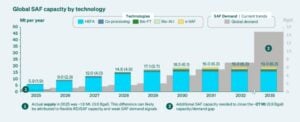
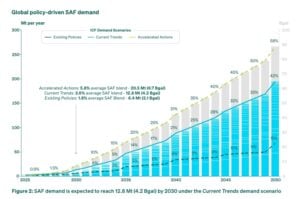
The year 2025 marks a major shift for the global SAF market. Blending mandates in both the European Union and the UK have begun to drive demand growth. SAF demand in the EU could reach about 0.9 million tonnes in 2025, while the UK could require around 0.25 million tonnes. Globally, total demand may approach 2 million tonnes this year.

Industry report says, by 2030, global SAF demand could climb to 15.5 million tonnes. Around 4.4 million tonnes of that would come from existing mandates, while the rest would depend on new policies, incentives, and voluntary airline commitments. Nearly 60 airlines have pledged to use 10% SAF by 2030, creating additional market momentum.

However, supply remains fragile. Announced global SAF production capacity for 2030 stands at about 18 million tonnes. While this appears enough on paper, delays and project cancellations in Europe, the UK, and the United States have raised concerns. Lower fossil fuel prices, policy uncertainty, and broader economic pressures have slowed some investments.

Beyond 2030, the challenge grows even larger. By 2035, global SAF demand could reach 40 million tonnes. Meeting that level will require rapid expansion of production capacity over a short period.

SAF demand
Source: SkyRNG

A Strong Signal to the Aviation Industry

Heathrow’s decision to exceed the national SAF mandate sends a clear message. Airports can influence the pace of decarbonization, not just governments and airlines.

By offering financial incentives and committing to higher SAF uptake, Heathrow strengthens confidence in the long-term growth of sustainable aviation fuel. Whether supply can scale fast enough remains the key question. For now, the airport’s 5.6% SAF target for 2026 marks a bold and practical step toward cleaner aviation.

Fusion Breakthrough: Google Venture-Backed Inertia Raises $450M to Build World’s Most Powerful Clean Energy Laser

Inertia Enterprises, a fusion energy startup, has raised $450 million in a Series A funding round. The capital will help the company build the world’s most powerful laser and advance its fusion power technology.

The funding round was led by Bessemer Venture Partners. Other investors include GV (formerly Google Ventures), Modern Capital, Threshold Ventures, Long Journey Ventures, and others.

Inertia was founded in 2024. The company’s mission is to make fusion energy a practical and clean power source for the grid. It plans to use its new funds to build key parts of its fusion system and to scale components that are essential for commercial power plants.

Fusion energy has long been viewed as a potential source of abundant, clean power. Inertia’s recent funding round is one of the largest for any fusion startup. It reflects growing investor interest in bringing fusion out of the lab and into real-world use.

What Fusion Energy Is and How Inertia’s Approach Works

Fusion is the process that powers the sun. It happens when light elements such as hydrogen combine to form a heavier element. This process releases a large amount of energy. Fusion does not produce carbon emissions, and it generates much less long-lived radiation than fission nuclear power.

Inertia’s technology is based on a fusion method called inertial confinement fusion (ICF). ICF uses powerful lasers to compress tiny fuel pellets. When the pellets reach high temperature and pressure, fusion reactions occur.

The company plans to build a laser system called Thunderwall. This system is designed to deliver powerful beams at a rapid rate. The laser will fire repeated pulses into fuel targets, generating the conditions needed for fusion.

Inertia’s founders include leaders with experience in fusion science and large-scale research facilities. This includes scientists from the Lawrence Livermore National Laboratory’s National Ignition Facility (NIF). Their experiments showed fusion ignition, which produced more energy than they used on the target.

The company’s CEO and co-founder, Jeff Lawson, previously led Twilio, a technology company that grew into a major communications platform. He now leads Inertia’s effort to translate fusion science into clean energy technology. He said,

“Our plan is clear: build on proven science to develop the technology and supply chain required to deliver the world’s highest average power laser, the first fusion target assembly plant, and the first gigawatt, utility-scale fusion power plant to the grid. Inertia is building the team, partnerships, and capabilities to make this real within the next decade.”

Inside the $450M Bet on Commercial Fusion

The $450 million funding round is considered one of the largest for a fusion startup in its early phase. The money will support several major activities, including:

  • Building Thunderwall, the powerful average-power laser system.
  • Developing manufacturing lines for fusion fuel targets.
  • Creating the first pilot plant and laying the groundwork for future commercial plants.
  • Scaling supply chains for components like laser diodes and fuel pellets.

Investors say Inertia’s technology has the potential to reach commercial-scale fusion energy faster than other approaches. They cite the company’s focus on proven physics from earlier lab experiments.

Co-founder, Dr. Annie Kritcher, remarked,

“In just three years, we’ve gone from the first experiment to ever produce more fusion energy than was delivered to the target, to repeating that result many times and pushing the target gain higher. We’re now focused on translating physics we know works into a pathway toward commercial-scale fusion energy, and the real benefits it can deliver for people and the planet.”

From Lab Ignition to Grid Ambition: Inertia’s Fusion Roadmap

Inertia’s approach relies on key breakthroughs made at the NIF in Lawrence Livermore National Laboratory. In December 2022, researchers reported a major breakthrough. They conducted the first controlled fusion experiment that generated more energy than it received.

The NIF success provided proof of concept. It showed that inertial confinement fusion could technically produce net energy in a single experiment. Inertia’s team includes some of the scientists from that effort.

  • Inertia’s long-term goal is to build a fusion power plant with 1.5 gigawatts (GW) of capacity. A plant of this size could supply electricity for about 1 million homes.

The next challenge is to make the fusion process repeatable and efficient enough to produce continuous power. Inertia plans to use advanced diode lasers. These lasers are expected to be about 10x more efficient than older technologies. The company believes this will significantly lower the cost of fusion energy production.

Fusion Joins the Clean Energy Investment Surge

Fusion energy investment has grown quickly in recent years. Both governments and private companies are putting large sums into the sector. It is now part of a broader clean energy funding trend that includes startups pursuing both fusion and fission technologies.

Fusion Private Funding (Annual, 2020-2025)
Data sources: FIA Global Fusion Report, F4E Observatory 2025

Private fusion funding has exploded over the past five years. Total investment reached $13.2 billion by the end of 2025. That amount is up 8x from 2020, when just 15 companies raised $400 million.

The US leads with 53% (~$7B) while China holds 34%. Active companies surged 400% from 15 to 77, reflecting broader investor diversification across ICF, tokamaks, and stellarators. Inertia’s $450M sits atop this record-breaking year.

global private fusion investment overview by country 2025
Chart from F4E Fusion Observatory

Some other fusion startups that have attracted significant capital include:

  • Commonwealth Fusion Systems, with roughly $2.86 billion raised to date.
  • Helion Energy, with more than $1 billion in funding and commitments.
  • Pacific Fusion, reported to have raised about $900 million.
  • General Fusion, with about $357 million raised.

Private capital flows into fusion are increasing as the global demand for clean energy rises. Many countries are moving to reduce carbon emissions and to invest in technologies that can provide large amounts of clean power with minimal environmental impact.

In the United States, the Department of Energy (DOE) awarded $134 million for fusion research programs. These include the Fusion Innovative Research Engine (FIRE) and the INFUSE program. The DOE said it could invest up to $220 million over four years in the FIRE initiative. The goal is to link national labs, universities, and private firms to speed up fusion development.

The DOE has also partnered with companies such as Kyoto Fusioneering to test fusion fuel cycle systems at Oak Ridge National Laboratory. These efforts aim to prepare key technologies for future fusion plants.

Private capital is also rising, as shown in the chart.

Italian energy major Eni signed a more than $1 billion power purchase agreement (PPA) with Commonwealth Fusion Systems (CFS). The deal covers electricity from CFS’s planned 400-megawatt ARC fusion plant in Virginia. The plant is expected to connect to the grid in the early 2030s.

CFS has also signed a deal with Google for 200 megawatts of future fusion power. These agreements show that large energy buyers are planning for fusion in long-term clean energy strategies.

Governments and corporations now see fusion as a long-term clean energy option backed by serious funding and market commitments. That is because fusion energy does not emit carbon during power generation and uses fuel that is abundant in nature, such as isotopes of hydrogen. This makes it attractive as a long-term clean energy option alongside renewables such as wind and solar.

Could Fusion Become the Ultimate Baseload Power?

Inertia’s $450 million funding round is a landmark moment for the fusion industry. It shows that investors are willing to back ambitious clean energy technologies with long-term horizons.

Fusion has the potential to provide baseload clean power — power that is stable and available around the clock. This could complement intermittent renewables like solar and wind.

If commercial fusion is achieved, it could transform the global energy landscape. Countries could reduce dependence on fossil fuels. Power systems could become cleaner and more resilient.

However, fusion still needs major technological breakthroughs before it becomes a practical energy source. Inertia and other fusion companies are working to solve the remaining scientific, engineering, and supply chain challenges.

The next few years will be critical for measuring progress. Successful fusion commercialization could mark a turning point in the global effort to achieve deep decarbonization and sustainable energy systems.

India’s Solar and Renewable Energy Outlook to 2030: Impact of the US-India 18% Tariff Cut on Exports

In February 2026, the United States and India reached a landmark trade deal that reshaped clean energy trade between the two nations. The agreement lowered reciprocal tariffs on Indian goods from 25% to 18% and removed a 25% penalty tariff imposed due to India’s Russian oil imports. For Indian solar exports, this effectively cut total tariffs from roughly 50% to 18%, immediately lifting optimism across the renewable energy sector and providing relief to developers.

This deal marked a reset in US-India trade relations. In return, India committed to purchasing $500 billion in American energy, technology, and agricultural products over five years. Moreover, the agreement encourages India to shift energy imports from Russia to the US and Venezuela, further aligning trade with energy security goals.

Solar Exports and Market Reaction

The impact on solar exports was immediate and significant. In the first nine months of 2025, India exported 10.4 GW of solar modules to the US, nearly 97% of total solar exports, according to JMK Research and Mercom Capital.

This surge was further boosted by strong demand from Europe, where India shipped an additional 1.6 GW, bringing the first nine months’ total to 15 GW. Consequently, Indian manufacturers are consolidating their position as reliable global suppliers.

Waaree Energies, Adani Solar, and RenewSys led the expansion. Their success is underpinned by growing domestic production capacity, which reached 52 GW for solar cells and 55 GW for modules by Q3 2025. At the same time, India’s dependence on imported components is declining.

Module imports fell 39% from the previous quarter, although China still supplies nearly 75% of imports. This shift signals India’s strengthening self-reliance and growing manufacturing sophistication.

india solar

Solar Stocks Rally After US-India Trade Deal

Several media resources reported that the stock market responded promptly after the trade deal. Solar-focused firms, including Insolation Energy Ltd. and Oriana Power Ltd., surged over 24% in February 2026, recovering from losses in January. Investors expect that lower tariffs will not only improve profit margins but also accelerate orders and speed up US project pipelines. If the deal is formally ratified in March, analysts predict this momentum will continue.

Additionally, the tariff cut supports supply chain diversification. As the US reduces reliance on Chinese suppliers, Indian manufacturers are emerging as reliable alternatives. In particular, Vikram Solar and Waaree Energies are well-positioned to capture growing shares in utility-scale and commercial solar projects.

Inside India’s Solar Growth Story

Domestic solar development has mirrored export growth. JMK Research further highlighted that in 2025, India added:

  • A record 37.9 GW of solar capacity, representing a 54.7% increase from 2024. Of this, utility-scale projects contributed 28.6 GW. Furthermore, the open access segment accounted for more than 38% of utility-scale additions, showing the increasing role of private buyers.
  • Rooftop solar also expanded rapidly, with 7.9 GW added in 2025—a 72% rise from the previous year. Programs such as PM Surya Ghar: Muft Bijli Yojana supported this growth by incentivizing households to adopt solar systems.
  •  Off-grid and distributed solar contributed 1.35 GW, slightly below 2024 levels, but remained an important segment for decentralized power solutions.
indiia solar installation
Source: JMK Research

Quite evidently, India’s strong domestic manufacturing is the reason for installation growth. By December 2025, cumulative module and cell capacity crossed 200 GW. The market remains concentrated, with the top five cell manufacturers—Waaree, Adani, Vikram, REC, and Rayzon—holding 71% of capacity. In the module segment, Waaree, Adani, Vikram, REC, and RenewSys account for 58%. By mastering efficient production and securing a stable supply of raw materials, these firms continue to strengthen India’s global competitiveness.

Electricity Demand and Renewable Energy Milestones

While exports attract attention, domestic electricity demand is equally critical. IEA’s latest electricity report shows that in 2025, demand rose only 1.4%, the slowest pace since 1972 outside the pandemic. Mild weather reduced cooling needs, early monsoon rains eased peak loads, and industrial activity slowed slightly.

However, this slowdown is temporary. Demand is expected to rebound 6.9% in 2026 and grow at an average of 6.4% annually through 2030. Rising incomes will drive greater air conditioner and appliance use, industrial output is expanding steadily, and electricity use in agriculture and transport continues to rise. As a result, combined with strong exports, India is set to strengthen its position as a key player in global renewable energy.

renewable energy India

Government Programs Boost Solar Adoption Nationwide

The IEA report further says that renewable electricity generation reached record levels in 2025, increasing 20% over 2024. Solar PV led the expansion with 24% growth, benefiting from falling module costs and sustained policy support. Consequently, total operational renewable energy capacity surpassed the 200 GW mark, with solar accounting for 53% of total renewable capacity.

Looking ahead, India now draws around 50% of its installed capacity from non-fossil sources, ahead of its 2030 Paris Agreement target.

Government programs continue to encourage adoption. PM-KUSUM promotes solar-powered agricultural pumps, while PM Surya Ghar incentivizes rooftop installations. Furthermore, the launch of India’s first National Policy on Geothermal Energy in 2025 expands the country’s clean energy options, complementing solar development.

Between 2026 and 2030, the country plans to add nearly 300 GW of renewable capacity, with solar leading the way. Domestic manufacturing will support this growth, with 100 GW of ALMM-certified capacity ensuring a self-reliant supply chain.

Grid Modernization and Reliability

As the sector grows, India is shifting focus from capacity addition to reliable operation. In 2025, the Central Electricity Authority mandated Automatic Weather Stations at large solar projects to improve forecasting and ensure stable integration into the grid.

Additionally, the Ministry of Power launched the India Energy Stack to build a digital infrastructure for the power sector. A Utility Intelligence Platform integrates data from distribution companies, improving operations and enabling better planning.

Meanwhile, the Revamped Distribution Sector Scheme continues to roll out, including 203 million smart meters. States that implement reforms efficiently receive additional financial incentives. Together, these measures ensure that India’s growing renewable fleet can operate smoothly alongside coal, gas, and nuclear power.

State-wise Solar and wind capacity addition in India from January-December 2025

solar growth india
Source: JMK Research

Implications of the US-India Deal

Ultimately, the US-India solar tariff cut is more than a trade story. It strengthens India’s renewable energy exports, improves project economics in the US, and enhances the competitiveness of Indian manufacturers.

Moreover, combined with rising domestic demand, record solar expansion, nuclear development, and grid modernization, India’s energy sector is entering a transformative decade. By 2030, the country could lead global clean energy exports while maintaining a diverse and reliable power system.

In short, the tariff cut boosts short-term exports and creates long-term advantages. It strengthens US-India trade ties and aligns closely with India’s renewable energy ambitions through 2030, positioning India as a global solar powerhouse.

France Shocks Energy Sector and Rewrites Energy Future: New Law Boosts Nuclear, Cuts Renewables

France has approved a major new energy law that cuts back renewable energy targets and strengthens support for nuclear power. The law was passed by decree on 13 February 2026 after nearly three years of political debate.

The law is part of France’s Multiannual Energy Programming (PPE), a 10-year framework that guides energy policy through 2035. It sets long-term goals for how power is produced, with revised targets for wind, solar, and nuclear energy.

French Finance Minister Roland Lescure said the changes reflect slower electricity demand growth than expected and the government’s desire for a stable energy mix. He also said nuclear power remains the “backbone” of France’s electricity system, while adding:

“We need to stop ​our internal family ‌squabbling. We need both nuclear and renewables.”

The new law marks a significant shift in French energy policy. It alters renewable goals that were set to help cut emissions and diversify power sources.

Wind and Solar Ambitions Dialed Down

France gets almost 97% of its electricity from low-carbon sources in 2025. Nuclear power provides the largest share, supplying nearly 70% of total generation. This reflects the country’s long-standing reliance on nuclear energy for stable power.

Hydropower contributes about 11%, while wind provides around 9% and solar about 6%. Together, these sources create a diversified clean energy mix. Fossil fuels play a small role, making up just over 3%, mainly from gas and biofuels.

power generation in France 2025
Source: lowcarbonpower.org

France is also a major net exporter of electricity. As transport, heating, and industry electrify, demand will rise. More low-carbon capacity will be needed.

However, the new regulation lowers France’s wind and solar capacity goals for 2035. Previously, draft plans set higher targets for renewable capacity, but under the new law, the goals dropped.

  • Wind and solar combined (draft): 133–163 GW by 2035.
  • Wind and solar (new law): 105–135 GW installed capacity by 2035.

The law also adjusts specific sub-targets:

  • Offshore wind: reduced to 15 GW by 2035 (from 18 GW).

The reduction aims to show slower growth in electricity demand. It also addresses challenges in permitting and grid integration in France and the wider EU.
France’s wind and solar power deployment has been slower than in some neighbouring countries. Recent energy plans show that renewables made up about 14.6% of France’s electricity mix. Wind and solar still lag behind nuclear and hydro power.

Critics say that while renewable energy is growing, the new targets might slow down carbon cuts. They worry it could also make investors less confident in wind and solar projects.

Nuclear Reasserted as the Backbone

France’s low-carbon electricity history centers on nuclear power. In the 1980s, nuclear output grew quickly as new reactors came online. Growth slowed in the 1990s and early 2000s and after 2009, production declined.

Output later recovered, with gains of more than 25 TWh in 2021 and over 40 TWh in 2023 and 2024. Nuclear remains central to France’s low-carbon power system, again.
Electricity generation in France by source
Source: lowcarbonpower.org

The new energy law lets state-run utility Électricité de France (EDF) keep 14 nuclear reactors open. This requirement was part of earlier commitments and had been controversial.

Instead, the framework reinforces nuclear’s role in the energy mix. It also sets a goal for net production of 650–693 terawatt-hours (TWh) of decarbonized electricity by 2035, compared with about 540 TWh today.

EDF currently operates a fleet of 57 nuclear reactors, which supply roughly 65% of France’s electricity — one of the highest nuclear shares in the world. The law also foresees the construction of at least six new nuclear reactors, with the first expected to be inaugurated around 2038.

EDF welcomed the revision and said the law would help the company focus on its output goals and long-term planning.

Support for nuclear power reflects a broader policy shift. France has long relied on nuclear energy for low-carbon generation, and policymakers view it as vital for energy security and independence.

Rebalancing the Power Mix for 2035

The new law reshapes France’s energy mix. It places greater emphasis on nuclear while easing pressure on the rollout of renewables.

The revised framework aims to balance supply security, carbon goals, and economic considerations. Slower electricity demand growth is one reason officials cited for the policy shift.

France is also planning to increase the share of electricity in overall energy consumption to 60% by 2030, up from around 30% today. This goal reflects efforts to electrify transport, buildings, and industry as part of broader decarbonization strategies.

However, renewable energy growth has not kept pace with previous plans. France has reduced its wind and solar capacity targets. Some projects are also facing delays due to regulations and grid issues.

Hydroelectric power is a key renewable source in France, but wind and solar are becoming more important. The country aims to cut fossil fuel use and meet EU renewable goals.

A Divisive Shift in the Energy Transition

The energy law triggered a heated debate among legislators. Some lawmakers criticised the reduction in renewables targets as a step backward for the energy transition.

Marine Le Pen, leader of the far-right National Rally party, urged lawmakers to submit a no-confidence motion in response to the law. She argued that lowered targets could harm French industry and agriculture.

Environmental groups also voiced concern. Greenpeace France stated:

“If this PPE is ​more than two years late on paper, it’s at least a decade behind in its vision of an energy transition.”

Industry groups, including wind and solar developers, had mixed reactions. Some welcomed the clarity provided by the law after years of uncertainty, while others cautioned that investment could slow without stronger renewable goals.

The debate reflects broader tensions in France between emissions reduction goals and economic and security considerations. The law tries to balance these priorities in the face of fiscal pressures and geopolitical uncertainties.

EDF at the Center of France’s Power Strategy

EDF plays a central role in France’s electricity system. The utility’s large nuclear fleet is critical for providing low-carbon base power. The company is also expanding its renewable business. It runs hydroelectric plants and is involved in wind and solar projects domestically and abroad.

However, abundant wind and solar power across Europe has pressured wholesale power prices, reducing revenue for nuclear plants that operate best at higher price levels. The new law seeks to ease some of this pressure by rebalancing targets and supporting nuclear output.

EDF is also working on modernising its fleet. In recent years, it secured financing to extend the life of its older reactors and to pursue small modular reactor (SMR) technologies for future deployment.

The utility’s path forward will involve managing a complex energy mix that includes nuclear, renewables, hydroelectric, and other clean sources. Meeting climate goals while ensuring reliable, affordable power remains a key challenge.

The Road to 2035: Implementation and Impact

France’s new energy law sets the course for the next decade. It guides energy planning through 2035 under the PPE framework.

The law aligns nuclear and renewable policy with expected demand and economic conditions. It seeks to stabilise the power market and support key utilities like EDF.

Energy markets, investors, and grid operators will be watching how capacity targets unfold and how demand patterns evolve. France’s approach may influence broader EU energy policy debates, especially around balancing nuclear with renewable goals in the transition to net zero.

TotalEnergies Hits Record $73 Million Carbon Credit Spend as 2025 Profits Stay Strong

TotalEnergies spent a record $73 million on carbon credits in 2025. This was up 49% compared with 2024. The figure was disclosed alongside the company’s full-year financial results.

Carbon credits allow companies to offset emissions by funding projects that reduce or remove carbon dioxide. These projects include forest protection, reforestation, and other verified climate initiatives.

The higher spending shows that TotalEnergies is expanding its carbon portfolio. The company uses carbon credits to manage emissions that are hard to cut quickly. This includes emissions from oil and gas production and from the use of its products.

The $73 million figure marks the company’s highest annual carbon credit spend to date.

Strong Profits Hold Firm in a Softer Oil Market

TotalEnergies reported strong 2025 financial results even as oil prices softened. For the full year 2025:

  • Adjusted net income reached $15.6 billion, down about 15% from 2024.
  • IFRS net income totaled $13.1 billion, down around 17% year-on-year.
  • The company generated nearly $28 billion in cash flow from operations, about 7% lower than 2024.
  • Return on average capital employed stood at 12.6%, among the highest for major energy companies.
  • Net debt remained low, with a gearing ratio of around 15% at year-end.
Totalenergies 2025 financial results
Source: TotalEnergies

These results show that TotalEnergies maintained strong profitability and balance sheet discipline. Upstream oil and gas production rose by about 4% in 2025, helping offset weaker oil prices. LNG sales also supported earnings.

The company continued to reward shareholders while investing in future growth.

Billions Flow Into Renewables and Power Growth

TotalEnergies invested $17.1 billion in capital expenditures in 2025. About 37% went to new oil and gas projects while around $3.5 billion went to low-carbon energies. Of that, nearly $3 billion was directed to electricity and renewables.

The company added 8 gigawatts (GW) of renewable capacity in 2025. This matches its goal of adding about 8 GW per year through 2030.

Electricity production continues to grow as part of the company’s strategy. In 2024, TotalEnergies reported a 23% rise in net electricity generation compared with the previous year.

Methane reduction also advanced. In 2025, TotalEnergies reported a 65% cut in methane emissions compared with 2020 levels. The company aims for near-zero methane by 2030. 

Totalenergies GHG emissions 2025
Source: TotalEnergies

These steps support its broader climate strategy while keeping traditional energy operations active.

Offsets as a Bridge in the Net-Zero Plan

Carbon credits play a defined role in TotalEnergies’ climate plan. The company has stated that it plans to invest about $100 million per year in carbon projects over time. These projects aim to build a large portfolio of credits to offset residual emissions by 2030.

TotalEnergies net zero 2050 ambition
Source: TotalEnergies

Carbon credits help cover emissions that cannot yet be eliminated through technology or operational changes. For oil and gas companies, this often includes emissions from product use, also known as Scope 3 emissions.

TotalEnergies aims to reach net-zero emissions by 2050 across its operations and energy products. This includes reducing direct emissions and lowering the carbon intensity of the energy it sells.

In 2024, the energy company reported a 16.5% reduction in lifecycle carbon intensity compared with 2015, exceeding its initial 14% target. 

Carbon credits serve as a bridge. They support climate projects while the company expands renewables and reduces operational emissions. The oil major reduced its Scope 1 and 2 GHG emissions from 34.3 Mt CO₂e in 2024 to 33.1 Mt CO₂e in 2025, a drop of 1.2 Mt or ~3.5%. 

TotalEnergies GHG Emissions Dropped 2025

How Big Oil Is Leveraging the Carbon Credit Market

TotalEnergies is not alone in using carbon credits. Many large oil and gas companies use credits as part of their climate plans. For example:

  • Shell has invested in nature-based carbon projects and operates a large carbon credit portfolio to offset customer emissions.
  • BP has also used carbon credits in voluntary carbon markets as part of its net-zero ambition.
  • Equinor invests in carbon capture and storage and has supported carbon market mechanisms.

Oil majors face unique challenges. Their products release emissions when burned. Cutting these emissions fully will take decades and large-scale changes in global energy systems. This is where carbon credits come in. It allows companies to support emission reductions elsewhere while they shift their energy mix. 

The voluntary carbon market has grown in recent years. Companies across sectors use credits to meet climate commitments. However, the market has also faced scrutiny over credit quality and verification standards, and thus, the declining transaction volume. 

Voluntary carbon credit market; price, volume, value 2022-2024

As a result, many large companies now focus on high-quality, verified projects. These include forest conservation, reforestation, and technology-based carbon removal.

For oil majors, carbon credits are often a small share of total spending. But they signal engagement with climate tools and frameworks. TotalEnergies’ record $73 million spend in 2025 reflects both climate strategy and market conditions.

Balancing Cash Flow and Climate Goals

TotalEnergies continues to operate as a diversified energy company. Oil and gas remain core revenue drivers. At the same time, renewables, electricity, and low-carbon investments are growing.

The oil major also plans to keep expanding renewable capacity while maintaining upstream strength.

In 2025, TotalEnergies signed and advanced major electricity projects totaling more than 14 GW of capacity in Europe. It also recycled capital through asset sales to fund further clean energy investments. This dual strategy allows the company to generate cash from traditional energy while investing in transition pathways

The record carbon credit spending fits into this broader balance. It complements operational emission cuts and renewable expansion.

For instance, TotalEnergies has partnered with Google on large renewable energy deals.  The company has signed two 15-year solar PPAs in Texas. These agreements will provide 1 GW of solar capacity. That’s about 28 TWh for Google’s data centers in Texas over the contract period.

These deals reflect TotalEnergies’ expanding role in corporate renewable supply and its growing electricity portfolio across the United States.

2026 Outlook: Profitability Meets Transition Pressure

The French multinational integrated energy company enters 2026 with strong finances and a defined climate path. The company plans to continue investing in oil and gas projects that generate stable returns. At the same time, it aims to grow electricity production and low-carbon assets. Carbon credits will likely remain part of its strategy, especially as voluntary carbon markets mature and standards improve.

The $73 million record in 2025 shows increased use of carbon market tools. It also highlights how energy companies are combining financial performance with climate commitments.

TotalEnergies’ results suggest that profitability and climate investment can move in parallel, even in a changing energy landscape.

Copper Drives BHP’s $6.2B Profit Surge in FY26 Half-Year Results

BHP Group delivered a strong first-half performance for FY26, confirming a major shift in global commodity markets. The world’s largest miner posted underlying attributable profit of $6.2 billion, up 22% year over year and broadly in line with forecasts. More importantly, copper has now become the company’s dominant earnings driver.

For the first time in its history, copper contributed 51% of BHP’s underlying EBITDA. This milestone reflects both higher production and stronger prices. It also signals that the long-anticipated structural tightness in copper markets is beginning to materialize.

CEO Mike Henry emphasized that BHP had positioned itself early for this moment. Over the past four years, the company lifted copper production by roughly 30%. That expansion now aligns with rising global demand tied to electrification, renewable energy, and digital infrastructure.

bhp h1 results

Copper Delivers Record Earnings as Prices Rise

Copper earnings jumped in the first half. The division’s underlying EBITDA rose 59% to $8 billion. Higher prices, up about a third, helped drive the gain. Margins topped 60%, showing strong operations and favorable market conditions.

Strong output from Escondida in Chile, along with solid contributions from South Australia, boosted BHP’s results. As a result, the company raised its FY26 copper production guidance to 1.9–2.0 million tonnes. While some competitors lowered their forecasts, BHP went the other way, showing confidence in its operations.

bhp copper

At the same time, better cost management improved profits. Unit costs dropped across major copper assets, helping cash flow while prices stayed high. The company’s internal operating system also kept operations running efficiently and productively.

Meanwhile, iron ore earnings edged higher but showed slower momentum. Demand from Chinese steel exports and manufacturing offset weakness in the country’s property sector. However, China’s broader growth has plateaued. That shift explains why copper, rather than iron ore, now anchors BHP’s earnings profile.

Growth Pipeline Expands Beyond Copper

Copper is driving earnings now, but BHP is also looking at long-term growth. The Jansen Stage 1 potash project is on track to start production by mid-2027. Costs were revised up to $8.4 billion. Once fully operational, each stage could generate about $1 billion in annual EBITDA.

BHP also has copper growth options in Chile, Argentina, Arizona, and South Australia. The company aims to reach around 2.5 million tonnes of copper-equivalent production per year by the mid-2030s. Growth is expected to stay steady through 2035.

Strategic moves are helping BHP’s position. Recent deals could free over $6 billion. This gives the company flexibility to invest in high-return copper projects.

bhp

Copper Market Turns Tighter Heading into 2026

The wider market also supports a positive outlook for copper. The International Copper Study Group (ICSG) says global mine supply growth slowed more than expected. Mine production is expected to rise only slightly in 2025. Refined production may grow very slowly, only at 0.9% in 2026, because of concentrate shortages.

refined copper production
Source: icsg
  • As a result, the market, which had a surplus of 178,000 tonnes in 2025, could swing to a 150,000-tonne deficit in 2026. This is a big change from earlier forecasts that expected a surplus.

At the same time, demand keeps rising. Global refined copper usage could grow about 2% in 2026, reaching nearly 29 million tonnes. Asia continues to drive growth, even though Chinese consumption has slowed. Renewable energy, electric vehicles, grid upgrades, urbanization, and digital infrastructure all support long-term copper demand.

copper usage
Source: ICSG

Copper Prices to Hold Above $12,000?

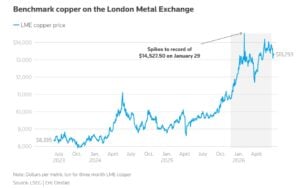
LME copper prices have fluctuated in early 2026. Prices fell from €13,327 per tonne on February 11 to €12,757 per tonne on February 16, showing short-term volatility. COMEX spot prices also dipped to $5.7710 per pound on February 12, down 3% daily but still up over 25% year-over-year. LME stocks rose slightly to 211,850 tonnes, signaling some inventory replenishment.

LME copper prices
Source: LME

J.P. Morgan forecasts an average of $12,075 per tonne in 2026. Prices could reach $12,500/tonne in the second quarter. Tight inventories and supply disruptions make the first half of the year particularly bullish.

Data centers are adding to demand. J.P. Morgan says copper used in data center installations could hit 475,000 tonnes in 2026, up 110,000 tonnes from this year. While still a small part of global demand, it adds pressure to an already tight market.

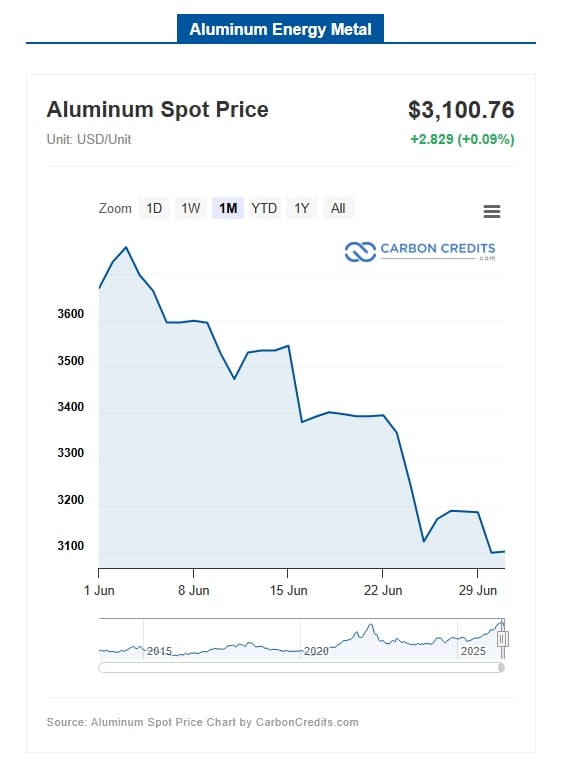
Higher prices could push some buyers toward aluminum. However, analysts warn that substitution is slow. It won’t quickly ease copper shortages.

BHP’s Strategic Advantage in a Structural Shift

For BHP, these trends back its long-term plan. Copper now makes up more than half of group earnings. The company increased production ahead of the market tightening. If prices stay above $12,000, margins could improve further.

Short-term volatility may continue. Slower growth in China or a weaker global economy could push prices down. On the other hand, mine disruptions or higher AI-related demand could push prices up.

Copper is vital for the energy transition. Electrification, decarbonization, and digitalization all need large amounts of the metal. With a projected deficit in 2026 and limited supply growth, the market fundamentals remain strong.

BHP’s results show more than a strong half-year. They highlight a bigger shift in commodities, where copper increasingly drives industrial growth and the clean energy transition.

ArcelorMittal Confirms $1.5 Billion Low-Carbon Steel Investment in France

ArcelorMittal will invest €1.3 billion (about $1.5 billion) to build a new electric arc furnace (EAF) at its steel site in Dunkirk, France. The company said the project marks a major step in cutting emissions from its French steel production.

The steelmaker announced the decision as French President Emmanuel Macron visited the Dunkirk site. ArcelorMittal said it now has more confidence to move forward because of recent policy and market changes in Europe and France. CEO Geert van Poelvoorde said,

“The decision to proceed with building an EAF in ArcelorMittal Dunkirk, to produce low-carbon emissions steel at scale for our customers, has been made possible because we now have the conditions in place to make this project a success…We will now focus on steering the Dunkirk EAF project to completion and commercial success.”

The EAF is scheduled to start up in 2029. It will have a capacity of 2 million tonnes of steel per year. 

A 2M-Tonne Shift Toward Scrap-Based Steel

Electric arc furnaces make steel mainly by melting scrap steel. They can also use low-carbon inputs like HBI/DRI (hot briquetted iron / direct reduced iron) mixed with hot metal. ArcelorMittal said its Dunkirk EAF will use a mix of scrap, HBI/DRI, and hot metal.

The company also gave a clear emissions estimate. It said the new EAF will emit about 0.6 tonne of CO₂ per tonne of steel and deliver three times less CO₂ than steel made in a blast furnace route.

This matters because steel is a hard sector to decarbonize. The industry produces significant CO₂e emissions, due to energy-intensive processes and heavy fossil fuel use. 

Per World Steel Association, the steel industry produces ~3 billion tonnes of CO₂ annually, accounting for ~9% of global emissions. The industry emits an average of 1.89 tonnes CO₂ per tonne in 2020. Producing one tonne of steel generates 1.7-1.8 tonnes of CO₂ on average, depending on technology use as seen below.

steel industry carbon emissions
Data source: World Steel Association

How Will France Support the Investment?

ArcelorMittal said part of the project will receive public support through Energy Efficiency Certificates (CEE). CEE is a regulatory mechanism in France that promotes energy savings and CO₂ reductions. The company said the support amount will represent 50% of the €1.3 billion investment.

The steelmaker also pointed to a key energy step in France. It said it recently signed a contract with EDF to secure a long-term supply of low-carbon, competitive electricity. The company described this as a major part of its energy strategy in France.

Electricity supply is critical for EAFs. The carbon benefit of an EAF depends heavily on how clean the grid is and how stable power prices are over time.

Why Did ArcelorMittal Invest in Bunkirk?

ArcelorMittal said three developments gave it confidence to confirm the Dunkirk investment.

  • Import Controls

First, it cited new European Commission proposals to limit unfair imports through a Tariff Rate Quota (TRQ) mechanism. ArcelorMittal said this approach would limit import quantities and impose additional duties if imports exceed set limits.

  • CBAM

Second, it pointed to proposed reforms to the EU’s Carbon Border Adjustment Mechanism (CBAM). ArcelorMittal said it expects these measures—if fully implemented—to restore “fair and competitive conditions” in the European steel market.

CBAM is the EU’s tool to apply a carbon price to certain carbon-intensive goods entering the EU. The European Commission says CBAM’s transitional phase runs from 2023 to 2025, and the definitive regime starts in 2026.

ArcelorMittal’s message was direct. It said it is important to implement the TRQ and adjust CBAM to close remaining loopholes as quickly as possible.

  • EDF Deal

Third, it highlighted its EDF electricity deal as another factor supporting the project.

€500M Bet on Electrification Demand

ArcelorMittal also highlighted another major investment near Dunkirk. At its Mardyck plant, close to Dunkirk, the company said it is starting up a new electrical steel production unit this quarter.

It said the company invested €500 million in this facility. ArcelorMittal described it as its largest investment in Europe in the last 10 years, excluding decarbonization projects.

Electrical steel is used in electric motors and other electrification applications. ArcelorMittal said the new plant supports the electrification of industrial and automotive uses. This point matters for demand.

Steelmakers often need clearer long-term demand signals for low-carbon materials before committing large capital to new production routes. 

From Blast Furnaces to EAFs: ArcelorMittal’s Broader Decarbonization Program

ArcelorMittal says it remains committed to reaching net-zero emissions by 2050. The company set this as a group-wide goal in 2020.

ArcelorMittal net zero or decarbonization roadmap
Source: ArcelorMittal

In its latest sustainability update, ArcelorMittal’s absolute emissions for its 2024 operating perimeter are almost 50% lower than its 2018 operating perimeter. The steel manufacturer further said it has invested $1 billion in decarbonization projects over that period.

The company is also shifting more steel production to the electric arc furnace (EAF) route. EAF production accounted for about a quarter of its global steelmaking in 2024, up from 19% in 2018.

In Europe, ArcelorMittal is moving ahead with several EAF-led projects. It said it started construction of a 1.1 million-tonne EAF at its long products plant in Gijón, Spain, which it expects will cut emissions by 1 million tonnes of CO₂e. It is also increasing output at Sestao, Spain, to 1.6 million tonnes by 2026, using two EAFs.

ArcelorMittal markets its low-carbon products under the XCarb® brand. The company said it can deliver low-carbon steel with a footprint as low as 300 kg CO₂ per tonne of steel, and it expected XCarb sales to rise to around 400,000 tonnes in the year it reported.

More notably, the company already operates an industrial-scale carbon capture and utilization (CCU) facility at Ghent, Belgium, with two additional pilots underway at the same site. 

Carbon Pricing and Competitiveness Reshape Steel

Steel decarbonization requires major capital and new infrastructure. It also needs policy support that reduces carbon leakage risk and helps companies compete with lower-cost imports.

The EU’s CBAM design aims to put a fair carbon price on imports and reduce the incentive to shift production outside the EU. The Commission notes that CBAM is also aligned with the phase-out of free allowances under the EU ETS to support industrial decarbonization.

At the same time, the steel sector still needs faster progress on emissions cuts. The IEA notes that steel emissions and emissions intensity need to fall by about 25% by 2030—around 3% per year—to get on track for net zero by mid-century.

ArcelorMittal’s Dunkirk EAF fits this direction. It shifts part of production toward a lower-emissions process and signals confidence that market rules are moving toward stronger climate and competitiveness safeguards.

Execution Phase: Can Policy and Profit Align?

ArcelorMittal said it will now focus on delivering the Dunkirk EAF project through to completion and commercial success.

The company also said it will review the possibility of building further EAFs elsewhere in Europe, but it plans to take a cautious approach based on its “economic decarbonisation” strategy.

For France, the project adds to broader efforts to keep heavy industry competitive while cutting emissions. Meanwhile, it reflects a wider shift toward low-carbon industrial investment for Europe backed by border measures, market defenses, and energy contracts.

For customers, the key outcome is supply. A 2-million-tonne EAF could provide lower-carbon steel at scale, starting in 2029, if the project stays on schedule and the policy measures ArcelorMittal cited take effect as planned.