Blackstone Bets โ‚ฌ2B on Eurowind as Europeโ€™s Renewable Energy Boom Meets AI-Driven Power Surge

Blackstone is investing up to โ‚ฌ2 billion ($2.3 billion) in Danish renewable energy developer Eurowind Energy. The deal marks one of the largest recent private investments in Europeโ€™s clean energy sector.

The investment will give Blackstone a significant minority stake in Eurowind. Current owners, like Danish energy and telecom group Norlys and Eurowindโ€™s founders, will stay as majority shareholders.

Founded in 2006, Eurowind develops and operates renewable energy projects across Europe. Its portfolio includes onshore wind, solar, battery storage, and biogas projects in 16 European markets. The company has expanded rapidly as Europe accelerates its energy transition.

Blackstone Makes One of Europeโ€™s Biggest Clean Energy Bets Yet

The deal comes at a time when Europe faces rising electricity demand, energy security concerns, and pressure to reduce carbon emissions.

Blackstone said the new capital will help Eurowind speed up renewable energy deployment across the region. Adam Kuhnley, Co-Head of European Investments at Blackstone Infrastructure, stated:

โ€œSignificant capital will be required to meet European energy demand in the coming years, and Blackstone is well-positioned to support and accelerate Europeโ€™s energy infrastructure build-out.โ€

Eurowind Energy CEO Jens Rasmussen remarked:

“Blackstone brings a long-term perspective with perpetual capital and believes in Eurowind Energyโ€™s strategy to become a leading independent power producer in Europe. The firm has significant experience within energy and infrastructure, and the investment will allow us to accelerate the pace of expansion and install three to four times more solar and wind energy as well as batteries versus our current pace.”

The transaction shows that private capital is now vital for funding Europeโ€™s clean energy growth. For years, electricity demand in Europe was mostly flat. That is now changing.

Blackstone predicts that European power demand will rise by over 3% each year until 2040. The increase is being driven by electrification, artificial intelligence (AI), industrial expansion, and the push for greater energy independence.

Several industries are adding pressure to the power grid.

Electric vehicles are increasing electricity use in transportation. Data centers supporting AI require massive amounts of constant power. Heavy industries are also shifting from fossil fuels to electricity-based systems to cut emissions.

The region is also cutting back on imported fossil fuels. This shift follows the energy crisis caused by the Russia-Ukraine war. This has increased investment in local renewable energy infrastructure.

The International Energy Agency (IEA) says renewable energy will make up almost 95% of new global power capacity by 2030. Solar and wind will drive this growth.

Europe renewable power capacity forecast 2030

Europe remains one of the worldโ€™s largest renewable energy markets. The European Union aims to cut greenhouse gas emissions by at least 55% by 2030. This goal compares to levels from 1990.

Europe needs big investments in renewable energy, battery storage, and updating the grid to meet these goals.

Eurowind Expands Beyond Traditional Wind Power

Although Eurowind began as a wind developer, the company is now expanding into broader energy infrastructure. Its projects include:

  • Onshore wind farms,ย 
  • Solar energy parks,ย 
  • Battery storage systems,ย 
  • Biogas facilities, and
  • Power-to-X technologies.

Power-to-X refers to technologies that convert renewable electricity into fuels such as green hydrogen. These systems are getting attention. They can help reduce carbon emissions in tough-to-electrify industries. This includes aviation, shipping, and heavy manufacturing.

This diversification reflects broader changes in the renewable sector.

Developers are increasingly combining wind, solar, and storage systems into integrated energy platforms. Battery storage is becoming increasingly important because renewable electricity generation can vary with weather conditions.

BloombergNEF reports that global energy storage will grow rapidly this decade. Grids will depend more on renewable energy. Eurowindโ€™s broader platform may help it capture multiple areas of growth within the energy transition.

global energy storage boom BNEF

The company gains by operating in multiple European markets. This approach helps lower dependence on just one country or regulatory system.

Why Private Capital Is Now Powering the Energy Transition

The Blackstone deal also reflects a growing shift in how renewable energy projects are financed. Large investment firms are increasing exposure to infrastructure assets tied to decarbonization and electrification.

Blackstone manages around $1.3 trillion in assets worldwide. This includes investments in infrastructure, energy, real estate, and private equity.

The company has been active in Europe for more than 25 years and reported investments of about $400 billion in European assets by the end of 2025. It also sees opportunities to invest more than $500 billion in Europe by 2035.

Blackstoneโ€™s current portfolio is structured around three primary pillars:

  • Renewable Generation and Storage,
  • Electrification and Grid Modernization, and
  • Energy Security and Resilience.

Blackstone’s Recent Strategic Investments

Blackstone has used its infrastructure and private equity divisions to acquire significant stakes in companies in the renewable and utility sectors. All of these are officially announced by the company.

  • Eurowind Energy (April 2026): committed up to โ‚ฌ2 billion to acquire a 24.7% stake in this Denmark-based developer.
  • Sunotec (April 2026): This is a tactical equity investment. It aims to speed up the development of solar power, battery storage, and grid infrastructure in Germany and the UK.
  • Advanced Cooling Technologies (March 2026): Blackstone Energy Transition Partners acquired a majority stake in this thermal management manufacturer. This move addresses the cooling needs of high-power density AI data centers.
  • TXNM Energy (Approval Feb 2026): Blackstone passed a key regulatory step for its $11.5 billion buy of New Mexico’s largest electric utility parent company. The deal is targeted to close in late 2026.
  • Natural Gas for AI (July 2025): They teamed up with PPL Corporation to build gas-fired plants in Pennsylvania. This will support the growth of data centers.

The firm manages these initiatives through specialized platforms, including:

  • Blackstone Energy Transition Partners: Its dedicated private equity arm, which has committed over $28 billion to energy sectors globally.
  • Sustainable Resources Credit Platform: A specialized credit platform launched to address the financing needs of large-scale decarbonization projects.
  • Energy Transition Fund V: As of early 2026, Blackstone is raising its fifth energy transition fund, which is expected to be “meaningfully larger” than previous vintages due to high deal flow in the electrification ecosystem.

These private equity and infrastructure funds, along with others, are key players in clean energy. Governments canโ€™t finance the large investments needed on their own.

The IEA estimates that global clean energy investment is over $2 trillion a year. Spending will likely increase to meet climate goals.

global clean energy investment 2025 by IEA

Renewable energy projects are increasingly being treated like long-term infrastructure assets. Investors are attracted by stable cash flows, long operating lifespans, and growing electricity demand.

At the same time, ESG and sustainability goals are influencing capital allocation decisions. Big investors feel the pressure to back lower-carbon assets. They also need to cut ties with high-emission sectors.

Europeโ€™s Renewable Gold Rush Is Getting Crowded

The Blackstone-Eurowind deal comes during intense competition for renewable energy assets.

Global investors are racing to secure positions in fast-growing clean energy markets. Pension funds, sovereign wealth funds, private equity firms, and infrastructure investors are all increasing exposure to renewable projects.

Moreover, electricity is becoming more central to transportation, manufacturing, AI infrastructure, and heating systems. This is increasing the need for reliable and low-carbon power generation.

For investors, renewable infrastructure is viewed both as an environmental strategy and as a long-term growth opportunity tied to Europeโ€™s economic transformation.

Blackstoneโ€™s โ‚ฌ2 billion investment in Eurowind reflects that shift. It shows how large financial firms are positioning themselves for a future where clean electricity, energy security, and digital infrastructure become deeply connected across the European economy.

Amazon-Backed X-Energy Pulls Off $1B Nuclear IPO as AI Power Race Heats Up

X-Energy, a U.S. nuclear reactor developer backed by Amazon, has raised $1.02 billion in one of the biggest nuclear energy public offerings in recent years. The company sold about 44.3 million shares at $23 each, above its original target range of $16 to $19 per share. The stock began trading on the Nasdaq under the ticker XE.

Investor demand was strong. Reports said the IPO was heavily oversubscribed, reflecting growing interest in nuclear energy as artificial intelligence (AI) sharply increases electricity demand.

After trading began, X-Energyโ€™s valuation climbed close to $12 billion. Its stock also surged in its Nasdaq debut, jumping about 27% above its $23 IPO price to around $29 per share.

The IPO also marked a major turnaround for the company. In 2023, X-Energy canceled a planned SPAC merger because of weak market conditions. Less than three years later, the same company returned to public markets with much stronger investor support.

The shift reflects a larger change in global energy markets. AI growth is creating massive new electricity demand, and many technology companies are now searching for stable, carbon-free power sources.

AI Boom Is Reviving Interest in Nuclear Energy

AI data centers require enormous amounts of electricity. Unlike traditional internet services, AI systems run complex computing workloads around the clock.

According to the International Energy Agency (IEA), global electricity demand from data centers is expected to more than double by 2030. AI will become one of the biggest drivers of that growth. This is changing how technology companies think about energy supply.

Renewable energy remains important, but solar and wind power can fluctuate depending on the weather and the time of day. Nuclear energy, by contrast, can provide continuous electricity with near-zero operational carbon emissions.

lifecycle emissions of nuclear coal gas
Source: World Nuclear Organization

That is one reason companies such as Amazon, Microsoft, Google, and Meta are increasing interest in nuclear power partnerships. Amazon invested about $500 million in X-Energy in 2024 to support small modular reactor, or SMR, deployment.

The company also signed agreements tied to future nuclear power supply. Under one agreement, Amazon plans to support up to 5 gigawatts (GW) of nuclear capacity from X-Energy projects by 2039.

  • For comparison, 5 GW is enough electricity capacity to power several million homes.

The growing link between AI and energy demand is now reshaping investment flows across the energy sector. And nuclear is largely impacted.ย 

How X-Energyโ€™s Xe-100 Reactor Technology Works

X-Energy focuses on advanced nuclear systems called small modular reactors. Its main design is the Xe-100 reactor, a high-temperature gas-cooled reactor that uses helium instead of water for cooling. Each unit can generate about 80 megawatts (MW) of electricity.

The company says the reactor is designed to be safer and more flexible than traditional large nuclear plants.

The Xe-100 also uses TRISO fuel particles, which are built to withstand very high temperatures. X-Energy says the fuel can retain more than 99.99% of fission products under extreme conditions.

Another advantage is scalability. Instead of building one massive nuclear station, utilities can deploy multiple smaller reactor units over time. This approach could reduce construction risk and shorten development timelines.

X-Energy has already secured important regulatory progress. Its fuel facility in Oak Ridge, Tennessee, received a 40-year special nuclear material license from the U.S. Nuclear Regulatory Commission (NRC). According to reports, this was the first license of its kind granted for a new fuel fabrication facility in about 50 years.

The company is also developing a four-reactor project for Dow Chemical in Texas.

The Nuclear Comeback Is Going Global

X-Energyโ€™s IPO reflects broader momentum across the nuclear sector. Governments and investors are increasingly viewing nuclear power as part of long-term decarbonization strategies.

According to the International Atomic Energy Agency (IAEA), nuclear power currently supplies around 9% of global electricity and roughly 25% of low-carbon electricity worldwide.

nuclear energy power share 2024
Figure 2: World electricity production by source 2023. Source: World Nuclear Association

At the COP28 climate summit, more than 20 countries supported a goal to triple global nuclear capacity by 2050.

Investment activity is also accelerating. Companies such as Oklo, NuScale Power, TerraPower, and Kairos Power are all developing advanced reactor systems. Several projects are backed by major technology investors and government funding programs.

The U.S. Department of Energy selected X-Energy for its Advanced Reactor Demonstration Program (ARDP) in 2020. The program committed about $1.2 billion toward the development of the Xe-100 reactor and fuel technology.

Private capital is also flowing into the sector. Market analysts expect the global SMR market to grow significantly over the next decade as countries seek reliable low-carbon electricity sources.

SMR Global Installed Capacity by Scenario and Case, 2025-2050 IEA data

Demand is especially rising from industries with large energy needs, including AI infrastructure, manufacturing, hydrogen production, and heavy industry.

Amazon and Big Tech Push Net Zero Energy Strategies

Large technology companies are under pressure to reduce emissions while supporting rapid AI expansion.

Amazon has committed to reaching net-zero carbon emissions by 2040 under its Climate Pledge initiative. The company also aims to match its operations with 100% renewable energy. However, AI data centers are increasing electricity consumption rapidly. This has made energy reliability a growing concern.

Nuclear power is now being explored as part of broader clean energy strategies.

Microsoft recently signed agreements tied to nuclear energy development. Google has also backed advanced nuclear energy and clean energy systems to support future AI infrastructure.

Many companies now see nuclear power as a complement to renewable energy rather than a replacement. The goal is to combine different low-carbon energy sources to maintain a stable electricity supply while reducing emissions.

For X-Energy, this creates a large potential customer base. The company reported a growing project pipeline involving utilities, industrial firms, and technology companies.

From IPO to Power Grid: Challenges Remain, But a New Energy Economy Takes Shape

Despite investor excitement, advanced nuclear development still faces major challenges. Most SMR projects are still years away from full commercial operation.

X-Energyโ€™s reactors have not yet produced commercial electricity. Several projects are still under regulatory review and permitting stages.

Nuclear projects also face high upfront costs and long construction timelines. Past projects in the industry have experienced delays and budget overruns. Analysts say commercialization risks remain significant for all advanced reactor developers.

Still, investor interest remains strong because energy demand is growing rapidly. The rise of AI is creating a new market dynamic where electricity supply is becoming a strategic issue for technology companies.

The IEA estimates that data centers could consume more than 1,000 TWh annually by 2030. And nuclear energy is expected to play a bigger role later in the decade as small modular reactors enter the market.

sources of electricity for data center nuclear

This is helping reshape the role of nuclear energy in the global energy transition. Advanced nuclear systems are increasingly being viewed as a potential source of reliable baseload power that can support both decarbonization goals and the fast-growing electricity needs of the AI economy.

For X-Energy, the successful IPO is more than a fundraising event. It signals that advanced nuclear power is moving closer to the center of the AI-driven energy economy.

TotalEnergies Pushes $1.2B Kazakhstan Wind Bet Amid Legal Storms and Energy Transition Pressure

TotalEnergies has approved a $1.2 billion investment in a large wind and battery project in Kazakhstan. The project moves ahead even with ongoing legal disputes in the country.

The project is called the Mirny wind farm. It is one of the largest renewable energy projects in Central Asia. It will combine 1 gigawatt (GW) of wind capacity with a 600 megawatt-hour (MWh) battery storage system.

The system will help store electricity when wind production is high and will release power when demand is high.

Olivier Jouny, SVP Renewables at TotalEnergies, stated:

“We are delighted to launch one of Kazakhstanโ€™s largest renewable energy initiatives to date, thereby contributing to the countryโ€™s target of increasing the share of renewables in electricity generation to 15% by 2030…This 1 GW onshore wind farm will also contribute to the 9 GW renewables portfolio that we are combining with Masdar through a 50/50 joint venture across nine Asian countries, including Kazakhstan.”

Mirny Project Unpacked: Wind Power Meets Grid-Scale Battery Storage

Once completed, the project is expected to supply electricity for around 1 million people. It is also expected to generate about 100 terawatt-hours (TWh) over 25 years. Full operation is targeted for 2029.

However, TotalEnergies is still involved in legal disputes in Kazakhstanโ€™s oil sector. These include a $4.6 billion environmental fine linked to the Kashagan oilfield. There are also disagreements over costs and contracts.

This creates a mixed picture. The energy giant is expanding clean energy while still facing fossil fuel-related legal risks.

Kazakhstan_EN Mirny wind project totalenergies
Source: TotalEnergies

The Mirny wind project is built through a joint structure. TotalEnergies owns 60% of the project. Kazakhstanโ€™s state companies Samruk Energy and KazMunayGas each hold 20%.

The project is also backed by global financing. Around 75% of the total cost will come from external lenders, including development banks and commercial banks.

One key supporter is the European Bank for Reconstruction and Development (EBRD). This reflects a wider trend where multilateral banks support renewable energy growth in emerging markets.

The electricity will be sold under a 25-year power purchase agreement (PPA). This long-term contract reduces market risk and stabilizes revenue. Such structures are now common in large renewable projects. They help reduce upfront risk for developers.

Legal Clouds Over Oil, Clean Energy Rising in Parallel

TotalEnergies has operated in Kazakhstan since 1993. It follows a multi-energy strategy that includes both oil and gas production and renewable energy projects.

The oil giant holds a 16.81% stake in the North Caspian Project, which supports Kazakhstanโ€™s energy output and economic stability. It also runs 128 MW of solar projects in the country.

These projects are designed to support Kazakhstanโ€™s goal of reaching net zero emissions by 2060.

However, TotalEnergiesโ€™ expansion in Kazakhstan is not without risk. The company is still linked to major disputes in the oil and gas sector.

The most notable is a $4.6 billion environmental penalty tied to operations at the Kashagan oilfield. There are also disagreements over cost recovery and investment terms with partners.

These disputes matter for investors. They show that even large energy companies face legal and financial uncertainty in resource-heavy markets. Some global oil companies have slowed investment in similar regions due to regulatory risks. Others have restructured their portfolios to reduce exposure.

TotalEnergies, however, continues to invest in both fossil fuel operations and renewable projects at the same time. This dual strategy reflects a transition phase in the global energy sector.

Kazakhstanโ€™s Energy Crossroads: Oil Giant, Renewable Future

Kazakhstan plays an important role in global energy markets. The country is one of the largest oil producers in Central Asia. Oil and gas still dominate its energy mix and export revenues. Energy exports are a major source of national income.

International Energy Agency - Electricity generation sources, Kazakhstan, 2023

At the same time, Kazakhstan is trying to expand renewable energy. The government has set a target to reach 15% renewable electricity share by 2030. It currently relies heavily on coal, which still generates a large share of electricity.

Kazakhstan has strong wind resources, especially in the central and southern regions. Average wind speeds in some areas make it suitable for large-scale wind farms. The share of wind in electricity generation has been increasing, as shown below.ย 

International Energy Agency - Evolution of renewable electricity generation by source (non-combustible) in Kazakhstan since 2000

The country also faces growing electricity demand. Industrial growth and urban expansion are increasing pressure on the power grid. This creates a need for new capacity. Renewable energy is seen as one way to meet future demand while reducing emissions.

International companies are increasingly active in this transition. Projects like Mirny are part of Kazakhstanโ€™s strategy to attract foreign investment into clean energy infrastructure.

However, challenges remain. The grid still depends on older fossil fuel systems. Integration of wind and solar requires upgrades in transmission and storage. This makes hybrid projects, like wind plus battery storage, more important for stability.

Global Energy Shift Drives Renewable Expansion

The Kazakhstan project reflects a wider global energy shift. Renewable energy capacity is expanding rapidly worldwide. The International Energy Agency (IEA) reports that wind and solar are leading new power generation growth across many regions.

Similarly, Ember recently reported that renewable and clean power overtook fossil fuels in 2025.

clean power growth 2025 ember report

Governments are also tightening climate policies. Many countries now require companies to report emissions and reduce carbon intensity.

The European Union, the United States, China, and Japan are all strengthening clean energy and disclosure rules. This is increasing pressure on global energy firms.

In emerging markets, renewable energy is also linked to economic development. It helps improve energy access and reduce dependence on imported fuels.

Kazakhstan is part of this global trend. It is trying to attract foreign capital while modernizing its energy system. For the oil giant, it impacts its decarbonization journey.ย 

TotalEnergiesโ€™ Net Zero Strategy and Energy Transition Plan

TotalEnergies has a long-term climate strategy. The company targets net zero emissions by 2050 across its operations and energy products.

TotalEnergies net zero 2050 ambition
Source: TotalEnergies

It is also expanding its electricity business. This includes solar, wind, and battery storage projects worldwide. Key targets include:

  • Reaching 100 GW of renewable capacity by 2030,
  • Producing more than 100 TWh of electricity annually by 2030, and
  • Expanding low-carbon power and integrated energy systems.

All these help reduce the company’s GHG emissions in 2025 compared to the prior year.

TotalEnergies GHG Emissions Dropped 2025

As of recent reporting, TotalEnergies operates over 30 GW of renewable capacity globally. This makes it one of the largest renewable investors among traditional oil companies.

The Kazakhstan wind farm supports this strategy. It combines generation and storage at scale. This improves grid reliability and supports the long-term decarbonization goals of the oil major.

Balancing Growth, Risk, and Energy Transition

The Mirny project shows the complexity of todayโ€™s energy transition.

On one side, there is a strong demand for renewable energy investment. On the other hand, legal and political risks remain in fossil fuel-linked economies.

Companies like TotalEnergies are managing both sides at once. They continue oil and gas operations while expanding renewable energy portfolios. This balance is not simple. Legal disputes, financing risks, and regulatory changes all affect project timelines.

Still, large hybrid projects are becoming more common. They combine wind, solar, and battery storage to improve stability.

As global energy demand rises, projects like Mirny will likely play a larger role in emerging markets. They show how energy companies are adapting to both climate pressure and economic realities at the same time.

Apple, Amazon Lead 60+ Firms to Ease Global Carbon Reporting Rules

More than 60 global companies, including Apple, Amazon, BYD, Salesforce, Mars, and Schneider Electric, are pushing back against proposed changes to global emissions reporting rules. The group is calling for more flexibility under the Greenhouse Gas Protocol (GHG Protocol), the most widely used framework for measuring corporate carbon footprints.

The companies submitted a joint statement asking that new requirements, especially those affecting Scope 2 emissions, remain optional rather than mandatory. Their letter stated:

“To drive critical climate progress, it’s imperative that we get this revision right. We strongly urge the GHGP to improve upon the existing guidance, but not stymie critical electricity decarbonization investments by mandating a change that fundamentally threatens participation in this voluntary market, which acts as the linchpin in decarbonization across nearly all sectors of the economy. The revised guidance must encourage more clean energy procurement and enable more impactful corporate action, not unintentionally discourage it.”

The debate comes at a critical time. Corporate climate disclosures now influence trillions of dollars in capital flows, while stricter reporting rules are being introduced across major economies.

The Rulebook for Carbon: What the GHG Protocol Is and Why Itโ€™s Being Updated

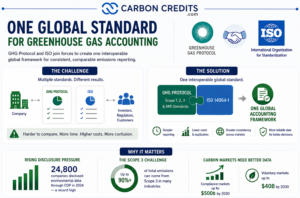
The Greenhouse Gas Protocol is the worldโ€™s most widely used system for measuring corporate emissions. It is used by over 90% of companies that report greenhouse gas data globally, making it the foundation of most climate disclosures.

It divides emissions into three categories:

  • Scope 1: Direct emissions from operations
  • Scope 2: Emissions from purchased electricity
  • Scope 3: Emissions across the value chain
scope emissions sources overview
Source: GHG Protocol

The current Scope 2 rules were introduced in 2015, but energy markets have changed since then. Renewable energy has expanded, and companies now play a major role in funding clean power.

Corporate buyers have already supported more than 100 gigawatts (GW) of renewable energy capacity globally through voluntary purchases. This shows how influential the current system has been.

The GHG Protocol is now updating its rules to improve accuracy and transparency. The revision process includes input from more than 45 experts across industry, government, and academia, reflecting its global importance.

Scope 2 Shake-Up: The Battle Over Real-Time Carbon Tracking

The proposed update would shift how companies report electricity emissions. Instead of using flexible systems like renewable energy certificates (RECs), companies would need to match their electricity use with clean energy that is:

  • Generated at the same time, and
  • Located in the same grid region.

This is known as “24/7” or hourly or real-time matching. It aims to reflect the actual impact of electricity use on the grid. Companies, including Apple and Amazon, say this shift could create challenges.

GHG accounting from the sale and purchase of electricity
Source: GHG Protocol

According to industry feedback, stricter rules could raise energy costs and limit access to renewable energy in some regions. It can also slow corporate investment in new clean energy projects.

The concern is that many markets do not yet have enough renewable supply for real-time matching. Infrastructure for tracking hourly emissions is also still developing.

This creates a key tension. The new rules could improve accuracy and reduce greenwashing. But they may also make it harder for companies to scale clean energy quickly.

The outcome will shape how companies measure emissions, invest in renewables, and meet net-zero targets in the years ahead.

Why More Than 60 Companies Oppose the Changes

The companies argue that stricter rules could slow climate progress rather than accelerate it. Their main concern is cost and feasibility. Many regions still lack enough renewable energy to support real-time matching. For global companies, aligning energy use across different grids is complex.

In their joint statement, the group warned that mandatory changes could:

  • Increase electricity prices,
  • Reduce participation in voluntary clean energy markets, and
  • Slow investment in renewable energy projects.

They argue that current market-based systems, such as RECs, have helped scale clean energy quickly over the past decade. Removing flexibility could weaken that momentum.

This reflects a broader tension between accuracy and scalability in climate reporting.

Big Tech Pushback: Apple and Amazonโ€™s Climate Progress

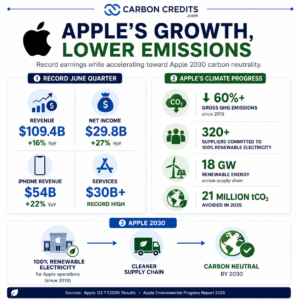
Despite their push for flexibility, both companies have made measurable progress on emissions reduction.

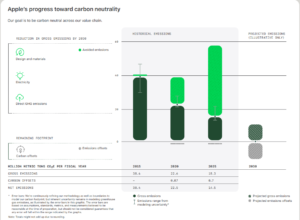
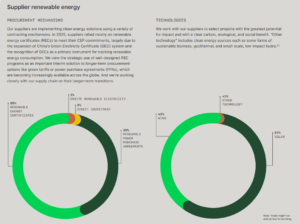
Apple reports that it has reduced its total greenhouse gas emissions by more than 60% compared to 2015 levels, even as revenue grew significantly. The company is targeting carbon neutrality across its entire value chain by 2030. It also reported that supplier renewable energy use helped avoid over 26 million metric tons of COโ‚‚ emissions in 2025 alone.

In addition, about 30% of materials used in Apple products in 2025 were recycled, showing a shift toward circular manufacturing.

Amazon has also set a net-zero target for 2040 under its Climate Pledge. The company is one of the worldโ€™s largest corporate buyers of renewable energy and continues to invest heavily in clean power, logistics electrification, and low-carbon infrastructure.

Both companies argue that flexible accounting frameworks have supported these investments at scale.

The Bigger Challenge: Scope 3 and Digital Emissions

The debate over Scope 2 reporting is only part of a larger issue. For most large companies, Scope 3 emissions account for more than 70% of total emissions. These include supply chains, product use, and outsourced services.

In the technology sector, emissions are rising due to:

  • Data centers,
  • Cloud computing, and
  • Artificial intelligence workloads.

Global data centers already consume about 415โ€“460 terawatt-hours (TWh) of electricity per year, equal to roughly 1.5%โ€“2% of global power demand. This figure is expected to increase sharply. The International Energy Agency estimates that data center electricity demand could double by 2030, driven largely by AI.

This creates a major reporting challenge. Even with cleaner electricity, total emissions can rise as digital demand grows.

Climate Reporting Rules Are Tightening Globally

The pushback comes as climate disclosure requirements are expanding and becoming more standardized across major economies. What was once voluntary ESG reporting is steadily shifting toward mandatory, audit-ready climate transparency.

In the European Union, the Corporate Sustainability Reporting Directive (CSRD) is now active. It requires large companies and, later, listed SMEs, to share detailed sustainability data. This data must match the European Sustainability Reporting Standards (ESRS). This includes granular reporting on emissions across Scope 1, 2, and increasingly Scope 3 value chains.

In the United States, the Securities and Exchange Commission (SEC) aims for mandatory climate-related disclosures for public companies. This includes governance, risk exposure, and emissions reporting. However, some parts of the rule face legal and political scrutiny.

The United Kingdom has included climate disclosure through TCFD requirements. Now, it is moving toward ISSB-based global standards to make comparisons easier. Similarly, Canada is progressing with ISSB-aligned mandatory reporting frameworks for large public issuers.

In Asia, momentum is also accelerating. Japan is introducing the Sustainability Standards Board of Japan (SSBJ) rules that match ISSB standards. Meanwhile, China is tightening ESG disclosure rules for listed companies through updates from its securities regulators. Singapore has also mandated climate reporting for listed companies, with phased Scope 3 expansion.

A clear trend is forming across jurisdictions: climate disclosure is aligning with ISSB global standards. There’s a growing focus on assurance, comparability, and transparency in value-chain emissions.

This regulatory tightening raises the bar significantly for corporations. The challenge is clear. Companies must:

  • Align with multiple evolving disclosure regimes,
  • Ensure emissions data is verifiable and auditable, and
  • Expand reporting across complex global supply chains.

Balancing operational growth with compliance is becoming increasingly complex as climate regulation converges and intensifies worldwide.

A Turning Point for Global Carbon Accountingย 

The outcome of this debate could shape global carbon accounting standards for years.

If stricter rules are adopted, emissions reporting will become more precise. This could improve transparency and reduce greenwashing risks. However, it may also increase compliance costs and limit flexibility.

If the proposed changes remain optional, companies may continue using current accounting methods. This could support faster clean energy investment, but may leave gaps in reporting accuracy.

The new rules could take effect as early as next year, making this a near-term decision for global companies.

The push by Apple, Amazon, and other companies highlights a key tension in climate strategy. On one side is the need for accurate, real-time emissions reporting. On the other is the need for flexible systems that support large-scale clean energy investment.

As digital infrastructure expands and energy demand rises, how emissions are measured will matter as much as how they are reduced. The next phase of climate action will depend not just on targetsโ€”but on the systems used to track them.

Mastercard Beats 2025 Emissions Targets as Revenue Rises 16%, Breaking the Growth vs Carbon Trade-Off

Mastercard says it has exceeded its 2025 emissions reduction targets while continuing to grow its global business. The company reduced emissions across its operations even as revenue increased strongly in 2025.

The update comes from Mastercardโ€™s official sustainability and technology disclosure published in 2026. It confirms progress toward its long-term goal of net-zero emissions by 2040, covering its full value chain.

The results are important for the financial technology sector. Digital payments depend heavily on data centers and cloud systems, which are energy-intensive and linked to rising global emissions.

Breaking the Pattern: Emissions Fall While Revenue Rises

In 2025, Mastercard surpassed its interim climate targets compared with a 2016 baseline. The company reported a 44% reduction in Scope 1 and Scope 2 emissions, beating its target of 38%. It also achieved a 46% reduction in Scope 3 emissions, far exceeding its 20% target.

At the same time, Mastercard recorded 16% revenue growth in 2025. This shows that emissions reductions continued even as the business expanded. Mastercard Chief Sustainability Officer Ellen Jackowski and Senior Vice President of Data and Governance Adam Tenzer wrote:

“These results reflect a comprehensive approach built on renewable energy investment and procurement, supply chain engagement, and embedding environmental sustainability into everyday business decisions.”

The company also reported a 1% year-on-year decline in total emissions, marking the third consecutive year of emissions reduction. This is important because digital payment networks usually grow with higher computing demand.

Mastercard says this trend reflects improved efficiency across its operations, better infrastructure use, and increased reliance on cleaner energy sources.

Mastercard 2024 GHG emissions
Source: Mastercard

The Hidden Footprint: Why Data Centers Drive Mastercardโ€™s Emissions

A large share of Mastercardโ€™s emissions comes from its digital infrastructure. According to the companyโ€™s sustainability report, data centers account for about 60% of Scope 1 and Scope 2 emissions. Technology-related goods and services make up roughly one-third of Scope 3 emissions.

This reflects how modern financial systems operate. Digital payments, fraud detection, and AI-based analytics require a large-scale computing infrastructure.

Global data centers already consume about 415โ€“460 TWh of electricity per year, equal to roughly 1.5%โ€“2% of global electricity demand. This number is expected to rise as AI usage expands.

Mastercardโ€™s challenge is similar to that of other digital companies. Higher transaction volume usually leads to greater computing needs. This can raise emissions unless we improve efficiency.

To manage this, the company is focusing on renewable energy procurement, hardware consolidation, and more efficient software systems.

Carbon-Aware Technology Becomes Core to Operations

Mastercard is integrating sustainability directly into its technology systems rather than treating it as a separate reporting function. Since 2023, the company has developed a patent-pending system that assigns a Sustainability Score to its technology infrastructure. This system measures environmental impact in real time.

It tracks factors such as:

  • Energy use in kilowatt-hours,
  • Regional carbon intensity of electricity,
  • Server utilization rates,
  • Hardware lifecycle efficiency, and
  • Data processing location.

This allows engineers to design systems with lower carbon impact.

The company also uses carbon-aware software design. This means computing workloads can be adjusted to reduce energy use when carbon intensity is high in certain regions.

This approach reflects a wider trend in the technology and financial sectors. More companies are now including carbon tracking in their main infrastructure choices. They no longer see it just as a reporting task.

Powering Payments: Mastercardโ€™s Net-Zero Playbook

Mastercard has committed to reaching net-zero emissions by 2040, covering Scope 1, Scope 2, and Scope 3 emissions across its value chain. The target is aligned with science-based climate pathways and includes operations, suppliers, and technology infrastructure.

To achieve this, the company is focusing on four main areas.

  • Increasing renewable energy use in operations

Mastercard already powers its global operations with 100% renewable electricity. This covers offices and data centers in multiple regions.

The company has also achieved a 46% reduction in total Scope 1, 2, and 3 emissions compared to its 2016 baseline. It continues to use renewable energy purchasing to maintain this progress.

In 2024, Mastercard procured over 112,000 MWh of renewable electricity, supporting lower emissions from its global operations.

  • Improving energy efficiency in data centers

Data centers account for about 60% of Mastercardโ€™s Scope 1 and 2 emissions. To reduce this, Mastercard is upgrading servers, cutting unused computing capacity, and improving workload efficiency. It also uses real-time monitoring to reduce energy waste.

These improvements helped keep operational emissions stable in 2024, even as computing demand increased. Efficiency gains combined with renewable energy use supported this outcome.

  • Working with suppliers to reduce emissions

Around 75%โ€“76% of Mastercardโ€™s total emissions come from its value chain. This includes cloud providers, technology partners, and hardware suppliers.

To address this, Mastercard works with suppliers to set emissions targets and improve reporting. More than 70% of its suppliers now have their own climate reduction goals.

  • Upgrading and consolidating hardware systems

Mastercard is reducing emissions by improving its hardware systems. It decommissions unused servers, consolidates infrastructure, and shifts to more efficient cloud platforms.

Technology goods and services account for about one-third of Scope 3 emissions. By reducing unnecessary hardware and extending equipment life, Mastercard lowers both energy use and manufacturing-related emissions while maintaining system performance.

Renewable energy procurement is central to its strategy. Itโ€™s crucial for powering data centers, as they account for most of their operational emissions.

Mastercard works with suppliers because a large part of emissions comes from the value chain. This includes technology manufacturing and cloud services. By 2025, the company exceeded several short-term climate goals. This shows early progress on its long-term net-zero path.

mastercard emissions vs growth

ESG Pressure Hits Fintech: The New Rules of Digital Finance

Mastercardโ€™s results come during a period of rising ESG pressure across the financial sector. Banks, payment networks, and fintech companies must now disclose emissions. This is especially true for Scope 3 emissions, which cover supply chain and digital infrastructure impacts.

Several global trends are shaping the industry:

  • Growing regulatory focus on climate disclosure,
  • Rising investor demand for ESG transparency,
  • Expansion of digital payments and cloud computing, and
  • Increased energy use from AI and data processing.

Data centers are becoming a major focus area because they link financial services to energy consumption. In Mastercardโ€™s case, they are the largest source of operational emissions.

At the same time, financial institutions are expected to align with net-zero targets between 2040 and 2050. This depends on regional regulations and climate frameworks. Mastercardโ€™s early progress places it ahead of many peers in meeting short-term emissions goals.

Decoupling Growth From Emissions

One of the most important signals from Mastercardโ€™s 2025 results is the separation of business growth from emissions.

The company achieved 16% revenue growth while reducing total emissions by 1% year-on-year. This marks a continued pattern of emissions decline alongside business expansion.

Mastercard attributes this to improved system efficiency, renewable energy use, and better infrastructure management. In simple terms, the company is processing more transactions without a matching rise in emissions.

This trend is important because digital payment systems normally scale with computing demand. Without efficiency gains, emissions would typically rise with business growth.

Looking ahead, demand will continue to grow. Global payments revenue is projected to reach around $3.1 trillion by 2028, according to McKinsey & Company, growing at close to 10% annually.

global payments revenue 2028 mckinsey
Source: McKinsey & Company

Global data center electricity demand might double by 2030. This rise is mainly due to AI workloads, says the International Energy Agency. Mastercard’s results show that tech upgrades can lower the carbon impact of digital finance. This is true even as global usage rises.

The Takeaway: Fintechโ€™s Proof That Growth and Emissions Can Split

Mastercardโ€™s 2025 sustainability performance shows measurable progress toward its net-zero goal. At the same time, major challenges remain. Data centers continue to be the largest emissions source, and global digital activity is still expanding rapidly due to AI and cloud computing.

Mastercardโ€™s approach shows how financial technology companies are adapting. Sustainability is no longer a separate goal. It is becoming part of how digital systems are designed and operated.

The next test will be whether these efficiency gains can continue to outpace the rapid growth of global digital payments and AI-driven financial systems.

Chinaโ€™s $8.4B Orbital Data Center Push Sets Up Space-Based AI Showdown With SpaceX

China is backing a Beijing-based startup called Orbital Chenguang with about 57.7 billion yuan ($8.4 billion) in credit lines to build space-based data centers, according to media reports. The funding comes from major state-linked banks and signals one of the largest known investments in orbital computing infrastructure.

The move highlights a growing global race to build computing systems in space. It also puts China in direct competition with companies like SpaceX, which is exploring space-based data infrastructure, too.

Orbital Chenguang Builds State-Backed Space Computing System

Orbital Chenguang is a startup in Beijing supported by the Beijing Astro-future Institute of Space Technology. This institute works with the cityโ€™s science and technology authorities.

The company has received credit line support from major Chinese financial institutions, including:

  • Bank of China,
  • Agricultural Bank of China,
  • Bank of Communications,
  • Shanghai Pudong Development Bank, and
  • CITIC Bank.

These are credit lines, not fully deployed cash. But the scale shows strong institutional backing.

The project is part of a wider national strategy focused on commercial space, AI infrastructure, and advanced computing systems.

China’s state space contractor, CASC (China Aerospace Science and Technology Corporation), has shared plans under its 15th Five-Year Plan. These include ideas for large-scale space computing systems, aiming for gigawatt power.

Space Data Center Plan Targets 2035 Gigawatt Capacity

According to Chinese media reports, Orbital Chenguang plans to build a constellation in a dawn-dusk sun-synchronous orbit at 700โ€“800 km altitude. The long-term target is a gigawatt-scale space data center by 2035.

The development plan is divided into phases:

  • 2025โ€“2027: Launch early computing satellites and solve technical barriers.
  • 2028โ€“2030: Link space-based systems with Earth-based data centers.
  • 2030โ€“2035: Scale toward large orbital computing infrastructure.

The design relies on continuous solar energy and natural cooling in space. These features could reduce reliance on land-based power grids and cooling systems.

China has proposed two satellite constellations to the International Telecommunication Union (ITU). These plans include a total of 96,714 satellites. This shows Chinaโ€™s long-term goals for space infrastructure and spectrum control.

The AI Energy Crunch Pushing Computing Into Orbit

The push into orbital data centers is closely linked to rising AI demand. Global data centers consumed about 415โ€“460 terawatt-hours (TWh) of electricity in 2024, equal to roughly 1.5%โ€“2% of global power use. This figure is rising quickly due to AI workloads.

Some industry projections show demand could exceed 1,000 TWh by 2026, nearly equal to Japanโ€™s total electricity consumption.

data center power demand AI 2030 Goldman

AI systems require massive computing power, which increases energy use and cooling needs. In many regions, electricity supplyโ€”not hardwareโ€”is now the main constraint on AI expansion.

Chinaโ€™s strategy aims to address this by moving part of the computing load into space, where solar energy is more stable and continuous.

Carbon Impact: Earth vs Space Computing Trade-Off

Data centers already create a large carbon footprint. In 2024, they emitted about 182 million tonnes of COโ‚‚, based on global electricity use of roughly 460 TWh and an average carbon intensity of 396 grams of COโ‚‚ per kWh. This is according to the International Energy Agency report, as shown in the chart below.

global data centers emissions 2035 IEA
Source: IEA

Future projections show even faster growth. The sector could generate up to 2.5 billion tonnes of COโ‚‚ emissions by 2030, driven by AI expansion. This is where orbital systems come in. They aim to reduce emissions during operation by using:

  • Continuous solar energy,
  • Passive cooling in vacuum conditions, and
  • Reduced dependence on fossil-fuel grids.

However, space systems also introduce new emissions. Rocket launches used about 63,000 tonnes of propellant in 2022, producing COโ‚‚ and atmospheric pollutants. Lifecycle studies suggest that over 70% of emissions from space systems typically come from manufacturing and launch activities.

In addition, hardware in orbit often has a lifespan of only 5โ€“6 years, which increases replacement cycles and launch frequency. This creates a key trade-off:

  • Lower operational emissions in space, and
  • Higher lifecycle emissions from launches and manufacturing.

Research suggests that, in some scenarios, orbital computing could produce up to 10 times higher total carbon emissions than terrestrial systems when full lifecycle impacts are included.

Orbital data center infographic. Environmental impact of orbital and terrestrial data centers

Chinaโ€™s Expanding Space-Tech Ecosystem

Orbital Chenguang is not operating alone. Several Chinese companies are working on similar in-orbit computing systems, including ADA Space, Zhejiang Lab, Shanghai Bailing Aerospace, and Zhongke Tiansuan.

These firms are developing satellite-based computing and AI processing systems. This shows that orbital computing is not a single project. It is part of a broader national push across government, industry, and research institutions.

Chinaโ€™s space strategy combines commercial space growth with national technology planning. It aims to build integrated systems that connect satellites, cloud computing, and terrestrial networks.

The Space-AI Arms Race: China vs SpaceX vs Google

China is not alone in exploring space-based computing. Companies in the United States are also developing orbital data infrastructure concepts. These include early-stage research and private sector projects by firms such as SpaceX and Google.

SpaceX is building one of the largest satellite networks through its Starlink constellation, with thousands of satellites already in orbit. While its main goal is global internet coverage, the network also creates a foundation for future edge computing in space. The companyโ€™s reusable rockets, including Starship, are designed to lower launch costs, which is a key barrier to scaling orbital data infrastructure.

Google, through its cloud division, has been investing in space data and satellite analytics. It partners with Earth observation firms to process large volumes of data using cloud-based AI tools. This work could extend to hybrid systems where data is processed closer to where it is generated, including in orbit.

Other players are also entering the field. Amazon is developing Project Kuiper, a satellite internet network that could support future space-based computing layers. Microsoft has launched Azure Space, which connects satellites directly to cloud computing services and supports real-time data processing.

Government agencies are also involved. NASA and the U.S. Department of Defense are funding research into orbital computing, edge processing, and secure data transmission in space. These efforts aim to reduce latency, improve data security, and enable faster decision-making for both civilian and defense applications.

Together, these developments show that space-based computing is moving beyond theory. While still early-stage, both public and private sector efforts are building the foundation for future data centers and processing systems in orbit.

However, these systems face major challenges:

  • High launch costs,
  • Heat and thermal control issues,
  • Limited data transmission bandwidth, and
  • Hardware durability in space.

Despite these challenges, interest is growing because AI demand is rising faster than Earth-based infrastructure can scale. The competition is now moving toward who can solve energy and computing limits firstโ€”on Earth or in space.

Market Outlook: AI, Energy, and Space Infrastructure Converge

The global data center industry is entering a period of rapid expansion. Electricity demand from data centers could double by 2030, driven mainly by AI workloads and cloud computing growth. Power supply is becoming a limiting factor in many regions.

At the same time, the global space economy is expanding into a multi-hundred-billion-dollar industry, supported by satellites, communications, and emerging technologies like orbital computing.

  • Orbital data centers sit at the intersection of three major trends: rapid AI growth, rising energy constraints, and expansion of space infrastructure.ย 

Chinaโ€™s $8.4 billion credit-backed push through Orbital Chenguang signals confidence in this convergence. However, key barriers remain, such as high cost of launches, engineering complexity, short satellite lifespans (5-6 years), and regulatory uncertainty in orbital systems.

Because of these limits, orbital data centers are unlikely to replace Earth-based systems in the near term. Instead, they may form a hybrid system where some workloads move to space while most remain on Earth.

Space Is Becoming the Next Data Center Frontier

Chinaโ€™s investment in Orbital Chenguang marks one of the most significant moves yet in the emerging field of space-based computing. Backed by major Chinese banks, municipal science institutions, and national space contractors like CASC, the project shows how seriously China is treating orbital infrastructure.

The strategy connects AI growth, energy demand, and climate pressures into a single long-term vision. But the trade-offs are complex. Orbital data centers may reduce operational emissions, but they also introduce high lifecycle carbon costs and major technical challenges.

The global race is now underway. With companies like SpaceX, Google, and Chinese tech firms exploring similar ideas, space is becoming a new frontier for digital infrastructure. The outcome will depend on whether orbital systems can scale efficientlyโ€”and whether their carbon benefits can outweigh the emissions cost of building them.

Amazon Signs 685,000 Carbon Credit Agreement to Cut Rice Methane Emissions in India

Amazon has signed a long-term carbon credit agreement with Bayer-backed The Good Rice Alliance (TGRA), aiming to cut methane emissions from rice farming across India. The move reflects a growing push toward agriculture-based climate solutions that deliver both environmental and economic value.

Rice cultivation remains a major source of methane emissions globally. The problem comes from traditional farming methods, where paddy fields stay flooded for long periods. These waterlogged conditions create an oxygen-free environment that allows methane-producing bacteria to thrive. As a result, rice farming contributes roughly 8โ€“10% of global methane emissions, making it one of the largest sources after livestock.

Indiaโ€™s Rice Fields: A Major Methane Hotspot

India is at the center of this issue. It has one of the largest rice-growing areas in the world, with around 42โ€“44 million hectares under cultivation. This massive scale makes the country a key contributor to agricultural methane emissions.

  • Estimates suggest that globally rice fields release anywhere between 20 and 60 teragrams (Tg) of methane each year, depending on how emissions are measured.
  • Some national-level studies also point to the amount of CH4 emitted from paddy fields of India is 3.396 teragram (1teragram = 109 kilograms) per year or 71.32 MMT CO2 equivalent.

Together, these figures highlight how rice farming accounts for a meaningful share of Indiaโ€™s overall methane footprint and a notable portion of global emissions.

Certain regions, especially the Indo-Gangetic Plain, show even higher emission levels. Warm temperatures, heavy flooding, and high organic matter in soils create ideal conditions for methane generation. This makes India not just a large emitter, but also a high-impact opportunity for methane reduction.

The Good Rice Alliance (TGRA): Turning Farming Practices into Climate Solutions

TGRAโ€™s program focuses on simple but effective changes in how rice is grown. Farmers are encouraged to adopt techniques such as Alternate Wetting and Drying (AWD) and Direct Seeded Rice (DSR). These methods reduce continuous flooding, which directly cuts methane production.

The impact can be significant. Studies show that improved water management and better nutrient practices can reduce methane emissions from rice fields by 30โ€“50%. At the same time, these changes reduce irrigation water use by up to 30%.

Advancing sustainable rice farming through precision GHG estimation

rice credits
Source: TGRA

The benefits go beyond emissions. Farmers often see lower input costs, better yields, and improved resilience to climate stress. TGRA currently works with over 13,000 smallholder farmers across multiple states, covering more than 35,000 hectares. The program provides training, financial incentives, and regular on-ground support to ensure long-term adoption.

ALSO READ:

Amazon Leans on High-Quality Credits Amid Rising Emissions

Amazon continues to face challenges in reducing emissions. The company reported 68.25 million metric tons of COโ‚‚ equivalent emissions in 2024, marking a 6% increase from the previous year. Growth in data centers for AI and rising fuel use in logistics were the main drivers.

This highlights the complexity of balancing rapid business growth with climate commitments. Still, Amazon remains focused on its goal of reaching net-zero emissions by 2040 under the Climate Pledge.

Carbon credits play a supporting role in this journey. The company emphasizes high-quality, science-based credits that meet strict standards for transparency and impact.

Driving Verified Methane Reductions

Most significantly, the retail giant plays a central role in scaling this initiative. The company has committed to purchasing more than 685,000 metric tons of COโ‚‚ equivalent carbon credits during the projectโ€™s initial phase. This makes it the primary buyer and a major supporter of methane reduction in Indian agriculture.

These credits represent verified emission reductions. They are measured directly in the field, supported by satellite data, and validated under global carbon standards. This focus on quality is critical as companies face increasing scrutiny over carbon offset claims.

Thus, for Amazon, the deal boosts its broader climate strategy. The company follows a โ€œreduce first, then neutralizeโ€ approach. It prioritizes cutting emissions through renewable energy, electrification, and logistics improvements. However, some emissions remain difficult to eliminate, especially across its vast supply chain.

Carbon credits help bridge that gap. Methane-focused credits are particularly valuable because they deliver faster climate benefits in the near term compared to carbon dioxide reductions.

Science, Data, and Trust in Carbon Markets

A key strength of TGRAโ€™s program lies in its strong measurement system. Emissions are tracked using direct, field-based methane measurements in collaboration with the International Rice Research Institute. This data is backed by satellite monitoring and digital tools.

Each carbon credit is supported by multiple layers of verification. Field data is cross-checked with remote sensing records, ensuring accuracy and transparency. This approach addresses concerns around over-crediting and builds confidence in the voluntary carbon market.

Why Methane Cuts Matter Right Now

Methane is often called a โ€œsuper pollutantโ€ because it traps over 27 times more heat than carbon dioxide over 100 years. More importantly, it has a shorter atmospheric life, which means cutting methane can slow warming more quickly in the near term.

Given Indiaโ€™s large rice footprint and high emission intensity, even small changes per hectare can lead to massive reductions at scale. This makes projects like TGRAโ€™s highly strategic for companies like Amazon looking to close their short-term emissions gap.

Beyond emissions reduction, the program delivers strong social and economic benefits. Farmers receive hands-on support, including field visits, training, and financial incentives. Lower water use reduces costs, while improved practices can increase productivity.

This combination of climate and livelihood benefits is key to long-term success. It ensures that farmers remain at the center of the transition to sustainable agriculture.

Amazon also extends the impact through its Sustainability Exchange and Carbon Credit Service. These platforms allow suppliers and partners to access similar agricultural carbon projects, spreading climate action across their broader ecosystem.

methane emissions
Source: IEA

Overall, the partnership between Amazon and TGRA shows how global companies can support large-scale climate solutions at the grassroots level. By creating demand for high-integrity carbon credits, they help finance sustainable farming practices.

Renewables Overtake Coal for the First Time as World’s Largest Electricity Source in 2025

Global renewable energy reached a major turning point in 2025. For the first time in history, it generated more electricity than coal, marking a shift in how the world produces power.

Let’s take a closer look at the details and how this milestone impacts the clean energy transition landscape as well as carbon markets.

Clean Energy Hits Historic Milestone in Global Electricity Mix

According to energy think tank Ember, renewablesโ€™ share of global electricity overtook coalโ€™s share in 2025. Renewables now supply more than a third of global power, while coalโ€™s share has fallen below oneโ€‘third.

clean power growth 2025 ember report

Ember notes that solar and wind together met about 99% of new global electricity demand growth in 2025. This helped push renewables ahead of coal despite rising energy use worldwide.

This milestone reflects years of investment in clean energy and signals a structural change in the global power system. It also shows that renewable technologies are now scaling fast enough to compete with traditional fossil fuels.

clean-growth-exceeds-demand-rise-ember

Solar Power Drives Record Growth in Clean Electricity

Solar energy led the global expansion in renewables. The Ember report stated,

“Record solar growth meant clean power sources grew fast enough to meet all new electricity demand in 2025, thereby preventing an increase in fossil generation. This was the first year since 2020 without an increase in electricity generation from fossil fuels and only the fifth year without a rise this century.”

The data shows that solar generation grew by about 636 terawattโ€‘hours (TWh) in 2025, the largest annual increase of any single electricity source ever. This surge made solar the main driver of new electricity supply.

Solar output increased by around 30% in 2025, reflecting rapid deployment and falling costs. It also played a key role in meeting rising demand.ย 

solar power growth close to nuclear ember 2025

Emberโ€™s analysis indicates that solar alone met about 75% of the net increase in global electricity demand in 2025. Wind energy also contributed strongly, helping renewables meet almost all of the yearโ€™s additional demand.

The continued drop in solar costs has supported this growth. Over the past decade, solar module prices have fallen by more than 80%, making it one of the cheapest sources of new electricity in many markets.

Asia Powers the Shift: China and India Drive the Transition

The shift toward renewables has been driven largely by Asiaโ€™s biggest economies, per Ember data. China remains the largest contributor to global solar growth. It accounted for about 55% of the increase in solar generation in 2025, reflecting its large-scale investments in clean energy infrastructure.

The United States contributed around 14% of global solar growth, while India also expanded its renewable capacity significantly.

A key development in 2025 was the decline in fossil fuel generation in both China and India at the same time. This has not happened in many years.

fossil fuel drop in China and India in 2025 ember

Globally, coal generation dropped by 63 TWh in 2025, driven by reduced output in these major economies. This decline played a critical role in allowing renewables to overtake coal.

The transition in these countries has a global impact. Together, China and India account for a large share of global electricity demand and emissions.ย 

In 2025, the two countries together represented roughly oneโ€‘fifth of global electricity demand and more than oneโ€‘fifth of global powerโ€‘sector COโ‚‚ emissions, according to Emberโ€™s annual electricity review and supporting analyses.

Emissions Peak? Clean Power Starts to Bend the Curve

Despite rising electricity demand, emissions from the power sector are beginning to stabilize. Global electricity demand increased by about 2.8% in 2025. However, power-sector emissions fell slightly, even with the higher demand.ย 

According to Emberโ€™s 2025 annual electricity review, powerโ€‘sector emissions fell slightly in 2025 despite a rise in global electricity demand. The analysis indicates that, without the growth of solar and wind, emissions from the power sector would have been about 236 MtCOโ‚‚ higher than they actually were.

This shows how renewable energy is helping offset emissions from growing energy use. The data further shows that the average kilowatt-hour of electricity produced globally resulted in 458 gCOโ‚‚e in 2025, about 2.7% less than 471 gCOโ‚‚e in 2024.

The International Energy Agency also projects a steady decline in carbon intensity. Global electricity emissions intensity is expected to fall from 445 grams of COโ‚‚ per kilowatt-hour (gCOโ‚‚/kWh) in 2024 to about 400 gCOโ‚‚/kWh by 2027.

global carbon emissions from electricity generation
Source: IEA

This represents an average annual reduction of 3.6%, highlighting gradual progress toward cleaner electricity systems.

The Grid Test: Can Power Systems Keep Up With Renewables?

The rapid growth of renewables brings new challenges for power systems. Solar and wind are variable sources, meaning their output depends on weather conditions.

By 2030, variable renewables are expected to supply nearly 30% of global electricity, roughly double current levels. This will require more flexible and resilient power grids.

Key solutions include:

  • Expanding grid infrastructure,
  • Increasing energy storage capacity, and
  • Improving demand-side management.

Battery storage is playing a central role in this transition. Global battery deployment is growing quickly as costs fall.

Battery costs dropped by about 45% in 2025, to a record low of about $70 per kilowatt-hour. Meanwhile, installed storage capacity additions increased by 46% during the same period, reaching about 247 gigawatt-hours in 2025. These systems help store excess solar energy during the day and release it when demand rises.

Current battery capacity can already shift about 14% of solar generation from midday to other times of the day. This improves grid stability and reduces reliance on fossil fuel backup.

Corporate Action Supports Clean Energy Growth

Large companies are also helping drive renewable energy adoption. Microsoft has committed to using 100% renewable electricity for its operations and aims to become carbon negative by 2030. Google is investing heavily in solar and wind projects worldwide, including partnerships in Asia to support clean energy supply for data centers.

corporate clean energy purchases BNEF 2025

Corporate demand for renewable energy is growing as companies set net-zero targets and seek to reduce their carbon footprints. This trend supports further investment in renewable capacity and helps scale clean technologies.

Market Implications for Carbon Credits and Investment

The rise of renewables has important implications for carbon markets and clean energy investment. As renewable generation increases, the need for fossil fuel-based power declines. This can reduce emissions and affect demand for certain types of carbon credits.

At the same time, the transition creates new opportunities. Projects that support grid stability, energy storage, and renewable integration may generate additional carbon credits.

Investors are also shifting focus toward clean energy infrastructure. Renewable energy projects are becoming more competitive as costs fall and policy support strengthens.

The milestone of renewables overtaking coal provides strong evidence that the energy transition is accelerating.

A Turning Point for Global Energy

The fact that renewables have surpassed coal in global electricity generation marks a major turning point. It shows that clean energy is no longer a niche solution. Instead, it is becoming the foundation of the global power system.

Solar and wind are now growing fast enough to meet rising demand while reducing dependence on fossil fuels.ย Challenges remain, especially in grid integration and storage. However, continued investment and innovation are helping address these issues.

For policymakers, investors, and businesses, the message is clear: The global energy transition is moving from ambition to reality.

As renewable energy continues to expand, it will play a central role in reducing emissions, supporting economic growth, and building a more sustainable energy system.

Verra’s VM0051 Gains CORSIA Eligibility, Boosting Rice Carbon Credit Demand

The global carbon market received a strong signal after the International Civil Aviation Organization (ICAO) Technical Advisory Board approved carbon credits under Verraโ€™s VM0051 methodology for use in the Carbon Offsetting and Reduction Scheme for International Aviation.

This decision brings rice methane reduction projects into a major aviation compliance market. It also opens a new demand channel for agricultural carbon credits, especially for airlines seeking eligible offsets.

The move shows growing recognition that agricultural methane cuts can play a bigger role in global climate goals. It also strengthens the position of rice projects, which have long faced challenges in carbon finance.
VM0051, launched in early 2025, supports improved water and crop management in rice farming. It helps reduce greenhouse gas emissions while improving water use, farm efficiency, and farmer benefits.

With CORSIA eligibility now confirmed, rice carbon credits may emerge as a stronger and more mainstream carbon market asset.

Rice Farming Moves Closer to Mainstream Carbon Markets

Rice production has long carried a large climate footprint. Flooded rice fields release methane, one of the most potent greenhouse gases.

Most of these emissions come from Asia, where rice remains central to food systems and rural economies. At the same time, rising food demand could push emissions even higher in the coming decades.

rice

VM0051 Brings Scalable Rice Methane Solutions

This created a clear need for scalable solutions, yet carbon finance in rice remained limited for years. But VM0051 aims to change this.

The methodology allows project developers to reduce emissions through improved water and crop management. Farmers can adopt practices such as alternate wetting and drying, better nitrogen management, shorter cultivation cycles, and lower-emission rice varieties. Some projects may also use innovative approaches, such as methanotrophic bacteria or avoiding residue burning.

These measures cut methane emissions while improving resource efficiency.

CORSIA Expands Demand for Rice Credits

CORSIA eligibility gives these credits a potential compliance buyer base, which changes the commercial outlook significantly. Airlines can use eligible credits to help meet offsetting obligations, provided projects also secure required host country authorization.

This link between aviation and agricultural methane reduction could help move rice carbon projects from a niche activity into a larger market segment.

Inside the New Framework of VM0051ย 

The approval also draws attention to how much the methodology has evolved.

Verra designed VM0051 to replace an older Clean Development Mechanism methodology that was retired in 2023. The newer framework includes stronger safeguards, broader project options, and more rigorous emissions accounting.

  • Additionality requirements have been strengthened to show projects go beyond normal farming practices.
  • Dynamic baselines help reflect changing weather conditions. The methodology also requires monitoring of methane, nitrous oxide, and carbon dioxide emissions linked to project activities. This broader accounting matters because carbon markets are placing greater weight on integrity.
  • Flexible quantification approaches, including biogeochemical models, give developers more options for emissions measurement. Digital MRV tools, including remote sensing and machine learning, can also help improve monitoring and verification.

These features make the methodology more aligned with what todayโ€™s market increasingly expects.

  • Importantly, VM0051 does more than support methane reduction. It recognizes a broader set of practices, including improved fertilizer management, biochar use, reduced biomass burning, and efficient fossil fuel use in operations.
  • Furthermore, projects must also protect against soil organic carbon losses, an important safeguard in agricultural systems.ย This wider scope can help developers design stronger projects while improving potential emission reductions.

Credit quality remains central to buyer confidence. In a market shaped by growing scrutiny, methodologies with stronger science and stronger controls tend to attract more attention.

Airlines Could Unlock New Demand for Rice Carbon Credits

The biggest market impact may come from demand. CORSIA eligibility often changes the value proposition of a carbon credit. Access to compliance demand can support liquidity, improve price support, and increase buyer interest.

This is where rice credits may benefit, and countries in South and Southeast Asia could become central to this growth story.

The Verra Registry currently includes eight projects using VM0051, with an estimated annual issuance of more than 1.73 million carbon credits. Itย remains a relatively small supply base compared with larger project categories in the carbon market.

If airlines begin sourcing these credits, developers may have stronger incentives to expand project pipelines, particularly across major rice-growing economies.

Rice Credits Offer More Than Compliance Value

  • The appeal goes beyond compliance demand alone. Many buyers increasingly seek credits linked to broader sustainability outcomes. Rice methane projects can offer multiple benefits alongside emissions reductions, including improved water management, lower pollution, and stronger farmer livelihoods.
  • Some projects may also support womenโ€™s access to training and financial services, adding social value that could strengthen buyer interest.
  • These features may help position rice credits not only as compliance instruments but also as attractive assets in the wider voluntary carbon market.

Market participants will also watch whether CORSIA eligibility supports stronger pricing for these credits.

Historically, compliance-linked credits often receive more market attention than credits limited to voluntary demand. If this pattern holds, VM0051 credits could see stronger commercial interest going forward.

carbon credits

Methane Reduction Gains a Larger Role in Carbon Markets

The approval also fits a larger trend in climate markets. Methane has moved closer to the center of climate strategy. Policymakers, investors, and corporate buyers increasingly view methane reduction as one of the fastest ways to slow warming in the near term.

Thus, this shift has raised interest in projects focused on methane abatement.

Much of this attention has centered on oil and gas, waste, and livestock. Rice cultivation now gains importance because agriculture has often lagged behind other sectors in the carbon market scale.

Forestry, renewable energy, and engineered carbon removal have captured much of the attention. Agricultural methodologies have often faced challenges tied to measurement, fragmentation, and project implementation. And VM0051 significantly addresses some of these barriers through stronger science and digital tools.
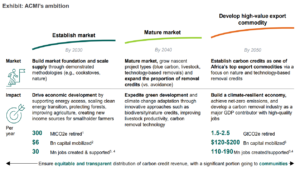
The ICAO decision, furthermore, may help reinforce confidence that agriculture can supply credible credits on a larger scale. It may also encourage greater innovation in agricultural carbon methodologies beyond rice.

Developers, registries, and policymakers will likely watch closely to see whether this model expands into broader methane-focused opportunities.

A Turning Point for Rice-Based Carbon Finance

For years, rice carbon credits had strong potential but weak market momentum. Projects faced technical hurdles, limited buyer familiarity, and funding constraints. This approval shifts that outlook.
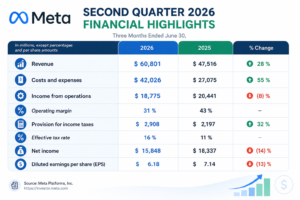
By adding VM0051 credits to the Carbon Offsetting and Reduction Scheme for International Aviation under the ICAO, a clearer link is created between compliance demand and agricultural methane cuts.

This could accelerate project growth, investment, and adoption of improved rice practices, while pushing agricultural credits closer to mainstream carbon markets.

Future expansion depends on supply, demand, and approvals, but the signal is clear: rice methane credits are entering a larger market phase.

Oklo Stock Jumps 15% as NVIDIA Partnership Sparks Nuclear-AI Momentum

Oklo Inc. gained strong market attention after announcing a strategic partnership with NVIDIA and Los Alamos National Laboratory. The collaboration aims to accelerate the development of nuclear infrastructure, expand AI-enabled research, and push forward next-generation nuclear fuel innovation.

Investors reacted quickly. The companyโ€™s stock rose about 15%, closing at $72.41 and continuing to climb to $78.43 in pre-market trading. Over the past week, shares surged roughly 33%, reflecting rising optimism around the intersection of nuclear energy and artificial intelligence.

oklo stock
Source: Yahoo Finance

A Strategic Alliance Powering the Future

The agreement significantly brings together three complementary strengths.

  • Oklo contributes its advanced sodium fast reactor technology
  • NVIDIA adds its powerful AI computing systems
  • Los Alamos provides deep expertise in nuclear materials science and fuel research.

This combination aims to create a new class of reliable, mission-critical energy systems designed for modern infrastructure.

Inside the Plan: AI, Fuels, and Nuclear Innovation

  • Using AI to Improve Nuclear Fuel: A major focus of the partnership is applying AI to nuclear science. The companies will build AI models based on physics and chemistry to test and improve nuclear fuels, especially plutonium-based fuels. These models will help make the process faster and more accurate.
  • Better Materials and Safer Fuel: The collaboration will also work to improve materials and the way nuclear fuel is made. By combining AI with lab research, the partners aim to make fuel safer and more efficient. They will also study how to produce power and keep the grid stable for large energy use.
  • Connecting Nuclear Power with AI Systems: Another key goal is to connect nuclear reactors directly with high-performance computing systems. This includes early-stage testing that could change how energy and computing work together in the future.

Why AI Needs Nuclearโ€”and Vice Versa

The idea of โ€œnuclear-powered AI factoriesโ€ sits at the center of this partnership. These facilities would run advanced AI workloads using dedicated nuclear power instead of relying on traditional electricity grids. This concept addresses a growing problem. Data centers require massive, constant energy, and demand continues to rise rapidly.

Nuclear energy offers a strong solution because it provides stable, round-the-clock power with low emissions. At the same time, AI can improve nuclear operations. It can analyze real-time data, detect anomalies, predict maintenance needs, and optimize reactor performance. These capabilities can enhance efficiency and reduce operational risks.

However, challenges remain. AI models must meet strict safety standards in nuclear environments. Data quality, cybersecurity, and model reliability are critical concerns. For now, AI will support human decision-making rather than replace it in safety-critical systems.

Okloโ€™s Technology and Market Position

At the center of Okloโ€™s strategy is its Pluto reactor, designed to use recycled nuclear material such as surplus plutonium. This approach not only produces energy but also helps reduce nuclear waste. The reactor was selected under the U.S. Department of Energyโ€™s Reactor Pilot Program, highlighting its importance.

Oklo is also working to deploy its Aurora power plant at Idaho National Laboratory, targeting operations before the end of 2027. In the near term, the company faces key milestones, including meeting Department of Energy deadlines tied to reactor development and facility readiness.

Financially, Oklo remains in a strong position. The company holds about $2.5 billion in cash and carries no debt, giving it flexibility to invest in growth. It plans to spend around $400 million annually over the next two years to support expansion and technology development.

Rising Demand and the Bigger Energy Shift

Demand for clean, reliable power is rising quickly, especially from large technology companies. Oklo has already signed an agreement to supply 150 megawatts of electricity to a data center project backed by Meta Platforms by around 2030.

energy demand

This deal shows how major tech firms are actively seeking carbon-free energy solutions to support their operations.

The partnership reflects a broader shift in the global energy landscape. Artificial intelligence is driving a surge in electricity consumption, forcing industries to rethink power generation. Nuclear energy is gaining attention as a dependable, low-carbon solution, while AI is helping modernize nuclear systems.

Despite strong momentum, challenges still exist. Regulatory approvals, technical complexity, and safety requirements could slow deployment. While market enthusiasm remains high, real-world scaling will likely take time.

In the end, the collaboration between Oklo, NVIDIA, and Los Alamos highlights a powerful trend. Clean energy and advanced computing are becoming deeply connected. If successfully executed, this partnership could play a key role in shaping the future of both industries.