AstraZeneca Turns Up the Heat: New Program Tackles Industry’s Toughest Emissions

Industrial heat production makes up a large share of global emissions. About 18% of all greenhouse gas emissions come from heat used in factories, plants, and manufacturing processes. This type of heat is hard to decarbonize because it often requires high temperatures that are still powered by fossil fuels like natural gas. 

To tackle this challenge, AstraZeneca, together with Secaro and ERM, launched the Clean Heat Program. The initiative helps companies measure, plan, and reduce industrial heat emissions across their supply chains.

Rob Williams, Senior Director of Sustainable Procurement at AstraZeneca, said:

“It’s clear that a programme like this is the fastest and most effective way to decarbonise heat in our supply chain. We are long-term partners with Secaro and ERM, and now we’re expanding relationships with peers, buyers from other industries and suppliers to plan, fund and launch the projects that will make heat decarbonisation a reality.”

Industrial Heat: The Hidden Carbon Giant

Fossil fuels still supply most industrial heat energy today. Cleaner alternatives like electrification, hydrogen, or biofuels often cost more. They also require new technology and infrastructure.

Despite its importance, industrial heat has received less focus than clean electricity or transport. In many industries, heat drives fundamental operations, from making chemicals to processing food. Because of this, experts say improving how heat is produced is key to cutting industrial emissions.

Clean Heat Program: Turning Plans into Action

In March 2026, AstraZeneca teamed up with ERM and Secaro to launch the Clean Heat Program. This initiative aims to help companies reduce emissions tied to industrial heat across their supply chains.

By combining data tools, technical support, and financing options, the program aims to make it easier for industrial facilities to adopt low-carbon heat solutions and accelerate decarbonization.

AstraZeneca is joining as a founding partner. The company has its own near‑term climate goals. By 2026, it aims to cut 98% of its Scope 1 and 2 emissions from operations compared to a 2015 baseline.

Astrazeneca
Source: Astrazeneca

The pharma giant has already achieved 88.1% reduction by the end of 2025. Its long‑term target is to reach net zero by 2045, including deep cuts in emissions across its suppliers and partners.

The Clean Heat Program is designed to go beyond simple planning. It aims to help companies move from studying options to actually acting on decarbonizing heat.

The program combines:

  • Supply chain data tools that show where heat is used and emitted.
  • Technical support to find practical ways to reduce emissions.
  • Financing options to help companies afford projects that cut heat emissions.

Secaro maps heat emissions across supply chains while ERM designs bankable projects, heat pumps, biomass conversion, and electrification upgrades. Notably, financing leverages EU funds and carbon credit revenue to de-risk upfront costs, moving companies from analysis to implementation.

Unlike many efforts that focus on one plant or site, the program looks at supplier networks. This broader view helps companies pinpoint where changes will have the biggest impact.

Why High-Temperature Heat Is Hard to Replace

Industrial heat is one of the largest sources of industrial emissions. According to the International Energy Agency, around 70% of industrial energy demand goes to producing heat for processes such as steel, cement, and chemicals.

Industrial Heat Emissions vs Net-Zero Pathway IEA
Estimates based on industrial CO₂ emissions data from the International Energy Agency. Around 70–75% of industrial energy use is for heat, according to IEA analysis.

Estimates from IEA data show that heat-related emissions are about 6.5 gigatonnes of CO₂ each year. This underscores the significant decarbonization needed.

The same analysis suggests that these emissions must drop to less than 1 gigatonne by 2050. This pathway needs quick action from various industries. It also requires strong investment in technology and changes in supply chains to cut emissions in high-temperature processes.

Industrial heat often uses natural gas or other fossil fuels. While electricity can now come from wind or solar, renewable options for high‑temperature heat are still emerging. Solutions such as electrification, biomass fuels, or hydrogen require new equipment and deep planning.

Electrification technologies work for low-temperature heat below 200°C. But industries that need higher heat still rely on fossil fuels. Secaro’s data show that 80% of industrial energy consumption is tied to heat, and 60% of these come from natural gas.

This complexity makes industrial heat one of the hardest parts of decarbonization — even for companies with net‑zero goals. In many cases, heat emissions make up a large share of a company’s direct emissions, known as Scope 1 emissions. 

Currently, less than 10% of sites use biofuels or other renewable energy. Industry forecasts suggest that renewable heat may reach only 15% of industrial use by 2028 unless strong action is taken.

CURRENT INDUSTRIAL HEAT EMISSIONS AND FUTURE RENEWABLE HEAT FORECAST

Pressure’s On: Regulators, Investors, and Rising Energy Costs

Pressure to cut heat emissions is growing from both regulators and investors. New rules such as the European Union’s Carbon Border Adjustment Mechanism (CBAM) and updated disclosure requirements from the U.S. Securities and Exchange Commission (SEC) require more detailed emissions reporting and climate risk disclosure.

Companies that ignore their emissions might face penalties. They could also lose contracts with buyers who want cleaner supply chains.

Energy price volatility also plays a role. Firms that rely on fossil fuels for heat may face wide swings in energy costs. Decarbonizing heat can help companies stabilize fuel expenses and reduce exposure to price shocks, which investors increasingly watch closely.

Tools and Support for Heat Decarbonization 

Secaro’s data platform is central to the program. It now offers heat-specific insights, which show where emissions are highest and highlight chances for change. The platform links buyers, suppliers, and solution providers to highlight high‑impact decarbonization actions.

ERM steps in with its technical expertise. It helps companies assess options and build project plans to attract investment.

These can include:

  • Higher energy efficiency
  • Switching to low-carbon fuels
  • Installing heat recovery systems
  • Adopting new technologies, like high-temperature heat pumps

Financing is also part of the program. Many industrial heat projects stall because of upfront costs. The initiative aims to connect companies with financing options, including funds based in the European Union and other mechanisms that help lower financial barriers.

Markets Are Warming Up: Forecasts for Industrial Decarbonization

Efforts like the Clean Heat Program are significant as the market for industrial decarbonization is growing. A recent market outlook projects that global industrial heat decarbonization could grow steadily over the next decade.

From 2025 to 2033, the market is expected to expand at a compound annual growth rate (CAGR) of about 6%, reaching an estimated $380 billion by 2033.

industrial heat and decarbonization market forecast

Technologies such as industrial heat pumps are also gaining traction. These devices can reuse waste heat and reduce energy losses. A market forecast shows that the global industrial heat pump market will rise to over 13,150 units by 2035. Revenues may exceed $9.1 billion by that time.

Even though many low‑carbon heat solutions exist, adoption has been slow. For example, only a small share of industrial sites in some sectors currently use renewable heat sources. Without stronger action, forecasts suggest renewable heat may reach only around 15% of industrial heat use by 2028.

A Clear Path for Companies and Supply Chains

The Clean Heat Program offers companies a way to close the gap between their climate goals and the real challenges of industrial heat. It helps companies move beyond early analysis and toward real projects that reduce emissions, improve energy security, and meet investor and regulatory expectations.

For supply chain partners and smaller suppliers, the program can lower barriers to entry. Many small and mid‑tier suppliers struggle to access data, technical support, or financing. This initiative aims to change that by giving a clearer path to decarbonization. If widely adopted, this approach could help reduce significant emissions from industrial heat worldwide and support broader climate goals.

AI vs. Climate Reality: Why Big Tech Is Buying Millions of Carbon Credits

The artificial intelligence (AI) boom has entered a new phase. It is no longer just about innovation or market dominance. Instead, it is now deeply tied to energy demand, emissions, and capital discipline. As a result, the rapid expansion of AI infrastructure is pushing Big Tech into an uncomfortable position—balancing climate commitments with rising environmental costs.

Data compiled for CNBC by carbon management platform Ceezer shows a sharp rise in carbon credit purchases across the sector. Companies are scaling AI aggressively, yet at the same time, they are leaning more heavily on carbon markets to offset the emissions they cannot yet avoid.

This shift is not happening in isolation. It reflects a broader structural tension between growth, sustainability, and financial performance.

AI Expansion Is Driving Both Emissions and Offsets

Tech giants such as Alphabet, Microsoft, Meta, and Amazon are collectively expected to spend close to $700 billion this year to scale their AI capabilities. This includes building hyperscale data centers, deploying advanced chips, and expanding global cloud infrastructure.

However, these investments come with a high environmental cost. AI systems require vast computing power, which in turn demands continuous electricity and cooling. Water use is also rising, particularly in large data center clusters. Consequently, emissions are increasing even as companies reaffirm their net-zero ambitions.

This is where carbon credits play a growing role. Each credit represents one metric ton of carbon dioxide either reduced or removed from the atmosphere. By purchasing these credits, companies aim to offset emissions that remain difficult to eliminate in the short term.

Yet this approach raises a fundamental question. Are carbon credits acting as a bridge to decarbonization—or becoming a substitute for it?

AI growth carbon credits

A Market Surge Signals Structural Dependence

The scale of growth in carbon credit purchases suggests a structural shift rather than a temporary adjustment.

In 2022, permanent carbon removal purchases across these companies stood at just over 14,000 credits. Within a year, that figure jumped dramatically to 11.92 million. The momentum did not slow. Purchases increased to 24.4 million in 2024 and then surged to 68.4 million in 2025.

This exponential rise highlights how quickly AI-driven emissions are feeding into carbon markets. More importantly, it shows that demand for high-quality removal credits is accelerating faster than supply.

At the same time, companies are not relying on a single solution. Their portfolios include nature-based projects such as forestry and soil carbon, alongside engineered approaches like direct air capture. Long-term offtake agreements are also becoming more common, helping secure future credit supply while supporting project development.

However, the rapid increase in demand raises concerns about market depth. High-integrity carbon removal credits remain scarce, and scaling them is both capital-intensive and time-consuming.

Microsoft Sets the Pace—but Questions Remain

Among its peers, Microsoft has taken a clear lead in carbon removal efforts. The company reported a 247% increase in credit purchases between fiscal 2022 and 2023, followed by a further 337% jump in 2024. Growth continued into the next fiscal year, roughly doubling again.

More notably, Microsoft expanded its carbon removal agreements to 45 million metric tons of CO₂ in 2025, up from 22 million tons the previous year. These agreements span multiple geographies and technologies, reflecting a diversified approach to carbon removal.

carbon removal credits microsoft

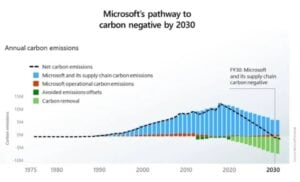
The company is now a top climate leader, intending to become carbon-negative by 2030. Its strategy emphasizes reducing emissions first and then removing what cannot be avoided.

However, a key gap remains. It has not explicitly tied its carbon credit strategy to its AI expansion. While the correlation is clear, the lack of direct disclosure leaves room for interpretation.

This ambiguity is not unique to Microsoft. It reflects a broader issue across the sector, where sustainability narratives are evolving faster than reporting frameworks.

Free Cash Flow Pressures Are Becoming Harder to Ignore

While environmental concerns are rising, financial pressures are also building.

The CNBC report further highlighted that the scale of AI investment is unprecedented. As companies ramp up spending, free cash flow is beginning to decline. The four largest U.S. tech firms generated a combined $237 billion in free cash flow in 2024. That figure dropped to $200 billion in 2025, and further declines are expected.

This trend signals a shift in capital allocation. Companies are prioritizing long-term growth over short-term financial efficiency. However, this comes at a cost. Lower cash generation reduces flexibility and may increase reliance on external financing.

For instance, Alphabet raised $25 billion through a bond sale in late 2025, while its long-term debt rose sharply to $46.5 billion. This move underscores how even cash-rich companies are turning to debt markets to sustain their AI ambitions.

carbon credits investment

For investors, the implications are significant. The AI story remains compelling, but it now comes with margin pressure, delayed returns, and increased financial risk.

Renewables Help Stabilize Emissions—but Not Fully

Despite the rise in emissions, the increase has not been as steep as some feared. This is largely due to the rapid adoption of renewable energy.

Hyperscalers have expanded their clean energy portfolios, securing power purchase agreements and investing in renewable projects. As a result, they have been able to offset part of the additional demand created by AI workloads.

Ceezer’s data suggest that while emissions rose alongside AI growth, the increase was relatively moderate. This indicates that companies are responding quickly by integrating renewable energy into their operations.

However, this strategy has limits. Renewable energy can reduce operational emissions, but it cannot fully eliminate the impact of rapid infrastructure expansion. As AI demand continues to grow, the gap between emissions and reductions may widen.

Stricter Rules Are Reshaping Carbon Credit Use

At the same time, the regulatory landscape for carbon credits is becoming more stringent. New frameworks are redefining how companies can use offsets within their climate strategies.

Initiatives such as the VCMI Scope 3 Action Code now allow limited use of high-quality credits, but only under strict disclosure conditions. Meanwhile, the Science Based Targets initiative (SBTi) continues to refine its guidance, particularly as Scope 3 emissions remain difficult to reduce.

The challenge is substantial. The global Scope 3 emissions gap is estimated at 1.4 billion tonnes and could increase significantly by 2030. This creates pressure on companies to find credible solutions without over-relying on offsets.

In parallel, disclosure frameworks such as CSRD are pushing companies to provide detailed explanations of their carbon credit strategies. This includes justifying project selection, verifying credit quality, and demonstrating measurable impact.

The direction is clear. Carbon credits are no longer a simple compliance tool. They are becoming part of a broader accountability framework.

Carbon Removal Market Expands—but Supply Constraints Persist

The carbon removal market is growing rapidly, yet it remains constrained.

MSCI Projections suggest the global carbon credit market could exceed $30 billion by 2030. Corporate demand for carbon removal credits may surpass 150 million metric tons annually within the same timeframe.

msci carbon market

However, supply is struggling to keep pace. High costs remain a major barrier, particularly for advanced technologies such as direct air capture, where prices often exceed $100 per ton.

In 2025, offtake agreements reached $13.7 billion, reflecting a strong corporate commitment. Yet these agreements will deliver only 78 million credits over the next decade. Actual durable carbon removal credits retired in the same year remained below 200,000.

This mismatch highlights a key issue. While demand is accelerating, real-world deployment is lagging. As a result, the market faces both growth potential and structural limitations.

carbon offtake big tech
Source: Sylvera

The Bottom Line: A Delicate Balancing Act

Big Tech’s AI expansion is reshaping both the digital economy and the carbon market. On one side, companies are investing heavily in future growth. On the other hand, they are navigating rising emissions, tighter regulations, and increasing financial pressure.

Carbon credits are playing a critical role in bridging this gap. However, they are not a long-term solution on their own.

The path forward will require a more balanced approach—one that combines technological innovation with real emissions reductions and transparent reporting. Companies must prove that their climate commitments are more than offset strategies.

At the same time, investors will need to adjust expectations. The AI boom promises strong returns, but it also introduces new risks. Lower cash flow, higher capital intensity, and evolving climate obligations are all part of the equation.

Ultimately, the success of this transition will depend on execution. The companies leading the AI race must now show they can scale responsibly—without compromising either financial stability or climate credibility.

Reliance and Samsung C&T $3B Green Ammonia Deal Powers India’s Hydrogen Exports

India’s clean energy transition is entering a new phase. Reliance Industries Limited (RIL) has signed a long-term green ammonia supply agreement with Samsung C&T Corporation. The deal, worth over $3 billion, will run for 15 years starting in the second half of FY2029.

This agreement reflects a structural shift in global energy markets. India is positioning itself not just as a clean energy producer, but as a future exporter of green fuels.

At the same time, the deal highlights a growing global race to secure long-term supplies of low-carbon energy. As industries look to decarbonize, green hydrogen and ammonia are becoming critical building blocks of the future energy system.

India’s Hydrogen Vision Meets Global Demand Reality

The agreement aligns with India’s broader policy push. Led by the Ministry of New and Renewable Energy, the National Green Hydrogen Mission aims to turn the country into a global hub for hydrogen production and exports.

The government has proposed around $2.2 billion in funding through 2030. Its targets are ambitious. India plans to build at least 5 million metric tonnes of annual green hydrogen capacity, supported by 125 GW of new renewable energy.

The economic and environmental impact could be substantial. Investments may exceed ₹8 lakh crore. The mission could create over 600,000 jobs while cutting fossil fuel imports by ₹1 lakh crore. In addition, it aims to reduce around 50 million tonnes of greenhouse gas emissions each year.

INDIA GREEN HYDROGEN

However, market realities remain complex. As of August 2025, about 158 hydrogen projects were under development. While announced capacity is already more than double the government’s target, only a small fraction is under construction or operational. This gap highlights execution risks.

Reliance Builds a Fully Integrated Green Energy Platform

To capture this opportunity, Reliance is building a deeply integrated clean energy ecosystem. The company is not only producing green hydrogen but also controlling the entire value chain.

This includes renewable power generation, energy storage, hydrogen production, and downstream products like green ammonia. A key focus is domestic manufacturing of critical technologies such as solar modules, battery systems, and electrolysers.

This strategy serves two purposes:

  • First, it reduces costs by localizing supply chains.
  • Second, it strengthens India’s position as a manufacturing hub for clean energy technologies.

At the center of this ecosystem is the Dhirubhai Ambani Green Energy Giga Complex in Jamnagar. Spread across 5,000 acres, it will house multiple gigafactories producing solar panels, batteries, electrolysers, fuel cells, and power electronics.

reliance green hydrogen
Source: Reliance

In parallel, Reliance is developing a large renewable energy project in Kutch. By combining solar, wind, and storage, the project will provide round-the-clock clean electricity. This power will feed into hydrogen and ammonia production facilities in Jamnagar.

The company has also committed to achieving net-zero emissions by 2035, placing it among the more aggressive corporate climate targets globally.

Samsung’s Offtake Deal Brings Stability to the Green Hydrogen Market

The partnership with Samsung C&T plays a crucial role in addressing one of the hydrogen sector’s biggest challenges—demand uncertainty.

By securing a 15-year offtake agreement, Reliance gains revenue visibility. This makes it easier to finance large-scale projects. At the same time, Samsung C&T Corporation benefits from a stable and cost-competitive supply of green ammonia.

The company operates across more than 40 countries and is active in trading industrial materials and developing renewable energy projects. Access to green ammonia strengthens its ability to decarbonize operations and expand its clean energy portfolio.

This is particularly important as global companies face rising pressure to meet environmental, social, and governance (ESG) targets. Green ammonia can be used in fertilizers, as a hydrogen carrier, and even as a shipping fuel. Therefore, securing supply early provides a strategic advantage.

From Slow Start to Rapid Scale: McKinsey and PwC Map Hydrogen Growth

Global demand trends add another layer to the story. According to McKinsey & Company, clean hydrogen demand could reach between 125 and 585 million tonnes per year by 2050. This is a sharp increase from today’s levels, where nearly 90 million tonnes of hydrogen are still produced using fossil fuels.

In the near term, demand growth is expected to remain gradual. McKinsey notes that traditional sectors like fertilizers and refining will drive early adoption as they switch from grey to cleaner hydrogen. However, newer applications—such as steelmaking, synthetic fuels, and heavy transport—will likely scale up after 2030, accelerating overall demand.

green hydrogen
Source: McKinsey

While long-term demand looks strong, short-term growth is expected to be gradual. Insights from PwC suggest that hydrogen demand will remain limited until 2030.

There are several reasons for this. First, most current projects are still in early stages and operate at relatively small scales. Many electrolyser facilities today have capacities below 50 MW. Even planned projects, which may exceed 100 MW, are still small compared to existing fossil-based hydrogen plants.

Second, infrastructure development takes time. Building pipelines, storage systems, and export terminals can take seven to twelve years. Without this infrastructure, large-scale hydrogen trade cannot take off.

As a result, PwC expects stronger demand growth after 2030, with a more rapid acceleration after 2035. This timeline aligns with broader climate goals and the need to scale clean energy systems globally.

green hydrogen demand
Source: PwC

Challenges Still Loom Over the Sector

Despite growing momentum, the green hydrogen sector faces several hurdles. High production costs remain a major barrier. In many regions, green hydrogen is still more expensive than fossil-based alternatives.

In addition, global standards are still evolving. Different countries use different definitions for “green” or “low-emission” hydrogen. This creates uncertainty and complicates international trade. Demand visibility is another concern. Although many projects have been announced, actual uptake depends on policy support, pricing mechanisms, and technological progress.

These challenges explain why only a small portion of announced capacity has moved into construction or operation so far.

In conclusion, the Reliance-Samsung deal highlights a key turning point. It shows how large-scale, long-term agreements can unlock investments and accelerate project development.

At the same time, it signals India’s growing role in the global hydrogen economy. With strong policy backing, rising investor interest, and integrated industrial strategies, the country is building a foundation for large-scale exports of green fuels.

Who Will Drive the Next Wave of Carbon Credit Demand? Insights from AlliedOffsets

The voluntary carbon market (VCM) lets companies buy carbon credits to offset their greenhouse gas emissions. AlliedOffsets, a data and technology firm for carbon offsetting, tracks this market closely. Their database covers more than 36,000 projects, over 28,000 buyers, and billions of tons of carbon that have been issued or retired. 

The VCM is growing fast. Over the last five years, most buyers have come from technology, telecommunications, and energy. Other sectors, like industrials, manufacturing, financial services, and aviation, also participate, though in smaller amounts.

The United States, the United Kingdom, France, Germany, and Japan have the most buyers, showing that developed countries lead the market.

As the market grows, new companies and sectors are expected to join. AlliedOffsets studied over 130,000 companies to predict who will likely buy carbon credits next. This helps sellers, project developers, and policymakers focus their efforts where demand is likely.

LtB Model: Predicting the Next Wave of Credit Buyers

AlliedOffsets uses a model called Likelihood to Buy (LtB). It looks at companies active before and since 2024, and even those that have never bought credits publicly. The company stated:

“Ranking specific companies’ likelihoods and identifying patterns in their unifying traits informs market suppliers and intermediaries about who to pivot engagement towards. Understanding the features that play the greatest roles in determining companies’ likelihoods, meanwhile, is vital for highlighting wider drivers for the growth of the market, which serve as levers for policymakers and signals for companies themselves.”

The model includes data from 36 global registries, covering both non-anonymous purchases and retirements. It looks at several key factors that affect a company’s likelihood to buy, including:

  • Abatement potential – how easy it is for the company to reduce emissions.
  • Data center usage – companies with large data centers use more energy and may buy more credits.
  • Headquarters country – companies in the US, UK, and China lead predicted purchases.
  • Internal carbon pricing – companies with higher carbon costs buy more credits.
  • Net-zero targets – companies with short-term or long-term climate goals are more likely to buy.
  • Sector – aviation, energy, and tech tend to buy more due to rules and public pressure.
  • Annual profit or loss – profitable firms are more able to purchase carbon credits.
factors for Likelihood to Buy VCM
Source: AlliedOffsets

The model also uses SHAP analysis to show which factors influence predicted buying the most. Companies that recently bought credits are weighted higher. Some sectors, like aviation, are manually marked as high-likelihood because of rules like CORSIA, which requires airlines to offset emissions.

AlliedOffsets also separates companies into new entrants and returning buyers, helping track demand trends.

Forecasted Carbon Credit Demand

AlliedOffsets predicts that new and returning buyers will need about 281 million credits per year. This comes from over 11,500 companies with characteristics similar to current buyers.

The demand by project type is expected to have this composition:

VCM demand by project type AlliedOffsets
Source: AlliedOffsets

Demand for forestry projects is rising, partly because of forward contracts, which made up 55% of the 147 million credits negotiated in 2025. 

carbon credit offtakes annual 2025 Sylvera
Source: Sylvera

By country, the greatest demand will come from the U.S., China, UK, France, Germany, and Brazil. 

VCM credits forecasted demand by country and sector
Source: AlliedOffsets

Aviation will be a big factor because airlines must offset emissions under CORSIA rules. Energy and technology companies in the US, like AT&T, IBM, and Ingram Micro, are likely to enter or re-enter the market.

Moreover, new entrants will expand the buyer base, per AlliedOffsets analysis. These include consumer goods, professional services, healthcare, and industrial firms. Many come from countries with fewer buyers so far, like Turkey and Belgium.

Financial Impact of Returning and New Buyers 

AlliedOffsets estimates that new and returning buyers will spend around $2.27 billion per year. Sector contributions are expected as follows, with aviation and energy leading the pack:

  • Aviation: over $800 million per year (about one-third of total).
  • Energy and Technology & Telecommunications: substantial ongoing purchases, over $300 million a year.
  • Consumer services, industrials, financial services, professional services: smaller but steady spend.
sectors expected to lead VCM demand forecast
Source: AlliedOffsets

Returning buyers bought nearly 7 million credits in previous years. ExxonMobil accounted for 66% of these purchases through both forward contracts and OTC deals. Other companies, like ArcelorMittal, invest in low-emission technology, reducing the need to buy credits.

New entrants, especially airlines, will increase activity. Credits purchased for CORSIA compliance must match emissions for international flights to and from ICAO member states.

Overall, growth in both returning and new buyers shows that corporate demand for carbon credits is likely to rise sharply. Companies that belong to initiatives like RE100, SBTi, Race to Zero, or NZBA are more likely to participate in the voluntary carbon market.

A Turning Point and Future Forecasts: Supply, Demand, and Policy Drivers

In 2025, the voluntary carbon credit market saw big changes. Total retirements fell to about 168 million tonnes, and new issuances dropped to around 270 million tonnes, the lowest since 2020.

Despite this, spending rose to roughly $1.04 billion, up from $980 million in 2024. The average price per credit also climbed to about $6.10, showing that buyers are paying more for high-quality, trusted credits rather than just buying large amounts.

carbon credit price 2025 MSCI

Companies are now choosing credits with strong monitoring and real climate impact. Nature-based projects, like afforestation and reforestation, did better than older REDD+ credits.

Forward contracts also grew, with over $12 billion signed in 2025, even though these will deliver only about 10 million credits a year through 2035. This shows that many companies want to secure the future supply of trusted credits. These trends match forecasts from AlliedOffsets, where demand is expected to rise for durable, high-quality carbon credits.

AlliedOffsets keeps expanding its database, now covering over 60,000 companies. Adding historical emissions data and checking with initiatives like the Forest Stewardship Council and Science Based Targets will improve forecasts.

Analysts expect supply limits may appear in forestry and land use projects as demand grows. Engineered removals, chemical processes, and industrial projects will also get more attention. Large investments by companies like Google and Amazon, which pledged $100 million to superpollutant removal projects by 2030, are expected to drive this.

Returning and new buyers, led by aviation, energy, and tech, will shape the next wave of demand. Understanding these patterns helps policymakers, intermediaries, and project developers plan supply and engagement strategies.

The voluntary carbon market is entering a new growth phase, driven by rules, climate commitments, and better forecasting tools. With models like Likelihood to Buy, market participants can plan ahead. Forestry, renewable energy, and industrial projects are likely to see the biggest benefits as corporate demand grows worldwide.

Surge Announces Former Berkshire Hathaway Energy Executive Mr. Richard Weech Joins the Board as an Independent Director

Disseminated on behalf of Surge Battery Metals Inc.


March 17, 2026: West Vancouver, BC; Surge Battery Metals Inc. (the “Company” or “Surge”) (TSXV: NILI, OTC: NILIF, FRA: DJ5C) is pleased to announce that former Berkshire Hathaway Energy executive, Mr. Richard Weech, has joined the Board of the Company as an Independent Director.

Mr. Weech is an executive professional with a thirty-five-year record of leading and contributing to high-achieving organizations delivering superior results in a variety of diverse leadership, financial, and operating roles in public and private businesses. He has extensive experience in leading and building businesses, developing people, raising capital, strategic planning, business development, joint venture structuring and risk management. Before his retirement in 2022, Mr. Weech spent 2014 through July 2022 responsible for leading the Berkshire Hathaway Energy subsidiaries, BHE Investments and BHE Renewables, through significant asset and financial growth that included developing and evaluating lithium extraction opportunities. Mr. Weech holds the CA, CPA, CFA professional designations and graduated with a Bachelor of Commerce with Distinction from the University of Alberta.

Mr. Weech commented: “I am excited to join the Surge Board of Directors and contribute to the successful development of a world class lithium critical mineral opportunity.”

In connection with the appointment of Mr. Weech to the Company’s Board of Directors, the Company has received the resignation of Mr. Ted O’Connor. The Company wishes to thank Mr. O’Connor for his contribution as a director and wishes him well in his future endeavors.

About Surge Battery Metals Inc.

Surge Battery Metals Inc., a Canadian-based mineral exploration company, is at the forefront of securing the supply of domestic lithium through its active engagement in the Nevada North Lithium Project. The project focuses on development of high-grade lithium energy metals in Nevada, USA, a crucial element for powering battery electric storage and electric vehicles. With a primary listing on the TSX Venture Exchange in Canada and a listing on the OTCQX Market in the USA, Surge Battery Metals Inc. is strategically positioned as a key player in advancing lithium exploration.

About Evolution Mining Limited

Evolution Mining is a leading, globally relevant gold miner. Evolution operates six mines, comprising five wholly-owned mines – Cowal in New South Wales, Ernest Henry and Mt Rawdon in Queensland, Mungari in Western Australia, and Red Lake in Ontario, Canada, and an 80% share in Northparkes in New South Wales.

About Nevada North Lithium LLC

Nevada North Lithium LLC owns the Nevada North Lithium Project southeast of Jackpot, Nevada about 73 km north-northeast of Wells, Elko County. The first three rounds of drilling at the project identified a strongly mineralized zone of lithium bearing clays occupying a strike length of more than 4,300 meters and a known width of greater than 1,500 meters. Highly anomalous soil values and geophysical surveys suggest there is potential for the clay horizons to be much greater in extent. The Nevada North Lithium Project has a pit-constrained Inferred Resource containing an estimated 11.24 Mt of Lithium Carbonate Equivalent (LCE) grading 3010 ppm Li at a 1,250-ppm cutoff. The recently completed PEA for the project reported an after-tax NPV8% US $9.17 Billion and after-tax IRR of 22.8% at $24,000/t LCE and an OPEX of US $5,243/t LCE.

On behalf of the Board of Directors

“Greg Reimer”

Greg Reimer, Director, President & CEO


Lithium trading at $27.01.

Live Lithium Spot Price

Unit: USD/kg
---
---
Loading Chart...


DISCLAIMER 

New Era Publishing Inc. and/or CarbonCredits.com (“We” or “Us”) are not securities dealers or brokers, investment advisers, or financial advisers, and you should not rely on the information herein as investment advice. Surge Battery Metals Inc. (“Company”) made a one-time payment of $50,000 to provide marketing services for a term of two months. None of the owners, members, directors, or employees of New Era Publishing Inc. and/or CarbonCredits.com currently hold, or have any beneficial ownership in, any shares, stocks, or options of the companies mentioned.

This article is informational only and is solely for use by prospective investors in determining whether to seek additional information. It does not constitute an offer to sell or a solicitation of an offer to buy any securities. Examples that we provide of share price increases pertaining to a particular issuer from one referenced date to another represent arbitrarily chosen time periods and are no indication whatsoever of future stock prices for that issuer and are of no predictive value.

Our stock profiles are intended to highlight certain companies for your further investigation; they are not stock recommendations or an offer or sale of the referenced securities. The securities issued by the companies we profile should be considered high-risk; if you do invest despite these warnings, you may lose your entire investment. Please do your own research before investing, including reviewing the companies’ SEDAR+ and SEC filings, press releases, and risk disclosures.

It is our policy that the information contained in this profile was provided by the company, extracted from SEDAR+ and SEC filings, company websites, and other publicly available sources. We believe the sources and information are accurate and reliable but we cannot guarantee them.

CAUTIONARY STATEMENT AND FORWARD-LOOKING INFORMATION

Certain statements contained in this news release may constitute “forward-looking information” within the meaning of applicable securities laws. Forward-looking information generally can be identified by words such as “anticipate,” “expect,” “estimate,” “forecast,” “plan,” and similar expressions suggesting future outcomes or events. Forward-looking information is based on current expectations of management; however, it is subject to known and unknown risks, uncertainties, and other factors that may cause actual results to differ materially from those anticipated.

These factors include, without limitation, statements relating to the Company’s exploration and development plans, the potential of its mineral projects, financing activities, regulatory approvals, market conditions, and future objectives. Forward-looking information involves numerous risks and uncertainties and actual results might differ materially from results suggested in any forward-looking information. These risks and uncertainties include, among other things, market volatility, the state of financial markets for the Company’s securities, fluctuations in commodity prices, operational challenges, and changes in business plans.

Forward-looking information is based on several key expectations and assumptions, including, without limitation, that the Company will continue with its stated business objectives and will be able to raise additional capital as required. Although management of the Company has attempted to identify important factors that could cause actual results to differ materially, there may be other factors that cause results not to be as anticipated, estimated, or intended.

There can be no assurance that such forward-looking information will prove to be accurate, as actual results and future events could differ materially. Accordingly, readers should not place undue reliance on forward-looking information. Additional information about risks and uncertainties is contained in the Company’s management’s discussion and analysis and annual information form for the year ended December 31, 2024, copies of which are available on SEDAR+ at www.sedarplus.ca.

The forward-looking information contained herein is expressly qualified in its entirety by this cautionary statement. Forward-looking information reflects management’s current beliefs and is based on information currently available to the Company. The forward-looking information is made as of the date of this news release, and the Company assumes no obligation to update or revise such information to reflect new events or circumstances except as may be required by applicable law.

Big Oil’s Carbon Reality: Shell’s 1.1 Billion-Ton Footprint Shows the Scale of the Energy Transition

Energy giant Shell reported around 1.1 billion metric tons of carbon dioxide equivalent (CO₂e) emissions in 2025. Most of these emissions come from the use of the fuels the company sells, known as Scope 3 emissions.
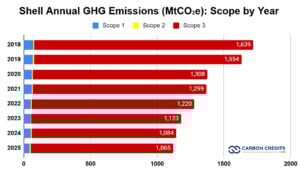
Scope 3 emissions occur when customers burn oil, gas, and other fuels produced by energy companies. For Shell, these emissions dominate its carbon footprint.

The company’s operational emissions are much smaller. Shell recently reported about 50 million tons of Scope 1 emissions from its operations. It also noted around 8 million tons of Scope 2 emissions from purchased electricity.

Together, these numbers show the scale of emissions linked to global fossil fuel use. In comparison, the United Kingdom’s total emissions were about 480 million tons in 2024, less than half of Shell’s overall carbon footprint. This comparison highlights how emissions linked to energy supply chains can exceed those of entire countries.

Why Scope 3 Emissions Dominate Oil and Gas

Most emissions linked to oil and gas companies come from the fuels consumers burn. This explains why Scope 3 emissions are the largest part of Shell’s carbon footprint.

  • Shell’s reporting shows Scope 3 emissions of over 1 billion tons of CO₂ equivalent, far higher than emissions from its direct operations. As seen below, the oil major’s GHG emissions have been declining since 2018.

Shell Annual Greenhouse Gas Emissions, Scope by Year, 2025

Scope 1 and Scope 2 emissions come from Shell’s operations and purchased energy, based on the company’s sustainability reports. Scope 3 emissions represent the use of fuels sold by Shell. Scope 3 accounts for the vast majority, around 95% of the company’s carbon footprint.

About 78% of these emissions occur downstream, mainly when customers use gasoline, diesel, or natural gas. The rest come from upstream activities such as equipment manufacturing and fuel transport.

This pattern is common across the oil and gas industry. Energy companies produce fuels, but most emissions occur when the fuels are burned.

Because of this structure, reducing emissions in the energy sector requires changes across the whole system. These include cleaner fuels, new technologies, and changes in how energy is used.

Shell’s Net-Zero Targets and Climate Strategy

Shell says it aims to become a net-zero emissions energy company by 2050. To move toward this goal, the company has set several climate targets.

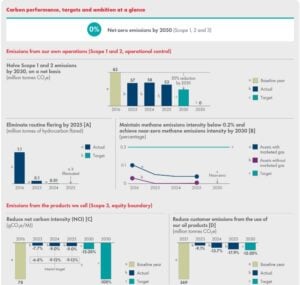
Shell net zero an 2025 progress
Source: Shell

The oil giant has already made some progress on this goal. By 2024, the company had reduced operational emissions by about 30% compared with 2016.

Another metric Shell uses is Net Carbon Intensity (NCI). This measures emissions per unit of energy sold. In recent reporting, Shell’s NCI stood at 71 grams of CO₂ equivalent per megajoule, unchanged from the previous year.

The company plans to reduce this measure to net zero by 2050 as part of its transition strategy. However, intensity targets measure emissions relative to energy production. This means total emissions can remain stable if energy demand continues to grow.

Shell’s Offset Strategy: Retiring Millions with Certified Credits

In 2025, Shell retired 5.8 million carbon credits. Of these, 5.5 million were tied to its Net Carbon Intensity (NCI) efforts. This included 2.0 million linked to energy product sales. The company emphasizes careful sourcing and screening of credits.

shell carbon credit retirements 2025
Source: Shell

Of the total retired, 59% were certified by Verra’s Verified Carbon Standard (VCS), 22% by Gold Standard, 10% by the ACR program, and 9% via Climate Action Reserve.

Rising Energy Demand Keeps Fossil Fuels in Play

Global energy demand continues to rise. This affects emissions across the energy sector. According to the International Energy Agency, energy-related carbon dioxide emissions grew in many regions due to rising industrial activity and energy demand.

  • Emissions from natural gas increased by 2.5% in 2024, while coal emissions rose almost 1% in recent global energy data, per the IEA report.

natural gas and coal emissions 2024 IEA

Oil emissions also increased slightly as countries continued to rely on fossil fuels to meet economic growth and energy access needs. This demand helps explain why oil and gas companies still play a large role in global energy supply.

At the same time, the energy transition is accelerating. Governments and companies are investing in renewable power, electric vehicles, and cleaner fuels. These trends are reshaping the global energy system.

LNG and Carbon Capture in Shell’s Transition Plan

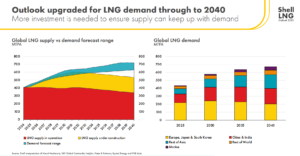
Shell continues to expand its liquefied natural gas business. The company expects global LNG demand to grow about 60% by 2040, driven by economic growth and industrial energy needs.

Natural gas produces fewer emissions than coal when burned. Because of this, some countries view LNG as a transitional fuel during the shift to cleaner energy systems.

Shell is also investing in carbon capture and storage (CCS). One major project is the Northern Lights carbon storage project in Norway, developed with industry partners. The facility aims to store at least 5 million tons of CO₂ per year once expanded.

Carbon capture technology can help reduce emissions from industries that are difficult to electrify, such as heavy manufacturing and shipping. However, CCS projects remain limited in number compared with the scale of global emissions.

The Enormous Scale of the Global Energy Transition

The world’s energy system is changing quickly. But the scale of fossil fuel use remains large.

Energy companies like Shell supply fuels used across transportation, power generation, and heavy industry. This explains why emissions linked to these companies are so high.

At the same time, new technologies are reshaping the energy landscape. Renewable power, electric vehicles, hydrogen fuels, and carbon capture are expanding rapidly.

Shell itself notes that new technologies could cut the carbon intensity of the global energy system by half by 2050 if current trends continue. Still, hitting global climate targets will require faster progress.

What Shell’s Emissions Reveal About the Energy System 

Shell’s reported 1.1 billion tons of CO₂ emissions in 2025 show the scale of the global energy challenge. The majority of these emissions come not from company operations, but from the fuels used by millions of consumers and industries worldwide.

Reducing emissions across this system will require major changes in energy production, infrastructure, and technology. Oil and gas companies remain central players in this transition. Their investments, technologies, and energy supply decisions will influence how quickly the global economy moves toward lower-carbon energy.

The next decades will determine whether the energy system can meet rising demand while also reducing emissions at the scale required to reach global climate goals.

DOE Launches $500M Funding Drive to Strengthen U.S. Battery Supply Chains and Critical Minerals Processing

The U.S. Department of Energy (DOE) has announced a major funding initiative aimed at strengthening domestic battery supply chains and reducing reliance on foreign sources of critical minerals. The department introduced a Notice of Funding Opportunity (NOFO) worth up to $500 million to expand U.S. capabilities in mineral processing, battery materials manufacturing, and recycling.

Significantly, these investments target industries such as grid storage, transportation, manufacturing, and national defense. At the same time, the initiative reflects growing concerns about supply chain vulnerabilities for minerals that power modern energy technologies.

According to Chris Wright, the United States has relied for too long on foreign suppliers to provide and process key materials used in battery manufacturing. Strengthening domestic supply chains, he explained, will help the country meet rising energy demand while maintaining economic and technological leadership.

Strengthening the Domestic Battery Supply Chain

The DOE’s new funding program focuses on boosting the United States’ ability to process, recycle, and manufacture battery materials domestically. Currently, many minerals used in advanced batteries are mined globally but processed overseas before reaching U.S. manufacturers.

america critical mineral

This dependency creates supply risks and exposes the economy to geopolitical disruptions. As a result, the new funding program aims to build a more resilient supply chain across several stages of battery production. Explained in detail below:

Critical Mineral Processing

First, the program seeks to expand domestic processing of critical minerals. Many essential battery materials—including lithium, nickel, graphite, copper, and aluminum—require complex refining processes before they can be used in batteries. By investing in new processing facilities, the United States hopes to reduce reliance on foreign refining capacity and ensure a stable supply of materials for domestic industries.

Battery Recycling Technologies

Second, the initiative emphasizes recycling technologies. Recovering valuable metals from used batteries and manufacturing scrap can significantly reduce the need for new mining while improving supply security. Recycling also lowers environmental impacts by reducing waste and conserving natural resources.

global critical mineral processing

Battery Manufacturing Capacity

Finally, the program aims to expand manufacturing capacity for battery materials and components within the United States. Increasing domestic production of battery precursors, cathode materials, and other key components will help support the entire North American battery supply chain.

The funding is supported by the Infrastructure Investment and Jobs Act, which allocated billions of dollars to strengthen energy infrastructure and domestic manufacturing across the country.

Battery Storage Becomes a Major U.S. Energy Technology

The urgency behind these investments reflects the rapid growth of battery storage across the United States. In recent years, battery systems have emerged as a critical technology for managing modern power grids.

In fact, batteries became the largest form of energy storage in the country in 2024, surpassing traditional pumped hydro storage for the first time. This shift marks a significant milestone in the evolution of the U.S. electricity system.

At the same time, the number of battery projects expanded rapidly. Nearly 1,000 storage projects were either operating or under development across the country. Many of these projects are located in California and Texas, where large-scale renewable energy installations require flexible storage solutions to stabilize the electricity supply.

One notable example is the Moss Landing Energy Storage Facility, one of the largest battery installations in the United States. Located in California, the facility pairs a natural gas power plant with massive battery storage systems that can deliver electricity when demand peaks.

As renewable energy capacity continues to grow, battery storage will play an increasingly important role in maintaining grid reliability and balancing intermittent energy sources such as solar and wind.

EV Battery Manufacturing Market Continues to Grow

The electric vehicle industry is another major driver behind rising battery demand. As EV adoption accelerates globally, automakers and battery companies are investing heavily in new manufacturing facilities.

In the United States, the electric vehicle battery manufacturing market is projected to grow steadily over the coming years. Industry estimates suggest the market will reach approximately $17.94 billion in 2026, increasing from $16.36 billion in 2025.

Looking further ahead, the sector is expected to expand significantly. By 2031, the market could reach around $28.46 billion, reflecting a compound annual growth rate of nearly 9.7 percent.

battery storage US

Multiple factors fuel this growth. Federal incentives for clean energy technologies, rising consumer demand for electric vehicles, and large-scale investments in domestic manufacturing are all contributing to the expansion of the U.S. battery industry.

However, sustaining this growth will require reliable access to the minerals that power advanced batteries.

America’s Critical Mineral Supply Remains a Concern 

To address supply risks, the U.S. Geological Survey expanded its official list of critical minerals in 2025. The updated list now includes 60 minerals, up from 50 identified in 2022.

Several new minerals were added due to their growing importance for the economy and national security. These additions include boron, copper, lead, metallurgical coal, phosphate, potash, rhenium, silicon, silver, and uranium.

Despite these efforts, the United States remains heavily dependent on imports for many critical minerals. As of 2024, the country relied entirely on foreign suppliers for twelve critical minerals. Meanwhile, more than half of the domestic demand for twenty-nine minerals came from imports.

Rare earth elements represent one of the most significant vulnerabilities because global supply chains remain highly concentrated. China continues to dominate the production and processing of these materials, raising concerns about potential supply disruptions.

As a result, U.S. policymakers are increasingly focused on strengthening domestic mining, processing, and recycling capabilities.

Global Demand for Energy Minerals Is Rising Fast

The push to secure mineral supply chains also reflects rapidly growing global demand for energy materials. According to the IEA, demand for key minerals used in clean energy technologies is expected to increase dramatically in the coming decades.

Lithium demand, for example, could grow fivefold by 2040 under current policy scenarios. Copper will likely remain the largest mineral market by value, while other materials such as nickel, cobalt, graphite, and rare earth elements will also see strong growth.

iea global demand critical minerals

Overall, the combined market value for six key energy minerals—copper, lithium, nickel, cobalt, graphite, and rare earth elements—could reach approximately $500 billion by 2040. This surge reflects the rapid expansion of electric vehicles, renewable power systems, battery storage, and other clean energy technologies.

Consequently, governments around the world are competing to secure reliable access to these strategic resources.

Against this backdrop, the DOE’s $500 million funding initiative represents an important step toward strengthening America’s position in the global battery economy. By expanding domestic processing, recycling, and manufacturing capacity, the United States aims to reduce supply risks while supporting the technologies that will power the future energy system.

CATL’s Profit Surges 42% With Global Battery Demand and the Shift to a Zero-Carbon Future

Contemporary Amperex Technology Co. Limited (CATL) released its 2025 Annual Report on March 10, 2026. The report highlights strong financial growth, rapid global expansion, and continued innovation in battery technology. The company reinforced its position as the world’s largest battery manufacturer while advancing its vision of becoming a leading zero-carbon technology company.

The report explains how CATL is expanding beyond traditional battery markets. The company is applying its technology across electric vehicles, energy storage, aviation, shipping, and AI infrastructure. CATL refers to this strategy as “all-domain growth,” meaning the electrification of multiple industries through advanced battery systems.

CATL’s Strong Financial Performance Reflects Rising Battery Demand

In 2025, the company reported strong revenue growth, record battery shipments, and higher profits. At the same time, it expanded its manufacturing capacity, increased research spending, and advanced sustainability efforts to build a circular energy ecosystem.

  • Revenue reached RMB 423.7 billion, a 17% increase from the previous year.
  • Net profit rose to RMB 72.2 billion, growing 42% year on year

The company also generated strong operating cash flow. Net cash flow from operating activities reached RMB 133.2 billion, showing steady demand for its products and solid business performance.

Much of this growth came from the rapid expansion of electric vehicles and energy storage systems worldwide. Governments and companies continue to invest heavily in clean energy, which has increased demand for reliable battery technology.

Battery shipments played a key role in this growth. CATL sold 661 gigawatt-hours of lithium-ion batteries during the year, a 39% increase from 2024. This shows the company’s ability to scale production as global demand for batteries continues to rise.

CATL
Data Source: CATL

Maintains Its Global Battery Leadership

According to data from SNE Research, the company held a 39.2% share of the global power battery market in the last year. Thereby, solidifying its leadership in the global battery market.

The company also expanded its international presence. Overseas market share reached 30%, and CATL batteries have now been installed in more than 24 million vehicles globally.

Energy storage has also become a major growth area for the company. Some notable milestones include:

  • Accounted for 30.4% of global energy storage battery shipments in 2025. This allowed the company to maintain the top global position in energy storage batteries for the fifth consecutive year.
  • Supported around 2,300 energy storage projects worldwide. At the same time, shipments from its energy storage system integration business grew by more than 160% compared with the previous year.

This growth reflects the increasing role of battery systems in balancing renewable energy grids and improving electricity reliability.

  • Furthermore, to meet growing global demand, the company expanded its manufacturing capacity to 772 GWh by the end of 2025, with 321 GWh under construction.

It operates advanced Lighthouse factories that use digital technology and automation to boost efficiency and reduce environmental impact.

Global battery demand

New Battery Technologies Expand Product Portfolio

The company introduced several new battery technologies during 2025, reflecting its focus on innovation and product diversification. These include the second-generation batteries, such as:

  • Shenxing superfast charging
  • Shenxing Pro
  • Freevoy dual-power
  • Naxtra
  • Super Hybrid

These technologies aim to improve charging speed, increase reliability in extreme environments, and reduce dependence on critical raw materials.

Advancement of Sodium-ion Batteries

One important development is the advancement of sodium-ion batteries. These batteries offer an alternative to lithium-based technologies and can reduce reliance on limited mineral resources.

CATL expects sodium-ion batteries to see broader adoption beginning in 2026 across applications such as battery swapping systems, passenger vehicles, commercial vehicles, and energy storage.

Sodium ion

Batteries Supporting AI Data Centers and Digital Infrastructure

Another emerging opportunity for CATL is energy infrastructure for artificial intelligence. Modern AI data centers require large and stable electricity supplies. Energy storage systems can help manage power consumption while improving efficiency.

CATL already provides storage solutions for SenseTime’s AI data center in Shanghai. The system helps optimize electricity usage and reduce operational costs.

  • According to the company, the storage system saves more than 10 million kilowatt-hours of electricity every year. It also lowers electricity costs by around 7% and prevents roughly 3,000 tonnes of carbon dioxide emissions annually.

This example shows how battery technology can play an important role in supporting the growing digital economy while also reducing emissions.

Expanding Electrification Into Aviation and Shipping

The company is expanding into aviation, maritime transport, and logistics as part of its broader electrification strategy.

In aviation, subsidiary AutoFlight completed the first public flight of the world’s largest five-ton electric vertical take-off and landing (eVTOL) aircraft. This shows the potential of electric aircraft for city transport and logistics.

In shipping, its battery systems have been approved by major international maritime authorities, making them safe for use in commercial ships.

CATL batteries are already powering nearly 1,000 electric vessels worldwide. The company also launched a “Ship–Shore–Cloud” system that connects electric ships, port charging, and digital energy management to reduce emissions and improve efficiency.

Research and Innovation Strengthen Technology Leadership

Research and development are a key part of CATL’s strategy. In 2025, the company spent RMB 22.1 billion on R&D, and over the past ten years, total investment exceeded RMB 90 billion.

CATL has six research centers and about 23,000 engineers and scientists, helping it create new battery technologies and improve existing ones. By the end of 2025, it held over 54,000 patents and ranked second among Chinese companies in international patent applications.

Moreover, the company uses artificial intelligence in research and manufacturing. For example, its next-generation lithium-ion battery project won the World Economic Forum’s MINDS award, showing how AI speeds up innovation.

Building a Zero-Carbon Energy Ecosystem

CATL’s strategy goes beyond producing batteries. The company is working to create a complete zero-carbon energy ecosystem that integrates clean electricity, storage, and transportation.

CATL ZERO CARBON
Source: CATL
  • Battery swapping is an important part of this strategy. CATL has built more than 1,000 Choco-Swap stations for passenger vehicles across 45 cities in China. These stations allow drivers to replace depleted batteries with fully charged ones in minutes.

The company also operates battery swapping infrastructure for heavy-duty trucks through its QIJI Energy network. This network includes more than 300 stations across 26 provinces and supports tens of thousands of kilometers of green logistics routes. In 2025, the combined network provided more than 1.15 million battery-swapping services.

  • CATL is also developing zero-carbon industrial parks and integrated renewable energy systems that combine power generation, storage, and electricity management.

One major project is located in Shandong province, where the company is building what it describes as the world’s first off-grid zero-carbon industrial park powered entirely by renewable electricity. The facility will supply green power to a lithium-ion battery plant with an annual capacity of 40 gigawatt-hours.

Advancing Circular Energy and Sustainability

Alongside business expansion, CATL continues to strengthen its sustainability commitments. In 2025, the company achieved an MSCI ESG rating of AA and was included in the S&P Global Sustainability Yearbook as well as the FTSE Emerging Index.

The company reported that its core operations reached carbon neutrality in 2025. At the same time, it is working to reduce emissions across its supply chain.

Battery recycling plays a key role in this effort. CATL recovered and processed 210,000 tonnes of used batteries during the year. From this recycling process, the company regenerated 24,000 tonnes of lithium salts, helping reduce the need for newly mined materials.

To support the development of a global circular battery economy, CATL also launched the Global Energy Circularity Commitment initiative.

Looking ahead, CATL plans to continue expanding its technology leadership and global partnerships. Growth is expected across electric vehicles, renewable energy storage, electrified transport, and digital infrastructure.

Through continued innovation, manufacturing expansion, and sustainability initiatives, CATL aims to strengthen its role in the global transition toward a zero-carbon energy system. The 2025 annual report shows that the company is not only leading the battery market but also shaping the future of clean energy worldwide.

NASCAR’s Biofuel Revolution: How America’s Biggest Motorsport Is Hitting Full Throttle on Net Zero

For decades, the National Association for Stock Car Auto Racing, aka NASCAR, stood for roaring engines, speed, and fierce competition. The sport, headquartered in Daytona Beach, Florida, built its reputation on powerful combustion engines and high-energy racing events across the United States.

However, the organization has recently shifted gears. Today, NASCAR is embracing sustainability and cleaner technology while still protecting the thrill of racing. The sport is working toward a bold target: net-zero operating emissions by 2035.

This goal forms the backbone of the NASCAR IMPACT strategy. The plan looks at emissions across the sport’s core activities—from race cars and racetrack facilities to large racing events. Instead of relying on a single solution, NASCAR is using multiple approaches, such as renewable energy, cleaner fuels, and improved waste management.

In short, the future of stock-car racing is becoming cleaner without losing its competitive edge.

NASCAR’s Net-Zero Mission

Back in 2023, NASCAR announced its commitment to reach net-zero carbon emissions from its operations by 2035. In simple terms, the goal focuses on the fuel and electricity used at NASCAR-owned racetracks and offices.

To make this happen, the organization plans to reduce overall energy consumption while increasing the share of renewable power used across its operations.

The strategy focuses on three main areas:

  • Race cars
  • Racing events
  • Facilities and offices

Each of these areas produces emissions in different ways. For example, race cars consume fuel, while events require power generators and logistics fleets. Meanwhile, offices and racetracks use electricity, heating, and cooling systems. Therefore, NASCAR’s climate strategy combines efficiency improvements with cleaner energy solutions.

Here’s a snapshot of the motosport company’s 2024 electricity consumption and emisions profile: 

nascar
Source: NASCAR

Electric Innovation Hits the Track

One of the biggest steps toward cleaner racing arrived in July 2024. Through the ABB NASCAR Electrification Partnership, the sport introduced its first electric race car prototype.

The ABB NASCAR EV Prototype represents a new chapter in motorsports technology. Engineers from NASCAR built the vehicle with support from three major automakers, i.e., Chevrolet, Ford Motor Company, and Toyota.

The project shows how the racing world can experiment with emerging technologies. NASCAR does not plan to replace traditional engines overnight. Instead, the electric prototype works as a testing ground for future performance innovations.

Motorsports has always pushed automotive technology forward. Now, sustainability is becoming part of that engineering race.

A Major Biofuel Partnership with POET Changes the Game

Another major development came through NASCAR’s partnership with POET LLC, the world’s largest biofuel producer. The agreement named POET as the Official Bioethanol Partner of NASCAR. More importantly, the collaboration introduces zero-carbon bioethanol into the sport’s fuel mix.

NASCAR will blend this bioethanol with fuel supplied by its long-time partner Sunoco. As a result, the racing series will become the first major motorsport to use zero-carbon bioethanol fuel.

  • This change highlights a key idea behind NASCAR’s sustainability strategy: improving performance while cutting emissions.
nascar
Source: NASCAR

Bioethanol already offers several advantages. It burns cleaner than conventional gasoline and produces lower carbon intensity. At the same time, it maintains the high-octane performance required for competitive racing.

For drivers and teams, fuel keeps engines running at full power. For the environment, it reduces pollution.

The partnership also brings strong visibility for the biofuel industry. Beginning this season, POET sponsors the “POET Restart Zone” at NASCAR-owned tracks—one of the most intense moments during races when cars restart after caution periods.

In addition, POET branding now appears on all NASCAR fuel cans alongside Sunoco. This move reinforces the growing role of renewable fuels in motorsports.

Cleaner Fuels for the Next Generation of Race Cars

NASCAR’s national racing series already uses Sunoco Green E15, a high-performance unleaded fuel blend. The fuel contains 15% bioethanol and 85% gasoline.

During the 2024 racing season, NASCAR consumed over 261,000 gallons of Sunoco Green E15 across its three national racing series.

While combustion engines will remain part of NASCAR’s identity, the organization plans to keep improving fuel technology over the next decade. And cleaner fuels are a practical step. They allow the sport to reduce emissions without requiring major changes to vehicle design.

nascar biofuel
Source: NASCAR

Renewable Diesel in NASCAR’s Hauler Fleet

Behind every NASCAR race lies a massive logistics operation. The sport’s equipment travels thousands of miles each season in heavy transport trucks.

In 2024, NASCAR’s fleet of 17 Mack diesel haulers traveled more than 805,000 miles—roughly the distance of going to the moon and back.

Significantly, the company started testing renewable diesel fuel from wood residues, agricultural waste, and used cooking oil to reduce emissions from transportation

The fuel works in existing engines without modifications. That makes it a convenient way to cut emissions immediately while longer-term solutions develop. It also burns cleaner than traditional diesel, which helps lower the environmental footprint of NASCAR’s logistics operations.

Powering Racetracks with Renewable Energy Credits

Beyond vehicles and events, NASCAR is also transforming the energy used at its facilities.

  • In 2023, the organization committed to powering all of its facilities with 100% renewable electricity for the next five years. To achieve this, NASCAR partnered with NextEra Energy.
  • The company purchased Green-e Certified Renewable Energy Credits (RECs) from wind farms across the United States. These credits ensure that an equivalent amount of renewable electricity enters the national power grid. By buying these credits, NASCAR offsets the electricity used at its racetracks and offices.

However, the organization does not plan to rely on credits forever. In the long run, NASCAR hopes to install solar panels directly at its facilities, producing clean electricity on site and strengthening local renewable energy supply.

Reducing Energy Demand at Facilities

Using renewable power is important. But reducing overall energy demand matters just as much.

NASCAR has begun implementing energy-efficiency programs across its buildings and racetracks. These measures focus on cutting electricity consumption while lowering operating costs.

nascar
Source: NASCAR

Another key area involves fugitive emissions. These are small gas leaks from equipment such as air conditioners and refrigeration systems. Although they may seem minor, some of these gases can be powerful greenhouse pollutants.

Therefore, NASCAR closely monitors these systems and works to prevent leaks whenever possible.

Cutting Emissions at Racing Events

Large racing events require significant energy. Power generators, logistics fleets, and track equipment all contribute to emissions.

Therefore, NASCAR has started analyzing energy use across its race operations. Data collection helps the organization understand where emissions are highest and where improvements can deliver the biggest impact.

One example involves track dryers. After heavy rain, NASCAR uses specialized machines to dry racetracks quickly so races can continue. Previously, these machines used jet fuel. However, NASCAR recently introduced the first propane-powered track dryer with help from partner Suburban Propane.

  • The change is expected to reduce emissions from these dryers by about 58%. It may seem like a small improvement, but these incremental changes add up over time.

Another example comes from the Chicago Street Race. By redesigning the layout of temporary power units, the event operations team managed to run multiple areas using a single hybrid generator.

  • As a result, the race reduced fuel consumption by more than 27% compared with the previous year.

nascar energy efficiency

Recycling and Waste Reduction Across the Sport

Sustainability efforts at NASCAR extend beyond energy and fuel. Waste management has become another major focus.

The organization now operates expanded recycling programs across its tracks and offices. These programs target a wide range of materials, including aluminum cans, plastic bottles, used racing tires, and motor oil.

NASCAR also partners with waste-management companies to divert materials from landfills and promote circular economy practices.

Even fans play a role. During race weekends, it encourages spectators to recycle and dispose of waste responsibly. These engagement campaigns help reduce the environmental footprint of large racing events.

The Future of Sustainable Motorsports

NASCAR remains one of the most recognizable motorsports organizations in the world. Traditionally, the sport has focused on stock-car racing events across the Southeast and Midwest United States.

Yet today, NASCAR is also becoming a testing ground for sustainability innovation. From electric prototypes and renewable fuels to cleaner logistics and renewable energy systems, the organization is experimenting with multiple solutions at once.

Importantly, these efforts prove that high performance and environmental responsibility can coexist. Motorsports has always pushed the limits of engineering. Now, the industry is beginning to push the limits of sustainability as well.

South Korea Mandates ISSB-Aligned Climate Reporting by 2028 for Corporate Giants

South Korea plans to require large companies to publish mandatory sustainability reports starting in 2028. The rule will apply first to major firms listed on the country’s main stock exchange.

Starting in 2028, KOSPI (the largest South Korean stocks) companies with at least 30 trillion won (around $22 billion) in assets will need to reveal their environmental, social, and governance (ESG) practices.

South Korea’s Sustainability Reporting Era Begins

The reporting requirement will expand in 2029 to companies with 10 trillion won or more in assets. The first phase will focus on about 58 of South Korea‘s largest listed companies. This is based on estimates from the Financial Services Commission (FSC).

Companies must publish clear details on climate risks, emissions, governance, and sustainability strategies. These disclosures will cover greenhouse gas emissions, climate financial risks, and plans to achieve climate goals.

The government says the policy will improve transparency for investors and strengthen confidence in Korea’s financial markets. It will also help the country align with global ESG reporting standards that investors increasingly expect.

South Korea has big industrial companies operating in electronics, cars, steel, and shipbuilding. These industries play a major role in global supply chains. Clear sustainability reporting could help these companies maintain access to international capital and markets.

A Gradual Rollout to Ease Corporate Burden

In 2026, South Korea’s Financial Services Commission released a roadmap for ESG disclosure. The policy forms part of the government’s broader strategy to support the country’s green transition.

south korea 2030 emissions projection

Officials decided on a phased rollout to give companies enough time to prepare. Key elements of the plan include:

  • Mandatory ESG reporting for large KOSPI companies starting in 2028.
  • Expansion to additional companies in 2029.
  • Full adoption of supply-chain emissions reporting by 2031.

Companies will receive a three-year grace period before they must disclose Scope 3 emissions. These emissions include indirect emissions across a company’s value chain. These can come from suppliers, transportation, product use, and waste.

For many firms, Scope 3 emissions represent the largest share of total emissions. The Carbon Disclosure Project (CDP) states that Scope 3 emissions can be over 11 times greater than direct operational emissions for many companies.

Regulators gave companies more time to create systems for measuring these emissions due to the complexity involved.

Initially, the rules will operate through stock exchange disclosure requirements. Over time, the government plans to convert them into formal legal reporting obligations.

How Climate Finance Powers Korea’s Green Shift

The new reporting framework supports South Korea’s broader climate policy and energy transition. The government aims to raise about 790 trillion won (around $590 billion) by 2032.
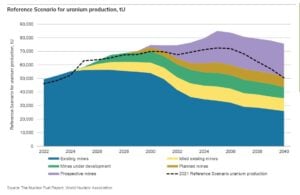
The funding will support climate-related investments and help industries modernize and reduce emissions. Priority sectors include renewable energy, hydrogen technologies, green infrastructure, low-carbon manufacturing, and energy efficiency upgrades.

Heavy industries are a key focus of these efforts. South Korea is a top producer of steel, petrochemicals, and semiconductors, which need a lot of energy. The country generates 33% of its electricity from coal, per International Energy Agency data

International Energy Agency - Electricity generation sources, Korea, 2024

The IEA says South Korea was one of the top ten energy consumers in 2024. Industry made up a large part of the electricity demand. The government will introduce transition finance frameworks. These will help high-emission industries get funding for cleaner technologies.

Korea 2030 ghg reduction targets

South Korea has pledged to reach carbon neutrality by 2050. The country also aims to reduce greenhouse gas emissions 40% below 2018 levels by 2030 under its updated climate plan. Stronger ESG reporting will help investors measure corporate progress toward these goals.

South Korea net zero goal
Source: IEA

Why Mandatory ESG Reporting Is Going Global

South Korea’s policy reflects a global shift toward mandatory sustainability reporting. Governments and regulators increasingly require companies to disclose climate risks and emissions data. These rules show how climate change and energy policies can impact businesses.

The EU’s Corporate Sustainability Reporting Directive (CSRD) is a major reporting framework. The rule will eventually apply to around 50,000 companies operating in Europe, according to the European Commission.

Global standards are also emerging. The International Sustainability Standards Board (ISSB) released two key disclosure standards in 2023:

  • IFRS S1, covering general sustainability disclosures
  • IFRS S2, covering climate-related disclosures

More than 20 jurisdictions representing over half of global GDP have announced plans to adopt or align with ISSB standards. South Korea’s reporting framework follows these international guidelines.

The country set up the Korea Sustainability Standards Board (KSSB). Its job is to create national reporting standards that match the ISSB framework.

Companies will be required to disclose:

  • climate risks and opportunities,
  • governance structures for sustainability oversight,
  • emissions data and reduction targets, and
  • strategy and risk management practices.

This alignment helps investors compare companies across different markets using similar data.

Korean Corporations Step Up Sustainability Disclosures

Corporate sustainability reporting has already expanded in South Korea. By 2024, about 203 Korean companies will publish voluntary sustainability reports. This comes from ESG research groups that track disclosure trends.

Large Korean firms have increasingly adopted global reporting frameworks such as:

  • Task Force on Climate-related Financial Disclosures (TCFD)
  • Global Reporting Initiative (GRI)
  • Sustainability Accounting Standards Board (SASB)

However, many companies asked regulators to delay mandatory reporting requirements. Businesses said they need more time to create reliable emissions measurement systems and reporting processes.

The government responded by pushing the start date to 2028. The extra time helps companies create internal ESG management systems and enhance data collection. Financial institutions strongly support stronger sustainability disclosure.
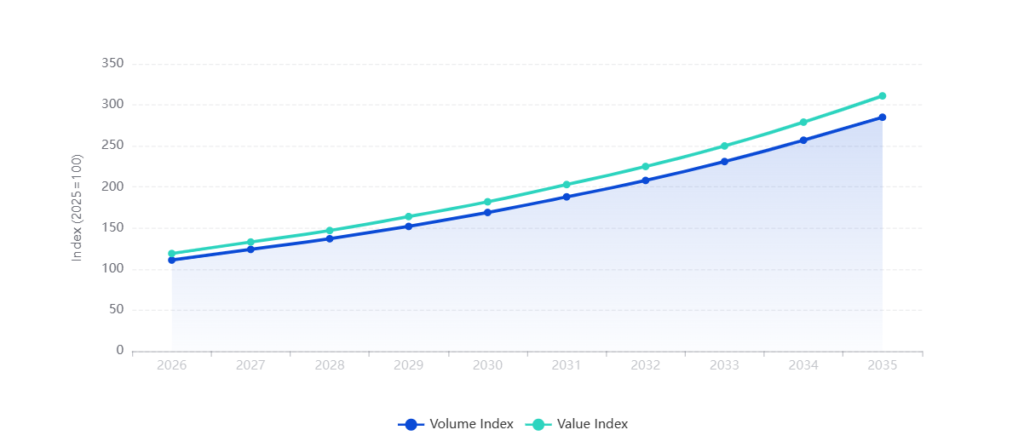
Investors increasingly use ESG data when evaluating risk and long-term performance. According to the Global Sustainable Investment Alliance, sustainable investment assets reached over $30 trillion globally in recent years. Analysts forecast it to reach $40 trillion by 2030.

ESG asset forecast 2030 Bloomberg

Transparent ESG reporting helps companies attract capital from these investors. It also helps banks and asset managers assess climate risks across their portfolios.

The Future of ESG Disclosure in Asia

South Korea’s new rules could influence ESG reporting across Asia. Several financial centers in the region are strengthening climate reporting policies.

For instance, Japan plans to expand sustainability disclosure rules for major companies beginning around 2027. The country now requires climate risk disclosures for companies on its Prime Market. These disclosures must follow the TCFD framework.

Singapore and Hong Kong are both starting mandatory climate reporting that will follow ISSB standards. China is also expanding its climate disclosure rules to other major sectors. 

These developments reflect growing pressure from global investors. Many asset managers now need detailed climate data from companies. They use this information before deciding on investments.

Consistent reporting frameworks also help multinational companies operate across multiple markets. Large corporations often face different disclosure rules in different countries. Aligning with global standards can reduce compliance costs and improve transparency.

As more countries adopt ESG reporting rules, sustainability reporting may become as common as financial reporting.

Transparency as the New Standard in Global Markets

South Korea’s plan to introduce mandatory sustainability reporting in 2028 marks a major step in the country’s climate and financial policy. The phased rollout will start with the largest listed companies and later expand to more firms. Companies will need to disclose detailed data on emissions, climate risks, and sustainability strategies.

The policy aims to improve transparency for investors and align South Korea with global ESG reporting standards. As sustainability disclosure becomes more common worldwide, companies with strong climate strategies and clear reporting systems may gain an advantage in global capital markets.